
新能源汽车技术迭代

Search documents
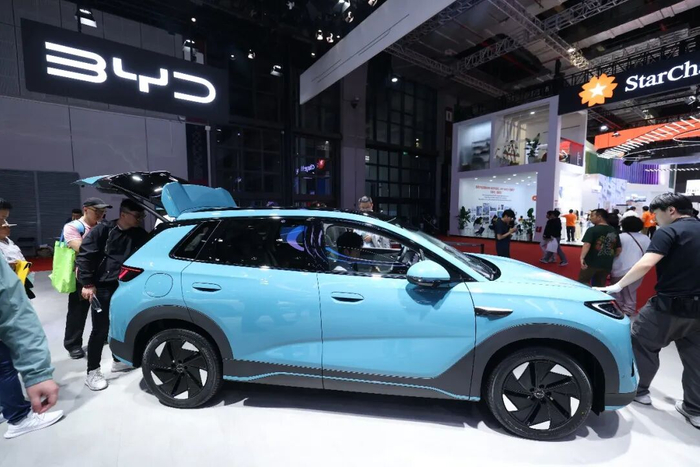
比亚迪迎来关键时刻
Di Yi Cai Jing· 2026-03-09 11:31
Core Viewpoint - BYD has launched its second-generation blade battery, claiming it achieves the fastest charging speed for mass-produced batteries globally, while also upgrading its fast-charging technology to match this speed [2][3]. Group 1: Sales Growth and Market Position - BYD's sales have increased from 426,900 units in 2020 to 4.6024 million units in 2025, nearly a tenfold increase, with overseas sales surpassing 1 million units for the first time, placing it among the top ten global automakers [2]. - However, the sales growth rate has slowed, with a mere 7.7% increase in 2025 compared to 61.9% and 41.3% in the previous two years, and a significant decline of over 30% in January and February of the current year [3][10]. - The company faces a critical challenge in maintaining growth amidst a maturing market and intensified competition [3][10]. Group 2: Technological Advancements - The second-generation blade battery boasts over a 5% increase in energy density, with charging times significantly reduced: from 10% to 70% in 5 minutes and from 10% to 97% in 9 minutes [3][6]. - The fast-charging technology has also been upgraded, with peak charging power increasing from 1000 kW to 1500 kW, and plans to build 20,000 fast-charging stations across China [5][6]. Group 3: Cost and Profitability Challenges - The rising prices of precious metals required for battery production may increase the cost of the second-generation blade battery by over 1,500 yuan per unit, posing challenges to profitability [5][6]. - The investment required for building the fast-charging stations is substantial, with estimates exceeding 5 billion yuan for the entire project [5]. Group 4: Strategic Market Moves - New models equipped with the second-generation blade battery are set to be launched in March and April, which will be crucial for converting technological investments into actual sales [6][10]. - BYD is also targeting the high-end market with the launch of its premium brand Yangwang and plans to release multiple new models under its other high-end brand, Denza, in 2026 [10][11]. Group 5: Global Market Dynamics - BYD's overseas sales surged to over 240,000 units in 2023, marking a growth of over 300%, with a target of 1.3 million overseas sales in 2026 [11]. - However, the company faces challenges from changing global policies regarding electric vehicles and import tariffs, which could impact its market position [11].


比亚迪迎来关键时刻
第一财经· 2026-03-09 11:16
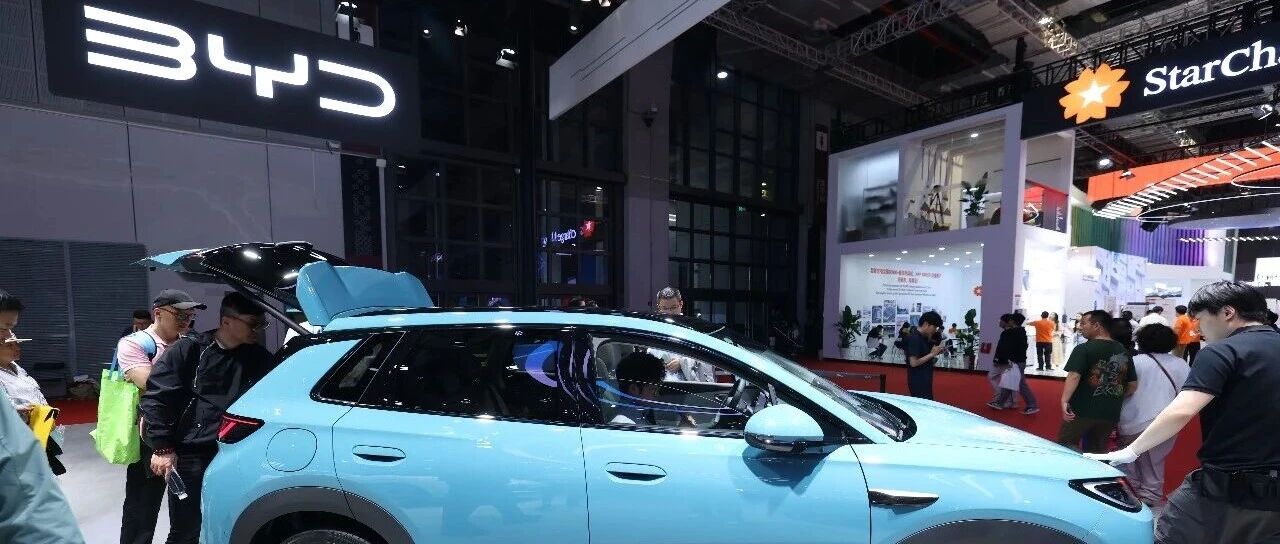
Core Viewpoint - BYD has launched its second-generation blade battery, claiming it achieves the fastest charging speed for mass-produced batteries globally, amidst a slowing sales growth in the competitive Chinese electric vehicle market [3][4][5]. Group 1: Second-Generation Blade Battery - The second-generation blade battery has over a 5% increase in energy density compared to the first generation. Charging from 10% to 70% takes 5 minutes, and from 10% to 97% takes 9 minutes, significantly faster than the first generation [7]. - The peak charging power of the new fast-charging technology has increased from 1000 kW to 1500 kW, with plans to build 20,000 fast-charging stations across China [7]. - The cost of building a single fast-charging station is approximately 600,000 yuan, with an estimated total investment exceeding 5 billion yuan for the 20,000 stations [7][8]. Group 2: Market Context and Challenges - BYD's sales growth has slowed significantly, with a 7.7% increase in 2025 compared to previous years of 61.9% and 41.3%. In early 2026, sales dropped over 30% year-on-year [4][14]. - The competitive landscape has shifted to a mature market, with companies needing to innovate or expand internationally to maintain sales [4][14]. - The second-generation blade battery's cost is expected to increase by over 1,500 yuan per unit due to rising prices of precious metals, posing challenges for profit margins [7][8]. Group 3: Strategic Moves and Future Plans - New models featuring the second-generation blade battery are set to be launched in March and April 2026, which will be critical for validating BYD's investments in electric vehicle technology [8]. - BYD aims to capture the high-end market with the launch of its premium brand Yangwang and plans to release 12 models under another high-end brand, Tengshi, in 2026 [14]. - The company has set a target of selling 1.3 million vehicles overseas in 2026, following a significant increase in international sales [14].
比亚迪:第二代刀片电池、兆瓦闪充引领行业技术新纪元-20260307
Huachuang Securities· 2026-03-07 10:25
Investment Rating - The report maintains a "Strong Buy" rating for BYD, expecting it to outperform the benchmark index by over 20% in the next six months [1][17]. Core Views - BYD's second-generation blade battery and megawatt flash charging technology address industry pain points such as range anxiety and slow charging, establishing a competitive edge through technological leadership [3][7]. - The company plans to mass-produce vehicles equipped with these technologies, including models like the Yangwang U7/U8 and Denza Z9GT, with a goal to extend these technologies to mainstream models priced between 100,000 to 200,000 yuan by 2026 [3][4]. - BYD's overseas sales have shown significant growth, with February's overseas sales reaching 101,000 units, a 50% year-on-year increase, marking a shift where overseas sales now exceed domestic sales [7][8]. - The report projects a substantial increase in net profit forecasts for 2025-2027, with estimates raised from 35.2 billion yuan to 39 billion yuan for 2025, and from 47 billion yuan to 48 billion yuan for 2026 [7][8]. Financial Summary - Total revenue is expected to grow from 777.1 billion yuan in 2024 to 1,108.5 billion yuan in 2027, with a compound annual growth rate (CAGR) of approximately 12.2% [8]. - The net profit for 2026 is projected at 48 billion yuan, reflecting a 23.2% year-on-year growth [8]. - The price-to-earnings (P/E) ratio is expected to decrease from 21 in 2024 to 13 by 2027, indicating an improving valuation as earnings grow [8].
比亚迪又又又降价了!老车主频繁被背刺,品牌力堪忧
Xin Lang Cai Jing· 2026-01-22 04:50
Core Viewpoint - BYD's frequent price cuts have led to a significant trust crisis among existing car owners, with widespread complaints and a growing sentiment of betrayal among consumers [1][8]. Group 1: Price Cuts and Consumer Reactions - Owners of the BYD Han series have reported a price drop from 270,000 yuan to around 190,000 yuan within two years, highlighting a depreciation of 100,000 yuan [3]. - A customer who purchased a Song L in January 2025 expressed frustration over a new insurance subsidy policy that caused her vehicle's value to decrease before she even took delivery, costing her an additional 5,000 yuan [3]. - The introduction of the new intelligent driving version led to a 50,000 yuan drop in the residual value of a recently purchased Tang DM-i model [3]. Group 2: Sales Practices and Consumer Rights - BYD's dealerships have been accused of failing to disclose upcoming model changes, leading to customers purchasing outdated models without knowledge of imminent upgrades [5]. - Customers have reported that new models are being released with significant upgrades at the same price, leaving older models as "technical test products" that cannot be upgraded [5]. Group 3: Challenges in Consumer Rights Protection - Many customers have abandoned their claims for compensation due to the time and effort required to gather evidence and seek legal assistance, with over 600 complaints related to model iteration disputes filed against BYD [6]. - Some dealerships are using tactics like "installment discounts" and "clearance sales" to further reduce the value of older models, leading to accusations of betrayal from customers [7]. Group 4: Market Response and Consumer Sentiment - A trend of self-deprecating humor among car owners has emerged, with products labeled "BYD Leek Eye" selling over 500 units on e-commerce platforms, reflecting a growing distrust in the brand [8]. - Potential consumers are increasingly hesitant to purchase BYD vehicles, with some opting for competitors due to the ongoing price cuts and consumer rights issues, indicating a potential long-term impact on brand reputation [9].
购置税“限额减半”在即,年底“0利率”买车能捡到漏吗?
Tai Mei Ti A P P· 2025-12-04 09:35
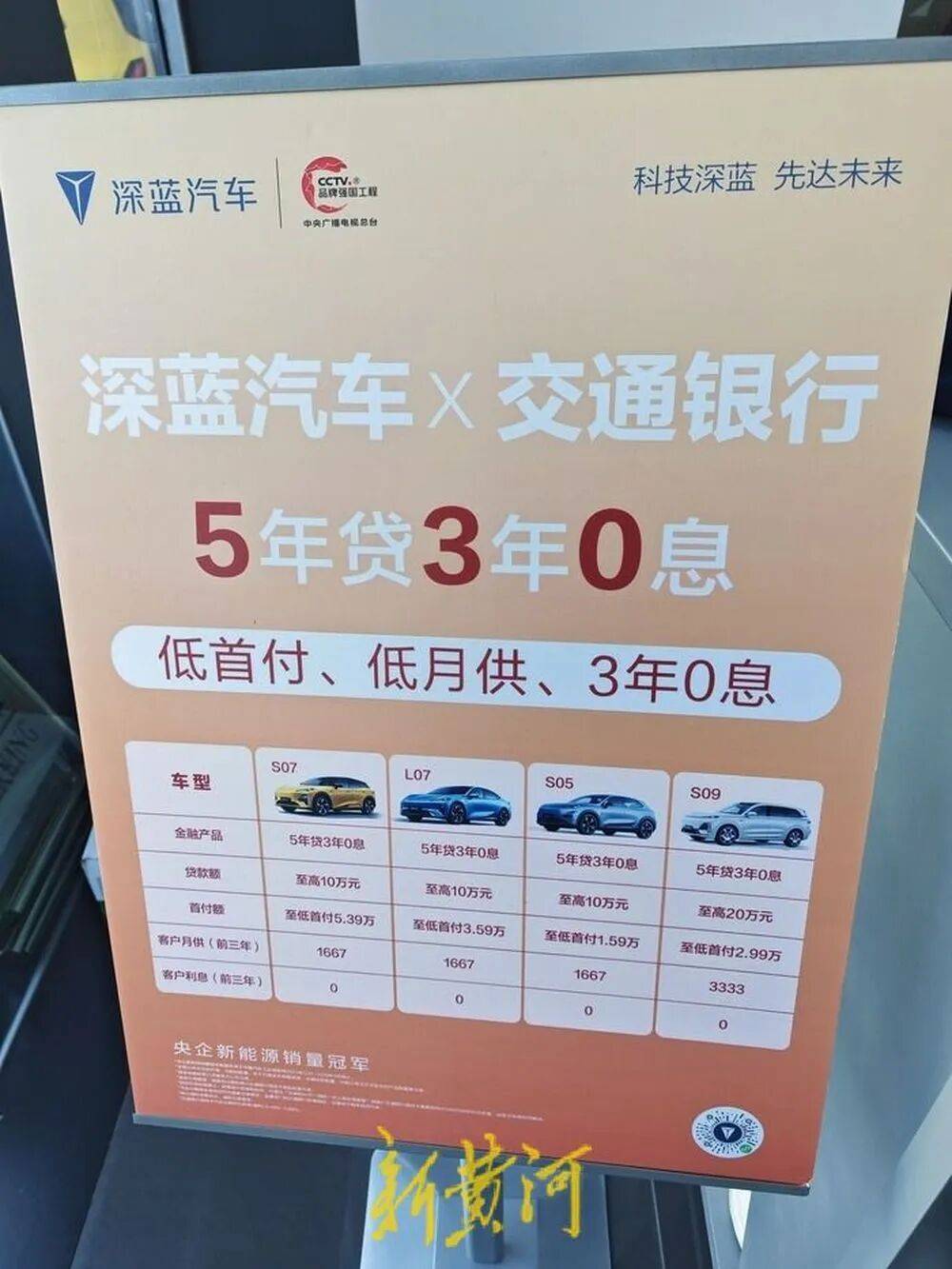
Core Viewpoint - The impending change in the new energy vehicle (NEV) purchase tax policy is creating a dilemma for potential buyers, as the full exemption will end in 2026, leading to a significant shift in market dynamics and pricing strategies among automakers and banks [1][2]. Group 1: Policy Changes and Market Impact - The new policy will halve the purchase tax for NEVs starting January 1, 2026, with a maximum deduction of 15,000 yuan per vehicle, marking the end of the full exemption era [1]. - Automakers are responding to the new tax structure by adjusting their pricing strategies, particularly for vehicles priced below 300,000 yuan, which will still benefit from the tax reduction [1][2]. - The average annual price of battery-grade lithium carbonate is projected to drop significantly, providing automakers with room to absorb increased costs from the tax changes [2]. Group 2: Consumer Behavior and Financing Trends - The increase in purchase tax is expected to raise the cost of NEVs by 6,000 to 15,000 yuan, influencing consumer purchasing decisions, especially among budget-conscious buyers [3][5]. - There is a notable increase in loan applications for NEVs priced above 300,000 yuan, with a year-on-year growth of over 20% since November [2]. - Consumers are actively participating in year-end promotions, with many opting to purchase vehicles now to take advantage of current discounts before the tax changes take effect [3][5]. Group 3: Promotional Strategies and Market Competition - Automakers and banks are launching aggressive year-end promotions, including cash discounts, trade-in subsidies, and zero-interest financing offers, to boost sales [3][4]. - The average price of NEVs has decreased significantly, with a reported drop of 14% from peak levels, allowing for competitive pricing strategies [4]. - Some automakers are resorting to selling vehicles at a loss to meet sales targets, indicating intense competition and pressure to clear inventory before the new tax policy takes effect [4][6]. Group 4: Risks and Challenges in Financing - Consumers are facing potential pitfalls in financing options, including hidden fees and inflated vehicle prices disguised as zero-interest loans [3][4][5]. - The banking sector is adapting to the changing landscape, with a focus on high-end vehicle loans and innovative financing solutions to capture market share [8][9]. - The collaboration between banks and automakers is expected to deepen, with many automakers forming joint financial companies to enhance customer acquisition and financing options [9].


免征,倒计时!济南车市为何流行“买旧不买新”?
Sou Hu Cai Jing· 2025-10-23 01:13
Core Insights - The new policy on the exemption of vehicle purchase tax for new energy vehicles (NEVs) has been officially announced, marking 2023 as the last year for full exemption, with a 50% reduction in 2026 and 2027 [1][9] - Consumers are currently favoring older models due to the immediate tax benefits, while new models are experiencing lower demand due to uncertainty regarding pricing and delivery timelines [1][3][4] Group 1: Policy Impact - The new vehicle purchase tax policy is expected to significantly influence consumer behavior, with many opting to purchase older models to take advantage of the full tax exemption [1][2] - Sales strategies have shifted, with dealerships emphasizing the urgency of purchasing before the tax changes take effect, leading to increased foot traffic and sales [2][3] Group 2: Consumer Behavior - Consumers are showing a preference for older models, with some dealerships reporting that they have only display vehicles left for sale [4][6] - Concerns about delivery delays for new models are causing potential buyers to reconsider their options, leading to a trend of purchasing older models instead [4][10] Group 3: Market Dynamics - The competitive landscape is shifting from "incremental competition" to "stock competition," as the market anticipates a significant drop in demand following the policy changes [9][11] - Dealerships are implementing various promotional strategies, including trade-in subsidies and interest-free financing, to boost sales in the current market environment [3][9] Group 4: Future Outlook - Experts predict that the upcoming tax policy changes will lead to a decline in market demand in early 2026, as consumers may have already made purchases in anticipation of the tax benefits [9][11] - Manufacturers are expected to respond to the changing market conditions by enhancing product quality and focusing on technological advancements to maintain competitiveness [11][13]
比亚迪李云飞回应巴菲特清仓;宝马第三代氢燃料电池系统2028年量产丨汽车早参
Mei Ri Jing Ji Xin Wen· 2025-09-22 23:09
Group 1: Li Auto's Clarification on i7 Model - Li Auto's chairman clarified that there is no i7 model, focusing on the upcoming launch of the i6 pure electric SUV on September 26 [1] - This clarification helps to align market expectations and avoid confusion regarding the product line, potentially boosting investor confidence in rational competition within the industry [1] Group 2: New National Standards by Market Regulation Administration - The Market Regulation Administration revised and released two national standards for urban public transport and car rental services, effective November 1 [2] - The new standards enhance safety requirements for new energy vehicles and regulate car rental platforms to prevent malicious competition and false advertising [2] - These regulations are expected to stabilize the market order in the transportation service sector and enhance investor confidence in the long-term healthy development of related industries [2] Group 3: BMW's Hydrogen Fuel Cell System Development - BMW announced the launch of its third-generation hydrogen fuel cell system, with prototype production already underway [3] - The new system is set to be mass-produced by 2028 and will first be integrated into the new generation BMW X5, featuring a 25% reduction in space requirements [3] - This collaboration with Toyota highlights the diversification of energy pathways in the automotive industry and may accelerate infrastructure investment and commercialization in the hydrogen energy sector [3] Group 4: BYD's Response to Buffett's Shareholding Changes - BYD's public relations manager stated that Berkshire Hathaway's reduction of its stake in BYD is a normal investment behavior, expressing gratitude for the long-term support [4] - This response aims to stabilize market sentiment and reflects BYD's confidence in its future prospects [4] - The exit of major investors is not expected to impact the long-term logic of the industry, instead prompting a focus on the company's fundamentals and supporting rational valuation in the stock market [4]
