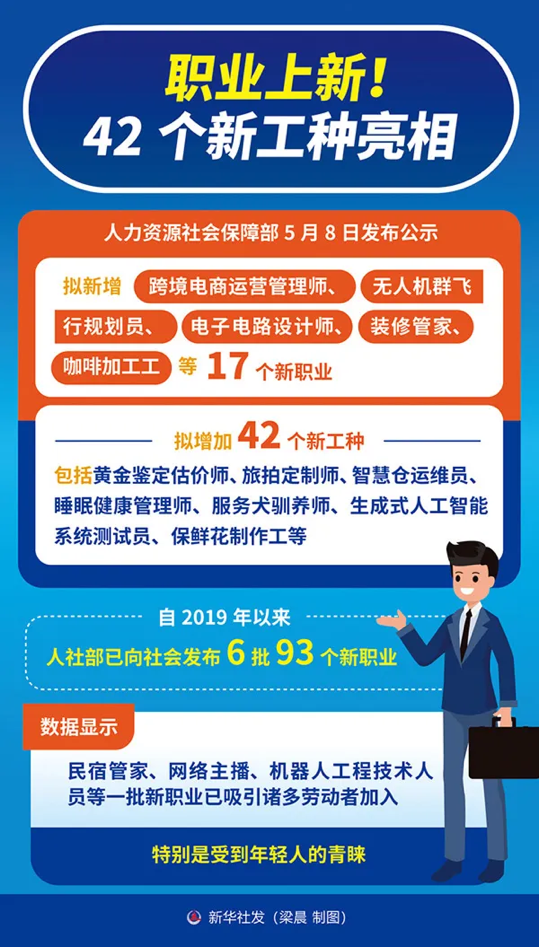
新质就业

Search documents
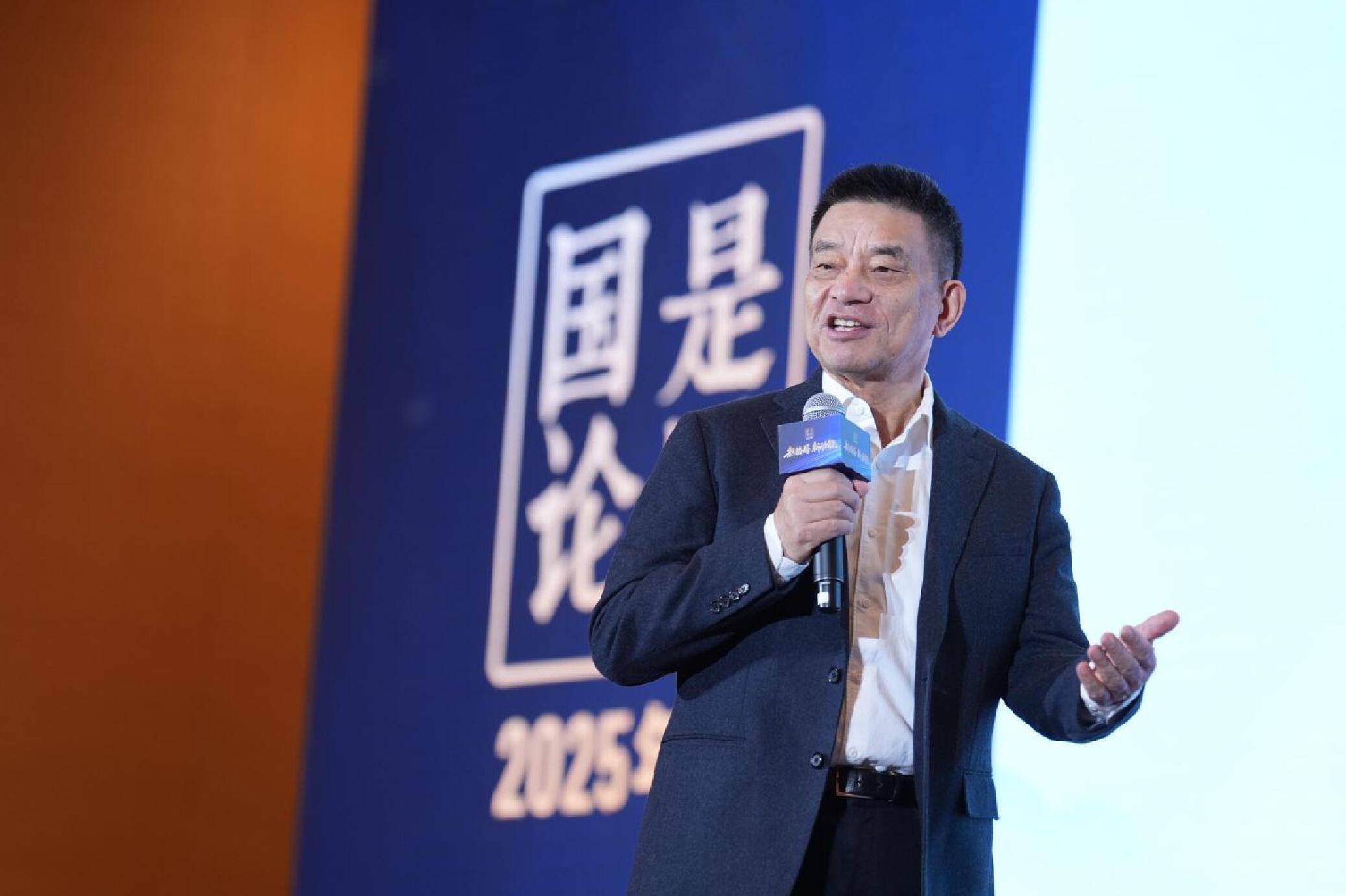
刘永好:促消费的核心是要有工作
Sou Hu Cai Jing· 2025-12-16 13:35
Group 1 - The core viewpoint emphasizes that stable employment is crucial for promoting consumption, as highlighted by Liu Yonghao, Chairman of New Hope Group, during the "National Forum: 2025 Annual Meeting" [2] - Traditional employment, which includes manufacturing, services, and construction, accounts for 60%-80% of the national employment population and is essential for stabilizing the economy and consumption [2] - The rapid development of new productive forces, represented by technology companies, currently provides employment for about 10% of the national population, indicating a need for expansion in this sector [3] Group 2 - Flexible employment, including gig workers such as delivery drivers and construction workers, constitutes a significant portion of the employment population, necessitating supportive policies and a tailored social security system [3] - Liu Yonghao suggests that the government should implement "moderately relaxed" policies to encourage and support flexible employment [3]


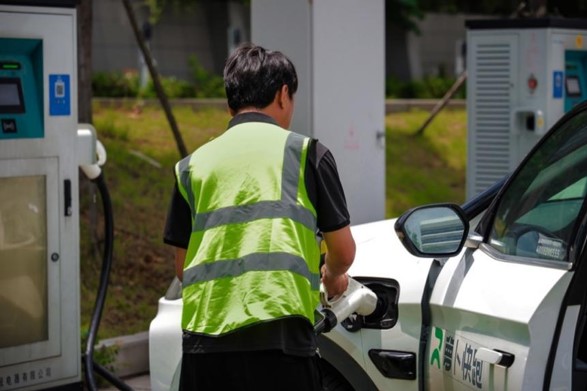
中国劳动和社会保障科学研究院:无人驾驶就业创造效应显著?
Huan Qiu Wang· 2025-11-20 02:05
Group 1 - The article emphasizes that the impact of artificial intelligence (AI) on employment is limited in terms of job replacement but significantly alters the employment structure, creating new types of jobs [1][2] - AI applications in areas like autonomous driving are expected to foster new industries in research, manufacturing, and application, leading to new employment growth points [1][2] - The Chinese government's "Artificial Intelligence+" initiative highlights the importance of integrating AI into various sectors, encouraging the exploration of new service models that combine autonomous and human services [1][2] Group 2 - The integration of autonomous driving with AI, 5G, and big data is seen as a key technological force driving the transformation of traditional industries, leading to high-quality digital industry clusters and more job opportunities [2] - There has been a significant increase in demand for AI-related positions, with job postings for roles such as algorithm engineers and data analysts showing over 100% year-on-year growth [2] - The recruitment demand in the autonomous driving sector is rising, with specific roles like intelligent driving R&D engineers and safety officers becoming highly sought after, often prioritizing candidates with experience in traditional driving roles [2] Group 3 - Systematic training of high-quality talent that meets the new productivity requirements is crucial for the healthy development of the industry, with companies like Luobo Kuaiyun integrating education and research to support the autonomous driving sector [4] - Luobo Kuaiyun is collaborating with universities to establish a talent cultivation system for autonomous driving and AI, providing essential support for the industry [4]
无人驾驶创造新质就业 武大等高校构建无人驾驶与人工智能专业人才培养体系
Shang Hai Zheng Quan Bao· 2025-11-19 10:37
Core Insights - The integration of autonomous driving vehicles into educational institutions aims to cultivate talent in the fields of autonomous driving and artificial intelligence, addressing the industry's demand for skilled professionals [1] - The article by Mo Rong emphasizes that artificial intelligence's impact on employment is limited in terms of job replacement but significantly alters job structures, creating new employment opportunities in emerging industries [1] - Autonomous driving technology is not merely replacing traditional driving jobs but is redefining work paradigms, leading to the emergence of new roles such as intelligent networked vehicle safety officers and data engineers [1] Industry Developments - Autonomous driving is deeply integrated with core technologies such as artificial intelligence, 5G, and big data, serving as a driving force for the transformation and upgrading of traditional industries [3] - The demand for new professions related to artificial intelligence is increasing, with 17 new job categories directly linked to AI, including intelligent networked vehicle testers and maintenance personnel [3] - Job demand in the autonomous driving sector is rising, with positions like intelligent driving R&D engineers and safety officers becoming highly sought after, and traditional drivers are being prioritized for recruitment to facilitate skill transitions [3]

《求是》杂志刊文:人工智能在无人驾驶领域渗透应用,形成就业新增长点
Yang Zi Wan Bao Wang· 2025-11-19 07:21
Core Insights - The article emphasizes that the impact of artificial intelligence (AI) on employment is limited in terms of job replacement but significantly alters the employment structure, creating a large number of "new quality jobs" [1] - The integration of AI in areas like autonomous driving is expected to generate new industries and job opportunities, such as roles in research, manufacturing, and application [1] - The Chinese government's policy support for AI, particularly in enhancing livelihoods through the "AI+" initiative, aims to foster new employment forms that combine automated and human services [1] Group 1: Employment Impact of AI - AI technology is not merely replacing traditional jobs but is redefining production tools, leading to new work paradigms such as human-machine collaboration [1][2] - The demand for AI-related positions, such as algorithm engineers and data analysts, is projected to grow significantly, with a year-on-year increase exceeding 100% for certain roles [3] - The autonomous driving sector is seeing a rise in recruitment for positions like intelligent driving engineers and safety personnel, with a preference for candidates with traditional driving experience to facilitate skill transformation [3] Group 2: Industry Development and Talent Cultivation - The autonomous driving industry integrates multiple core technologies, including AI, 5G, and big data, driving the transformation of traditional industries and creating high-quality digital industry clusters [2] - Companies like "Luobo Kuaipao" are actively engaging in deep collaboration with educational institutions to develop a talent pipeline for the autonomous driving sector, establishing practical education programs [3][4] - The "government-enterprise collaboration and industry-academia integration" model is expected to create a development loop that supports the emergence of high-quality employment opportunities [4]