时代变迁

Search documents
一碗红烧羊肉里的江南
Xin Lang Cai Jing· 2026-02-26 22:50
Core Insights - The article explores the cultural significance and evolution of red-braised lamb in Jiangnan, highlighting its transition from a ceremonial dish to a common household staple, reflecting broader societal changes [5][9] - The lamb industry in Huzhou has developed into a significant economic driver, with a complete industrial chain that includes breeding, processing, and tourism, contributing to local farmers' income [8] Group 1: Cultural Significance - Red-braised lamb is not merely a dish but a representation of regional culinary traditions and memories, deeply embedded in the local culture of Jiangnan [6][9] - The preparation methods and ingredients have evolved over time, showcasing the blend of northern and southern culinary practices, resulting in a unique flavor profile [6][7] Group 2: Economic Impact - The lamb industry in Huzhou has established a comprehensive industrial chain, generating an annual output value of 560 million yuan, significantly benefiting local farmers [8] - The average disposable income for farmers in Lushan Township reached 51,000 yuan last year, indicating the economic importance of the lamb industry in the region [8]


太原地标系列纪录片《桥见太原》|第六集:凝华
Xin Lang Cai Jing· 2026-02-22 03:30
Core Viewpoint - The bridge symbolizes the deep connection and historical significance of Taiyuan, serving as a witness to the city's evolution and future journey [2] Group 1 - The bridge has been a guardian of Taiyuan, supporting the city's history over time [2] - It reflects the passage of time and the development of the era, indicating its importance in the city's narrative [2] - The emotions and aspirations inscribed on the bridge will continue to flow through time, much like the Fen River [2]
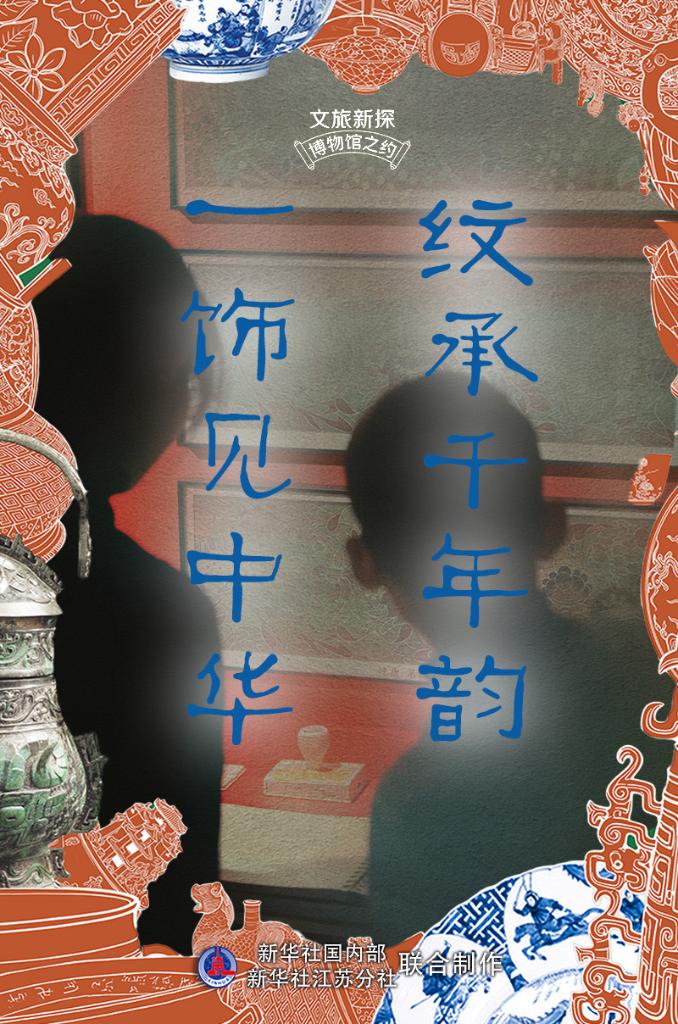
文旅新探·博物馆之约丨纹承千年韵,一饰见中华
Xin Lang Cai Jing· 2026-02-21 17:15
Core Viewpoint - The exhibition "Patterns of the Nine Provinces - Ancient Chinese Patterns and Designs" at the Jiangsu Wu Culture Museum showcases over 370 precious cultural relics from 29 cultural institutions across China, highlighting the evolution of patterns from the Neolithic era to the Ming and Qing dynasties, emphasizing the rich cultural heritage and aesthetic values of Chinese civilization [2][3][4]. Group 1 - The exhibition features a diverse range of artifacts including bronze, jade, gold and silver, ceramics, and clothing, allowing the public to experience the vibrant pulse of civilization through lines and colors [2]. - The exhibition is structured into four chapters: Qi, Li, Guang, and Hua, connecting the evolution of patterns across different materials and regions, facilitating a dialogue among various artistic expressions [2][4]. - The exhibition aims to be informative without the need for guides, providing detailed descriptions and historical contexts for each artifact, and showcasing the evolution of patterns through time [4]. Group 2 - The exhibition has attracted significant interest, with visitors returning multiple times due to the extensive information presented, indicating a high level of engagement with the content [4][5]. - The museum has integrated a stamp collection activity into the exhibition, allowing visitors to collect stamps based on the patterns displayed, enhancing the interactive experience [4][5]. - Since its opening on December 30, 2025, the exhibition has received 92,000 visitors, reflecting the public's enthusiasm for traditional culture and its connection to contemporary emotions and memories [5].
大学生写家史︱一家一世界,一日一百年
Xin Lang Cai Jing· 2026-02-08 00:58
Group 1 - The article reflects on the personal history and experiences of a family, emphasizing the importance of storytelling and memory in understanding one's roots and heritage [1][54] - The narrative captures the emotional connection between generations, highlighting the struggles and resilience of the grandparents during historical events such as the war [10][13][17] - The author discusses the mundane yet profound aspects of family life, illustrating how daily interactions and shared meals contribute to the family's identity [9][10][19] Group 2 - The text explores the themes of aging and the passage of time, particularly focusing on the grandparents' reflections on their lives and the inevitability of death [22][24][25] - It addresses the societal changes over generations, contrasting the past experiences of the grandparents with the current lifestyle of the younger generation [12][39][53] - The narrative also touches on the significance of familial bonds and the emotional weight of caring for elderly relatives, as well as the challenges faced in communication due to aging [22][24][50]

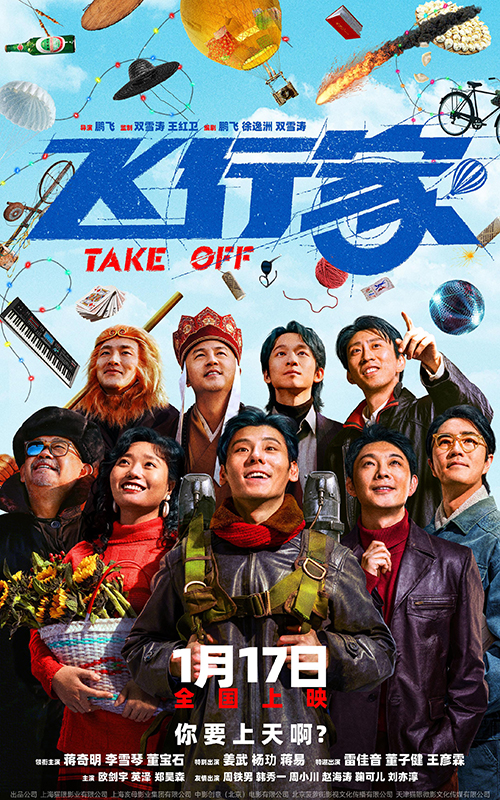
一个普通工人的飞行梦想,蒋奇明和李雪琴联手演绎东北故事
Di Yi Cai Jing· 2026-02-07 04:08
Core Viewpoint - The film "The Aviator" reflects the journey of an ordinary worker, Li Mingqi, who pursues his dream of flying amidst the socio-economic changes in China from the 1970s to the 1990s, achieving both commercial success and artistic acclaim [1][11]. Summary by Sections Film Overview - "The Aviator" has grossed over 67 million yuan and received a Douban score of 7.2, indicating a blend of market popularity and artistic recognition [1]. - The film is adapted from a novel by Shuang Xuetao and directed by Peng Fei, focusing on the life of Li Mingqi, who embodies the struggles and aspirations of ordinary people during significant historical transitions [3][4]. Narrative and Themes - The narrative is characterized by a lack of grand heroic tales, instead portraying the persistent dreams of ordinary individuals against the backdrop of societal changes, including state-owned enterprise reforms and the cultural shifts of the disco era [3][4]. - The film emphasizes the importance of personal dreams and resilience, with Li Mingqi's journey symbolizing a gentle rebellion against the weight of societal expectations [3][7]. Character Development - Li Mingqi's character is depicted through his relationships, particularly with his wife, Gao Yafeng, showcasing the emotional complexities of family ties and personal aspirations [5][7]. - The film presents a more relatable version of failure, focusing on the emotional and psychological burdens of ordinary people rather than the stark loneliness of failure depicted in the original novel [9]. Cinematic Techniques - The film's production involved a lengthy process of four to five years for script development and 52 days of shooting, with a focus on creating a narrative that spans three decades, reflecting the evolution of Li Mingqi's flying dreams [4][11]. - The visual storytelling incorporates real-life elements, such as extreme weather conditions and practical effects, to enhance the authenticity of the flying scenes [14][15]. Conclusion and Impact - "The Aviator" marks a significant shift for director Peng Fei towards commercial filmmaking, achieving the highest box office performance of his career and indicating a successful transition from art-house to mainstream cinema [10][11]. - The film concludes on a hopeful note, contrasting with the original novel's more ambiguous ending, aiming to inspire audiences to find courage in the face of adversity [15].
告别最后一班始发“绿皮火车” 百年广州站全面迈入高铁时代
Xin Hua She· 2026-01-25 10:11
Core Viewpoint - The Guangzhou Railway Station has officially transitioned from conventional train services to high-speed rail operations, marking a significant milestone in its 115-year history, with the new train operation schedule taking effect on January 26 [1] Group 1: Transition to High-Speed Rail - The new operational model at Guangzhou Railway Station reflects a shift to high-speed rail, with daily operations of 208 high-speed trains extending service to regions including North China, Northwest, and Southwest [1] - The station will achieve a 15-minute interconnectivity with Guangzhou South Station, enhancing the transportation network in the Guangdong-Hong Kong-Macao Greater Bay Area [1] Group 2: Historical Significance and Public Sentiment - The transition from conventional trains to high-speed rail symbolizes the rapid development of China's railway system and the changing times, with historical significance tied to the migration waves of the 1980s [1] - Public sentiment is strong regarding the last conventional "green train," with many expressing nostalgia and personal connections to the station, highlighting its role in their life journeys [2]
白酒信仰松动?但斌向左,林园向右
Sou Hu Cai Jing· 2025-12-26 06:30
Core Viewpoint - The investment logic for high-end liquor has fundamentally changed, as highlighted by contrasting views from prominent investors in the industry [1][2]. Group 1: Diverging Investment Perspectives - Lin Yuan emphasizes the "monopoly" aspect of high-end liquor, viewing it as a cash cow due to its addictive nature, cultural significance, and social currency, suggesting that long-term investments in leading companies will yield returns that cover costs [2]. - Dan Bin expresses concern over structural challenges in the market, including a cooling real estate sector and changing social dynamics, leading him to shift investments from traditional liquor companies to tech firms like Nvidia [2]. Group 2: Industry Performance and Trends - The liquor industry is undergoing a severe "stress test," with a significant decline in revenue, net profit, and cash returns, all dropping approximately 20% year-on-year, marking the highest decline in 12 years [3]. - The industry is experiencing unprecedented concentration, with a reduction of 102 small-scale liquor companies in the first half of the year, while leading brands like Moutai and Wuliangye are increasing their market share and profit margins [4]. Group 3: Embracing Technology - The liquor industry is not necessarily in competition with AI; rather, it is beginning to integrate AI technologies into its operations, such as using smart systems for fermentation monitoring and data-driven sales and inventory management [5]. - The real challenge for the liquor industry lies in overcoming its own complacency and stagnation, as consumer needs evolve, while the fundamental human desire for social recognition and emotional connection remains unchanged [6].


中国正能量|手绘长图:指尖聚光,让奋进力量直抵人心
Huan Qiu Wang· 2025-12-25 09:21
Group 1 - The event "2025 China Positive Energy Network Boutique Exhibition" has been officially launched, focusing on the theme "You Strive, China Advances," aiming to collect and showcase impactful positive energy content [1] - The initiative encourages participation from diverse creators, transforming the network space into a vibrant platform for collective voices, as seen during the 15th National Games and the 13th World Games [2][4] - The positive energy content reflects the spirit of the times, showcasing significant achievements in technology and innovation, such as the DEEPSEEK AI model and advancements in quantum computing [6][9] Group 2 - The narrative of China's progress is illustrated through various real-life stories, including efficient logistics by delivery personnel and the global sales of agricultural products through cross-border e-commerce [8] - Technological innovations, such as the CR450 high-speed train achieving a record speed of 453 km/h, serve as emotional connections between content and audiences, enhancing engagement [10][11]

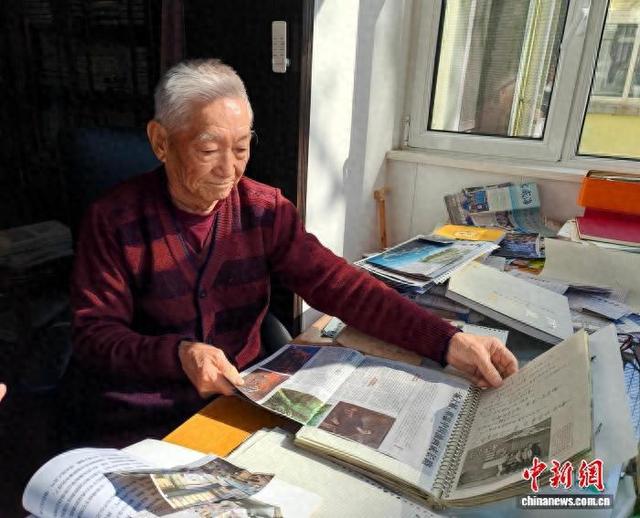
从粮票时代到数字生活 山西八旬老人的“时光长卷”
Zhong Guo Xin Wen Wang· 2025-11-28 12:41
Core Viewpoint - The article highlights the life and work of 83-year-old Guo Yong'an, who has been documenting his life through diaries for 61 years, showcasing the evolution of personal, familial, and national history through his meticulous records [1][3][8]. Group 1: Personal Journey - Guo Yong'an, born in 1942, began his diary-keeping habit in 1964, emphasizing the importance of recording memories with the saying "A good memory is not as good as a bad pen" [3][5]. - After retiring in 2004, Guo increased his diary entries from one per month to four, and later added digital records, resulting in a total of five diaries per month, amounting to 60 per year [5][7]. Group 2: Documentation of Change - Guo's diaries reflect significant societal changes, from the use of grain tickets in 1983 to the introduction of high-speed trains in 2009, illustrating the progress of the times [7]. - His diary entries include a mix of newspaper clippings, personal notes, and digital content, showcasing a transition from traditional to modern documentation methods [5][7]. Group 3: Artistic Presentation - The diaries are artistically arranged, resembling professional art books, with creative layouts that include large images, fold-out pages, and hand-drawn titles, demonstrating Guo's background in stage art [7][8]. - Personal touches, such as notes from his spouse, add warmth and life to the records, making them not just historical documents but also cherished family memories [7][8].
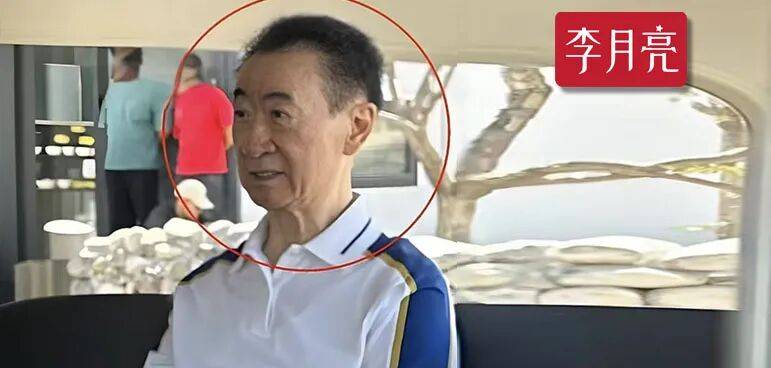
首富王健林,怎么混成这样了?
Sou Hu Cai Jing· 2025-10-03 13:04
Group 1 - Wang Jianlin, the founder of Wanda Group, has been restricted from high consumption due to a failure to fulfill a debt of 186 million, leading to his designation as an "executed person" [3][5] - The restriction means he cannot travel in first class, stay in luxury hotels, or use private jets, complicating his financing and loan processes [5] - Despite the recent lifting of the restriction, Wanda Group has 10 execution records totaling approximately 5.262 billion, along with 47 frozen equity records, indicating ongoing financial troubles for Wang Jianlin [5] Group 2 - Wanda Group's debt crisis has been ongoing, with total liabilities reaching 300 billion, including interest-bearing debt of 137.5 billion and annual interest payments of 13 billion, while cash on hand is only 13.3 billion [13] - To manage debt, Wang Jianlin has sold numerous assets, including 13 cultural tourism projects, 77 hotels, and 85 Wanda Plazas, raising over 52 billion this year alone, yet the debt remains a significant burden [13] - Many prime locations of Wanda Plazas have had their revenue rights seized, and 9.4 billion in equity has been frozen, limiting options for asset liquidation and financial recovery [13] Group 3 - The article reflects on the dramatic rise and fall of Wang Jianlin and his son Wang Sicong, contrasting their past prominence with their current struggles [18][19] - The narrative highlights the broader theme of fluctuating fortunes among prominent figures in the business world, emphasizing that success can be fleeting and subject to change over time [27][28]