
智慧化监管

Search documents
(新春走基层)湖北宜昌:“水上春运”有智慧、有温度
Xin Lang Cai Jing· 2026-02-19 05:36
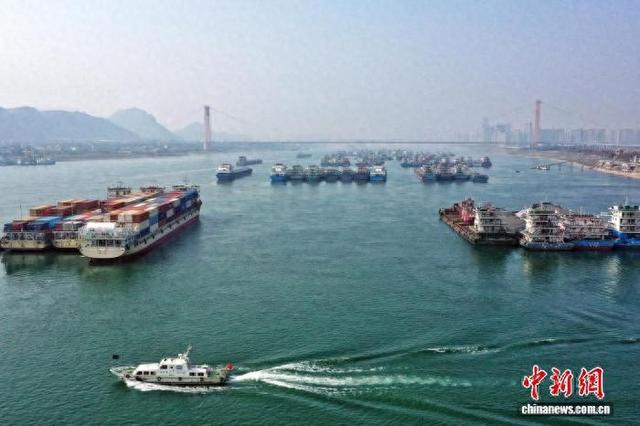
Core Viewpoint - The article highlights the implementation of the "Intelligent Management Platform" for waterway transportation in Yichang, Hubei, which enhances the efficiency and safety of maritime operations during the busy Spring Festival travel period. Group 1: Intelligent Management Platform - The "Intelligent Management Platform" allows real-time monitoring of vessel movements and waiting dynamics, providing comprehensive oversight of key water areas [1][3] - The platform integrates historical navigation data, environmental records, and fleet distribution, improving regulatory efficiency compared to traditional methods [3] - The system has enabled the Yichang Maritime Bureau to proactively identify and address over 150 abnormal vessel situations since 2025, preventing more than 50 potential accidents [5] Group 2: Traffic Management and Safety - During the Spring Festival, the Yichang section of the Yangtze River sees an average of 600 vessels waiting to pass daily, with approximately 12,000 passengers and over 2,500 vehicles transported [3] - The establishment of a modernized water traffic management and integrated command system has been achieved, with over 200 high-definition cameras providing full coverage of the area [3][5] - The development of an integrated platform for the organization of vessel traffic has streamlined the process, allowing vessels to only need to relocate once from anchorage to passing through the dam, enhancing safety and efficiency [5]

坚持“三因”导向,切实提升农村生活污水治理成效
Zhong Guo Huan Jing Bao· 2026-02-12 03:11
Group 1 - The core viewpoint of the articles emphasizes the need for tailored approaches in rural wastewater management, highlighting the challenges and the necessity for effective governance and funding mechanisms [1][2][3] Group 2 - Rural wastewater management has shown significant improvement due to policies like the "Action Plan for Rural Pollution Control," but issues such as inadequate infrastructure and maintenance persist [1] - The management of rural wastewater is characterized by its decentralized nature and the need for diverse funding sources, with a call for a multi-faceted investment mechanism to address financial gaps [2] - There is a shift in focus from construction to management, advocating for clear responsibilities among local governments and the introduction of professional operation and maintenance services to ensure long-term facility functionality [3]
2025年最后一场国常会,为何部署这项重要议题?
2 1 Shi Ji Jing Ji Bao Dao· 2026-01-01 07:16
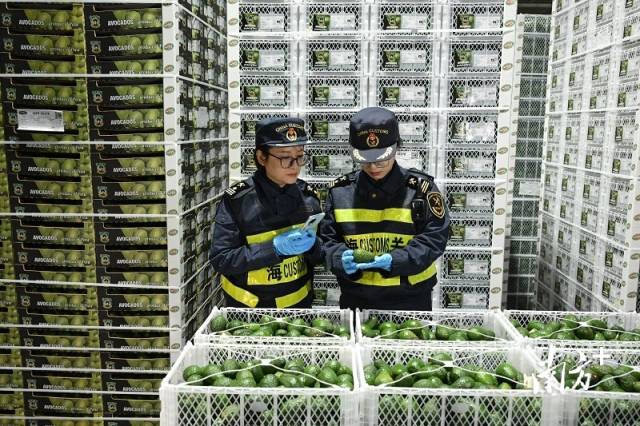
Core Insights - The State Council's meeting on December 31, 2025, emphasized the promotion of cross-border trade facilitation policies, aiming to enhance logistics efficiency, support green trade and cross-border e-commerce, and improve regulatory services [1][11] - The "14th Five-Year Plan" period has seen the introduction of 108 reform measures to facilitate cross-border trade, which have been well-received by businesses [1][11] Group 1: Policy Initiatives - A special action for cross-border trade facilitation was launched on April 24, 2025, covering 25 pilot cities and introducing 29 measures across five areas, including logistics and digital trade [3][14] - The Guangdong Customs has implemented 60 specific measures to expand the initiative from three cities to 21 cities in the province [3][14] - The World Bank's survey in April 2025 ranked China's customs and trade regulations as the best among 53 economies, highlighting improvements in customs procedures [4][15] Group 2: Logistics and Efficiency - The "One Port Pass" regulatory model in the Guangdong-Hong Kong-Macao Greater Bay Area has reduced cargo transfer times from 5-7 days to 2-3 days [5][15] - Fresh fruits from Thailand and Vietnam can now reach Guangzhou in as little as 7 hours and Beijing in 30 hours due to newly established green channels [5][15] - The international trade "single window" system has registered over 11 million users, streamlining cross-border trade processes [19] Group 3: Future Outlook - The meeting highlighted the need to enhance smart regulatory services and promote green trade, with predictions that the global market for electric vehicles and renewable energy technologies could reach $2.1 trillion by 2030 [16] - The export of green products, such as wind power equipment and solar products, has shown significant growth, with wind power components growing over 30% and solar exports exceeding 200 billion yuan for four consecutive years [6][16] - Experts suggest that expanding the pilot experiences of cross-border trade facilitation into national policies will further reduce transaction costs and enhance efficiency [10][20]
创新机制治出一泓碧水
Xin Lang Cai Jing· 2025-12-28 23:34
Core Viewpoint - The article discusses the comprehensive water quality improvement efforts in the Meixi River basin in Fuzhou, highlighting successful initiatives that have led to significant enhancements in water quality and ecosystem health [1][9]. Group 1: Systematic Governance - The governance of the Meixi River basin is described as a systematic project, moving from fragmented approaches to a unified strategy, addressing long-standing pollution issues through comprehensive measures [2]. - A detailed implementation plan for water quality improvement was developed, focusing on emergency, short-term, and long-term governance measures [2]. - The renovation of 12 overflow outlets, particularly in densely populated areas, has been crucial in separating rainwater and sewage to improve overall water quality [2]. Group 2: Targeted Actions - The establishment of ten task forces in the Taizhuang Town has led to the effective management of 28 illegal livestock farms, aiming for complete remediation [3]. - Training programs for reducing fertilizer use and implementing agricultural best practices have been initiated to minimize pollution from the production side [3]. - A comprehensive monitoring database has been created to track water quality and pollution sources, enhancing accountability and oversight [3]. Group 3: Innovative Compensation Mechanisms - A new horizontal ecological compensation system has been introduced, incentivizing upstream towns to maintain water quality standards, with financial rewards for compliance and penalties for violations [4][5]. - The compensation mechanism has shifted the mindset from "I have to treat" to "I want to treat," fostering a proactive approach to water quality management [5]. Group 4: Technological Empowerment - The use of modern technology for real-time water quality monitoring has been implemented, allowing for precise detection of pollution events [7]. - A network of 15 automatic water quality monitoring stations has been established, providing continuous data to inform management decisions [7]. - The integration of drone technology and ground inspections has facilitated the identification and rectification of over 600 environmental issues [8]. Group 5: Enforcement and Future Plans - A specialized environmental enforcement team has been formed to ensure compliance among livestock farms and to address illegal discharges effectively [8]. - A second phase of the water quality improvement plan has been developed, focusing on long-term governance and emergency response capabilities [8]. - As of November, the average total phosphorus level at the national control section of Meixi has decreased by 33.3% compared to the previous year, indicating a clear trend of water quality improvement [8].
新疆乌苏市市场监管局“主动服务、源头防控”创新监管模式 开展校园食堂新建项目事前介入指导工作
Zhong Guo Shi Pin Wang· 2025-11-24 10:28
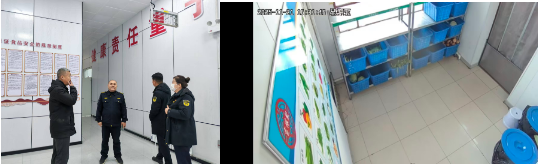
Core Viewpoint - The Urumqi Market Supervision Administration is implementing an innovative regulatory model that shifts from passive regulation to proactive service and source prevention, focusing on food safety in school canteens during the design and construction phases [1][3]. Group 1: Proactive Regulation - The administration has engaged in pre-intervention guidance for the new canteen project at the Urumqi Technical School, ensuring compliance with the Food Safety Law and relevant standards [3]. - This proactive approach includes reviewing canteen blueprints, planning layouts, and ensuring hardware and equipment meet safety requirements, facilitating the efficient processing of food business licenses post-construction [3]. Group 2: Smart Supervision - The Urumqi Market Supervision Administration is utilizing the "Qianliyan" smart supervision platform and mobile app for real-time monitoring of food processing operations in school canteens and restaurants [4]. - Key areas such as personnel management, ingredient procurement, cooking processes, and sanitation are under comprehensive surveillance, ensuring traceability and accountability in food safety [4]. - The implementation of smart supervision aims to integrate information technology with food safety regulation, addressing the mismatch between regulatory capacity and tasks, and enhancing overall food safety measures [4].
泰山景区双节严管旅游经营:明码标价全覆盖,AI维权快速响应
Qi Lu Wan Bao Wang· 2025-09-28 11:26
Group 1 - The core viewpoint of the article is the measures taken by the Tai'an Scenic Area to ensure a safe and orderly tourism environment during the National Day and Mid-Autumn Festival holidays in 2025 [1] Group 2 - The Tai'an Scenic Area is implementing a tourism market order enhancement action, focusing on three main areas: strengthening publicity and guidance, conducting special governance, and innovating consumer rights protection mechanisms [1][2] Group 3 - To strengthen the integrity of business operations, the scenic area is providing specialized training for operating units and using various administrative methods to ensure compliance with pricing and service commitments [1] - A special rectification action is being conducted to address consumer concerns, particularly in pricing and food safety, with over 20,000 new price tags and 600 price reminder notices distributed [2] - The scenic area is enhancing visitor service experience by promoting smart regulatory measures, including AI-assisted consumer rights protection and a rapid response mechanism for complaints [2]
上海海关助力智慧化退税与旅检 创新监管支持洋山港|活力中国调研行
Di Yi Cai Jing· 2025-09-11 14:05
Core Insights - The "Vibrant China Research Tour" highlighted advancements in smart services at Shanghai Pudong International Airport, including self-service tax refund terminals and intelligent baggage handling robots [1][2] - Shanghai Customs has innovated regulatory support to enhance the fuel supply capabilities for bonded vessels at Yangshan Port, which is the first port in China to offer multiple fuel types [3][4] Group 1: Smart Services at the Airport - The self-service tax refund terminals allow travelers to complete refund procedures quickly and conveniently, enhancing operational efficiency at the airport [1] - Intelligent collaboration robots are utilized for baggage transport, featuring autonomous navigation and multi-functional recognition, which improves the speed and accuracy of logistics operations [2] - From January to August this year, Pudong Airport Customs managed 25 million inbound and outbound travelers, a 20% increase year-on-year, with international transit passengers growing by 26% [2] Group 2: Cross-Border E-commerce Growth - Cross-border e-commerce at Shanghai Pudong International Airport is projected to reach 477,700 tons in 2024, marking a 30% year-on-year increase, making it the leading air port for such activities in China [3] - As of January to August 2025, the airport has already handled 379,800 tons of cross-border e-commerce, reflecting a 30.1% increase [3] Group 3: Fuel Supply Innovations - Yangshan Port has developed capabilities for supplying liquefied natural gas (LNG), green methanol, biofuel oil, and ultra-low sulfur marine fuel oil, aligning with international maritime regulations [3][4] - Shanghai Customs has implemented a collaborative mechanism to streamline the approval process for ultra-low sulfur fuel oil, significantly reducing the time required for fuel oil logistics [4] - The regulatory model employs a "dual warehouse function" approach, cutting the time for fuel oil entry and exit by over 50%, enhancing global competitiveness [4]
筑牢安全堤 织密防护网——安全生产治本攻坚三年行动一线观察
Xin Hua Wang· 2025-08-15 16:33
Core Viewpoint - The article discusses the ongoing three-year action plan initiated by the State Council to enhance safety production, aiming to prevent major accidents and improve safety standards across various sectors in China [1]. Group 1: Regulatory Collaboration - Collaborative efforts among regulatory departments are crucial for safety development, exemplified by the digital monitoring of welding operations in Jiangxi, which has effectively curtailed unsafe practices [2]. - The implementation of a digital regulatory platform has led to a 62% year-on-year decrease in electric bicycle fire incidents in Tianjin, showcasing the effectiveness of comprehensive safety oversight [2]. Group 2: Hazard Identification and Mitigation - The introduction of automated systems in production facilities, such as at Zhejiang Chuhua Fluorochemical Co., has eliminated manual operations, reducing risks associated with human error [3]. - Innovations in wireless charging technology for electric bicycles have been developed to minimize fire hazards, alongside a digital platform for monitoring the entire production process of charging stations [3]. Group 3: Community Engagement in Safety - Community initiatives, such as the formation of emergency response teams in Zhejiang, have actively engaged local volunteers and residents in identifying and addressing safety hazards [4]. - Educational programs in communities, like safety knowledge lectures in Tianjin, aim to raise awareness about the safe use of electric bicycles [4]. Group 4: Nationwide Safety Improvements - Since the launch of the three-year action plan, significant safety measures have been implemented, including the establishment of 63 major accident hazard identification standards and the installation of early fire alarm systems in numerous facilities [5]. - By mid-2025, it is projected that the number of production safety incidents and fatalities will decrease by 22.9% and 17.8% respectively, reflecting the effectiveness of the ongoing safety initiatives [5].