质量强区

Search documents
质量引领 质效共升
Zhong Guo Zhi Liang Xin Wen Wang· 2026-01-14 07:01
Core Viewpoint - The article highlights the achievements of the Shaoling District in Luoyang, Henan Province, in promoting high-quality development through a quality-driven strategy, showcasing significant improvements in various industries and quality standards [1][2][4]. Group 1: Industry Performance - The food industry in Shaoling District has an output value exceeding 8 billion yuan, while the pet economy surpasses 1.5 billion yuan, and the equipment manufacturing industry approaches 4 billion yuan [1]. - The district aims for a three-year industrial scale to exceed 80 billion yuan, with a standard coverage rate of 98% and a 30% increase in the number of well-known brands [2]. - The agricultural product safety inspection pass rate is reported at 99.2%, with 107 production entities included in the national agricultural product quality safety traceability platform [2]. Group 2: Quality Infrastructure and Support - Shaoling District has established a testing and inspection system covering over 1,200 parameters, supporting 156 enterprises and resolving 238 quality issues, saving over 5 million yuan in production costs [3]. - The district has implemented "smart supervision" in 2,150 catering units, increasing the detection rate of violations by 80% compared to traditional methods [3]. - The establishment of 35 smart cold storage facilities and 42 industrial enterprises with "smart workshops" enhances real-time product quality monitoring and traceability [3]. Group 3: Brand Development and Community Engagement - The district has developed a multi-tiered brand matrix, including one provincial quality award-winning enterprise and 19 municipal quality award-winning enterprises [4]. - Local specialty products like Baizhuang sweet potatoes have achieved an annual output value of over 12 million yuan, contributing to the brand growth [4]. - Community engagement is evident with 86 promotional activities conducted, involving 50,000 participants, and a high complaint resolution rate of 99.5% [4].

“高新质造”持续“突围” 高新区特色产业发展成果坚实可感
Qi Lu Wan Bao· 2026-01-13 02:27
Core Insights - The article highlights the development strategy of Binzhou High-tech Zone, focusing on the "home textile + health" industry as the core, supported by high-end equipment and biotechnology, while exploring low-altitude economy as a future growth area [1] Group 1: Industry Development Strategy - Binzhou High-tech Zone has adopted a unique development path of "refining small industries and strengthening large industries" to ensure high-quality development across various sectors [1] - The market supervision bureau has implemented a "quality strong zone" strategy to promote "high-quality manufacturing" in market competition [1] Group 2: Quality Improvement Initiatives - The establishment of an "industry quality portrait" mechanism allows for tailored strategies for different industries, enhancing the smart and high-end transformation of the home textile industry and ensuring safety in the health sector [2] - Over the past three years, the region has provided more than 1 million yuan in quality brand subsidies, stimulating enterprises to pursue excellence and create brands [2] Group 3: Brand Development and Innovation - The "Good Products Shandong" brand initiative has led to a significant increase in the number of provincial high-end brand cultivation enterprises, with an annual growth rate of 35% [3] - Companies like Yuyue Home Textile have transitioned from textile manufacturers to life science enterprises, developing new materials to enhance life quality and participating in drafting national standards [3] Group 4: Talent and Quality Management - The implementation of the "Chief Quality Officer" system in over 50 key enterprises has improved quality governance capabilities, with a reported 18% reduction in average quality loss rates [4] - Collaborative mechanisms between enterprises and research institutions have led to the resolution of over 70 quality control challenges, enhancing product quality and compliance rates [4] Group 5: Future Outlook - The focus on quality is transforming into tangible industrial competitiveness and regional attractiveness, with plans to deepen the "quality strong zone" initiative [5] - The goal is to make quality a core driver of high-quality development, expanding the reach of "high-quality manufacturing" beyond Shandong [5]
宁夏务实高效谋划“怎么干”
Xin Lang Cai Jing· 2026-01-06 02:56
Group 1 - The meeting emphasized the implementation of fair competition policies, with a focus on creating a fair and just development environment for business entities by 2026 [1] - There will be an upgrade in the cultivation strategy for business entities, including reforms in deregistration processes and enhanced protection of intellectual property and trade secrets [1] - Increased regulatory efforts will be directed towards the platform economy, specifically targeting live streaming platforms and related entities to address issues that undermine fair competition and harm the rights of merchants and consumers [1] Group 2 - The meeting highlighted the importance of safety regulation in the "three products and one specialty" sector, stressing the need for detailed implementation [2] - There will be initiatives to enhance food safety, strengthen drug market regulation, and manage industrial product production licenses, ensuring the safety of people's lives and property [2]
深圳市坪山区高水平推进质量强区工作
Zhong Guo Zhi Liang Xin Wen Wang· 2025-11-28 14:13
Core Viewpoint - The Pingshan District in Shenzhen is actively promoting a "Quality Strong District" initiative, integrating quality improvement into its key industrial clusters, and has been recognized for its efforts in a white paper on quality enhancement [1][3]. Group 1: Quality Improvement Initiatives - Pingshan District has incorporated quality enhancement into its "6+3" industrial cluster strategy, focusing on smart vehicles, innovative pharmaceuticals, and Chinese chips [3]. - The district has established a comprehensive quality policy system, launched quality improvement initiatives in parks, and developed quality talent and infrastructure [3]. - A total of 15 key tasks and 45 detailed measures have been outlined in the quality enhancement plan, with ongoing quality surveys in education and healthcare sectors [3]. Group 2: Industry Collaboration - The district is exploring pilot projects for quality improvement in specialized industrial parks and has developed a "six-star" quality management service evaluation system [5]. - Leading companies like BYD are being guided to undertake national and provincial quality technology projects, enhancing quality control capabilities across the supply chain [5]. Group 3: Enterprise Engagement - Training programs for chief quality officers have been organized, resulting in 553 qualified individuals from high-growth enterprises [6]. - BYD's quality management practices have been recognized as a national model, and several local companies have received prestigious awards for their innovations [6]. Group 4: Technological Support - Pingshan District is enhancing its quality infrastructure by introducing leading automotive testing and certification organizations and establishing a comprehensive traffic testing base [8]. - The district aims to improve the quality of biomedicine and medical devices by setting up key laboratories and testing centers [8]. Group 5: Future Plans - The district plans to further refine its industrial quality policy framework, focusing on new energy and innovative pharmaceuticals [9]. - There will be an emphasis on collaborative standard development and quality enhancement in critical sectors like automotive chips and medical devices [9].



让县域发展更有“质感” 山东青岛崂山区获批全国首批“城市间质量合作互助”创新试点
Zhong Guo Zhi Liang Xin Wen Wang· 2025-11-04 04:34
Core Viewpoint - The successful selection of Laoshan District in Qingdao as a national pilot for quality enhancement signifies a critical step in its quality-driven development strategy, emphasizing the importance of quality in regional growth and collaboration with other regions [1][2]. Group 1: Quality Development Initiatives - Laoshan District has established a dedicated task force led by the district head to implement a specific plan for quality enhancement, which includes training and collaboration with other regions [1]. - The district has initiated a quality award program with a maximum reward of 3 million yuan, and has disbursed over 50 million yuan in quality-related funding in recent years [1]. - The area has been recognized for its quality achievements, including the China Quality Award and multiple provincial and municipal quality awards, maintaining an A-class rating in quality assessments for six consecutive years [1]. Group 2: Innovation and Industry Development - The district is focusing on a "science-industry integration + financial empowerment" model to stimulate new momentum for quality development, with a modern industrial structure of "7+4+1" [2]. - Key industries such as virtual reality and artificial intelligence are projected to exceed 100 billion yuan in scale, with support for leading companies like Haier Group [2]. - Laoshan District has established a diverse investment and financing system, with 15 listed companies and a total market value of over 300 billion yuan [2]. Group 3: Quality Assurance and Standards - The district has formed a collaborative innovation alliance involving 25 universities and research institutions to enhance technological cooperation and establish high-level laboratories [3]. - A one-stop service platform for quality infrastructure has been created, serving over 1,300 enterprises and integrating 157 service institutions [3]. - The district has actively participated in the formulation of nearly 1,500 international and national standards, receiving over 40 million yuan in innovation incentive funding [3]. Group 4: Brand Development and Image Building - Laoshan District has been recognized as a national all-region tourism demonstration area and has developed a brand matrix for "Laoshan Quality," enhancing its regional brand strength [4]. - The district has cultivated 60 provincial high-end brands and 18 "Good Products of Shandong" enterprises, reflecting a significant improvement in brand recognition [4]. - Future plans include enhancing the quality of life for residents through improved safety in food and medicine, as well as better housing, healthcare, and education services [4].
吴江崛起“金字塔式”质量品牌矩阵
Su Zhou Ri Bao· 2025-09-23 00:31
Group 1 - The fifth China Quality Award was awarded to Jiangsu Hengtong Optic-Electric Co., marking a significant milestone for Wujiang in promoting quality-driven industrial development [1] - Wujiang has established a "pyramid" quality brand matrix, with one company winning the China Quality Award, seven receiving provincial quality awards, and fourteen obtaining municipal quality awards [4] - Hengtong Optic-Electric is the only company in China covering the entire industry chain from cable manufacturing to deep-sea operation, maintaining a leading market share in marine communication [2][4] Group 2 - Wujiang's enterprises have integrated quality into their development, with a focus on digital transformation to enhance quality management across various industries [5][7] - The district has implemented a "three-step" strategy to promote digital quality management, aiming to cover the entire industry lifecycle [7][8] - Wujiang has achieved significant improvements in quality management, with a consumer quality pass rate exceeding 97% and a record of zero accidents in food safety for four consecutive years [10][11] Group 3 - The local government has initiated multiple national and provincial quality innovation pilot projects, including quality enhancement in the optical communication industry and digital quality management demonstrations [11] - Wujiang's quality improvement strategies are deeply embedded in urban development, influencing various aspects of daily life, from food safety to healthcare services [9][10] - The region's commitment to quality is reflected in its comprehensive regulatory framework and collaborative efforts across multiple departments to ensure safety and quality standards [10]

“宁”聚创新 “质”赢未来——江苏南京加快打造以质量赋能新质生产力发展的重要阵地
Zhong Guo Zhi Liang Xin Wen Wang· 2025-09-12 04:44
Core Viewpoint - Nanjing is committed to quality improvement as a key driver for innovation and development, establishing itself as a model city for quality enhancement in various sectors [1][18]. Quality-Driven Enterprises - Nanjing promotes quality-driven enterprises through policies that encourage participation in quality awards and the establishment of a quality credit rating system, resulting in 70 enterprises receiving "Jiangsu Quality" certification [2][4]. - The city has recognized 34 enterprises and 26 individuals with the Mayor's Quality Award, covering key sectors such as software, smart grids, and biomedicine [2]. Quality Service Hubs - The "Quality Station" initiative provides comprehensive services including measurement, standards, certification, and intellectual property support to over 20,000 small and micro enterprises [3][8]. - Nanjing has established 140 high-value patent cultivation demonstration centers, ranking third in the nation for the number of high-value patents [4]. Quality Chain Strengthening - Nanjing focuses on enhancing quality as a foundation for industrial advancement, aiming to build a robust industrial ecosystem through quality improvement initiatives [5][6]. - The city has implemented a strategic plan to develop advanced manufacturing clusters, with a goal of creating multiple billion-dollar industry clusters [5]. Quality and Innovation Integration - Nanjing fosters collaboration among manufacturers, research institutions, and users to create quality innovation alliances, enhancing the competitiveness of its industrial quality [6][19]. - The city has established 63 innovation alliances, driving breakthroughs in key technologies across various industries [6]. Regional Quality Development - Nanjing integrates quality concepts into regional development, with districts like Jianye and Pukou recognized for their quality initiatives [8][9]. - The city emphasizes public safety and consumer protection, achieving a 95% compliance rate in quality supervision for consumer goods [9]. Brand Empowerment in Agriculture - Nanjing promotes agricultural brand development to enhance quality and drive rural revitalization, with several local products gaining national recognition [10]. Quality Awareness and Education - The city fosters a culture of quality through community engagement and educational initiatives, ensuring that quality becomes a fundamental aspect of daily life [11]. Quality Infrastructure Development - Nanjing enhances its quality infrastructure by establishing standards, measurement systems, and testing services to support industrial growth [15][16][17]. - The city has developed a comprehensive testing and certification service network, facilitating quality control for various industries [17].
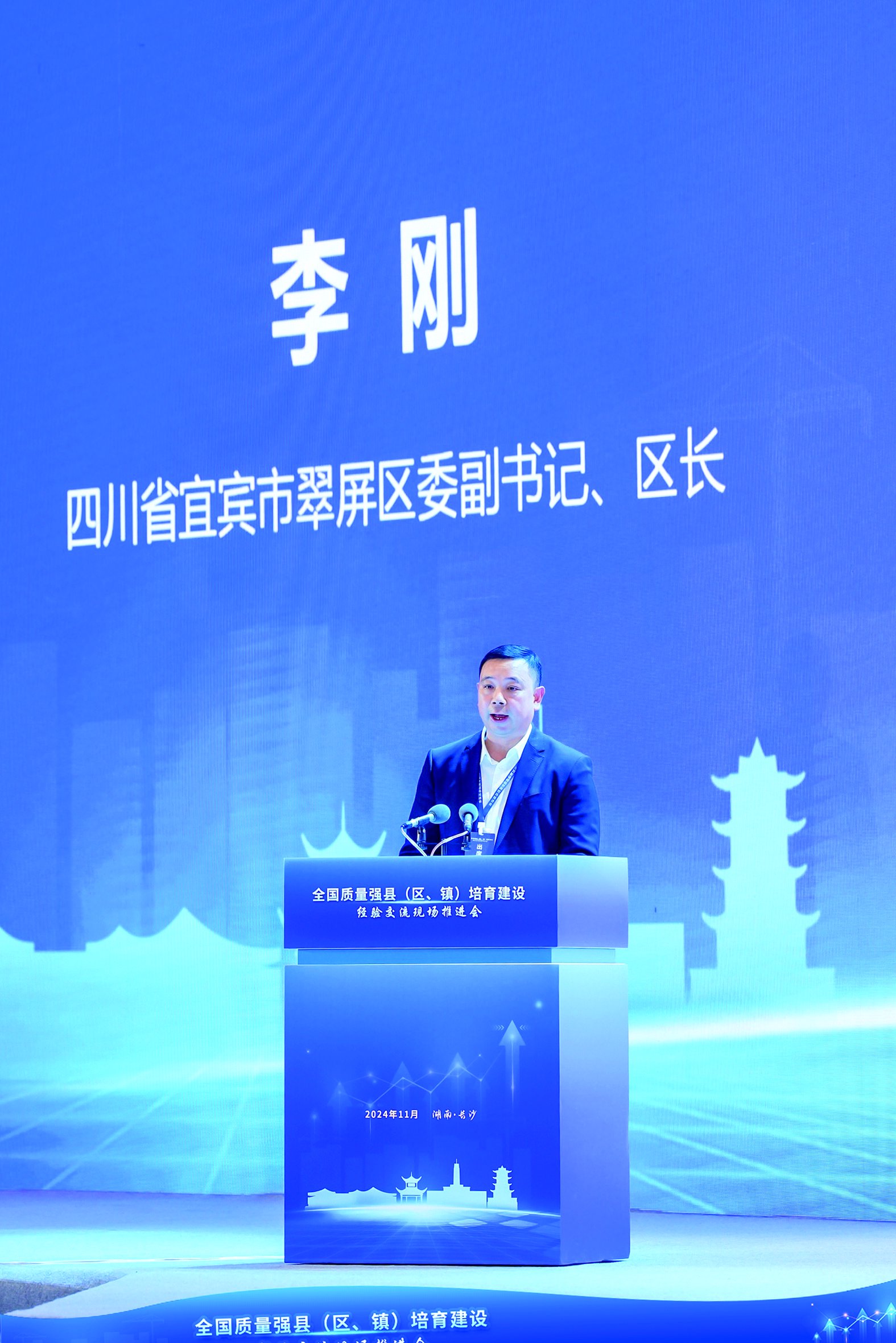
奏响质量强区主旋律 铸就区域高质量发展新优势
Zhong Guo Zhi Liang Xin Wen Wang· 2025-06-19 04:51
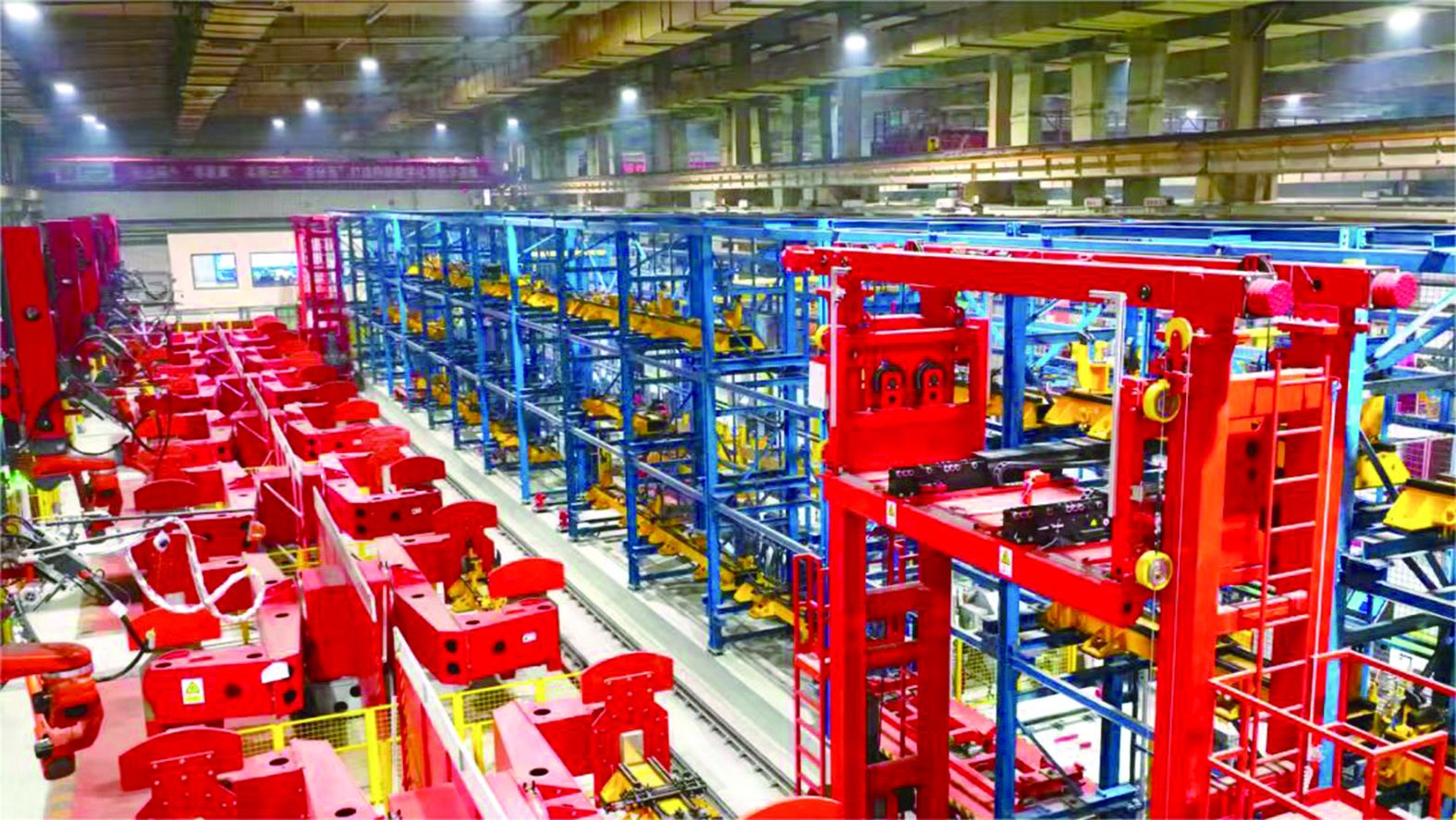
Core Viewpoint - The article discusses the efforts of Cuiping District in Yibin City, Sichuan Province, to enhance quality standards and promote high-quality development through a comprehensive quality improvement strategy [6][10]. Group 1: Quality Improvement Strategy - Cuiping District has implemented the "Quality Strong District" strategy, aligning with the national "Quality Strong Country Construction Outline" to enhance production quality and competitiveness [6][8]. - A total of 4 billion yuan has been invested in quality improvement initiatives, focusing on creating industrial parks, fostering leading enterprises, and building service platforms [7][9]. Group 2: Industry Ecosystem Development - The district has established a quality infrastructure that includes a national quality supervision and inspection center for liquor products and a provincial-level laboratory for power batteries [9]. - Cuiping District has successfully cultivated 94 quality benchmark enterprises and achieved a 98% compliance rate in agricultural product quality safety monitoring [8][9]. Group 3: Talent Development - The district has set up 11 quality management engineering programs in universities, training 12,000 quality professionals and establishing a national "Quality Inspection College" [10]. - Collaboration with local universities aims to integrate talent development with industry needs, enhancing the overall quality management capabilities [10].