本币结算体系

Search documents
特朗普通告全球,不许这三个国家购买俄石油,中方第一个表示不服
Sou Hu Cai Jing· 2026-01-09 14:14
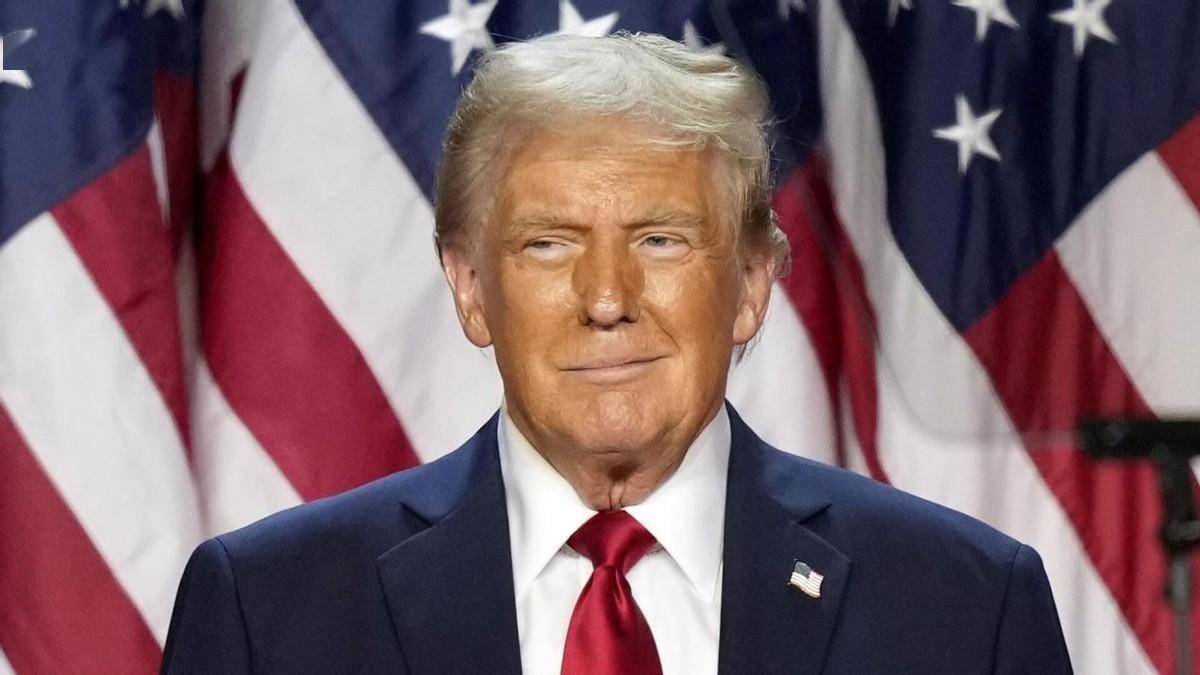
Core Viewpoint - The Trump administration has initiated a significant energy sanctions bill against Russia, demanding countries like China, India, and Brazil to cease oil imports from Russia or face punitive tariffs of up to 500% [1][3][5]. Group 1: U.S. Sanctions and Intentions - The sanctions bill is a comprehensive escalation of previous measures, aimed at exerting economic pressure on Russia and asserting U.S. influence over emerging economies [3][5]. - Senator Lindsey Graham indicated that the bill had been in preparation for months, with the core aim of authorizing high tariffs on countries importing Russian oil, gas, or uranium [3][5]. - The U.S. strategy appears to be focused on reshaping the global energy order, controlling energy flows, pricing, and settlement mechanisms to maintain dollar dominance [15][21]. Group 2: China's Response and Energy Strategy - China has firmly rejected the U.S. sanctions, emphasizing that they are illegal and violate international law, while asserting its right to engage in normal trade with Russia [5][7]. - As the world's largest energy importer, China's energy security is a national priority, and its cooperation with Russia is underpinned by significant economic logic [7][9]. - In 2024, bilateral trade between China and Russia is projected to reach $244.8 billion, with energy trade constituting over one-third of this figure, primarily settled in local currencies [9][21]. Group 3: India's Position and Challenges - India faces a complex situation, being heavily reliant on Russian oil, which constituted 44% of its total imports as of July 2025 [11][13]. - Despite U.S. pressure, India has not fully severed ties with Russian oil, indicating a struggle to balance relations with the U.S. and domestic energy needs [11][13]. - The Indian government has committed to increasing energy imports from the U.S., but this has not satisfied U.S. demands for a complete cessation of Russian oil imports [13][21]. Group 4: Global Energy Dynamics - The sanctions and geopolitical maneuvers are reshaping global energy dynamics, with countries like Russia diversifying their export markets and strengthening ties with nations in the Middle East and Asia [23][25]. - The U.S. sanctions may inadvertently push Russia towards broader cooperation with other countries, undermining the intended isolation [23][25]. - The ongoing geopolitical tensions and energy market shifts highlight the complexities of global energy trade, where unilateral actions may not yield the desired outcomes [17][19][29].

为啥对印度而不是中方动手?白宫特使一句话,听证会现场骚动起来!
Sou Hu Cai Jing· 2025-09-16 09:41
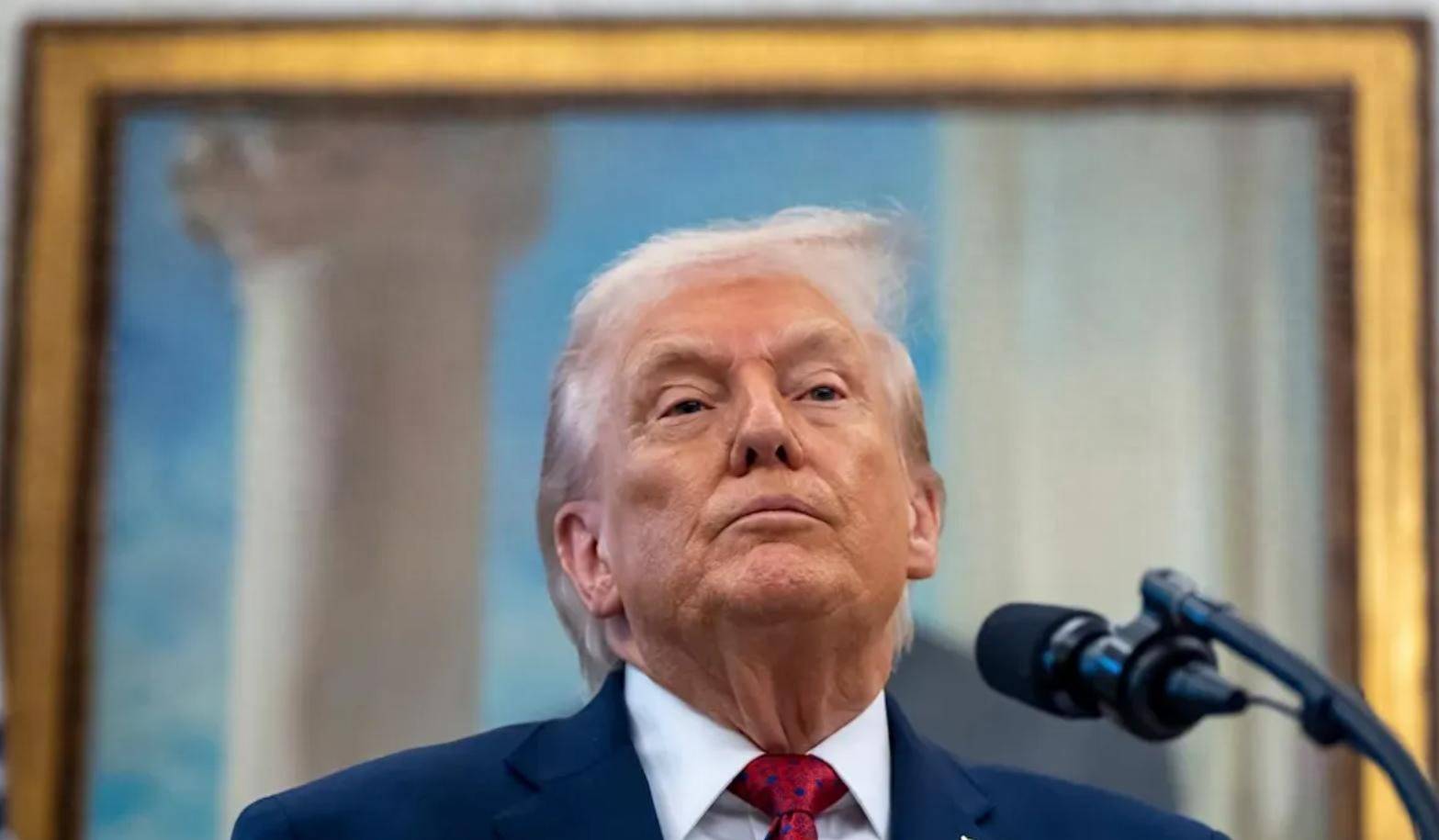
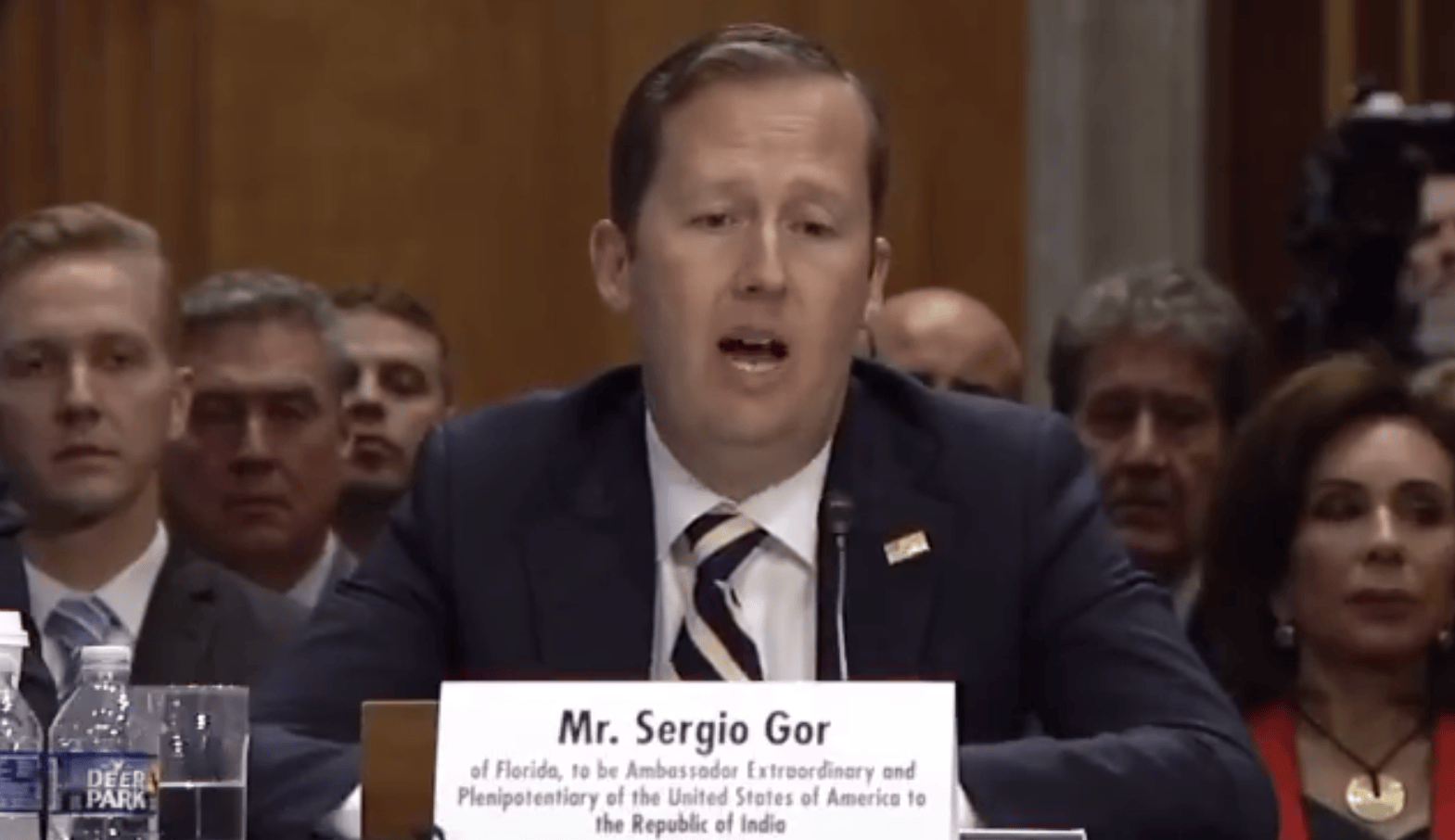
Group 1 - The U.S. has imposed a 50% tariff on Indian goods, effective August 27, 2025, consisting of a 25% "reciprocal tariff" and a 25% "punitive tariff" [1] - The U.S. maintains a cautious approach towards China due to three strategic advantages held by China: control over 90% of global rare earth processing capacity, a complete manufacturing supply chain, and a diversified market strategy [1] - China's exports to emerging markets have surged despite a 15% decline in exports to the U.S. in the first half of 2025, indicating a shift in trade dynamics [1] Group 2 - The escalating tariffs have resulted in a significant increase in U.S. import costs, exceeding $320 billion, which is $130 billion higher than initial estimates, ultimately impacting U.S. businesses and consumers [2] - In contrast, the tariff increase on India has had minimal impact, highlighting the structural differences in the trade relationship between the U.S. and India compared to that with China [2]
中方接连打出两记重拳:若美国想让我们当炮灰,就得付出相应代价
Sou Hu Cai Jing· 2025-08-19 09:16
Group 1 - The U.S. tariff revenue has surged from $7.3 billion in January to $27.7 billion in July, totaling $135.7 billion over ten months, leading to increased consumer prices in supermarkets, with shoes up 39% and T-shirts up 37% [3] - General Motors anticipates an additional $5 billion in costs due to tariffs, while Toyota's profits have plummeted by 37%, prompting a downward revision of annual forecasts [3] - The semiconductor sector is experiencing significant market volatility, with the Philadelphia Semiconductor Index dropping over 2% and 14 chip companies losing a combined market value of $42 billion [5] Group 2 - TSMC is caught in a challenging position, facing potential profit erosion or the need to pass costs onto U.S. clients like Apple and NVIDIA if the 300% tariff is implemented [5] - Apple has pledged an additional $100 billion investment in the U.S. in hopes of securing tariff exemptions, highlighting the uncertainty in the global supply chain [5] - The semiconductor industry in China's western regions has seen a 270% increase in production capacity over three years, with domestic manufacturing being recognized as "Made in China" under new regulations [12] Group 3 - China's response to U.S. tariffs includes anti-dumping reviews on Australian wine and countervailing duties on Japanese steel, targeting U.S. allies [7] - China has imposed a 75.8% deposit on Canadian canola seed, significantly impacting Canada's exports, which are valued at nearly CAD 5 billion for 2024 [8] - The shift in global supply chains is evident, with companies like Volkswagen and Airbus increasing investments in China, indicating a trend of "voting with their feet" against U.S. policies [10] Group 4 - The BRICS nations are projected to surpass the G7 in economic output, with their share of global GDP reaching 37.4% in 2023, compared to the G7's 29.3% [14] - The reliance on the U.S. dollar is decreasing, with a reported 87% year-on-year increase in China's currency settlements with trade partners [10] - The semiconductor supply chain is diversifying, with U.S. imports dropping below 20% of total semiconductor equipment sources [12]