
民生投入

Search documents
“十五五”开局之年!全国两会这些看点值得关注!
中汽协会数据· 2026-03-04 07:53
Group 1 - The upcoming National People's Congress (NPC) and Chinese People's Political Consultative Conference (CPPCC) sessions will be held on March 4 and March 5, 2026, respectively, marking a significant political event in China [3][10]. - The sessions will review the government work report and the draft of the 15th Five-Year Plan, which outlines key development goals and tasks for the next five years [5][12]. - Key economic indicators such as GDP growth rate, CPI increase, and fiscal deficit will be discussed, drawing significant attention from external observers [14]. Group 2 - The focus will be on implementing more proactive fiscal policies and moderately high monetary policies to ensure a good start for the 15th Five-Year Plan [16]. - There will be an emphasis on expanding domestic demand, with specific measures to boost consumption and optimize policies for urban renewal [16]. - The sessions will also address increased investments in key areas such as education, healthcare, and housing to enhance the public's sense of well-being and security [17]. Group 3 - Three major legal drafts will be reviewed, including the Ecological Environment Code, which is significant as it will be China's second law named as a "code" following the Civil Code [17].


读懂2025国家账本:个税收入为何增?民生投入如何发力?
Sou Hu Cai Jing· 2026-02-11 12:15
Core Viewpoint - The Ministry of Finance has released the fiscal revenue and expenditure data for 2025, indicating a stable overall fiscal revenue with significant changes in key areas of public concern, particularly in personal income tax and corporate income tax growth [1][3]. Revenue Summary - Total fiscal revenue for 2025 is projected at 21.6 trillion yuan, a decrease of 1.7% from 2024, with tax revenue increasing by 0.8% [3]. - Personal income tax revenue reached 1.6187 trillion yuan, reflecting an 11.5% year-on-year growth, while corporate income tax revenue was 4.1304 trillion yuan, showing a 1% increase [1][4]. - The increase in personal income tax is attributed to the implementation of the "Golden Tax Phase IV" and a record high in A-share trading volumes, which boosted property income tax [5]. Expenditure Summary - Total general public budget expenditure for 2025 is estimated at 28.7395 trillion yuan, representing a 1% increase from the previous year [7]. - Key areas of expenditure include social security and employment (up 6.7%), education (up 3.2%), health (up 5.7%), and science and technology (up 4.8%) [7][8]. - The government has maintained or increased spending in essential areas despite economic pressures, indicating a commitment to social welfare [8]. Social Welfare Initiatives - In 2025, approximately 100 billion yuan is allocated for childcare subsidies, benefiting over 30 million infants, marking a significant investment in human capital [9]. - There is a recognized need for further improvement in social spending, with current broad social security expenditures at nearly 10% of GDP, compared to 18%-30% in developed countries [9][10]. - Recommendations for enhancing social welfare include increasing tax deductions for childcare and elder care to alleviate financial burdens on families [9].
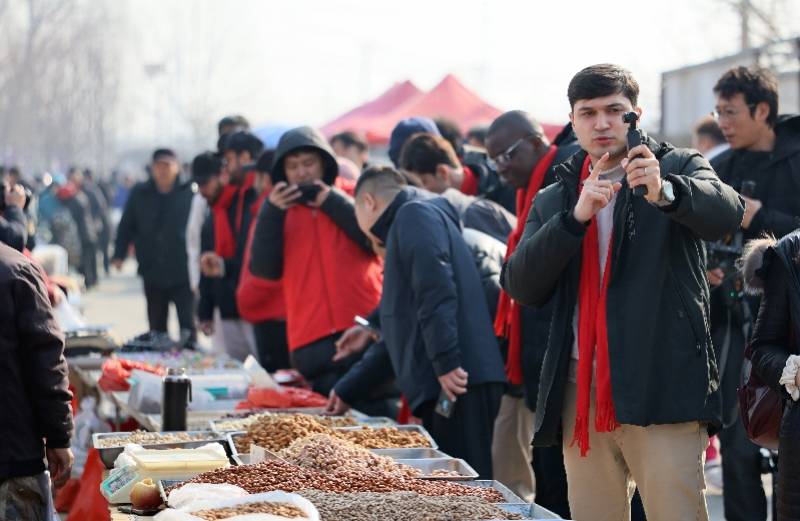
西藏五年来民生投入累计超过1万亿元
Jin Rong Jie· 2026-01-31 10:02
Core Viewpoint - The Tibet Autonomous Region plans to invest 18.7 billion yuan in 2025 for 38 livelihood projects, with total livelihood investment exceeding 1 trillion yuan over the past five years [1] Group 1: Financial Allocations - In 2026, Tibet plans to allocate 13.6 billion yuan for 34 livelihood projects [1] - A total of 1.673 billion yuan is allocated to increase the ecological job subsidy standard from 3,500 yuan to 4,000 yuan per person per year [1] - An allocation of 4.025 billion yuan is designated to raise the annual per capita standard for education "three guarantees" funding by 240 yuan to 5,940 yuan [1] - 2.183 billion yuan is set aside to increase the annual subsidy standard for urban and rural residents' basic medical insurance to 765 yuan per person [1] - 359 million yuan is allocated for the renovation and seismic reinforcement of 8,006 rural dilapidated houses [1]
福气苏州五年民生投入超万亿
Su Zhou Ri Bao· 2026-01-23 00:26
Core Insights - The government report highlights that over the past five years, Suzhou has spent over 1 trillion yuan on public welfare, with more than 80% of general public budget expenditure allocated to people's livelihoods [1][2] Group 1: Economic Development - Suzhou has implemented rural revitalization and group-style rural construction, resulting in total village assets exceeding 130 billion yuan [1] - The per capita disposable income for urban residents reached 90,000 yuan, while rural residents' income was 51,000 yuan, narrowing the income gap to 1.76:1 [1] - The city has created 1.502 million new urban jobs and has been recognized as the "Best Employment Promotion City" for six consecutive years [1] Group 2: Education and Healthcare - Suzhou has added 362,000 new school and kindergarten places, and higher education resources are being consolidated with the opening of new campuses [1] - The city has achieved city-level coordination of basic medical insurance and added 12 new tertiary hospitals and 5 Class A hospitals over five years [2] Group 3: Social Services - Suzhou has developed a comprehensive elderly care service network and has increased child care capacity to 4.6 per thousand population, a 1.6 times increase [2] - The city is advancing the construction of a "10-minute sports fitness circle" and pocket parks are being established throughout the streets [2]
“投资于人”就是投资未来
Jing Ji Ri Bao· 2025-10-16 22:14
Core Viewpoint - The urgency to increase "investment in people" is growing, despite high levels of current social spending, as it is essential for long-term economic stability and growth [1][3]. Group 1: Investment in People - "Investment in people" focuses on promoting comprehensive human development through increased funding in education, healthcare, skills training, and social security [2][4]. - The goal is to enhance national quality and development capabilities, allowing individuals to realize their potential on a broader stage [2]. Group 2: Social Structure Changes - The deepening of population aging and the trend of "low birth rates" raise higher demands for pension and healthcare services [3]. - Urbanization continues to advance, highlighting the needs of new citizens and youth in housing, education, and employment [3]. Group 3: Economic Development Transition - China's economy is shifting from reliance on investment and exports to a focus on domestic demand and innovation [3]. - Increased social spending can stabilize employment, raise income levels, and strengthen social security, thereby enhancing consumer capacity and willingness [3]. Group 4: Promoting Social Equity - There are still significant disparities in public services across regions, urban-rural areas, and different demographic groups [4]. - Optimizing the structure of social spending to target underdeveloped areas and vulnerable groups is crucial for reducing development gaps and promoting social equity [4]. Group 5: Future Directions - Future social spending should not only increase in volume but also improve in precision, effectiveness, and sustainability [4]. - Key areas include upgrading public services, deepening human capital investment, and addressing social service shortfalls in rural and underdeveloped regions [4].
八成以上财力投入民生领域 西藏幸福底色更加鲜亮
Jing Ji Ri Bao· 2025-09-29 22:17
Group 1 - The core viewpoint of the news is that the Tibet Autonomous Region is enhancing its social welfare initiatives by adding 10 new livelihood projects to support various sectors, including income increase, elderly care, and medical insurance, as part of a broader effort to celebrate the 60th anniversary of the region's establishment [1] - The additional 10 livelihood projects include 7 universal policies benefiting all citizens and 3 special care policies aimed at low-income and special contribution groups, demonstrating a commitment to addressing urgent public needs [1] - Since the 10th Party Congress, over 80% of the region's financial resources have been allocated to social welfare, with 2024's social expenditure projected to reach 245.5 billion yuan, accounting for 84% of total fiscal spending, marking a record high in both scale and proportion [1] Group 2 - During the 14th Five-Year Plan period, a total of 28 categories of social projects have been planned with a total investment of 24.65 billion yuan, of which 23.678 billion yuan has already been implemented [2] - Significant improvements have been made in healthcare, education, culture, and social security, including the construction of new schools, cultural facilities, and welfare institutions, enhancing the overall quality of life for the residents [2] - The per capita net income of the poverty alleviation population is expected to increase by over 12.5% year-on-year in 2024, reflecting the positive impact of these initiatives [2]
财政“十四五”成绩单:民生投入近100万亿元!
Zheng Quan Ri Bao Wang· 2025-09-12 10:16
Core Viewpoint - The Chinese government has made significant progress in fiscal reform and development during the "14th Five-Year Plan" period, enhancing national fiscal strength and effectiveness, which supports the long-term stability of the party and the nation, as well as meeting the people's expectations for a better life [1] Fiscal Strength - The national general public budget revenue is expected to reach 106 trillion yuan during the "14th Five-Year Plan," an increase of 17 trillion yuan or approximately 19% compared to the "13th Five-Year Plan" [2] - Local fiscal strength is steadily growing, with 16 provinces projected to have fiscal revenue growth of over 20% compared to 2020, and 7 provinces exceeding 500 billion yuan, including 2 provinces surpassing 1 trillion yuan [2] - The general public budget expenditure is expected to exceed 136 trillion yuan over five years, an increase of 26 trillion yuan or 24% compared to the "13th Five-Year Plan," with a focus on optimizing the structure of expenditures [2] Social Welfare Orientation - The budget for social welfare is substantial, with 20.5 trillion yuan allocated for education, 19.6 trillion yuan for social security and employment, 10.6 trillion yuan for health care, and 4 trillion yuan for housing security, totaling nearly 100 trillion yuan in social welfare investments [2] - In response to public concerns, the government has allocated 100 billion yuan for childcare subsidies and 200 billion yuan for gradually implementing free preschool education [2] Fiscal Policy Characteristics - Fiscal policy has maintained a proactive stance, effectively responding to short-term economic fluctuations while focusing on long-term modernization goals [3] - Key characteristics of the fiscal policy include increased strength, a richer set of tools, more precise targeting, and greater flexibility in timing [3] Future Considerations - The fiscal department plans to maintain policy continuity and stability while enhancing flexibility and foresight, preparing for future economic challenges [4] - The long-term positive trend of the economy remains unchanged, providing a solid foundation for fiscal operations [3]
我国财政不断加大民生投入力度
Zhong Guo Xin Wen Wang· 2025-07-25 13:16
Group 1 - The Ministry of Finance prioritizes social security in fiscal spending and has increased investment in this area [1][2] - Employment strategies include reducing unemployment and work injury insurance rates, enhancing unemployment insurance, and expanding social insurance subsidies [1] - Central government has allocated 66.74 billion yuan for employment support this year [1] Group 2 - Basic pension benefits for retirees have been increased by 2% nationwide, with over 300 million elderly individuals receiving timely and full pension payments [1][2] - Per capita financial subsidies for basic public health services have been raised by 5 yuan, reaching 99 yuan per person annually [2] - Central government has allocated 552.2 billion yuan for medical assistance and subsidies for low-income individuals to reduce their medical expenses [2] Group 3 - The "one elderly, one child" service system is being improved, including support for home and community-based elderly care services [2] - A total of 156.68 billion yuan has been allocated for assistance to low-income individuals, ensuring basic living standards are met [2] - The Ministry of Finance aims to enhance the "people's livelihood" aspect of fiscal funding and improve the overall sense of security and happiness among citizens [2]