治愈感

Search documents
冬日“织”愈风来袭,年轻人把“妈妈辈爱好”玩出新花样 | 消费新观察
Sou Hu Cai Jing· 2026-01-11 22:28
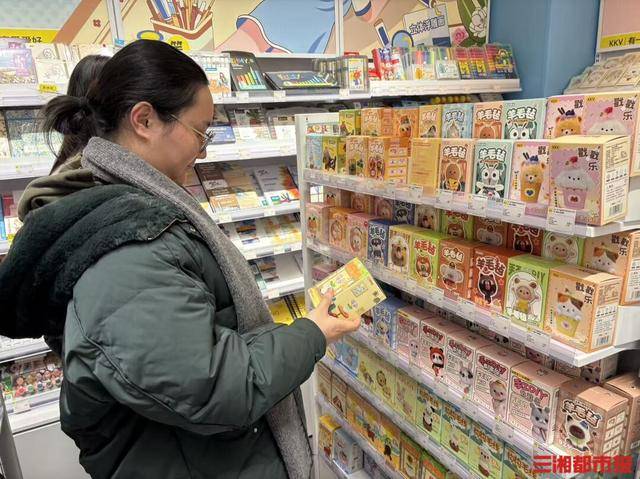
Core Insights - The trend of crochet and knitting has gained popularity among young people, transforming from a hobby associated with older generations to a favored winter activity for the youth [1] - The demand for DIY crochet kits and materials has surged, with various products being sold in cafes, bookstores, and specialty craft stores [2][4] - Young individuals are creating practical and fun items such as headphone cases, cup sleeves, and decorative pieces, reflecting a shift towards a "slow life" and a desire for relaxation [1][5] Market Trends - Sales of crochet materials are booming, with some products, like a bear scarf kit, selling over 40,000 units online, showcasing a clear cost advantage over ready-made items [4] - A specific store has sold over one million units of milk yarn, indicating strong consumer interest in DIY projects [4] - Social media platforms are seeing significant engagement, with crochet-related topics amassing billions of views, highlighting the trend's viral nature [4] Consumer Behavior - Young consumers are increasingly integrating crochet into their daily lives, using it to create personalized items that reflect their style and preferences [5] - The therapeutic aspect of crochet is emphasized, as individuals find solace and stress relief in the repetitive nature of the craft [5] - There is a growing preference for handmade experiences that allow for personal expression and emotional connection, driving willingness to invest in DIY projects [5]

冬日“织”愈风!年轻人爱上“妈妈辈手艺”
Xin Lang Cai Jing· 2026-01-11 19:16
Core Insights - A knitting trend is emerging among young people in Changsha, transforming a traditionally older demographic hobby into a popular winter activity for the youth [2][4] - DIY knitting products, such as yarn kits and felt sets, are experiencing high sales, with some products selling over one million units [3] Group 1: Market Trends - Various DIY knitting materials are being sold in stores, including yarn kits featuring cute designs, indicating a growing market for these products [3] - Online platforms are seeing significant sales, with a bear scarf knitting kit selling over 40,000 units and a specific yarn brand selling over one million units [3] - Social media platforms like Xiaohongshu are reporting billions of views on knitting-related topics, showcasing the widespread interest and engagement in this craft [3] Group 2: Consumer Behavior - Young consumers are increasingly integrating knitting into their daily lives, creating personalized items such as keychain decorations and cup sleeves [5] - The slow-paced nature of knitting aligns with the current desire for a "slow life" and relaxation among young people, making it a favored therapeutic activity [4][5] - There is a shift in preference towards handmade experiences that allow for personal expression and emotional connection, with consumers willing to invest in these therapeutic benefits [5]
4年默默研发突然走红,一款“奇葩”游戏意外火了?
3 6 Ke· 2025-12-15 00:09
Core Viewpoint - The article discusses the contrasting reception of two games, "Horses" and "Tingus Goose," highlighting how "Tingus Goose" successfully combines bizarre aesthetics with engaging gameplay, leading to positive player feedback and industry recognition [1][2][6]. Game Reception - "Horses," a dark-themed game, was rejected by major platforms like Steam and Epic due to its controversial content [1]. - In contrast, "Tingus Goose" received acclaim on Steam, including award nominations, for its unique visual style and gameplay [2][6]. Visual and Gameplay Design - "Tingus Goose" features a bright, minimalist aesthetic that contrasts with its bizarre characters, creating a whimsical yet coherent "goose universe" [3]. - The game employs a strategic idle gameplay loop where players build an automated production line using various devices to optimize resource accumulation [4][24]. Player Engagement - The game’s mechanics encourage players to engage in a cycle of resource management and optimization, providing a sense of achievement as they progress [30][24]. - Players can experience a unique blend of absurdity and healing through the game’s narrative and visual elements, which include surreal animations that convey positive messages [10][8]. Development Team - The game was developed by the independent studio Sweaty Chair, which has a diverse cultural background and was formed out of a casual interest in game development [31][33]. - The collaboration with the artist Master Tingus brought a distinctive artistic vision to "Tingus Goose," enhancing its appeal [37][39]. Community Interaction - The game's success is attributed to its genuine community engagement and the blending of Eastern and Western cultural elements, which resonate with players seeking relaxation and joy [47].

【数字营销】每个品牌都在强调的“情绪价值”,到底是什么?
Sou Hu Cai Jing· 2025-07-15 04:30
Core Insights - The article discusses the evolving consumer behavior of Generation Z, emphasizing the importance of "emotional value" in their purchasing decisions, which can lead to profitable business opportunities. Group 1: Emotional Value in Consumption - The concept of "emotional value" is becoming increasingly significant across various product categories, including collectibles and everyday items, as consumers seek deeper connections with their purchases [4]. - Consumers exhibit a duality in their spending habits, balancing rational choices with a willingness to pay premiums for items that resonate with their personal preferences, reflecting a regained sense of control over their consumption [5][8]. - The rise of "spiritual consumption" is noted, where young consumers use specific purchases to connect with like-minded individuals rather than to showcase success through expensive items [9]. Group 2: Consumer Behavior Trends - The report highlights that nearly 30% of young consumers engage in spending for emotional healing, indicating a preference for experiences and products that enhance their well-being [23]. - Nostalgia is identified as a powerful emotional driver, with trends showing a resurgence of interest in classic media and products, providing comfort during uncertain times [24]. - The article also points out the significance of "rituals" in consumer behavior, as young people seek small acts that provide a sense of security amidst societal pressures [19].