核能供暖

Search documents
能源保供迎寒潮大考
Xin Lang Cai Jing· 2026-02-20 01:06
Core Viewpoint - The article discusses the measures taken by the Chinese government and energy companies to ensure energy supply during the upcoming winter season, particularly in light of a cold wave and increased heating demand. Group 1: Energy Supply Measures - The National Energy Administration has proactively arranged for sufficient coal and natural gas supply, optimized electricity dispatch, and enhanced the efficiency of new energy utilization to ensure heating and industrial production during winter [1][2]. - The State Grid has accelerated the construction of key power grid reinforcement projects, with 113 new 500 kV and above grid infrastructure projects put into operation this year, enhancing cross-regional transmission capacity [2][3]. Group 2: Coal and Electricity Supply - National coal production has maintained an average daily dispatch of over 12.3 million tons since October, with coal stockpiles at power plants reaching 227 million tons, sufficient for 35 days [3]. - The government has implemented market regulation measures to stabilize coal prices and ensure smooth energy price operations [3]. Group 3: Technological Innovations - The integration of smart technologies such as AI and digital twins is enhancing the efficiency and reliability of the energy supply system, ensuring fewer power outages during the heating season [4][5]. - The proactive repair model developed by the State Grid in Xiong'an New Area has improved power supply reliability to 99.9999%, reducing average repair times by over 30% [5]. Group 4: Renewable Energy Contributions - In the first three quarters of this year, renewable energy generation reached 2.89 trillion kWh, a 15.5% increase year-on-year, accounting for approximately 40% of total electricity generation [6]. - The "Warm Nuclear No. 1" project in Shandong is providing stable heating for 400,000 residents, demonstrating the dual benefits of nuclear heating for both public welfare and environmental protection [7]. Group 5: Oil and Gas Supply - The National Pipeline Network Group has completed 22 major operations to enhance natural gas supply, while storage facilities have been filled to meet winter demand [8]. - China National Petroleum Corporation is accelerating production and storage efforts across major oil and gas fields to prepare for peak gas usage [8]. Group 6: Systemic Energy Supply Strategy - The energy supply system in China is evolving towards a model characterized by multi-energy complementarity, intelligent scheduling, and a focus on green and low-carbon solutions [9]. - The ongoing energy supply actions are designed to provide a stable energy foundation for the public during winter, reflecting a comprehensive and systematic approach to energy management [9].


中国东北地区首座核电站上网电量创历史新高
Zhong Guo Xin Wen Wang· 2026-02-02 05:37
Core Insights - The Liao Ning Hong Yan He Nuclear Power Company reported a record electricity generation of 49.15 billion kWh for the year 2025, marking a historical high for the facility [1] - The nuclear power plant, located in Dalian, is the first in Northeast China and has a total installed capacity of 6.71 million kW, with a total investment of 90 billion RMB [1] - Since its commissioning, the plant has generated a cumulative electricity output of 380.869 billion kWh by the end of 2025, significantly reducing coal consumption and CO2 emissions compared to equivalent coal-fired power plants [1] Operational Performance - The six units of the nuclear power plant operated under full control in 2025, maintaining a good nuclear safety status without any unplanned shutdowns, achieving annual safety production goals [1] - The plant successfully completed three major overhauls during the year, ensuring controllable safety and quality status [1] Heating Project - The first nuclear energy heating project in Northeast China, utilizing steam from the Hong Yan He Nuclear Power Plant, has been operational since November 2022, providing clean heating for the local community [2] - The heating project has successfully operated for four heating seasons, benefiting nearly 20,000 residents in Hong Yan He Town with zero-carbon heating [2]
威海“2+3”模式引领减污降碳协同创新试点两年成效显著
Qi Lu Wan Bao· 2026-01-09 03:10
Core Viewpoint - Weihai City has developed a distinctive "2+3" model for pollution reduction and carbon reduction, focusing on energy and marine sectors while implementing mandatory actions in industrial, transportation, and lifestyle areas [1][2] Energy Sector - Significant achievements in green and low-carbon transformation, with 8 clean energy infrastructure projects, including nuclear power and offshore wind and solar energy, contributing to substantial emission reductions [1] - Nuclear heating in Rongcheng and Rushan has resulted in low operational costs and high heating capacity, achieving economic, ecological, and social benefits [1] Marine Sector - Continuous enhancement of pollution reduction and carbon sequestration capabilities, with the establishment of China's first regional marine carbon sink intelligent management service platform [1] - Completion of 338.7 tons of blue carbon transactions by 6 financial institutions, and the promotion of a multi-nutrient integrated aquaculture model across 140,000 acres, leading to a 26% increase in industry income [1] - Four marine carbon sequestration projects have collectively stored approximately 31.7 million tons of carbon [1] Industrial Sector - Improvement in the green manufacturing system, with 105 city-level green factories, 4 green parks, and 28 green supply chain management enterprises established [1] - Four industrial green transformation projects have cumulatively reduced carbon dioxide emissions by 38,700 tons, sulfur dioxide by 52.54 tons, and nitrogen oxides by 47.8 tons [1] Transportation Sector - Optimization of transportation structure, with an average annual growth rate of 18% in railway freight volume from 2020 to 2024 [2] - 100% of newly updated taxis and buses are now electric vehicles [2] Lifestyle Sector - Deepening of the zero-waste and low-carbon lifestyle concept, with over 640 city-level "zero-waste cells" cultivated and 24 recommended as provincial-level typical cases [2] - Weihai City received the highest ranking in the provincial "zero-waste city" construction assessment, earning a reward of 3 million yuan [2] - Public green travel remains stable at over 70% [2] Future Plans - Weihai's ecological environment bureau will collaborate with relevant departments to enhance pollution reduction and carbon reduction capabilities and strengthen integrated regulatory mechanisms [2] - Plans to quantify the effectiveness of pollution reduction and carbon reduction efforts and evaluate results across departments and enterprises [2] - Emphasis on summarizing successful experiences and creating the "Weihai model" [2]
迎峰度冬考验来临 央企能源保供工作全力推进
Jing Ji Ri Bao· 2025-12-29 00:10
Group 1 - The national energy supply work has entered a critical period as winter approaches, with central enterprises actively deploying responsibilities to ensure stable production and supply of traditional energy sources like coal and natural gas, as well as orderly production of renewable energy projects such as wind and solar power [1] - The State Energy Group prioritizes maintaining high coal production, enhancing resource organization, and increasing external procurement and reserves, with a focus on achieving the requirement of "dynamic clearance of coal storage below 15 days" [1] - China Resources Power has increased its procurement of quality coal and optimized its coal supply chain, with current coal inventory reaching 11.09 million tons, providing sufficient fuel support for power generation [1] Group 2 - The offshore wind power project in Jiangsu, with a capacity of 800 megawatts, has achieved full capacity grid connection, expected to meet the daily electricity needs of 1.4 million households and save approximately 860,000 tons of standard coal [2] - The Jiangsu Suzhou 500 kV substation expansion project has successfully commenced operation, enhancing the annual power supply by 8.76 billion kilowatt-hours, equivalent to the annual electricity consumption of nearly 3 million households [3] - The "Warm Nuclear No. 1" heating project in Rongcheng, implemented by the State Power Investment Corporation, is expected to save 120,000 tons of standard coal annually and significantly reduce emissions of CO2 and other pollutants [3] Group 3 - The National Energy Administration reports that the total investment in key energy projects is expected to reach 3.54 trillion yuan, a year-on-year increase of 11%, with strong investments in nuclear power, onshore wind, distributed solar, and grid infrastructure [4] - The focus on energy supply and safety during the winter peak period emphasizes the importance of effective investment and supervision to ensure the public remains warm during winter [4]
央企能源保供工作全力推进
Jing Ji Ri Bao· 2025-12-28 21:49
Group 1 - The national energy supply work has entered a critical period as winter approaches, with central enterprises actively deploying responsibilities to ensure stable production and supply of traditional energy sources like coal and natural gas, as well as orderly production of renewable energy projects such as wind and solar power [1] - The State Energy Group prioritizes maintaining stable coal production, enhancing resource organization, and increasing external procurement and reserves, with a focus on meeting the requirement of "dynamic clearance of coal storage below 15 days" [1] - Huaren Power has increased its procurement of quality coal and optimized its coal procurement channels, with current coal inventory reaching 11.09 million tons, providing sufficient fuel support for power generation [1] Group 2 - The offshore wind power project in Jiangsu, with a capacity of 800 MW, has achieved full capacity grid connection, expected to meet the daily electricity needs of 1.4 million households and save approximately 860,000 tons of standard coal [2] - The Jiangsu Suzhou 500 kV substation expansion project has successfully commenced operation, enhancing the annual power supply by 8.76 billion kWh, equivalent to the annual electricity consumption of nearly 3 million households [3] - The National Energy Administration reports that investment in key energy projects is expected to reach 3.54 trillion yuan, a year-on-year increase of 11%, with strong investments in nuclear power, onshore wind, distributed solar, and grid infrastructure [4]
新华社︱能源保供迎寒潮“大考” 多能互补共筑温暖防线
国家能源局· 2025-11-19 12:45
Core Viewpoint - The article emphasizes the importance of a robust energy supply system in China to ensure stable heating and industrial production during the winter season, particularly in the face of cold waves and increased energy demand [2][10]. Energy Supply Assurance - The National Energy Administration has proactively arranged for sufficient coal and natural gas supply, optimized electricity dispatch, and enhanced the efficiency of renewable energy utilization to ensure a comprehensive energy supply system [2][10]. - The average daily coal dispatch in China has remained above 12.3 million tons since October, with coal inventory at power plants reaching 227 million tons, sufficient for 35 days of use [6][10]. Infrastructure Development - The construction of key power grid reinforcement projects is accelerating, with 113 new 500 kV and above grid infrastructure projects put into operation this year, enhancing cross-regional transmission capacity [5][10]. - Major hydropower projects, such as the completion of the 500 kV Lingfeng Line and the operation of multiple units at the Gutianxi Hydropower Plant, are contributing to winter electricity supply [3][5]. Technological Advancements - The integration of new technologies like smart sensing and artificial intelligence is improving the efficiency and reliability of the energy supply system, with proactive repair models reducing average repair times by over 30% [7][10]. - The development of renewable energy projects, such as the 200 MW coal and 610 MW renewable energy integrated project in Xinjiang, is set to enhance green energy contributions to the grid [7][8]. Multi-Energy Coordination - The oil and gas sector is enhancing supply quality and ensuring adequate reserves, with significant progress in gas storage and pipeline interconnections to meet peak demand [10][13]. - The energy supply system is evolving towards a model characterized by multi-energy complementarity, intelligent scheduling, and a focus on green and low-carbon solutions [10][14].
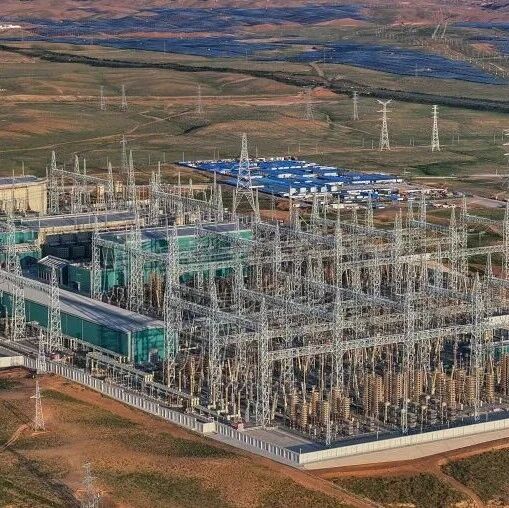
能源保供迎寒潮“大考” 多能互补共筑温暖防线
Xin Hua She· 2025-11-16 14:47
Core Viewpoint - The article emphasizes the importance of a multi-energy supply system to ensure stable energy provision during the upcoming cold wave, highlighting the proactive measures taken by various energy sectors to meet increased heating demands and maintain industrial production stability [1][8]. Group 1: Energy Supply Measures - The National Energy Administration has laid out strategies to ensure sufficient supply of coal and natural gas, optimize electricity dispatch, and enhance the efficiency of new energy utilization to create a comprehensive energy supply system [1][8]. - The average daily coal dispatch in China has remained above 12.3 million tons since October, with coal stockpiles at power plants reaching 227 million tons, sufficient for 35 days of use [3]. Group 2: Infrastructure and Technology Enhancements - Significant investments in power grid infrastructure have been made, with 113 new projects of 500 kV and above completed this year, enhancing cross-regional transmission capacity [2]. - The application of new technologies such as AI and digital twins in energy systems has improved operational efficiency and reliability, exemplified by proactive fault detection systems that have reduced repair times by over 30% [4]. Group 3: Renewable Energy Integration - Renewable energy generation has seen substantial growth, with a 15.5% year-on-year increase in total renewable energy output, accounting for approximately 40% of total electricity generation [5]. - The integration of coal and renewable energy projects, such as the 2 million kW coal power and 6.1 million kW renewable energy project in Xinjiang, is set to enhance energy supply capabilities [5]. Group 4: Oil and Gas Supply Security - The National Pipeline Network Group has completed significant upgrades to natural gas infrastructure, ensuring adequate supply for winter heating needs [7]. - Major oil and gas companies are ramping up production and storage capabilities to meet peak demand, with efforts to secure long-term contracts and optimize LNG procurement [7].
全省各类充电基础设施达148.8万台
Qi Lu Wan Bao· 2025-11-07 14:53
Core Insights - Shandong Province is accelerating green and low-carbon energy development during the 14th Five-Year Plan, focusing on meeting the public's demand for a better life through practical measures [1][2] Group 1: Green Transportation - The provincial energy bureau has established a leading urban and rural charging service network to address issues of "difficult, expensive, and slow charging" [1] - Key achievements include achieving "full coverage" in charging station quantity and density, with 1.488 million charging facilities by September 2023, a 19-fold increase from 2020 [1] - Breakthroughs in charging speed and cost have been made, with a new ultra-fast charging station allowing "10 minutes to charge 100 kWh" and a time-of-use pricing model reducing costs to 0.222 yuan per kWh during off-peak hours, saving up to 40 yuan per charge [1] Group 2: Rural Energy Development - The energy bureau has invested over 47 billion yuan in rural power grid enhancement over the past five years, improving power supply safety and transitioning from "having electricity" to "using electricity well" [2] - The "Thousand Villages and Ten Thousand Villages Wind Action" has been implemented, arranging over 3 million kilowatts of rural wind power to benefit local communities [2] Group 3: Clean Heating Initiatives - The bureau is expanding the use of nuclear, geothermal, and biomass energy for clean heating, contributing to improved air quality [2] - A zero-carbon nuclear heating city has been established, covering 13 million square meters, with heating costs reduced from 22 yuan to 21 yuan per square meter [2] - Financial support of 100 million yuan has been allocated for geothermal energy projects, currently serving nearly 70 million square meters for heating and cooling [2]
“十四五”看山东:勇当“双碳”先锋,山东谱写绿色低碳高质量发展新篇章
Qi Lu Wan Bao· 2025-10-24 03:04
Core Viewpoint - Shandong Province is making significant strides in green, low-carbon, and high-quality development, positioning itself as a national leader in these areas through innovative measures and strategic initiatives [1][2][3] Group 1: Green and Low-Carbon Development - In 2022, Shandong was approved to establish a green low-carbon high-quality development pilot area, marking it as the first in the nation with this focus [1] - The province has seen a notable reduction in carbon emission intensity, surpassing scheduled targets, indicating effective progress in its green transformation [1] Group 2: Energy Transition - Shandong is advancing its energy sector by promoting the development of clean energy, achieving a significant increase in non-fossil energy generation capacity, which reached 134 million kilowatts, 2.8 times that of 2020 [2] - The province has shut down 12.27 million kilowatts of small coal-fired power plants and upgraded 88.785 million kilowatts of coal power, with over 84% of large coal power units being 300,000 kilowatts or larger [2] - Shandong is a pioneer in energy market reforms, establishing a comprehensive trading system that includes various electricity transaction types [2] Group 3: Carbon Neutrality Initiatives - The province is implementing the "Ten Major Projects" for carbon peak management and has been included in the first batch of national carbon emission control pilot provinces [3] - Shandong is developing 20 provincial-level zero-carbon parks, which are expected to consume 12.5 billion kilowatt-hours of green electricity annually, accounting for over 75% of their total electricity usage [3] - The first million-ton carbon capture, utilization, and storage (CCUS) project in the country has been successfully operational for three years, capable of sequestering 1 million tons of CO2 annually [3] Group 4: Sustainable Lifestyle Promotion - Shandong has introduced a "five-segment" time-of-use electricity pricing policy to encourage off-peak electricity usage, enhancing grid flexibility by approximately 5 million kilowatts during peak solar generation [3] - The province has established the first zero-carbon city powered by nuclear energy, with nearly 13 million square meters of clean heating area [3] - Shandong is actively promoting waste reduction and recycling initiatives, with nine cities included in the national "waste-free city" program, ranking second in the country [3]
产业焦点 | 核电“双雄”业绩罕见下滑,如何应对电力市场化交易大考
Sou Hu Cai Jing· 2025-08-29 11:16
Core Viewpoint - Strengthening electricity marketing capabilities and comprehensive utilization of nuclear energy are important measures for nuclear power companies to adapt to the trends of market-oriented electricity trading [2][7]. Group 1: Impact of Market Trends - The profitability of nuclear power companies is increasingly affected by the acceleration of the electricity spot market and the entry of renewable energy, leading to a decline in electricity trading prices [3]. - Both China Nuclear Power and China General Nuclear Power reported a decrease in revenue and net profit despite an increase in total electricity generation due to the impact of market price fluctuations [4][5]. Group 2: Financial Performance - China Nuclear Power's net profit attributable to shareholders increased by 9.48% to 5.322 billion yuan, but overall net profit declined due to significant holdings in renewable energy assets [5]. - China General Nuclear Power's average market settlement price for electricity decreased by approximately 8.23% compared to the same period in 2024, impacting its financial performance [4]. Group 3: Strategic Responses - China General Nuclear Power is focusing on closely monitoring regional electricity market changes and optimizing marketing strategies to mitigate the impact of price fluctuations [6]. - China Nuclear Power is establishing independent electricity sales companies to deepen its market presence and enhance its electricity trading strategies [6]. Group 4: Diversification Efforts - Both companies are enhancing the multi-purpose utilization of nuclear energy to address the economic impacts of market-oriented reforms on nuclear projects, with initiatives in nuclear heating and industrial steam supply [7].