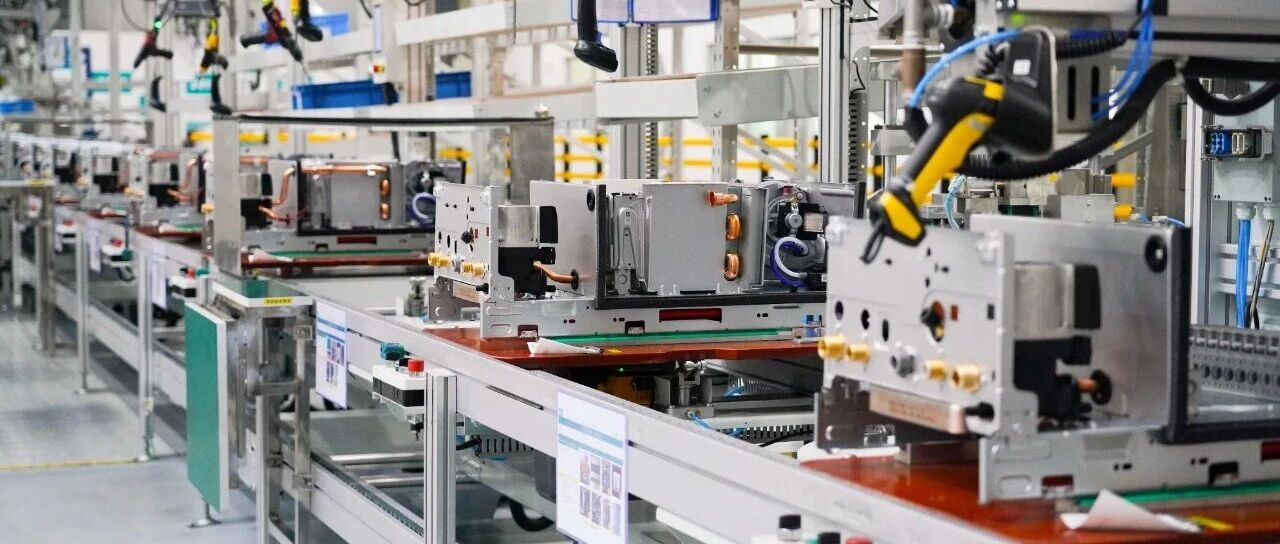
壁挂炉

Search documents
滨海投资(02886) - 自愿性公告 - 与泰达城更签署战略合作协议
2026-03-11 08:46
香港交易及結算所有限公司及香港聯合交易所有限公司對本公告的內 容 概 不 負 責,對 其 準 確 性 或 完 整 性 亦 不 發 表 任 何 聲 明,並 明 確 表 示,概 不對因本公告全部或任何部分內容所產生或因倚賴該等內容而引致的 任 何 損 失 承 擔 任 何 責 任。 (於 百 慕 達 註 冊 成 立 之 有 限 公 司) (股份代號:2886) 自願性公告 與泰達城更簽署戰略合作協議 本 公 告 乃 濱 海 投 資 有 限 公 司(「本公司」,連 同 其 附 屬 公 司 統 稱「本集團」) 自 願 作 出。 本 公 司 董 事 會(「董事會」)欣 然 宣 佈,本 公 司 全 資 附 屬 公 司 海 南 濱 海 泰 悅 家 科 技 有 限 公 司(「泰悅家」)與 天 津 泰 達 投 資 控 股(集 團)有 限 公 司(「泰 達 控 股」)(本 公 司 之 控 股 股 東)全 資 附 屬 公 司 天 津 泰 達 城 市 更 新 建 設 發 展 有 限 公 司(「泰達城更」)訂 立 戰 略 合 作 框 架 協 議(「戰略合作協議」),以 建 立 長 期 戰 略 合 作 關 係,共 同 推 動 國 家「好 ...
2026年郑州市消费品以旧换新补贴活动启动
Zheng Zhou Ri Bao· 2026-01-13 00:47
Core Viewpoint - The announcement by the Municipal Bureau of Commerce regarding the launch of a subsidy program for the replacement of consumer goods, including automobiles, home appliances, and digital smart products, in 2026 aims to stimulate consumption and promote energy-efficient products [1] Automotive Sector - Consumers can apply for vehicle scrapping and replacement subsidies through the national automotive circulation information management system or the "Automobile Trade-in" mini-program [1] - For vehicle replacement subsidies, consumers must retain relevant proof materials until the Henan Province 2026 vehicle replacement subsidy application system is launched [1] Home Appliances Sector - Consumers purchasing specific home appliances such as refrigerators, washing machines, televisions, air conditioners, computers, and water heaters will receive a subsidy of 15% of the final sales price for energy-efficient products [1] - Each consumer can receive a subsidy for one unit per product category, with a maximum subsidy of 1,500 yuan per item [1] Digital Smart Products Sector - Consumers buying eligible digital smart products, including smartphones, tablets, smartwatches, and smart glasses, priced at no more than 6,000 yuan, will also receive a subsidy of 15% of the final sales price [1] - Similar to home appliances, each consumer can receive a subsidy for one unit per product category, with a maximum subsidy of 500 yuan per item [1] - The Cloud Flash Payment APP serves as the entry point for claiming subsidies in the home appliances and digital smart products sectors [1]
河北农村居民反映取暖贵
第一财经· 2026-01-06 13:46
Core Viewpoint - The article highlights the rising heating costs for rural residents in Hebei province due to the "coal-to-gas" policy, which has led to increased natural gas prices and reduced subsidies, causing financial strain on households [3][4][6]. Group 1: Heating Costs and Subsidy Changes - Many families in Hebei are experiencing significantly higher heating costs after transitioning from coal to gas, with some reporting winter heating expenses exceeding 8,000 yuan [4][6]. - The average disposable income for rural residents in Hebei is 22,022 yuan for 2024, indicating that heating costs represent a substantial financial burden [4]. - The initial subsidies for gas heating were around 1 yuan per cubic meter, but have since decreased to as low as 0.2 yuan per cubic meter, exacerbating the cost issue for residents [5][6]. Group 2: Natural Gas Price Increases - Natural gas prices in Hebei have remained stable around 3 yuan per cubic meter, with a reported average increase of 0.391 yuan per cubic meter in 2023, marking a 14% rise [6]. - Specific cities like Shijiazhuang and Chengde have seen their residential gas prices increase to 3.15 yuan and 3.3 yuan per cubic meter, respectively [6]. Group 3: Equipment and Maintenance Challenges - Many households that adopted gas heating are facing the need to replace aging wall-mounted boilers, which can cost over 3,000 yuan, raising concerns about who will bear these costs [7]. - The article suggests that the transition to gas heating has improved air quality and living standards, but the reduction in subsidies poses new challenges for affordability [8]. Group 4: Policy Recommendations - Experts recommend a gradual transition in subsidy policies to avoid abrupt cuts, particularly for low-income households, and suggest linking subsidies to income and gas prices [8]. - There is a call for promoting efficient gas equipment and improving housing insulation to reduce gas consumption, as well as exploring alternative heating methods [8]. Group 5: Regional Policy Variations - Not all areas in Hebei are implementing the same subsidy reductions; for instance, Tangshan has committed to maintaining a subsidy of 0.8 yuan per cubic meter for gas users during the heating season [8]. - The economic strength of regions like Mian'an, which has a significantly higher average disposable income than the provincial average, allows for different subsidy strategies [9].


气价补贴退坡,河北农村居民反映取暖贵
Di Yi Cai Jing· 2026-01-06 13:21
Core Viewpoint - The balance between environmental goals and affordability for residents is a pressing issue for local governments, particularly highlighted by the rising heating costs in Hebei province due to the "coal-to-gas" initiative and subsequent subsidy reductions [1][4][6]. Group 1: Heating Costs and Subsidy Changes - The transition to gas heating has led to significantly higher costs for residents, with some families reporting winter heating expenses exceeding 8,000 yuan, compared to less than 2,000 yuan for coal previously [1][4]. - Hebei's rural residents have an average disposable income of 22,022 yuan in 2024, making heating costs a substantial burden [4]. - Initial subsidies for gas heating were around 1 yuan per cubic meter, but have now decreased to as low as 0.2 yuan per cubic meter in some areas, increasing the financial strain on residents [5][6]. Group 2: Impact of Price Adjustments - Natural gas prices in Hebei have remained stable around 3 yuan per cubic meter, with a reported average increase of 14% in 2023 [5]. - The adjustment of residential gas prices has been implemented in various regions, with some areas seeing prices rise to 3.3 yuan per cubic meter [5][6]. - The reduction in subsidies combined with rising gas prices has exacerbated the heating cost burden for "coal-to-gas" users [5][6]. Group 3: Recommendations and Local Variations - Experts suggest a gradual transition in subsidy policies to avoid abrupt cuts, particularly for low-income households, and recommend a dynamic adjustment mechanism linked to income and gas prices [6]. - There are variations in subsidy policies across different regions in Hebei, with some areas like Tangshan maintaining higher subsidy levels to support vulnerable groups [6][7]. - The economic strength of certain cities, such as Mian'an, which has a per capita disposable income of 36,065 yuan, indicates that local economic conditions can influence the effectiveness of subsidy policies [7].

华帝股份:将继续坚持高端品牌定位
Zheng Quan Ri Bao Zhi Sheng· 2025-12-04 14:12
Core Viewpoint - The company has established a comprehensive product structure centered around kitchen appliances, including range hoods, stoves, and water heaters, while also expanding into integrated kitchen appliances and other home customization products [1] Group 1: Product Strategy - The company focuses on core kitchen appliance products such as range hoods, stoves, and water heaters [1] - The product line has been extended to include emerging integrated kitchen appliances like integrated stoves, dishwashers, and steam ovens, as well as whole-house customization and water purification systems [1] Group 2: Business Development - The company aims to maintain a high-end brand positioning and strengthen its traditional product advantages [1] - Future strategic development will be based on a comprehensive consideration of the company's operational status and industry market trends [1] Group 3: Operational Focus - The company plans to enhance sustainable development through technological innovation, operational efficiency optimization, and organizational capability strengthening [1]

杭州启动燃气设备“体检”
Hang Zhou Ri Bao· 2025-12-04 02:32
Core Viewpoint - The company is enhancing safety measures for natural gas usage in response to the winter peak demand, focusing on preventing carbon monoxide poisoning and gas leaks through inspections and digital monitoring systems [1] Group 1: Safety Measures - The Hangzhou Natural Gas Company is conducting indoor safety inspections on gas water heaters and wall-mounted boilers to ensure proper operation and compliance with safety standards [1] - A special ledger is established for serious hazards identified during inspections, providing guidance for rectification and promoting dynamic elimination of risks [1] Group 2: Technological Integration - The company utilizes smart gas meters with a coverage rate of 94.6% in the main urban area to implement a "smart gas" system for 24-hour gas usage monitoring [1] - Pilot programs for gas leak alarms are being promoted to build a digital protection system, enhancing safety monitoring efficiency [1] Group 3: Public Awareness and Emergency Response - Continuous dissemination of safety knowledge through new media platforms is aimed at educating users on equipment operation, maintenance, and emergency response [1] - The company is strengthening emergency response capabilities during winter, ensuring that hotlines are available 24/7 for user inquiries and assistance [1]
统管华帝销售全渠道,韩伟或将升任公司执行总裁
Xin Lang Zheng Quan· 2025-11-24 08:45
Group 1 - The core point of the article is the strategic personnel adjustment at Vatti Corporation, with Han Wei reappointed as Vice President and expected to become the Executive President, focusing on integrating the company's omni-channel business [1] - The personnel change is part of a strategic planning layout for the marketing system's integration and development, aimed at enhancing the efficiency and quality of the marketing system [1] - The organizational restructuring is expected to facilitate Vatti's channel strategy, sales tactics, and the rapid implementation of product and sales linkage [1] Group 2 - In the increasingly competitive kitchen appliance industry, companies must maintain strategic focus and deepen industry engagement, leveraging user insights for product innovation and enhancing channel operational capabilities [3] - Vatti has followed a development path aligned with the "scientific brand" concept, achieving innovative breakthroughs in various product categories such as ultra-thin range hoods, high-end gas water heaters, dishwashers, steam ovens, and wall-mounted boilers [3] - The adjustment in Vatti's marketing strategy is particularly relevant in the post-subsidy era, where reduced national subsidies are expected to intensify industry competition, making the integration of channel strategies and sales tactics more crucial [3]

第四届“苏新消费 家电家装购物季”启幕,京东电器3亿补贴助力以旧换新
Yang Zi Wan Bao Wang· 2025-11-18 10:34
Core Insights - The "4th Su Xin Consumption Home Appliance and Home Decoration Shopping Season" was launched in Nanjing, focusing on the theme "AI Restructuring, Butterfly Change, Win-Win" to explore transformation paths for the home appliance industry in the AI era [1] - The event aims to stimulate year-end consumer potential through various subsidies and discounts, particularly targeting the autumn and winter home appliance consumption peak [1][2] Group 1: Event Overview - The event was guided by the Jiangsu Provincial Department of Commerce and involved major companies like JD Electronics and A.O. Smith, emphasizing green and smart home appliance consumption trends [1][2] - A total investment of over 300 million yuan was announced by JD Electronics to support the old-for-new exchange program, with an average discount of over 30% [2] Group 2: Marketing and Consumer Engagement - The shopping season features a multi-channel marketing approach, including a launch ceremony, large-scale special events, community actions, and various promotional activities [2] - JD MALL is creating immersive shopping experiences with dedicated areas for laundry care, smart home displays, and climate customization, enhancing consumer engagement [3] Group 3: Industry Insights and AI Empowerment - The Innovation Integration Annual Conference highlighted AI's role in transforming the retail landscape, with industry leaders sharing insights on market trends and consumer behavior [4] - Discussions focused on the shift from functional satisfaction to emotional resonance in consumer preferences, emphasizing the importance of scenario creation and interaction [5]

当采暖成为消费热点,德国威能加速深耕中国市场
Di Yi Cai Jing Zi Xun· 2025-11-07 00:45
Core Insights - Global brands are reassessing the deep value of localization in light of China's manufacturing rise and consumer awareness upgrade [1] - The transition from "producing in China" to "innovating for the world" is a key focus for companies [1] Industry Overview - The modern industrial base in Wuxi, covering over 64,000 square meters, symbolizes the shift in global narratives [1] - The German brand Vaillant operates this facility, with an annual production capacity of 1.5 million units, while the wall-mounted boiler sales in China are projected to reach 2 million units in 2024 [3] - Approximately 40% of the factory's electricity comes from photovoltaic power, and it has achieved international LEED Gold certification, reflecting the growing importance of heating solutions among Chinese consumers [3] Consumer Behavior Changes - Consumer perception has evolved from "brand worship" to "quality recognition," with China's manufacturing value expected to account for nearly 30% of the global total by 2025 [4] - The overall scale of China's manufacturing has maintained the top position globally for 15 consecutive years [4] - The shift in consumer mindset indicates a more rational judgment, where consumers are clearer about their product needs and lifestyle preferences [4] Market Demand Diversification - The demand in the Chinese market has become increasingly diverse, reflecting the changing consumer mindset [6] Product Development Insights - Specific product requirements, such as higher adjustment ratios for wall-mounted boilers to accommodate varying water temperatures, are critical for usability [9] - Noise control is emphasized, with dedicated soundproofing labs focusing on psychological acoustics to ensure products operate quietly [10] - Smart features, such as remote operation and temperature settings via an app, are driven by Chinese customer demands, influencing global product upgrades [10] Global Innovation Impact - Innovations developed for the Chinese market are now influencing global products, with Vaillant exporting approximately 300,000 water heaters annually to over ten European countries [12] - The collaboration with Southeast University since 2019 has led to algorithm optimizations that cater to both local and international markets [12] Challenges for Multinational Companies - Multinational companies face the challenge of adapting to local market needs rather than merely replicating existing production systems [14] - China's market is evolving from being a traditional manufacturing hub to becoming a center for global innovation [14] Global Consumer Consensus - Successful products can achieve global recognition, as evidenced by the popularity of brands like Labubu among young consumers worldwide [16] - The operational strategies of foreign brands in China are shifting towards deep adaptation to local needs while maintaining core standards, leading to local innovations influencing global standards [16]

当采暖成为消费热点,德国威能加速深耕中国市场
第一财经· 2025-11-07 00:35
Core Viewpoint - Global brands are reassessing the deep value of localization in the context of China's manufacturing rise and consumer awareness upgrade, seeking a balance between global standards and localized demands while transitioning from "producing in China" to "innovating for the world" [1][3]. Group 1: Consumer Awareness Upgrade - The shift in consumer perception in China has evolved from "brand worship" to "quality recognition," reflecting a more rational judgment about products and lifestyles [4][5]. - By 2025, China's manufacturing value-added share is expected to approach 30% globally, maintaining its position as the largest manufacturing economy for 15 consecutive years [5]. Group 2: Market Demand Diversification - The demand in the Chinese market has become increasingly diverse, necessitating tailored product features to meet specific consumer needs [7]. Group 3: Product Adaptation and Innovation - The wall-hung boiler products require higher adjustment ratios to maintain comfort in higher inlet water temperatures prevalent in China, compared to Europe [10]. - Noise reduction involves a comprehensive approach, utilizing psychological acoustics to ensure products operate quietly and unobtrusively [11]. - Smart features, such as remote operation and temperature settings via an app, have emerged from Chinese consumer demands, influencing global product development [11]. Group 4: Global Innovation Hub - Since 2019, collaboration with Southeast University has led to algorithm optimization and sensor integration, resulting in products that appeal to European markets, with approximately 300,000 water heaters exported annually to over ten European countries [13]. - The role of the Chinese market has fundamentally shifted from being a traditional manufacturing hub to becoming a center for global innovation [15]. Group 5: Cross-Cultural Brand Recognition - Successful products can achieve global consensus, as evidenced by the popularity of brands like Labubu among young consumers in China and worldwide [17]. - The operational strategy of foreign brands in China has evolved to deeply adapt to local needs while maintaining core standards, leading to local innovations that can set global benchmarks [18].