烟酒店转型

Search documents
一年消失32万家!曾年入百万的烟酒店铁饭碗,被年轻人砸得稀碎
Sou Hu Cai Jing· 2026-02-07 14:55
Core Viewpoint - The traditional tobacco and alcohol retail industry in China is facing a significant decline, with a projected 19% reduction in the number of tobacco shops by 2025, equating to the closure of approximately 320,000 stores annually, and over 1.3 million closures in the past five years [2][12]. Industry Overview - Tobacco shops were once considered a stable business, with high demand for tobacco licenses and substantial profits, often exceeding 50,000 yuan per month even with low foot traffic [4][9]. - The industry thrived on B2B sales, primarily through corporate orders, which accounted for over 60% of sales in many shops [7][9]. Market Changes - The decline in tobacco shops is attributed to changing consumer preferences, particularly among younger generations who are moving away from traditional drinking and smoking cultures [16][34]. - The introduction of strict regulations, such as the 2025 alcohol ban, has severely impacted business, leading to a drastic reduction in corporate orders [10][11]. Competitive Landscape - The rise of large chain liquor stores and direct sales from alcohol manufacturers has further squeezed the profit margins of traditional tobacco shops, with many owners reporting profit margins below 10% [17][19]. - Consumers are increasingly using tobacco shops as showrooms before purchasing online, diminishing the traditional retail model [21]. Adaptation Strategies - Some tobacco shop owners are pivoting to meet the demands of younger consumers by offering lower-priced, everyday alcohol options and diversifying their product offerings to include snacks and beverages [26][30]. - Innovative strategies include leveraging social media for marketing, creating community engagement through services like package delivery, and transforming shops into lifestyle venues [28][30]. Industry Trends - The decline of tobacco shops reflects broader trends in various industries, with significant closures in pharmacies, eyewear stores, and beauty brands, indicating a shift in consumer behavior and market dynamics [31][32]. - The survival of tobacco shops will depend on their ability to adapt to changing consumer preferences and embrace new business models [34].

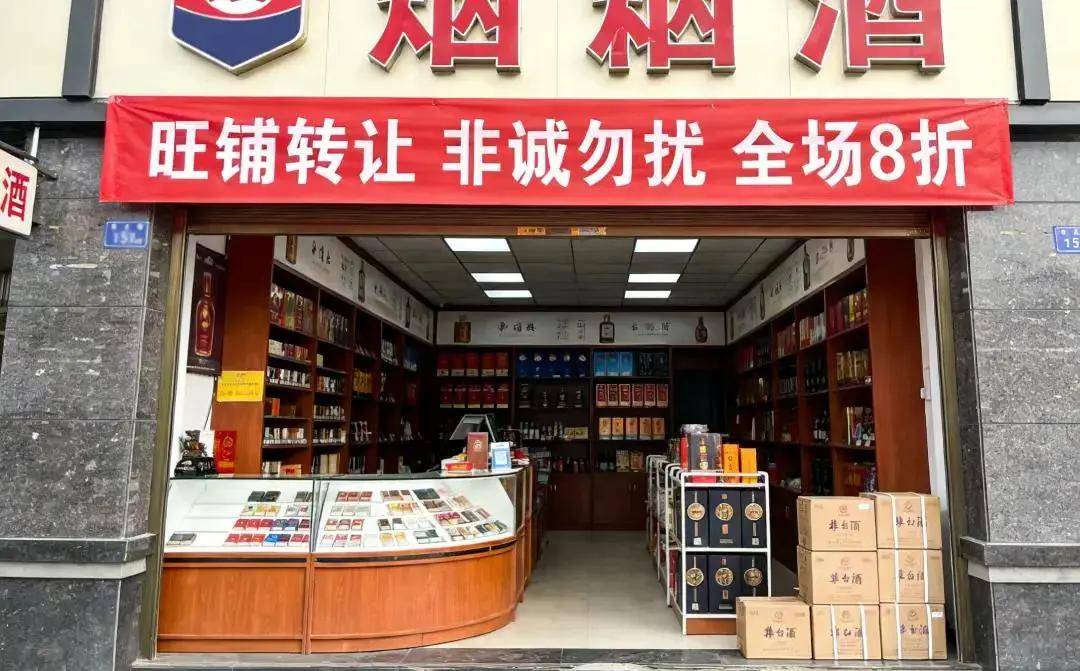
32万家街边烟酒店,被年轻人砸了铁饭碗
36氪· 2026-01-07 13:55
Core Viewpoint - The article discusses the drastic decline of tobacco and liquor stores in China, highlighting the shift in consumer behavior and the impact of regulatory changes on the industry [6][10][26]. Group 1: Industry Overview - In 2025, the number of tobacco and liquor stores in China decreased by approximately 19%, equating to the closure of around 320,000 stores [7]. - Over the past five years, more than 1.3 million tobacco and liquor stores have shut down, averaging nearly 900 closures per day [7][25]. - The traditional business model of tobacco stores, which relied heavily on local corporate bulk purchases, has been severely disrupted [15][19]. Group 2: Consumer Behavior Changes - Younger consumers are increasingly rejecting traditional drinking culture, with only 19% of individuals aged 20-35 preferring liquor, while over half favor beer or wine [31]. - The smoking rates among younger generations are declining, with only about 10% of post-2000s individuals smoking, compared to 20% of those born in the 1980s [33]. - The shift in consumer preferences has led to a significant drop in sales, with some regions experiencing an 80% decline in liquor sales [20]. Group 3: Competitive Landscape - National chain liquor stores are expanding, contrasting sharply with the decline of individual tobacco shops, as they leverage strong capital and standardized services [34][36]. - The profit margins for many tobacco stores have fallen below 10%, leading to a situation where many are operating at a loss [36]. - Direct-to-consumer sales by liquor companies through online platforms have eliminated the traditional price advantage held by tobacco stores [39][42]. Group 4: Adaptation Strategies - Some tobacco stores are attempting to survive by diversifying their offerings, including introducing lower-priced liquor and other products to attract local consumers [52][54]. - Innovative strategies include leveraging social media for marketing and creating community engagement through services like package delivery and local promotions [57][58]. - A few stores are transforming into lifestyle venues, offering a mix of products and experiences to appeal to younger consumers [62][64]. Group 5: Industry Outlook - The article suggests that while the traditional tobacco store model is failing, the demand for tobacco and liquor remains, indicating that the industry will continue to exist but will require adaptation to survive [66]. - The ongoing trend of closures in various sectors, including pharmacies and beauty stores, underscores the broader need for industries to evolve in response to changing consumer behaviors and market conditions [67][68].
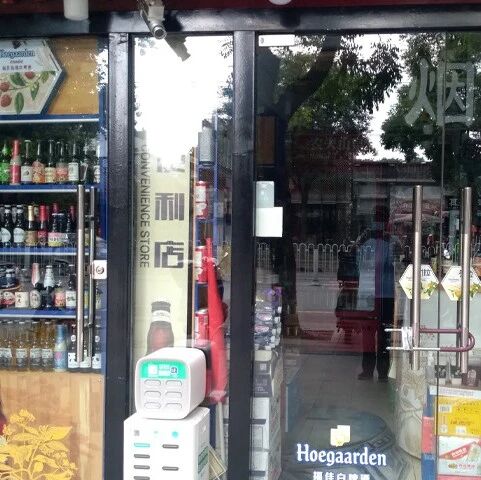
矛盾的烟酒店
Hu Xiu· 2025-10-11 01:45
Core Viewpoint - The traditional tobacco and liquor retail industry is facing a systemic crisis, driven by internal operational rigidity and external market pressures, leading to significant profit erosion and operational challenges for retailers like Wang Cheng [12][26]. Group 1: Market Changes - The business model of tobacco and liquor retail, which relied on high-frequency cigarette sales to cover fixed costs and high-margin liquor sales for profit, is no longer effective [1][6]. - The sales volume for high-end cigarettes has drastically decreased, with some products selling for less than their official prices, indicating a collapse in the pricing structure [5][6]. - Liquor sales are experiencing unprecedented price wars, with some well-known brands selling below their purchase prices, further straining profitability [7][23]. Group 2: Internal Challenges - The internal operational mechanisms, particularly the tiered distribution system, have become a burden rather than an incentive, forcing retailers to purchase unsellable products to maintain their status [14][20]. - Retailers are increasingly opting to reduce or abandon their weekly order quotas and downgrade their tobacco licenses as a survival strategy [9][10]. - The traditional profit model has been disrupted, with retailers facing losses on previously profitable products, leading to a reevaluation of their inventory strategies [19][25]. Group 3: External Pressures - The rise of e-commerce platforms has significantly impacted traditional retail, as consumers can now access better prices online, undermining the cash flow from high-end liquor sales [22][24]. - The transparency of pricing and availability on online platforms has eroded the competitive advantage that traditional retailers once held through personal relationships and information asymmetry [23][26]. Group 4: Transformation Strategies - Retailers are exploring two main transformation strategies: integrating with online platforms for digital operations and enhancing community engagement through personalized service [27][31]. - While some retailers have seen initial success with online orders, the majority find that this approach does not fundamentally resolve their core business challenges [30][35]. - Strengthening community ties and providing personalized service can create a competitive edge that online platforms cannot replicate, as seen in Wang Cheng's efforts to build trust and relationships with customers [33][36].
禁酒令60天后,烟酒店扛不住了
36氪· 2025-08-03 09:07
Core Viewpoint - The article discusses the significant impact of the newly implemented "strictest alcohol ban" on the liquor retail industry, particularly focusing on the survival crisis faced by smoke shops, which are heavily reliant on B2B sales to government and enterprise clients [5][6][22]. Group 1: Impact of the Alcohol Ban - The "strictest alcohol ban" has led to a drastic decline in sales for smoke shops, with some regions reporting a year-on-year drop of up to 80% in white liquor sales [8][20]. - Smoke shops, which previously relied on government and enterprise orders for about 50% of their sales, are now facing a collapse in this segment due to the ban on alcohol at work-related meals [10][34]. - The overall revenue of the liquor industry in Shandong decreased by 18.7% in the first month of the ban, which is significantly better than the 40%-80% drop experienced by smoke shops [23]. Group 2: Business Model of Smoke Shops - Smoke shops operate under a unique business model that is heavily dependent on B2B sales, with government and enterprise orders constituting a large portion of their revenue [10][29]. - The article highlights that the commercial logic of smoke shops is fundamentally different from traditional retail, as they rely more on client relationships and less on retail sales [26][30]. - The shift in the market dynamics due to the ban has forced smoke shops to transition from a client-resource-based model to a market-competitive model, leading to a significant transformation in their operations [38][41]. Group 3: Future of Smoke Shops - The future of smoke shops is uncertain, with many facing the possibility of closure or a shift to different business models as they adapt to the new market conditions [45]. - Some smoke shops are exploring new avenues such as instant retail and gift card sales to mitigate the impact of the ban on their traditional business [41][42]. - Despite efforts to adapt, smoke shops face stiff competition from larger retail chains and convenience stores, which have advantages in pricing and product variety [43].