
烟酒店

Search documents
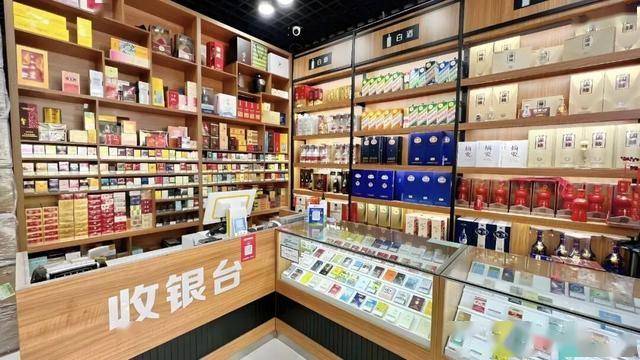
一年关闭32万家,烟酒店也不是好生意了?
Sou Hu Cai Jing· 2026-02-28 03:56
Core Viewpoint - The tobacco and alcohol retail industry is facing significant challenges, with high-end liquor sales declining and low-priced cigarettes becoming more popular, leading to a profit squeeze for retailers [2][3][22]. Group 1: Retail Challenges - Many tobacco shop owners, like Li Ming, are considering closing their stores due to poor sales and high operational costs, with monthly gross profits falling below 30,000 yuan [5][6]. - The average revenue for tobacco shops has decreased by approximately 40% from 2021 to 2024, indicating a severe downturn in the industry [17]. - The number of tobacco shops in China has dropped by about 19% in 2025, equating to a loss of around 320,000 stores, with a total of over 1.3 million shops expected to close in five years [17]. Group 2: Consumer Behavior Changes - Consumers are becoming more rational and price-sensitive, leading to a shift in purchasing habits towards lower-priced products, which has negatively impacted high-end liquor sales [10][12]. - The demand for bulk purchases from corporate clients has significantly decreased, with some regions reporting an 80% drop in white liquor sales following stricter regulations [12][13]. Group 3: Competitive Pressures - Increased competition and price transparency have made it difficult for tobacco shops to maintain profitability, with many retailers struggling to cover basic operational costs [8][10]. - The rise of e-commerce and direct-to-consumer sales by liquor companies has further eroded the customer base for traditional tobacco shops [16][19]. Group 4: Future Outlook - The industry is undergoing structural changes, with many traditional retail models becoming unsustainable as consumer preferences shift towards online and instant retail options [19][21]. - Despite the challenges, new shops continue to open, indicating that not all operators are suited for the tobacco retail business, and those without strong customer networks may struggle to survive [21][22].

县城零售,冰火两重天
虎嗅APP· 2025-11-23 10:01
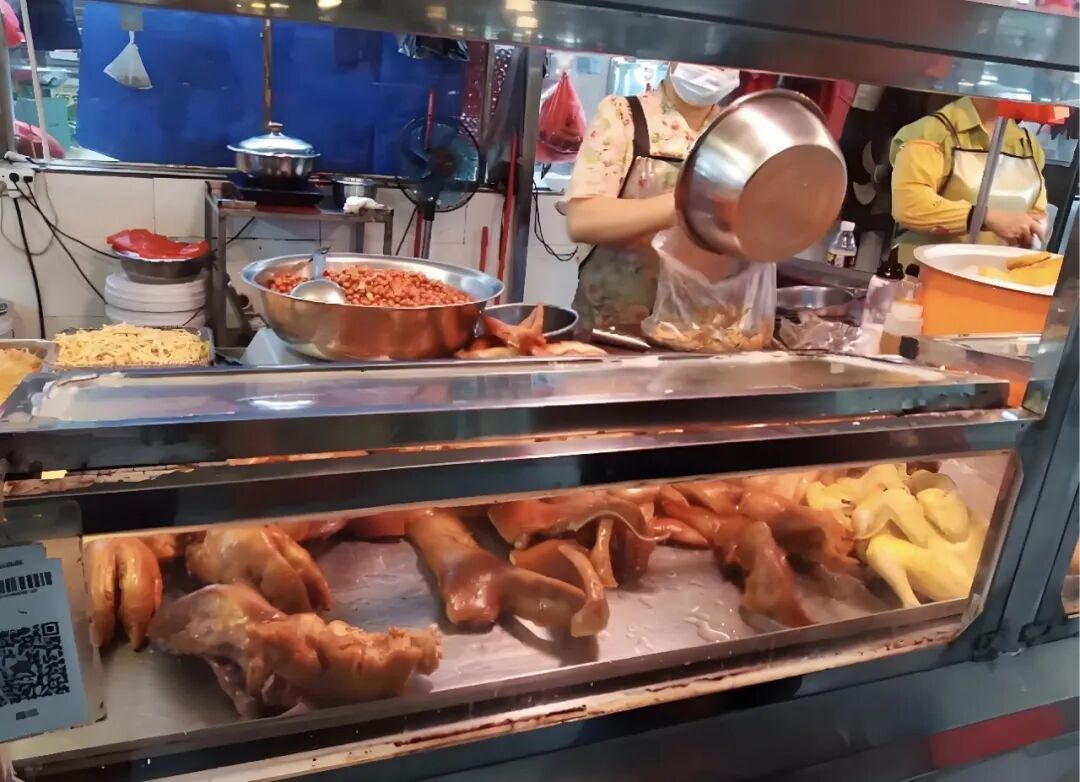
Core Viewpoint - The retail landscape in county-level cities is experiencing a stark contrast, with discount stores thriving while traditional supermarkets and convenience stores struggle to survive [2][11][30]. Group 1: Retail Performance Disparity - In a county commercial street, a well-established cooked food store is thriving, selling around 500 kg of cold dishes daily, while nearby stores face poor sales [3][6][8]. - Discount stores are attracting significant customer traffic, with one store reporting daily sales of 5,000 yuan in its first month and reaching over 10,000 yuan during peak periods [15][17]. - Traditional supermarkets are witnessing a drastic decline in sales, with one store's weekend sales dropping from 7,000-8,000 yuan to 3,000-4,000 yuan, reflecting a nearly 50% decrease in revenue over two years [19][21]. Group 2: Consumer Behavior Changes - Consumers in county areas are increasingly price-sensitive, with 71% prioritizing cost-effectiveness in their shopping decisions, significantly higher than the 58% in first- and second-tier cities [17][30]. - The shift towards online shopping is notable, with the proportion of online purchases in county areas rising from 32% in 2019 to 58% in 2024 [32]. Group 3: Industry Trends and Challenges - The number of discount stores is rapidly increasing, with a projected growth of 67% in 2024, particularly in county markets where over 55% of new stores are located [17][30]. - Convenience stores are facing high closure rates, with an 18% closure rate in county areas, compared to 12% in first- and second-tier cities [24]. - The restaurant industry is also struggling, with a closure rate of 16% in county markets, indicating a challenging environment for many dining establishments [28]. Group 4: Structural Changes in Retail - The retail industry is shifting from a "big and comprehensive" model to a "small and specialized" approach, with businesses focusing on niche markets to enhance competitiveness [34][36]. - Rising operational costs, particularly in rent and labor, are reshaping the industry landscape, making it difficult for traditional supermarkets to maintain profitability [36][37]. - Capital investment is increasingly favoring growth-oriented sectors like discount stores and specialty shops, leaving traditional retail formats with limited funding opportunities [37][38].
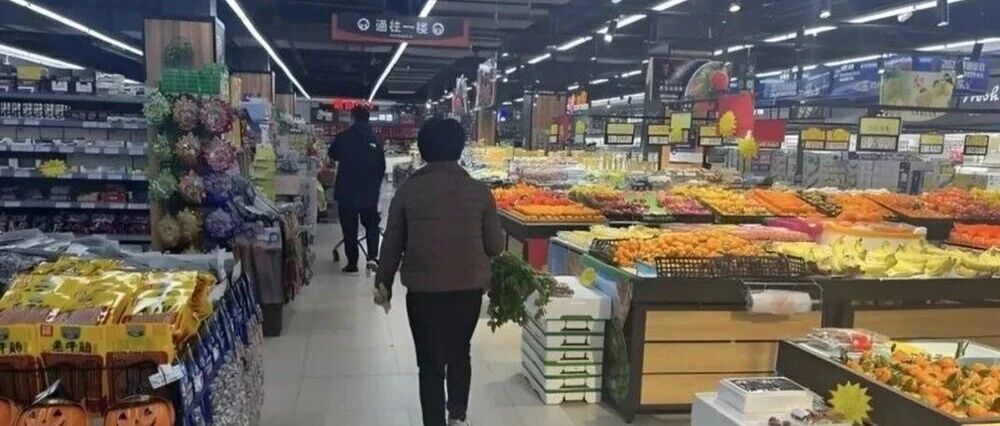
县域零售冰火两重天:一条街上,折扣店火爆,超市、便利店冷清
3 6 Ke· 2025-11-11 02:31
Core Insights - The retail landscape in county-level cities in China is experiencing significant divergence, with some businesses thriving while others struggle to survive [7][12][18] - Consumer preferences have shifted towards value and quality, leading to a decline in traditional retail formats [19][23] - The rise of discount stores and specialized food shops is reshaping the competitive dynamics in the retail sector [10][25] Summary by Sections Business Performance - Zhang Ning's熟食店 has been successful, selling around 500 kg of cold dishes daily, while other nearby stores are struggling [1][5] - The county has a low population density of approximately 400,000 residents, with a significant shift in consumer behavior towards new urban areas [3][5] - Discount stores are gaining traction, with one store achieving daily sales of 5,000 yuan shortly after opening, and sales peaking during holidays [8][10] Market Trends - The discount store model is expanding rapidly, with a projected 67% increase in the number of stores in 2024, particularly in county markets [10][11] - Consumers in county areas prioritize price, with 71% citing value for money as their primary consideration [10][11] - Traditional supermarkets are facing a decline, with average customer traffic down 23% and sales down 18% in 2024 [11][12] Consumer Behavior - There is a notable shift in consumer purchasing habits, with a significant increase in online shopping from 32% in 2019 to 58% in 2024 [21][19] - Consumers are increasingly favoring specialized stores over traditional supermarkets, which struggle to compete on price and convenience [14][23] Industry Dynamics - The retail industry is moving towards specialization, with discount stores focusing on specific product categories to enhance efficiency [23][25] - Rising operational costs, particularly in rent and labor, are challenging traditional retail formats, making it difficult for them to maintain profitability [25][26] - Capital investment is increasingly directed towards high-potential sectors like discount stores and specialty food shops, leaving traditional formats with less financial support [25][26] Regional Disparities - There are significant regional differences in consumer spending, with eastern coastal counties showing higher retail sales per capita compared to central and western counties [17][18] - The retail landscape is characterized by a mix of thriving and failing businesses, reflecting broader economic trends and consumer preferences [27]
矛盾的烟酒店
虎嗅APP· 2025-10-11 09:53
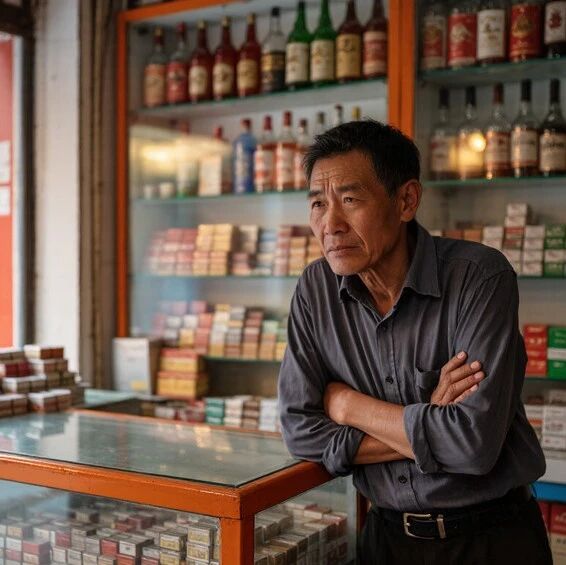
Core Viewpoint - The traditional tobacco and liquor retail industry is facing a systemic crisis, driven by internal operational rigidity and external market pressures, leading to significant profit erosion and operational challenges for retailers like Wang Cheng [6][10][18]. Group 1: Industry Challenges - Wang Cheng's tobacco shop, once thriving, is now struggling due to a collapse in the pricing system for high-end cigarettes, with sales volumes dropping significantly and profits dwindling [7][8]. - The traditional profit model of "cigarettes cover costs, liquor generates profit" has been disrupted, as cigarette sales no longer cover operational expenses, and liquor sales are embroiled in price wars [9][10]. - Retailers are resorting to "abandoning orders" and "downgrading" their tobacco licenses as a form of silent resistance against the pressures from upstream tobacco companies [9][10]. Group 2: Internal and External Factors - Internal issues stem from a rigid tiered system that ties tobacco licenses to sales volumes, forcing retailers to stock unsellable products alongside popular ones, which becomes unsustainable in a cooling market [12][15]. - External pressures include the rise of e-commerce platforms that disrupt traditional sales channels, leading to a loss of core customers and diminishing profit margins for high-end liquor sales [16][18]. Group 3: Transformation Strategies - Retailers are exploring two main transformation strategies: integrating with online platforms for digital operations and enhancing community service through in-person interactions [20][21]. - While online platforms can generate some new orders, they often fail to address the core business decline, as the demand for high-margin products does not align with the instant retail model [22][23]. - Community-focused strategies emphasize building trust and personalized relationships with customers, which can create a competitive edge that online platforms cannot replicate [24][25]. Group 4: Future Outlook - The traditional tobacco and liquor retail sector is at a critical juncture, where merely adopting new channels will not suffice; a deep transformation of the business model is essential for survival [26].
矛盾的烟酒店
Hu Xiu· 2025-10-11 01:45
Core Viewpoint - The traditional tobacco and liquor retail industry is facing a systemic crisis, driven by internal operational rigidity and external market pressures, leading to significant profit erosion and operational challenges for retailers like Wang Cheng [12][26]. Group 1: Market Changes - The business model of tobacco and liquor retail, which relied on high-frequency cigarette sales to cover fixed costs and high-margin liquor sales for profit, is no longer effective [1][6]. - The sales volume for high-end cigarettes has drastically decreased, with some products selling for less than their official prices, indicating a collapse in the pricing structure [5][6]. - Liquor sales are experiencing unprecedented price wars, with some well-known brands selling below their purchase prices, further straining profitability [7][23]. Group 2: Internal Challenges - The internal operational mechanisms, particularly the tiered distribution system, have become a burden rather than an incentive, forcing retailers to purchase unsellable products to maintain their status [14][20]. - Retailers are increasingly opting to reduce or abandon their weekly order quotas and downgrade their tobacco licenses as a survival strategy [9][10]. - The traditional profit model has been disrupted, with retailers facing losses on previously profitable products, leading to a reevaluation of their inventory strategies [19][25]. Group 3: External Pressures - The rise of e-commerce platforms has significantly impacted traditional retail, as consumers can now access better prices online, undermining the cash flow from high-end liquor sales [22][24]. - The transparency of pricing and availability on online platforms has eroded the competitive advantage that traditional retailers once held through personal relationships and information asymmetry [23][26]. Group 4: Transformation Strategies - Retailers are exploring two main transformation strategies: integrating with online platforms for digital operations and enhancing community engagement through personalized service [27][31]. - While some retailers have seen initial success with online orders, the majority find that this approach does not fundamentally resolve their core business challenges [30][35]. - Strengthening community ties and providing personalized service can create a competitive edge that online platforms cannot replicate, as seen in Wang Cheng's efforts to build trust and relationships with customers [33][36].