
烟草

Search documents
上海实业控股(00363)发布2025年度业绩 净利润20.2亿港元 末期股息每股50港仙
智通财经网· 2026-03-30 09:08
Group 1: Financial Performance - The company reported a total revenue of HKD 20.832 billion and a net profit of HKD 2.02 billion for the fiscal year 2025, with basic earnings per share at HKD 1.858 [1] - A final dividend of HKD 0.50 per share and a special dividend of HKD 0.20 per share are proposed [1] Group 2: Business Segments - The infrastructure and environmental business generated a profit of HKD 1.801 billion, a decrease of 31.5% compared to the previous year, accounting for approximately 93.4% of the group's net profit [1] - The consumer goods segment contributed a profit of HKD 0.756 billion, an increase of 17.5% year-on-year, representing about 39.2% of the group's net profit [2] Group 3: Strategic Focus - The company is focusing on water treatment and resource utilization, aiming to expand market share and optimize business layout to strengthen its leading position in China's water and environmental industry [1] - The company is committed to innovation and product development in the consumer goods sector to adapt to market changes and maintain steady sales growth [2] Group 4: Renewable Energy - As of the end of 2025, the company's solar power assets reached 740 megawatts, with 15 solar power projects generating approximately 863.38 million kilowatt-hours, a 10% decrease from the previous year due to ongoing power restrictions [1] - The company continues to enhance its research on macro policies, industry trends, and capital markets to meet market challenges [1]
消费税专题分享
2026-03-24 01:27
Summary of Consumption Tax Reform Conference Industry Overview - The conference discusses the upcoming consumption tax reform in China, expected to be officially implemented in 2026. The reform aims to address local fiscal deficits and stimulate consumption by shifting the tax collection point and redistributing tax revenues between central and local governments [2][3][4]. Key Points and Arguments Consumption Tax Reform Objectives - The core logic of the reform is "shifting the collection point + incremental revenue to local governments," aimed at compensating for land finance gaps and encouraging local consumption [2]. - The reform will establish a principle where the base amount of consumption tax (1.68 trillion yuan in 2025) will remain with the central government, while any incremental revenue will be allocated to local governments [4]. Specific Tax Categories and Changes - **Pilot Categories**: Refined oil is expected to be the first category to shift the collection point in 2026, while tobacco tax will remain stable in the short term. The reform for liquor is currently on hold due to complexities in distribution channels and increased tax burdens [2][6]. - **New Tax Categories**: The expansion of consumption tax will likely include a "sugar tax" and taxes on "three high" products (high energy consumption, high pollution, high waste), expected to be implemented by the end of 2026 [2][16]. - **Electric Vehicles**: Starting in 2026, a 5% purchase tax will be reinstated for electric vehicles, with potential future discussions on imposing a 5% consumption tax at the manufacturing stage to cover fuel tax gaps and road maintenance costs [2][18]. Impact on Specific Industries - **Tobacco**: Tobacco tax contributes 55% of total consumption tax revenue. The reform may shift the tax collection from wholesale to retail, but significant changes are not anticipated for 2026 [6][7]. - **Liquor**: The liquor industry is facing pressure due to potential tax increases if the collection point shifts to retail. The industry is currently resistant to changes due to concerns over increased tax burdens [10]. - **High-end Cosmetics**: A successful case of tax reduction from 30% to 15% has shown positive results in consumption recovery, suggesting that similar strategies could be applied to other luxury goods [11][12]. Regulatory Changes - **Tax Administration**: The tax administration will tighten regulations, particularly against smuggling and tax evasion, with a focus on e-commerce and cross-border transactions starting in 2025 [2][8][21]. - **Cross-border E-commerce**: New regulations will ensure that all e-commerce transactions are taxed appropriately, addressing previous loopholes that allowed tax evasion through order splitting [21]. Future Directions - The reform is expected to encourage local governments to create better consumption environments, shifting their focus from attracting investments to enhancing consumer spending [4]. - The potential introduction of a sugar tax aligns with global trends and health initiatives, aiming to promote healthier consumption patterns while providing additional revenue [16][17]. Other Important Insights - The reform is part of a broader strategy to stabilize fiscal revenue amid economic pressures, with a focus on ensuring fair distribution of tax revenues across regions [4][20]. - The historical context of the consumption tax reform highlights the need for sustainable fiscal policies as local governments have relied heavily on land sales for revenue [3]. This summary encapsulates the key discussions and insights from the conference regarding the upcoming consumption tax reform and its implications across various sectors.
联合国贸发会议报告指出:贸易政策深刻影响全球出口格局
Jing Ji Ri Bao· 2026-02-27 02:22
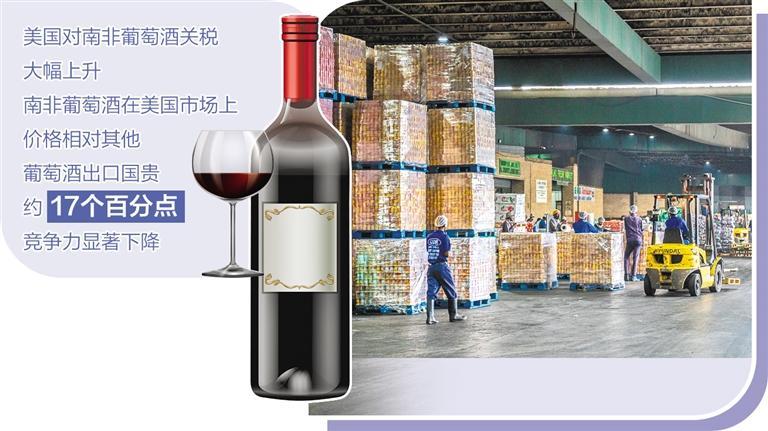
Core Insights - The UNCTAD report highlights that changes in trade policies are reshaping the global export competition landscape, particularly due to recent tariff changes in the US, which have made market access stricter and uneven [1][2] Trade Policy Changes - Tariff adjustments, regional trade agreements, and preferential programs are altering demand conditions and relative prices in domestic and international markets, significantly impacting the competitive position of countries and companies [1][2] - The report notes that the average applicable tariff in the US has increased by nearly 15 percentage points, leading to a significant expansion of tariff differences among suppliers [2][3] Impact on Export Competitiveness - Increased tariffs directly raise the cost of imported goods, leading to higher domestic prices and reduced competitiveness; for instance, US tariffs on South African wine have increased its price by approximately 17 percentage points compared to other wine-exporting countries [1][2] - Preferential programs, such as the African Growth and Opportunity Act (AGOA), provide special tariff treatment for eligible sub-Saharan African countries, enhancing their competitiveness in the US market for certain products like textiles and apparel [2][3] Geopolitical Factors - The report indicates that the escalation of global trade tensions and the rise of protectionism underscore the growing importance of geopolitical factors in future trade patterns, suggesting that trade measures may increasingly serve political objectives rather than purely economic ones [3] Opportunities in Export Trade - Changes in the trade environment are creating new export opportunities, with differentiated tariff structures leading to niche market opportunities; some developing countries may become alternative export hubs due to tariff advantages [4][5] - The restructuring of global value chains is driving regional optimization, with increased nearshoring and friend-shoring, particularly in intermediate goods trade between China and regions like ASEAN and Latin America [4][5]
联合国贸发会议报告指出——贸易政策深刻影响全球出口格局
Jing Ji Ri Bao· 2026-02-26 22:03
Core Insights - The UNCTAD report highlights that changes in trade policies are reshaping the global export competition landscape, particularly due to recent tariff changes in the US, which have made market access stricter and uneven [1][2] Trade Policy Changes - Tariff adjustments, regional trade agreements, and preferential programs are altering demand conditions and relative prices in domestic and international markets, significantly impacting the competitive position of countries and companies [1] - The report notes that the average applicable tariff in the US has increased by nearly 15 percentage points, with significant disparities in tariffs among different suppliers [2] Impact on Export Competitiveness - Increased tariffs directly raise the cost of imported goods, leading to higher domestic prices and reduced competitiveness. For instance, US tariffs on South African wine have increased its price by approximately 17 percentage points compared to other wine-exporting countries, diminishing its competitiveness [1] - Conversely, reduced tariffs on Italian rice have made it more competitive in the US market [1] Regional Trade Agreements and Preferential Programs - Regional trade agreements typically include tariff reduction clauses, facilitating freer trade among member countries and lowering transaction costs. They also often standardize technical regulations and certification processes, further enhancing member countries' competitiveness [2] - Preferential programs provide specific countries or regions with special tariff treatments below the most-favored-nation rate, enhancing their competitiveness. For example, the African Growth and Opportunity Act (AGOA) offers eligible sub-Saharan African countries preferential access to the US market, significantly boosting their competitiveness in certain goods like textiles and apparel [2] Geopolitical Factors - The report indicates that the recent escalation of global trade tensions and the rise of protectionism underscore the increasing importance of geopolitical factors in future trade dynamics. Trade policies may increasingly be influenced by political objectives rather than purely economic considerations [3] Opportunities from Trade Environment Changes - Changes in the trade policy environment create new export opportunities, with differentiated tariff structures leading to niche market opportunities. Some developing countries may become alternative export hubs due to tariff advantages [4] - The restructuring of global value chains is driving regional optimization, with a notable increase in nearshoring and friendshoring. Trade policy uncertainties may prompt importers to seek lower-tariff alternative suppliers when tariffs are imposed on certain products [4] - The differentiated treatment of tariffs may provide opportunities for high-end manufacturing products to enter the US market, especially for countries offering cost-competitive products. This shift may also lead to growth in service trade, such as technical support and after-sales services [4]
贸易政策深刻影响全球出口格局
Xin Lang Cai Jing· 2026-02-26 21:45
Core Insights - The UNCTAD report highlights that changes in trade policies are reshaping the global export competition landscape, particularly due to recent tariff changes in the US, which have made market access stricter and uneven [2][3] Trade Policy Changes - Tariff adjustments, regional trade agreements, and preferential programs are altering demand conditions and relative prices in domestic and international markets, significantly impacting the competitive position of countries and companies [2][3] - The report notes that the average tariff in the US has increased by nearly 15 percentage points, leading to a significant expansion of tariff differences among suppliers [3][4] Impact on Export Competitiveness - Increased tariffs directly raise the cost of imported goods, leading to higher domestic prices and reduced competitiveness. For instance, US tariffs on South African wine have risen significantly, making it approximately 17 percentage points more expensive compared to wines from other exporting countries [2][3] - Conversely, reduced tariffs on Italian rice have enhanced its competitiveness in the US market [2][3] Regional Trade Agreements and Preferential Programs - Regional trade agreements typically include tariff reduction clauses, which facilitate freer trade among member countries and lower transaction costs. They also often standardize technical regulations and certification processes, reducing non-tariff barriers [3][4] - The African Growth and Opportunity Act (AGOA) provides eligible sub-Saharan African countries with preferential treatment for exports to the US, significantly enhancing the competitiveness of certain products like textiles and apparel [3][4] Geopolitical Factors - The report indicates that rising global trade tensions and protectionism highlight the increasing importance of geopolitical factors in future trade regulations, suggesting that trade policies may increasingly serve political objectives and national security [4][5] Opportunities from Trade Environment Changes - Changes in trade policy are creating new export opportunities, with differentiated tariff structures leading to niche market opportunities. Some developing countries are becoming alternative export hubs due to tariff advantages [6] - The restructuring of global value chains is promoting regional trade, with significant growth in intermediate goods trade between China and regions like ASEAN and Latin America [6] - The differentiation in tariffs may provide high-end manufacturing products from certain countries with opportunities to enter the US market, especially if they can offer more cost-competitive products [6]

许昌宏美现代农业种植有限公司成立,注册资本200万人民币
Sou Hu Cai Jing· 2026-02-26 03:30
Core Viewpoint - A new company, Xuchang Hongmei Modern Agriculture Planting Co., Ltd., has been established with a registered capital of 2 million RMB, fully owned by Xuchang Tengfeng Agricultural Development Co., Ltd. [1] Company Information - Company Name: Xuchang Hongmei Modern Agriculture Planting Co., Ltd. [1] - Legal Representative: Zhang Guobao [1] - Registered Capital: 2 million RMB [1] - Shareholder: Xuchang Tengfeng Agricultural Development Co., Ltd. (100% ownership) [1] - Company Type: Other limited liability company [1] - Business Address: Wangluo Town, Xiangcheng County, Xuchang City, Henan Province, China [1] - Business Duration: Until February 25, 2026, with no fixed term [1] - Registration Authority: Xiangcheng County Market Supervision Administration [1] Business Scope - The company’s business activities include: - Cultivation of edible fungi, potatoes, beans, vegetables, tobacco, grains, and fruits [1] - Retail and initial processing of edible agricultural products [1] - Agricultural product acquisition, storage, and sales [1] - Agricultural machinery services and crop cultivation, harvesting, and straw processing services [1] - Smart agricultural management and agricultural scientific research and experimental development [1] - Sales of fertilizers, agricultural films, and seeds (limited to non-repackaged seeds) [1] - Retail of pesticides [1] - The company is involved in various agricultural activities, including primary agricultural product sales and auxiliary agricultural services [1]
津巴布韦出口激增12月贸易顺差2.4亿美元
Shang Wu Bu Wang Zhan· 2026-02-11 01:24
Core Insights - Zimbabwe achieved a trade surplus of $240.2 million in December 2025, marking a 163.8% increase from November, driven by increased exports of minerals and agricultural products such as gold, tobacco, and nickel [1] Export and Import Summary - December exports reached $1.142 billion, reflecting a month-on-month growth of 9.1%, while imports totaled $901.5 million, primarily consisting of fuel, machinery, grains, and vehicles [1] - Cumulative export revenue from January to November 2025 amounted to $8.57 billion, representing a year-on-year growth of 27%, indicating a sustained increase in export momentum [1] - The UAE, South Africa, and China are the main export markets, collectively accounting for nearly 90% of Zimbabwe's export revenue [1]
广东公安严打涉烟犯罪 查获走私烟数量同比增长87.04%
Nan Fang Ri Bao Wang Luo Ban· 2026-02-09 09:15
Core Viewpoint - The Guangdong Provincial Public Security Department is intensifying efforts to combat tobacco-related crimes, focusing on smuggling and counterfeit production, with significant increases in case resolutions and seized quantities of smuggled tobacco [1][2]. Group 1: Crime Statistics - In 2025, the number of resolved tobacco-related crime cases in Guangdong Province increased by 39.89% year-on-year [1] - The quantity of seized smuggled tobacco rose by 87.04% compared to the previous year [1] Group 2: Law Enforcement Strategies - The establishment of the "Yuejian Special Task Force" by the provincial police to maintain a high-pressure crackdown on tobacco-related crimes [1] - Implementation of a new policing model that combines technology, mechanisms, and big data for real-time monitoring of suspicious vessels and vehicles in key maritime and land areas [1] Group 3: Comprehensive Governance - Emphasis on a full-chain crackdown and cross-regional collaboration to extend enforcement efforts beyond provincial borders and into international waters [1] - Ongoing rectification efforts linked to key smuggling cases to ensure accountability in transportation, storage, and sales [1]
一年消失32万家!曾年入百万的烟酒店铁饭碗,被年轻人砸得稀碎
Sou Hu Cai Jing· 2026-02-07 14:55
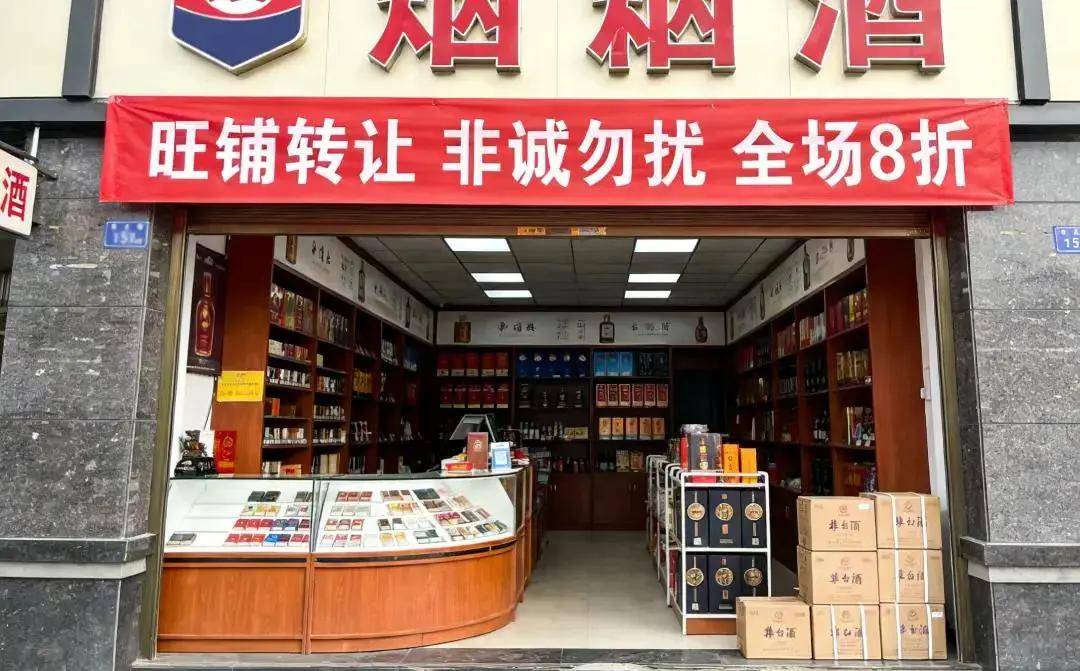
Core Viewpoint - The traditional tobacco and alcohol retail industry in China is facing a significant decline, with a projected 19% reduction in the number of tobacco shops by 2025, equating to the closure of approximately 320,000 stores annually, and over 1.3 million closures in the past five years [2][12]. Industry Overview - Tobacco shops were once considered a stable business, with high demand for tobacco licenses and substantial profits, often exceeding 50,000 yuan per month even with low foot traffic [4][9]. - The industry thrived on B2B sales, primarily through corporate orders, which accounted for over 60% of sales in many shops [7][9]. Market Changes - The decline in tobacco shops is attributed to changing consumer preferences, particularly among younger generations who are moving away from traditional drinking and smoking cultures [16][34]. - The introduction of strict regulations, such as the 2025 alcohol ban, has severely impacted business, leading to a drastic reduction in corporate orders [10][11]. Competitive Landscape - The rise of large chain liquor stores and direct sales from alcohol manufacturers has further squeezed the profit margins of traditional tobacco shops, with many owners reporting profit margins below 10% [17][19]. - Consumers are increasingly using tobacco shops as showrooms before purchasing online, diminishing the traditional retail model [21]. Adaptation Strategies - Some tobacco shop owners are pivoting to meet the demands of younger consumers by offering lower-priced, everyday alcohol options and diversifying their product offerings to include snacks and beverages [26][30]. - Innovative strategies include leveraging social media for marketing, creating community engagement through services like package delivery, and transforming shops into lifestyle venues [28][30]. Industry Trends - The decline of tobacco shops reflects broader trends in various industries, with significant closures in pharmacies, eyewear stores, and beauty brands, indicating a shift in consumer behavior and market dynamics [31][32]. - The survival of tobacco shops will depend on their ability to adapt to changing consumer preferences and embrace new business models [34].
2026年古巴投资聚焦三大优先领域
Shang Wu Bu Wang Zhan· 2026-02-04 15:02
Core Insights - The Cuban government has announced an annual investment plan totaling 1.74 trillion pesos to address urgent economic and social development needs [1] Group 1: Investment Allocation - 67% of the funds will be focused on three priority areas: food production, industrial revitalization, and the reconstruction of the electricity system [1] - 95% of the investment will be directed towards ongoing projects aimed at enhancing the self-sufficiency of strategic industries [1] Group 2: Strategic Projects - The plan includes modernization of the Antillana steel plant in collaboration with Russia, expansion of cement production capacity, and various agricultural, forestry, tobacco, and livestock projects [1] - New photovoltaic power plants and maintenance of thermal power plants are also part of the investment strategy [1] Group 3: Infrastructure and Social Welfare - The investment will cover housing, water management, tourism, and other infrastructure and social welfare areas, with plans to construct over 9,000 state-owned housing units and renovate 38 tourism hotels [1] - Upgrades to the national water supply system and support for the production of essential medicines and biotechnology research are also included [1]