
机械硬盘

Search documents
机械硬盘价格连续4个季度上涨
日经中文网· 2026-03-13 08:00
Core Viewpoint - The prices of mechanical hard drives (HDDs) have been continuously rising for four consecutive quarters, driven by strong demand in China for PC HDDs and a shift in production towards data center products, leading to a tight supply-demand situation [2][4][9]. Group 1: Price Trends - The price of 3.5-inch 1TB HDDs for desktop computers and surveillance cameras increased by 1% to approximately $53.5, while 2.5-inch 1TB HDDs for laptops also rose by 1% to around $50.5, marking four consecutive quarters of price increases [4]. - The overall market sentiment suggests that prices are unlikely to decrease in the near future due to ongoing supply constraints [9]. Group 2: Demand and Supply Dynamics - Starting in 2025, demand from PCs in China is expected to continue increasing, with specific mention of PCs using Huawei's HarmonyOS that utilize mechanical hard drives [5]. - The expected reduction in shipments of 3.5-inch and 2.5-inch HDDs in the first quarter of 2026 is anticipated to be less severe compared to the previous quarter of 2025, influenced by special demand from China [5]. Group 3: Production Shifts - Hard drive manufacturers are shifting production towards high-capacity "nearline" HDDs for data centers, which offer higher profit margins, rather than low-capacity products for PCs [7]. - Seagate plans to discontinue some low-capacity HDD models (1TB, 2TB) as part of this production shift [7]. Group 4: Cost Factors - The rising prices of components, particularly DRAM, which constitutes about 50-60% of the HDD cost, are contributing to the overall increase in HDD prices [7]. - There is a significant demand for storage capacity driven by global AI investments, with reports indicating that transaction prices in the first quarter of 2026 have risen by over 20% compared to the last quarter of 2025 [7]. Group 5: Market Outlook - The current tight supply situation is expected to persist, indicating a prolonged seller's market for mechanical hard drives [9]. - The negotiation for bulk transactions for 2026 has concluded, with companies beginning to accept orders for 2027-2028, leading to extended lead times of over 52 weeks for some manufacturers [8].


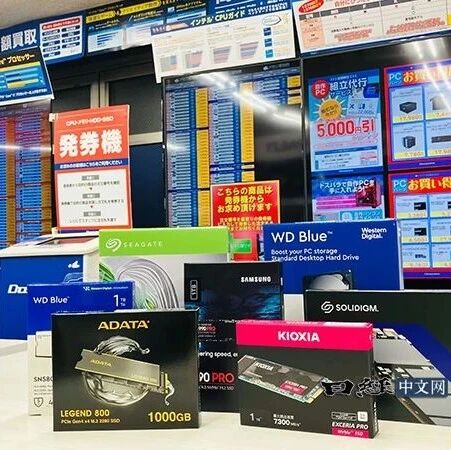
光通信后,美股存储公司也集体大涨,英伟达称“产多少用多少”
Xuan Gu Bao· 2026-03-10 23:16
Group 1 - The core viewpoint of the articles highlights a significant surge in the storage chip market driven by the AI boom, with major companies like SanDisk, Micron, and Western Digital seeing stock increases of over 5% following NVIDIA CEO Jensen Huang's statement on storage capacity demand [1] - Samsung Electronics plans to raise NAND Flash prices significantly, with a reported increase of over 100% in Q1 2023, leading to an expected cumulative price rise of over 200% in the first half of the year [1] - Other NAND manufacturers, including SK Hynix and Kioxia, are expected to follow suit with price increases, indicating a broader trend in the industry [1] Group 2 - According to Rongzhong Consulting, the price increase trend for storage chips is expected to continue at least until the second half of 2026, with projections of a 40%-50% rise in Q1 2026 and an additional 20% increase in Q2 [2] - The DRAM supply shortage is anticipated to last until Q1 2027, while NAND shortages are expected to persist until Q3 2026, indicating prolonged demand pressures in the market [2] - TrendForce data suggests that the growth rate for DRAM and NAND will accelerate in 2026, with DRAM growth projected at 26% and NAND growth at 21%, both higher than in 2025 [2]

通信行业周报(2月2日-2月8日)
Guoxin Securities Co., Ltd· 2026-02-11 04:20
Investment Rating - The communication industry is rated as "Cautiously Optimistic" with a focus on operators with sustained profit growth and enhanced network value, as well as companies benefiting from traffic growth and continuous technological innovation [6][41]. Core Insights - The communication sector experienced a decline of 6.73% from February 2 to February 6, 2026, underperforming the CSI 300 index by 5.39 percentage points [3][13]. - The sector's cumulative decline for 2026 is 1.63%, ranking it 27th among 30 sectors [3][14]. - The TTM PE ratio for the communication industry is 26.41, placing it in the 36.08 percentile [3][14]. - The smartphone market in China saw a total shipment of 307 million units in 2025, a year-on-year decrease of 2.4%, with 5G phones accounting for 86.9% of shipments [4][36]. - Global smartphone shipments grew by 2% in 2025, reaching 1.25 billion units, marking the highest level since 2021 [4][38]. Summary by Sections Communication Industry Market Review - The communication sector's performance was notably poor, with a significant drop in stock prices and a low ranking among other sectors [3][13]. - A total of 119 companies are listed in the communication sector, with 30 companies seeing stock price increases and 88 experiencing declines during the review period [3][14]. Industry News - As of December 2025, China has built 4.838 million 5G base stations, with internet penetration exceeding 80% [17]. - The number of internet users reached 1.125 billion, with a significant increase in generative AI users [17][20]. - The production of optical cables in China decreased by 5.3% in 2025, although the decline rate has slowed compared to previous years [20]. Weekly Focus: Consumer Electronics Data - The smartphone market in China is experiencing structural adjustments, with a notable decline in December 2025 shipments [5][40]. - Despite the overall decline, the proportion of 5G phones continues to rise, indicating a maturation of 5G technology [5][36]. Investment Recommendations - The report suggests a cautious optimism for the communication industry, emphasizing the importance of profit growth and technological innovation for future investments [6][41].

超颖电子:产品可应用于机械硬盘、固态硬盘、内存条等
Zheng Quan Ri Bao Wang· 2026-01-30 15:10
Core Viewpoint - The company, Chaoying Electronics, has established stable partnerships with globally recognized manufacturers in the storage sector, including mechanical hard drives, solid-state drives, and memory module suppliers [1] Group 1: Company Partnerships - The company has formed stable cooperative relationships with global leading manufacturers of mechanical hard drives [1] - The company collaborates with globally recognized solid-state drive manufacturers [1] - The company works with well-known suppliers of memory chip particles and module manufacturers [1] Group 2: Product Applications - The company's products are applicable in mechanical hard drives [1] - The company's products can be used in solid-state drives [1] - The company's products are also suitable for memory modules [1]
DDR4涨疯了,大家被逼转向DDR 3
半导体行业观察· 2026-01-17 02:57
Group 1 - The article discusses the rising trend of using older hardware, specifically DDR3 memory, in China due to the skyrocketing prices of DRAM, with some system integrators opting for Intel X99 motherboards that support DDR3 memory [1] - Demand for motherboards supporting DDR3 memory surged by 100% to 200% last year, primarily driven by the high prices of DDR5 memory, indicating a potential continuation of this trend in the foreseeable future [1] - The price of DDR4 memory has also started to rise due to unexpected demand, making it less attractive for budget-conscious users, while manufacturers are gradually halting DDR4 production to focus on more profitable DDR5 memory [2] Group 2 - The sharp increase in memory prices is expected to significantly impact IT infrastructure budgets, with analysts warning that the cost surge will soon affect the entire supply chain [3] - Memory module prices for commonly used capacities (16 GB, 32 GB, 64 GB, and 128 GB) are projected to rise by an average of 63% between September and December 2025 [3] - The cost of storage components, including SSDs and HDDs, has also risen by 30% to 40% since September, compounding the pricing pressure on overall infrastructure systems [4] Group 3 - Companies facing IT budget pressures and ongoing digital transformation challenges may need to reassess their budgets and timelines for infrastructure updates or expansions [5] - Concerns have been raised about the potential impact on cloud service providers, who operate large data center infrastructures and may pass on cost pressures to enterprise customers [5]
业内预测:今年手机、电脑将迎来涨价
Mei Ri Shang Bao· 2026-01-05 23:21
Group 1 - The core viewpoint of the articles highlights a significant increase in the prices of storage products, particularly memory modules and solid-state drives, driven by the growing demand in the market due to the AI boom [1][4]. - The price of memory modules has seen a dramatic rise, with reports indicating that prices have surged from around 200 yuan to over 700 yuan within three years, leading to consumers delaying purchases [2][3]. - Major manufacturers like ASUS, Lenovo, and Dell are adjusting their product prices due to structural fluctuations in the global supply chain and rising costs of key components, with 2026 predicted to be a challenging year for memory shortages [3][5]. Group 2 - The prices of mobile solid-state drives have also increased significantly, with a 1TB SanDisk drive rising from over 300 yuan to nearly 700 yuan in a year, and many brands experiencing similar price hikes [4]. - Online platforms are facing stock shortages for 1TB and larger mobile solid-state drives, with prices for some brands reaching as high as 1200 yuan, comparable to the prices of 2TB drives [4]. - The rising costs of storage products are impacting the pricing strategies of consumer electronics, with brands like Xiaomi and Vivo increasing their product prices by 500-700 yuan and 200-300 yuan respectively due to higher memory costs [5].
都快2026年了,机械硬盘居然涨价了
芯世相· 2025-12-27 01:06
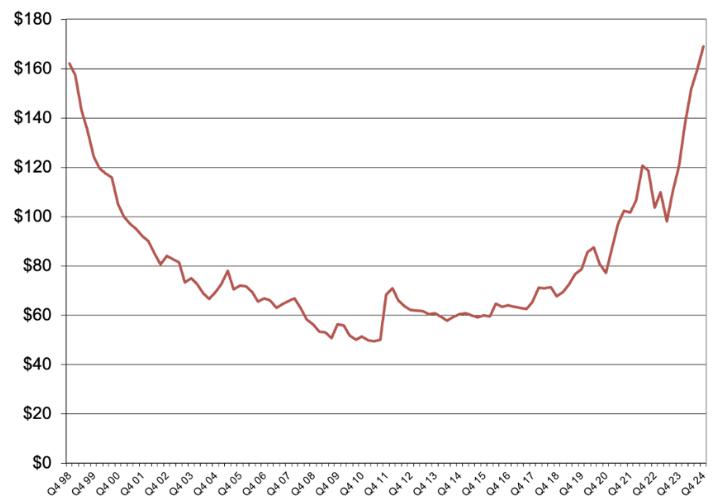
Core Viewpoint - The article discusses the unexpected resurgence of mechanical hard drives (HDDs) in 2024, driven by the demand for cold data storage due to artificial intelligence (AI) infrastructure, leading to significant price increases and a notable rise in sales volume after nearly a decade of decline [5][6][10]. Group 1: Market Dynamics - The consumer electronics market has struggled to profit from AI advancements, facing price increases in memory and flash storage, which have also affected downstream products like smartphones and PCs [5]. - In 2024, HDD shipments are projected to grow for the first time in ten years, with average prices returning to levels not seen since 1998, resulting in a 50% increase in overall sales compared to 2023 [6][10]. - Major HDD manufacturers, Western Digital and Seagate, have raised prices across the board, attributing this to increased demand from AI and data centers, similar to past trends seen in the graphics card market [8][10]. Group 2: Data Storage Trends - The article distinguishes between "hot" and "cold" data, with hot data requiring high-speed access and cold data being less frequently accessed but voluminous, leading to different storage needs [10][11]. - HDDs are favored for cold data storage due to their lower cost per GB compared to solid-state drives (SSDs), which are more suitable for hot data due to their speed and reliability [11][12]. - The demand for cold data storage is increasing as AI models generate vast amounts of data, revitalizing the HDD market that had been stagnant for years [11][12]. Group 3: Manufacturer Strategies - HDD manufacturers are controlling production to maintain prices, with Western Digital and Seagate opting not to expand capacity despite rising demand [12][14]. - The market for consumer-grade HDDs is shrinking, with manufacturers focusing on enterprise-level products to maximize profits, as indicated by a significant drop in revenue share from over 20% to below 10% for consumer-grade HDDs [24][22]. - The competitive landscape is shifting, with SSDs becoming more prevalent, but HDDs still hold a cost advantage in specific enterprise applications, allowing manufacturers to maintain a stable market despite the overall decline in consumer demand [22][24].

都快2026年了,机械硬盘居然涨价了
3 6 Ke· 2025-12-23 23:48
Core Insights - The consumer electronics market has struggled for years without profiting from artificial intelligence (AI), facing significant price increases in storage components due to AI infrastructure demands [1][5] - Mechanical hard drives (HDDs), which have seen a decline in shipments for nearly a decade, are experiencing a resurgence in 2024, with a notable increase in shipment volume and average selling prices returning to levels not seen since 1998 [1][8] Group 1: Market Dynamics - The average price of mechanical hard drives has significantly increased, with major manufacturers like Western Digital and Seagate raising prices due to heightened demand from AI and data centers [3][10] - The demand for HDDs is primarily driven by the need for "cold data storage," which is less frequently accessed but requires large storage capacities, making HDDs a cost-effective choice compared to solid-state drives (SSDs) [5][7] Group 2: Competitive Landscape - The market for HDDs is characterized by a lack of new production capacity, as major manufacturers are prioritizing higher-margin enterprise products over consumer-grade offerings, leading to price increases in the consumer market [10][24] - The competitive landscape is shifting, with SSDs becoming more prevalent, but HDDs still hold a significant cost advantage for large-scale cold storage needs, maintaining a price ratio of 7:1 compared to enterprise SSDs [21][22] Group 3: Industry Trends - The trend of rising prices in the storage market is not isolated to HDDs; other sectors, such as memory chips, are also experiencing price surges, impacting various consumer electronics [26][30] - Companies like Micron are exiting the consumer storage market to focus on larger-scale strategic clients, indicating a broader industry shift towards enterprise and data center solutions [28]
都快2026年了,机械硬盘居然涨价了
远川研究所· 2025-12-23 13:12
Core Viewpoint - The article discusses the unexpected resurgence of mechanical hard drives (HDDs) driven by the demand for cold data storage in the context of artificial intelligence (AI) infrastructure, leading to significant price increases and a notable rise in sales volume for the first time in a decade [6][12]. Group 1: Market Dynamics - The consumer electronics market has struggled to profit from AI advancements, with prices for memory and flash storage rising, impacting downstream products like smartphones and PCs [6]. - Mechanical hard drives, which had seen a decline in shipments for nearly ten years, experienced a sales increase in 2024, with average prices returning to levels not seen since 1998, resulting in a 50% increase in overall sales revenue compared to 2023 [6][12]. - Major HDD manufacturers, Western Digital and Seagate, have raised prices across the board, attributing this to increased demand from AI and data centers [8][12]. Group 2: Data Storage Needs - Data is categorized into "hot" and "cold" based on access frequency, with hot data requiring high throughput and cold data being less frequently accessed but larger in volume [9][10]. - Cold data, which includes backups and records, is primarily stored on HDDs due to their lower cost per GB compared to solid-state drives (SSDs), which are about seven times more expensive [11][20]. - The demand for cold data storage is growing rapidly as AI models generate vast amounts of data, leading to increased HDD demand and a supply shortage [11][12]. Group 3: Industry Trends - HDD manufacturers are not expanding production capacity despite rising demand, focusing instead on maintaining profits by prioritizing enterprise users over consumer products [11][22]. - The market share of consumer-grade HDDs is expected to decline significantly, with revenue contributions from Western Digital and Seagate dropping from over 20% to below 10% [22]. - The competitive landscape for HDDs is stable, as the cost reduction of SSDs has slowed, allowing HDDs to maintain a niche market in enterprise-level cold storage [20][22]. Group 4: Broader Implications - The article highlights a trend where semiconductor companies are prioritizing supply for larger strategic customers, such as data centers, over consumer products, as seen with Samsung and Micron [23][24]. - NVIDIA is also shifting focus from gaming graphics cards to data center GPUs, indicating a broader industry trend towards prioritizing AI and data center needs over traditional consumer markets [26].

AI热度不减,存储及光通信需求两旺
2025-12-22 01:45
Summary of Conference Call Records Industry Overview - The storage industry is expected to remain in a super cycle through 2026, driven by strong growth in DRAM and NAND sectors. [1][2] - Micron Technology reported a 57% year-over-year revenue increase in Q1, with a non-GAAP gross margin of 57% and net profit tripling year-over-year. [1][3] - The global NAND market has seen active demand since early 2025, with prices more than doubling, primarily driven by AI-related structural demand. [1][5] - Micron anticipates the global HBM market to reach $100 billion by 2028, with a compound annual growth rate (CAGR) of 40% over the next three years. [1][6] Key Points on Micron Technology - Micron's Q1 revenue was $13.6 billion, a 57% increase year-over-year and a 21% increase quarter-over-quarter. [3][4] - The company expects capital expenditures to rise to $20 billion in 2026 for HBM and E8 nanometer capacity expansion. [4] - Micron's HBM4 is projected to begin ramping up production in Q2 2026, with all orders already booked. [4] NAND Market Insights - The NAND Flash market is expected to approach 200 billion units shipped by 2028, with a nearly 30% annual growth rate over the next three years. [11] - NAND prices are expected to remain high in 2026, with a strong likelihood of price increases in the first half of the year. [11] - As of November 2025, NAND contract prices have increased by approximately 140% from previous lows, driven by strong demand from AI data centers. [11] Emerging Storage Segments - Niche storage products like DDR4 DRAM and SLC NAND are benefiting from increased demand in networking equipment and reduced supply from major manufacturers, leading to double-digit price increases. [1][8] - The optical communication sector is also experiencing growth due to AI influences, with certain optical fiber prices showing significant increases. [1][8] AI Impact on Storage Requirements - AI training and inference scenarios demand storage devices with large capacity, low cost, high random write endurance, and fast interface speeds. [9][10] - Mechanical hard drives are being utilized for high-capacity needs in cloud applications due to their cost-effectiveness. [9][10] Optical Fiber Market Dynamics - The G652D optical fiber price has increased by over 20% since early 2025, reflecting changes in supply and demand dynamics. [14] - Data center construction driven by AI has significantly increased the demand for optical fibers, with projections indicating a total demand of 54 million core kilometers by 2025. [15][16] Future Trends and Challenges - The optical fiber market is expected to face supply constraints due to the high demand for advanced fiber types, leading to potential shortages. [19] - The global demand for optical fibers is projected to rise from approximately 600 million core kilometers in 2023 to 880 million by 2027. [17][20] Investment Opportunities - Companies with stable capacity and technological leadership are likely to benefit from the current supply-demand imbalance and price increases in the optical fiber market. [22][23] - High-end products like G654E and hollow fiber projects are expected to significantly enhance the performance of leading manufacturers. [23]
