
白银投机

Search documents
收评|国内期货主力合约跌多涨少,沪银跌超16%
Xin Lang Cai Jing· 2026-02-03 07:12
Market Overview - The domestic futures market experienced a decline with most contracts falling, including a significant drop of over 16% in silver and over 6% in tin [3][7] - Other notable declines included SC crude oil down over 4%, fuel oil down over 3%, and various chemicals and materials like low-sulfur fuel oil, caustic soda, and double-sided paper down over 2% [3][7] Price Movements - On the upside, palladium increased by over 8%, polysilicon by over 6%, and the European shipping index by over 5% [3][7] - Lithium carbonate rose by over 4%, platinum by over 3%, and both Shanghai copper and international copper increased by over 2% [3][7] Silver Market Analysis - Recent sharp declines in silver prices are attributed to the cessation of speculative fervor, with retail investors injecting a record $1 billion into silver ETFs in January [5][8] - The market saw a record single-day drop of 27% in silver prices, leading to significant financial losses for investors [5][8] - The total market value of ETFs tracking gold and silver has evaporated by approximately $150 billion since the market peak last week [5][8] - Despite the drastic price drop, current silver prices have only reverted to mid-January levels, indicating that long-term investors still hold substantial unrealized gains [5][8] - Many investors view the recent downturn as a necessary correction within a broader bullish trend, with some considering it a buying opportunity [5][8]


白银跌穿了
Sou Hu Cai Jing· 2026-01-30 13:44
Group 1 - The core viewpoint of the article highlights a significant and unprecedented drop in silver prices, driven by emotional reactions and leveraged positions rather than fundamental market collapse [2] - The initial cause of the sell-off was attributed to institutional investors, referred to as "smart money," who began to reduce their long positions in silver as prices peaked above $110, leading to a rapid decline in prices [5] - Major financial institutions like JPMorgan and Goldman Sachs reduced their net long positions significantly, with JPMorgan decreasing by 12,000 contracts and Goldman Sachs by 8,000 contracts, resulting in a combined reduction of 62.5% of the total sell-off [5] Group 2 - The ETF market experienced a massive outflow of funds, with global silver ETFs seeing a net outflow of $2.87 billion, marking the largest single-day outflow in history [6] - The report indicated that the speculative positions in silver reached an unprecedented 260,000 contracts, with many investors using high leverage, leading to widespread liquidations and further downward pressure on prices [9] - A significant number of retail investors faced forced liquidations, with 155,000 retail traders being liquidated, resulting in an average loss of $4,470 per person [9] Group 3 - The article discusses the panic selling among retail investors, with a reported 12,300 contracts reduced in domestic silver futures, primarily due to fear-driven selling [11] - Institutional investors shifted from a bullish to a bearish stance, with a notable increase in short positions by 28,000 contracts, indicating a market shift from bullish to bearish sentiment [17] - The article emphasizes the impact of external factors, such as the potential appointment of Kevin Warsh as the next Federal Reserve Chair, which has led to a stronger dollar and increased opportunity costs for holding silver [26][28] Group 4 - Regulatory tightening in response to speculative trading has also contributed to the market's decline, with exchanges raising margin requirements and limiting positions, leading to a significant drop in trading volume [31] - The CFTC's increased scrutiny on silver futures has resulted in a 22.3% decrease in institutional holdings since the peak on January 23 [34] - The combination of these factors has created a perfect storm for silver prices, leading to a dramatic and historic decline in the market [35]



白银彻底失控了
Sou Hu Cai Jing· 2026-01-26 12:18
Core Viewpoint - The recent surge in silver prices, surpassing $110 per ounce, is attributed to speculative trading rather than fundamental market conditions, marking a significant departure from historical price behavior [2][5][41]. Group 1: Price Movements and Market Dynamics - Silver prices have recently experienced extreme volatility, with the gold-silver ratio dropping from over 100 to 46.36, indicating a significant deviation from historical averages [5][26]. - The COMEX silver inventory saw a dramatic increase in late 2024 to early 2025, surpassing 2020 levels, followed by a sharp decline, which contributed to the recent price surge [6][12]. - The speculative nature of the current silver market is evident, as the price movements are driven by trading strategies rather than supply-demand fundamentals [9][41]. Group 2: Influencing Factors - The Trump administration's classification of silver as a "critical mineral" and potential tariffs on imported silver have created market panic, leading to increased demand and inventory shifts towards the U.S. [11][20]. - The rise in silver ETF holdings, particularly in COMEX-certified warehouses, has contributed to the inventory growth, which is approximately 50% of the decrease in LBMA inventory during the same period [11][12]. - The recent geopolitical tensions, including Trump's comments about U.S. military actions, have further fueled speculative interest in silver as a safe-haven asset [20][21]. Group 3: Speculative Trading Patterns - The non-commercial net long positions in silver surged by 46.67% over two months, indicating a strong speculative interest from major financial institutions [18]. - Major banks like JPMorgan and Goldman Sachs have increased their net long positions significantly, creating a dynamic where institutional investors drive prices while retail investors follow suit [19]. - The extreme price movements have led to significant trading volume spikes, with COMEX silver futures reaching a two-month high of 350,000 contracts traded in a single day [21][23]. Group 4: Future Outlook and Risks - The current silver price is seen as overextended, with potential for a correction as speculative positions may lead to profit-taking [30][31]. - Technical indicators suggest that silver is in an overbought condition, with an RSI above 85, historically correlating with a high probability of price corrections [32]. - The market is closely monitoring three key variables: Federal Reserve interest rate decisions, stability of fund flows into silver ETFs, and geopolitical tensions, which will influence future price movements [36][37][38].
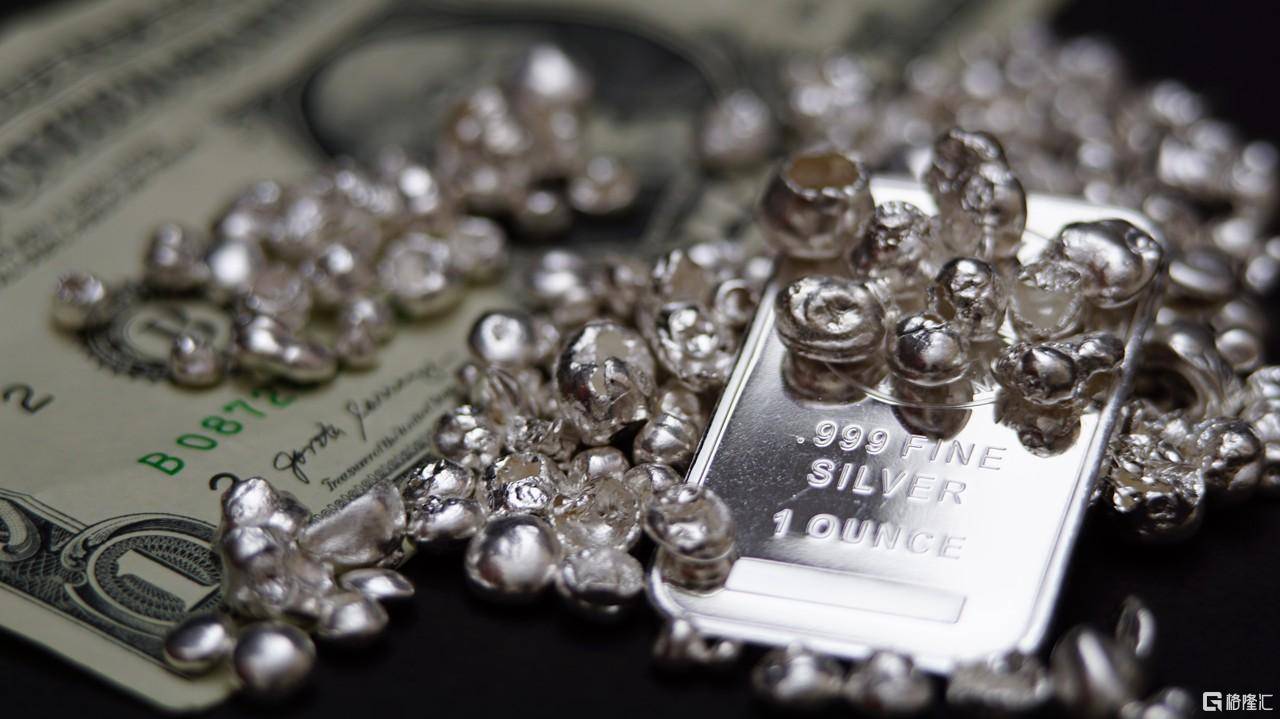
半世纪的轮回,白银从未停止挑逗人性与规则
财富FORTUNE· 2026-01-06 13:02
Core Viewpoint - The article discusses the recent volatility in the silver market, drawing parallels to historical events, particularly the manipulation of the silver market by the Hunt brothers in 1980, and highlights the current market dynamics influenced by various fundamental factors rather than a single entity's control [1][3]. Group 1: Historical Context - In 1980, the Hunt brothers manipulated the silver market, accumulating over 200 million ounces and driving prices from approximately $2 to $50 per ounce, leading to regulatory interventions [2][3]. - The Commodity Exchange (CME) implemented "Silver Rule 7" to limit margin purchases and contract holdings, requiring traders to maintain nearly 100% cash to eliminate leverage [2][3]. - The Hunt brothers faced significant financial pressure due to margin calls, leading to a dramatic 80% price collapse of silver within six months [2][3]. Group 2: Current Market Dynamics - The current surge in silver prices is attributed to multiple fundamental factors, including industrial demand from sectors like AI and renewable energy, geopolitical risks, and long-term supply shortages [3][4]. - Unlike the speculative bubble of 1980, the current market has a more robust supply-demand foundation, although concerns about market manipulation and emotional trading remain [3][4]. Group 3: Regulatory and Market Structure Issues - The article highlights ongoing issues in market regulation, including conflicts of interest among exchange members who both set rules and trade, leading to potential market manipulation [10][20]. - The Commodity Futures Trading Commission (CFTC) has begun to address these issues, but the effectiveness of self-regulation in the commodity markets remains in question [22][23]. - The article suggests that the lessons from the Hunt brothers' experience may prompt necessary reforms in market regulations to prevent similar occurrences in the future [28][30].
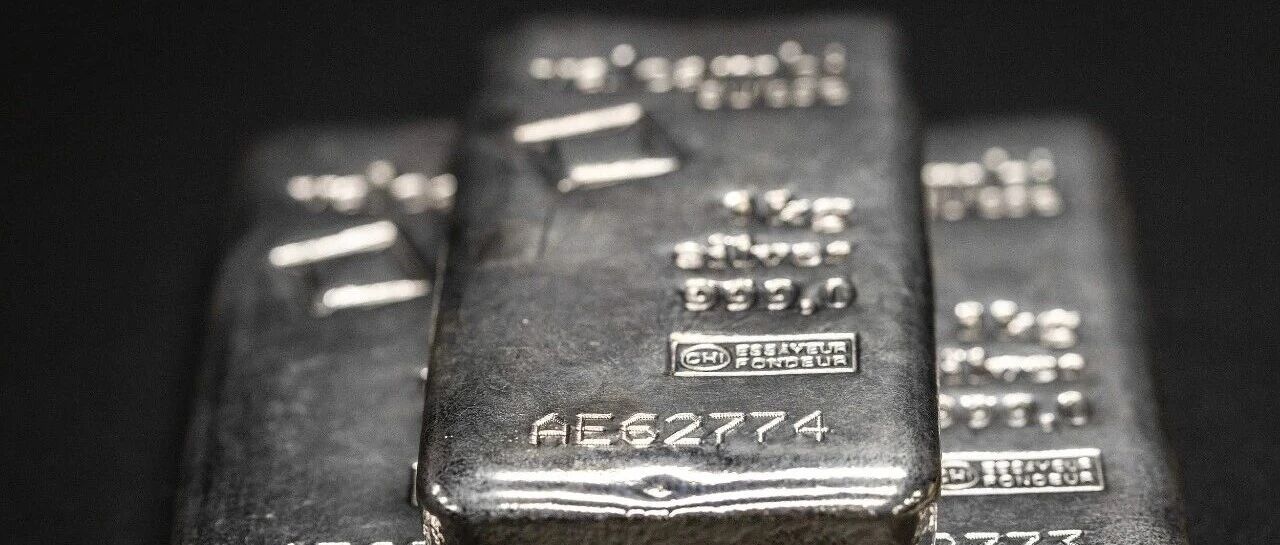
银价狂飙 水贝快没现货了!实探:料商已“爆单” 商家加价备货 商家:白银市场90%以上都是投机|一探
Di Yi Cai Jing· 2025-12-31 08:45
Core Insights - Since late November, domestic silver prices have surged significantly, leading to a very tight supply in the Shui Bei market [1] - The increase in silver prices has resulted in a noticeable rise in sales, but there is a scarcity of silver raw materials, making it difficult to procure silver bars for production [1] - Industry insiders indicate that over 90% of the current silver market activity is driven by speculation, with prices nearly doubling within the month [1] Market Conditions - The Shui Bei market is experiencing a "one silver hard to find" situation, with some merchants needing to pay a premium to acquire silver bars for jewelry production [1] - Orders for silver materials are reportedly taking close to a week to fulfill due to heightened demand and supply constraints [1] Price Dynamics - The price of silver has seen a dramatic increase, with reports suggesting it has nearly doubled in the past month [1] - The current market dynamics are heavily influenced by speculative trading, which constitutes a significant portion of market activity [1]