科研产出

Search documents
中国高校讲述全球大学排名新故事
Xin Lang Cai Jing· 2026-01-21 06:12
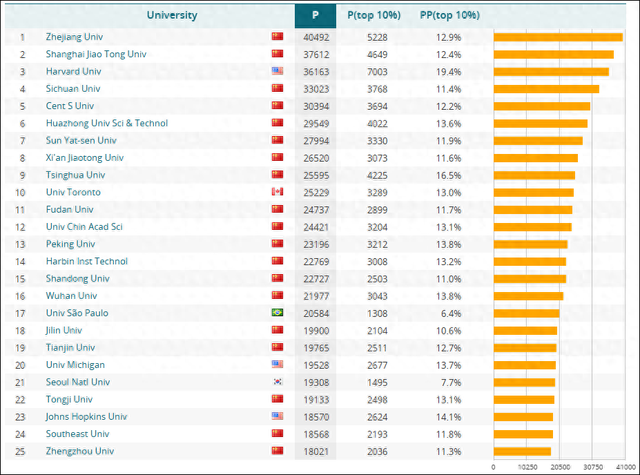
Core Viewpoint - The recent global university rankings indicate that while American universities like Harvard are still producing more research than two decades ago, Chinese universities are rapidly advancing, reflecting significant investments in research capabilities rather than a decline in American institutions [1][2]. Group 1: University Rankings - The latest global university rankings from Leiden University show Harvard University has dropped to third place, surpassed by two Chinese universities, indicating a shift in the competitive landscape of higher education [1]. - The rise of Chinese universities in rankings is attributed to substantial and sustained investments in research, with government support linking research strength to national power [2]. Group 2: Research Output - American universities, including Harvard, have increased their research output over the past 20 years, with other institutions like the University of Michigan and Stanford also showing growth [1]. - The increase in research output from Chinese universities, particularly in fields like chemistry and environmental science, contrasts with American and European dominance in biology and medicine, highlighting a differentiation in strengths rather than a complete replacement [2]. Group 3: Funding and Challenges - Uncertainty in research funding in the U.S. is creating significant obstacles, with many major universities facing budget cuts or freezes amounting to hundreds of millions of dollars [2]. - The focus should shift from viewing rankings as geopolitical scorecards to assessing whether universities fulfill their social missions, including promoting equity and addressing urgent issues [2].
美媒紧张:美国下滑,中国跃升,高等教育将迎来“新世界秩序”
Xin Lang Cai Jing· 2026-01-15 15:17
Core Viewpoint - Harvard University has dropped to third place in the Leiden University Ranking, with Chinese universities rising rapidly, indicating a potential shift in global academic dominance and raising concerns about the future of American higher education [1][2][3]. Group 1: Ranking Changes - Harvard University was once the top research university globally but has now fallen to third place in the Leiden University Ranking, with Zhejiang University now ranked first [1][2]. - The ranking shift reflects a broader trend where Chinese universities are increasingly recognized for their research output, with seven Chinese universities now in the top ten [2][3]. - Despite an increase in research output, Harvard remains the only American university near the top of the ranking, while other U.S. institutions have also seen their rankings decline [3][4]. Group 2: Impact of U.S. Policies - The decline in American university rankings coincides with significant cuts to federal research funding under the Trump administration, which has heavily impacted universities that rely on government support for research [1][4]. - The reduction in funding and the implementation of travel bans and anti-immigration policies have created additional pressures on U.S. universities, potentially harming their global reputation and ability to attract international talent [4][7]. - The number of international students in the U.S. decreased by 19% compared to the previous year, which may further damage the standing of American universities [4][6]. Group 3: Global Competition - The competition in global higher education is intensifying, with other countries, particularly China, making significant investments in research and development, leading to faster progress compared to the U.S. [2][4]. - Experts warn that the U.S. is at risk of falling behind as Chinese universities continue to improve their research output and quality [3][4]. - The trend of declining rankings for U.S. universities is not limited to research output but also reflects broader issues such as financial stability and student interest [8][9]. Group 4: Future Implications - The ongoing decline in rankings may have long-term implications for the ability of U.S. universities to attract top talent, both students and faculty, which is crucial for maintaining their global standing [11][12]. - While some rankings that consider factors beyond research output still show strong performance for U.S. universities, the overall trend indicates a potential erosion of American dominance in higher education [8][9]. - The relationship between university rankings and national strength is complex, but historical examples suggest that a decline in academic quality can have far-reaching consequences [12].


跨国数据分析机构报告:全球科研合作重心转向中国
Huan Qiu Shi Bao· 2025-12-08 22:57
Core Viewpoint - A recent study indicates that the center of global scientific collaboration is shifting towards China, with significant growth in partnerships with European countries and emerging regions like Southeast Asia, the Middle East, and Africa [1][2]. Group 1: Research Findings - The study, based on 25 years of international collaboration data from Clarivate's Web of Science database, shows that China's scientific output has more than doubled in the past decade, surpassing the U.S. in research paper production by 2020 [1]. - China is expected to lead in citation counts as well, while the U.S. has seen stagnation in both the quantity and quality of published papers, failing to recover from declines during the COVID-19 pandemic [1]. - The report highlights a significant decrease in U.S. research output and citation rates, which began to accelerate around 2018, indicating a long-term trend of decline [2]. Group 2: U.S.-China Collaboration Dynamics - U.S.-China scientific collaboration has stagnated since 2019, which has historically been a crucial component of the U.S.'s overall citation influence [2]. - Factors contributing to this decline include U.S. government policies that cut research funding, limit international student numbers, and target key research areas like vaccines and climate change [2]. - Experts warn that barriers set in the name of "national security" and economic competitiveness could harm the global scientific community, moving away from a previously collaborative environment [2].
新华社:中国科技创新闪耀海外知名榜单 武汉等中国六城跻身全球科研城市十强
Xin Hua She· 2025-12-01 03:38
Core Insights - Recent reports indicate that China's scientific research output is experiencing explosive growth in both quantity and quality, leading in various aspects such as research cities, disciplinary contributions, and international leadership [1] Group 1: Research Cities - The latest issue of the UK journal Nature highlights that Chinese research cities are flourishing, with Beijing ranking first for nine consecutive years and cities like Shanghai, Guangzhou, Wuhan, Nanjing, and Hangzhou making it to the top ten [2] - In terms of contribution share, Chinese cities show strong growth, with Beijing's research output increasing by over 9% and Shanghai by nearly 20% from 2023 to 2024 [2] - Chinese cities dominate the fields of chemistry, physical sciences, and earth and environmental sciences, with Beijing leading globally in all three areas [2] Group 2: International Influence - The international influence of Chinese scientists is on the rise, with a significant number taking leadership roles in international collaborations, particularly in projects with the UK [3] - The Chinese Academy of Sciences ranks first globally in the number of highly cited researchers, surpassing Harvard University [3] - A report indicates that China has surpassed the US in research strength, especially in mathematics, computing, and engineering [4] Group 3: Contribution to Sustainable Development - China is the largest contributor to global Sustainable Development Goals (SDG) related papers, playing an increasingly important role in global SDG policy formulation [5] - 24% of global research published in 2024 pertains to SDG-related studies, with Chinese research being widely cited in various SDG policy documents [5] - Chinese SDG-related papers have significantly influenced global health and environmental policy documents since 2022, with citations coming from international organizations like the WHO [5]
自然指数等海外知名榜单显示 武汉跻身全球十强科研城市
Xin Hua She· 2025-12-01 02:35
Core Insights - China's scientific research output is experiencing explosive growth in both quantity and quality, leading to a dominant position in various global rankings [1][2][3] Group 1: Research Output Growth - The latest Nature Index report indicates that Chinese cities are showing significant growth in research output, with Beijing leading for nine consecutive years and cities like Shanghai, Guangzhou, and Wuhan also ranking highly [2] - Research output in Beijing increased by over 9% from 2023 to 2024, while Shanghai saw an increase of nearly 20%, reflecting a broader trend of expanding advantages in research [2] - Chinese cities dominate in key scientific fields such as chemistry, physical sciences, and earth and environmental sciences, with Beijing ranking first globally in all three areas [2] Group 2: International Influence - Chinese scientists are increasingly taking leadership roles in international collaborations, leading over half of the research projects with the UK and expected to reach similar leadership proportions with Europe and the US [3] - The Chinese Academy of Sciences ranks first globally in the number of highly cited researchers, surpassing Harvard University [3] - A comprehensive study from New York University indicates that China accounted for 47% of global research output in remote sensing in 2023, marking a significant shift in global technological leadership [3] Group 3: Contribution to Sustainable Development - China is the largest contributor to global research related to Sustainable Development Goals (SDGs), with 24% of published research in 2024 addressing SDG-related topics [4][5] - Chinese research outputs are frequently cited in SDG policy documents, with 25% of citations coming from international organizations like the World Health Organization [5] - The impact of Chinese research on global health and environmental policies has been particularly notable since 2022, highlighting its growing importance in policy formulation [5]
中国科技创新闪耀海外知名榜单
Xin Hua Wang· 2025-11-30 09:16
Core Insights - China's scientific research output is experiencing explosive growth in both quantity and quality, leading to a dominant position in various global rankings [2][3] Group 1: Research Cities - The latest "Nature Index - Research Cities 2024" report indicates that Chinese research cities are flourishing, with Beijing ranking first for nine consecutive years and several other cities like Shanghai, Guangzhou, and Wuhan making it to the top ten [3] - Beijing's research output increased by over 9% from 2023 to 2024, while Shanghai saw an increase of nearly 20%, reflecting a broader trend of expanding leadership in research [3] - Chinese cities dominate in the fields of chemistry, physical sciences, and earth and environmental sciences, with Beijing leading globally in all three areas [3] Group 2: International Influence - Chinese scientists are increasingly taking leadership roles in international collaborations, leading over half of the research projects with the UK and expected to reach similar leadership proportions with Europe and the US in the coming years [4] - The Chinese Academy of Sciences topped the 2025 Highly Cited Researchers list with 258 awards, surpassing Harvard University [4] - A report from STINT indicates that China has surpassed the US in research strength, particularly in mathematics, computing, and engineering [4] Group 3: Contribution to Sustainable Development - China is the largest contributor to global Sustainable Development Goals (SDG) related research, with its academic outputs increasingly influencing global SDG policy-making [5][7] - 24% of global published research in 2024 pertains to SDG-related studies, with Chinese research being widely cited in SDG policy documents, particularly by international organizations like the WHO [7] - Chinese research findings are significantly impacting global health and environmental policy documents since 2022, highlighting the importance of China's contributions to sustainable development [7]

杭州首次跻身全球前十
Mei Ri Shang Bao· 2025-11-18 07:23
Group 1 - The core viewpoint of the articles highlights Hangzhou's significant rise in the Nature Index, moving from 13th to 10th place globally, marking its first entry into the top ten research cities [1] - The 2024 global top ten research cities include Beijing, Shanghai, New York metropolitan area, Boston metropolitan area, Nanjing, Guangzhou, San Francisco Bay Area, Wuhan, Baltimore-Washington, and Hangzhou, with China occupying more than half of the list for the first time [1] - In various scientific fields, Hangzhou's rankings are as follows: 12th in physical sciences, 12th in biological sciences, 7th in chemistry, 8th in earth and environmental sciences, and 25th in health sciences, indicating strong research potential [1] Group 2 - Hangzhou has been focusing on building five major industrial ecosystems, enhancing basic and applied research, and improving original innovation capabilities [2] - In 2024, Hangzhou's R&D expenditure reached 85.166 billion yuan, an increase of 8.3% from the previous year, with an R&D expenditure intensity of 3.90%, up by 0.15 percentage points [2] - The city's high-tech industry accounted for 72.28% of the industrial added value from January to September, with a high-tech investment growth rate of 4.6%, representing 14.6% of fixed asset investment [2]
“2025自然指数—科研城市”排名发布
Mei Ri Shang Bao· 2025-11-18 03:00
Core Insights - The "Nature Index" report published by "Springer Nature Online" highlights that Hangzhou has risen from 13th to 10th place in the global ranking of research cities for 2024, marking its first entry into the top ten [1] - The report also details Hangzhou's performance across five major scientific disciplines, showing strong research potential, particularly in chemistry and environmental sciences [1] Group 1: Research City Rankings - The top ten global research cities for 2024 are Beijing, Shanghai, New York metropolitan area, Boston metropolitan area, Nanjing, Guangzhou, San Francisco Bay Area, Wuhan, Baltimore-Washington, and Hangzhou [1] - China now holds more than half of the top ten positions in the global research city rankings, with Guangzhou moving from 8th to 6th place, surpassing the San Francisco Bay Area [1] Group 2: Research and Development in Hangzhou - Hangzhou has established a stable long-term support mechanism for basic research and has become one of the first provincial capitals to set up a regional innovation development joint fund under the National Natural Science Foundation [2] - In 2024, Hangzhou's R&D expenditure reached 85.166 billion yuan, an increase of 8.3% from the previous year, with an R&D expenditure intensity of 3.90%, up by 0.15 percentage points [2] - The city's high-tech industry accounted for 72.28% of the industrial added value from January to September, with a 4.6% growth in high-tech industry investment, representing 14.6% of fixed asset investment [2]
中国城市在自然指数科研城市十强榜单上首次过半数
Xin Hua She· 2025-11-17 06:10
Core Insights - Chinese cities have secured more than half of the top ten positions in the global research city rankings for the first time, with Beijing maintaining its position at the top since 2016 [1][2] - The analysis indicates that Chinese cities increased their representation from five to six in the top ten, while all U.S. cities in the top ten experienced a decline in their contributions [1] - Beijing's research output grew by over 9% from 2023 to 2024, while Shanghai's output increased by nearly 20% [1] Summary by Categories Research Output - The latest Nature Index report shows that Chinese cities dominate the rankings, with Beijing and Shanghai leading the way [1] - Other cities in the top ten include New York, Boston, Nanjing, Guangzhou, San Francisco Bay Area, Wuhan, Baltimore-Washington, and Hangzhou [1] - Guangzhou rose from eighth to sixth place, Wuhan from ninth to eighth, and Hangzhou entered the top ten from thirteenth [1] Subject Area Performance - Chinese cities continue to lead in the fields of chemistry, physics, and earth and environmental sciences, with a clean sweep of the top ten in chemistry [2] - Beijing ranks first in all three fields, showcasing its strong research capabilities [2] - The report emphasizes the importance of cross-border and interdisciplinary collaboration among researchers for driving innovation [2]
中国首次占据全球十强科研城市一半以上席位
Sou Hu Cai Jing· 2025-11-16 17:46
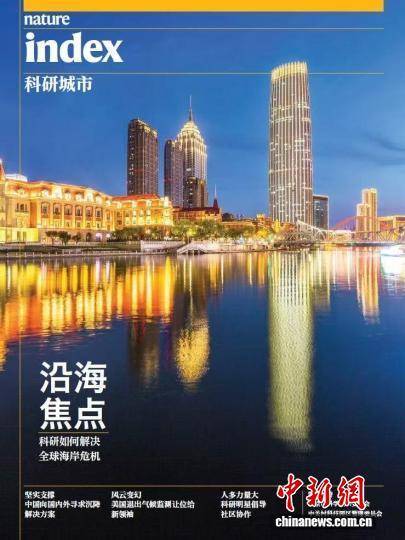
Core Insights - The 2024 Nature Index highlights that Chinese cities now occupy more than half of the top ten global research cities, increasing from five to six cities compared to 2023 [1][2] - Beijing retains its position as the top research city globally since 2016, followed by Shanghai, with Nanjing, Guangzhou, Wuhan, and Hangzhou also making the list [1][2] Summary by Categories Research City Rankings - In 2024, the top ten research cities include six from China: Beijing, Shanghai, Nanjing, Guangzhou, Wuhan, and Hangzhou, alongside New York, Boston, San Francisco, and Baltimore-Washington [1][2] - Guangzhou improved its ranking from eighth to sixth, surpassing the San Francisco Bay Area, while Wuhan and Hangzhou also saw upward movements [2] Research Output Growth - Beijing's research output increased by over 9% from 2023 to 2024, while Shanghai's output grew nearly 20% [2] - The report indicates significant improvements in research performance among Chinese cities, particularly in chemistry, physical sciences, and earth and environmental sciences [2] Subject Area Performance - Chinese cities dominate the rankings in chemistry, physical sciences, and earth and environmental sciences, with Beijing leading in all three fields [2] - In biological sciences, New York and Boston rank first and second, with Beijing in third place, while in health sciences, which was newly included in the index, Beijing ranks sixth [2] Challenges and Global Collaboration - The report also addresses the issue of land subsidence faced by rapidly expanding coastal megacities, particularly in the context of rising sea levels [3] - It emphasizes the potential for innovative solutions to challenges like land subsidence through global research collaboration [5]