农用无人机

Search documents
给麦田做“CT”、为种子装“芯片”:新质生产力赋能 春耕春管开启智慧模式
Yang Shi Wang· 2026-02-28 03:03
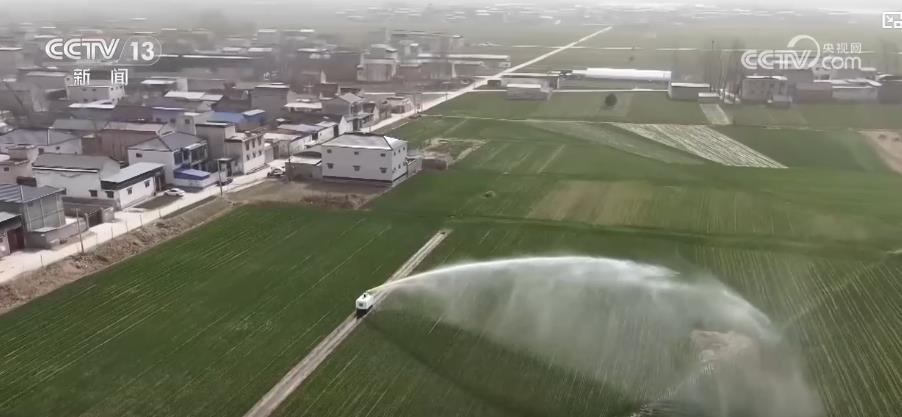
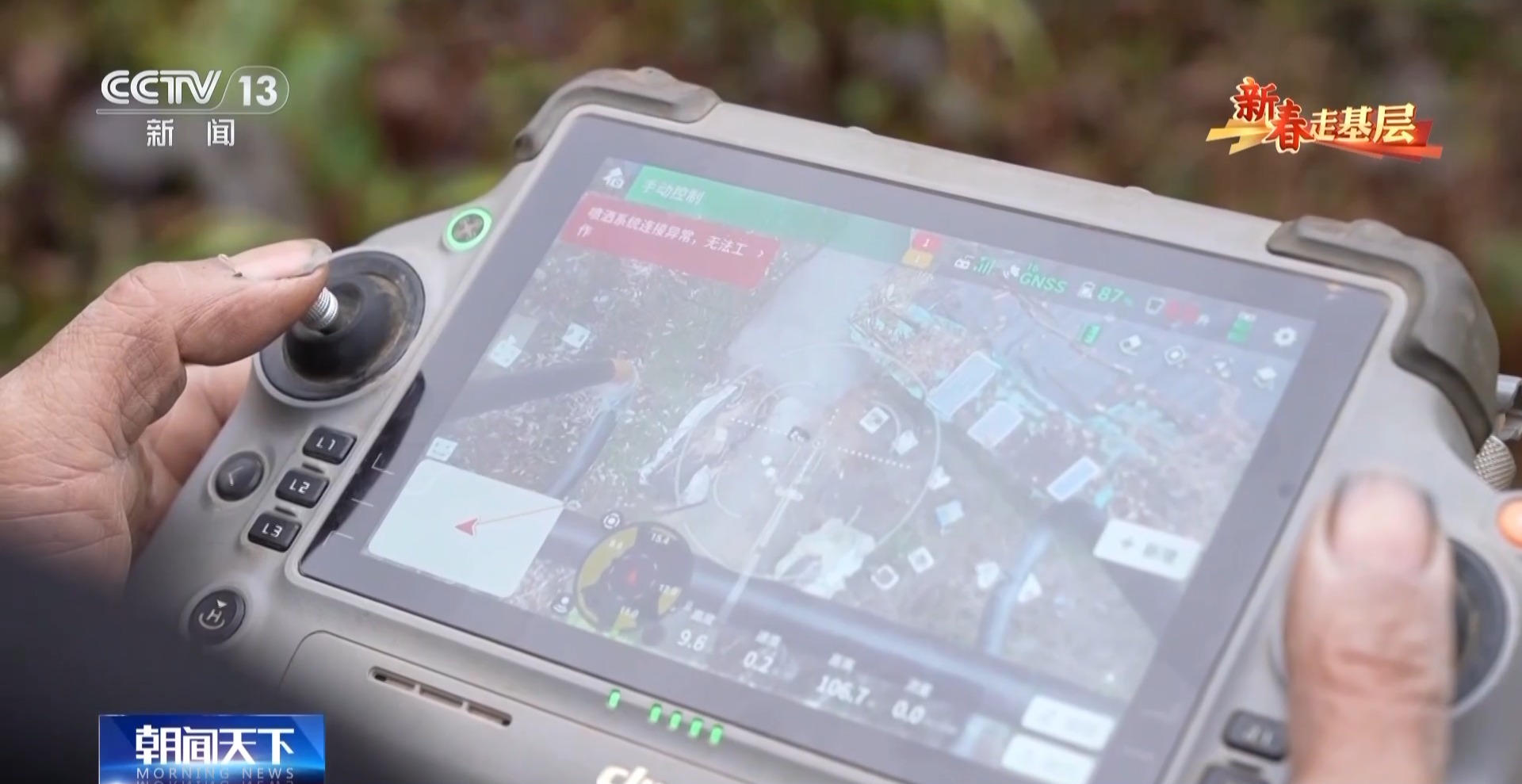
Core Insights - The article highlights the integration of advanced technologies such as smart agricultural machinery and AI decision-making in the management of winter wheat during the spring season, enhancing efficiency and intelligence in agricultural practices [1][5]. Group 1: Agricultural Technology Adoption - The use of intelligent irrigation robots in Henan province allows for efficient irrigation of 10 to 15 acres per hour, utilizing a Beidou navigation system for autonomous operation and soil moisture detection [3]. - Agricultural drones have become standard in the field, with one drone in Jiangsu province able to collect comprehensive data on 180 acres of wheat in just five minutes, including crop health and pest information [3]. Group 2: Research and Development in Crop Breeding - At the National Southern Breeding Research Base, new technologies like AI and IoT are being integrated into the entire breeding process, leading to the development of 978 new crop varieties aimed at enhancing food security [5]. - The agricultural sector is witnessing a shift towards utilizing cutting-edge technologies to drive new productive forces, with a focus on breeding superior crop varieties for the upcoming spring planting season [5]. Group 3: Digital Agriculture Services - In Sichuan province, a digital agriculture service platform named "Jishiyu" enables farmers to remotely monitor over 6,000 acres of wheat, providing precise recommendations for pest control and disease management based on AI data analysis [6].

科技入乡赋能产业发展
Jing Ji Ri Bao· 2026-02-24 22:08
Core Insights - The articles highlight the importance of agricultural modernization through technology and innovation, emphasizing the role of agricultural experts in guiding farmers and the need for effective technology transfer to enhance productivity and income [1][2][3][4]. Group 1: Agricultural Technology and Innovation - The establishment of the Yongshun Kiwi Fruit Experimental Station by the Zhengzhou Fruit Research Institute serves as a practical resource for farmers, providing hands-on training and showcasing new varieties to mitigate risks associated with blind planting [1][2]. - The implementation of the "rice-oil rotation" model in Laifeng County demonstrates the successful application of agricultural technology, with over 300 farmers trained annually, achieving a seed quality inspection pass rate of over 99% in the past three years [2][3]. - The central government's focus on enhancing agricultural technology innovation efficiency is evident in the emphasis on integrating research resources and promoting enterprise-led innovation in key areas such as seeds and agricultural machinery [3][4]. Group 2: Role of Artificial Intelligence and Data - The integration of artificial intelligence in agricultural breeding and modern farming practices is accelerating, with smart agriculture apps connecting farmers to real-time data on pest conditions, soil health, and weather [4]. - The rise of agricultural drones in China, with over 300,000 units in use, illustrates the shift towards data-driven farming practices, enhancing efficiency in tasks such as crop protection, planting, and monitoring [3][4].
评论丨从“两业协同”感悟广东乡村振兴的三重境界
Nan Fang Nong Cun Bao· 2026-02-24 07:35
Core Viewpoint - The article discusses the integration of manufacturing and service industries in Guangdong as a key strategy for rural revitalization, highlighting the transformation of agriculture and the emergence of new talent and urban-rural connections. Group 1: Industry Integration - The deep integration of agriculture with manufacturing and service industries is redefining the value boundaries of "three rural issues" [10][11] - The Jiangmen Xinhui Agricultural Machinery Service Center has established a service system covering the entire rice industry chain, with an annual service area exceeding 30,000 acres [12][13] - The use of advanced agricultural equipment and technologies, such as drones and robots, is becoming prevalent, with the central government's recent policy promoting AI in agriculture [17][18] Group 2: Talent Development - The concept of "investing in people" is extending from urban areas to rural regions, with training programs transforming former workers into professional managers in rural operations [27][29] - The implementation of a "rural craftsman" title evaluation system aims to recognize and standardize skills across various fields, with a target of over 10,000 skilled talents by the end of 2025 [32][33] - The demand for talent in cold chain logistics is rising due to the intelligent transformation of the seafood processing industry, linking education with industry needs [38][39] Group 3: Urban-Rural Connectivity - The "Hundred Thousand Project" has led to significant breakthroughs in county-level revitalization, with Bo Luo County projected to exceed a GDP of 100 billion yuan by 2025 [43][44] - Industrial strong counties like Huizhou and Zhaoqing are accelerating their efforts to join the "100 billion club," with notable industrial outputs [45][46] - The integration of industry and tourism is expanding income channels for farmers, moving beyond traditional agriculture to include processing and service sectors [55][56]

中国国家农业展团首次亮相法国农博会
Xin Lang Cai Jing· 2026-02-22 15:52
Group 1 - The 62nd International Agricultural Show in France opened on February 21, 2023, at the Versailles Exhibition Center in Paris, featuring the first appearance of the Chinese National Agricultural Exhibition Group organized by the Ministry of Agriculture and Rural Affairs of China [1] - The opening ceremony of the Chinese pavilion was held in a festive atmosphere, attended by high-level representatives from the Chinese Embassy in France, the French Ministry of Agriculture, and the French Grain Association, showcasing traditional Chinese craftsmanship and modern innovations [1] - The head of the Chinese National Agricultural Exhibition Group emphasized the importance of agricultural cooperation between China and France, aiming to deepen exchanges and trade cooperation in the agricultural and food sectors [1] Group 2 - The Chinese National Agricultural Exhibition Group selected enterprises from Henan, Hunan, Guangdong, and Sichuan to showcase over a hundred specialty products, including tea, mushrooms, cinnamon, yam, fruits, animal dietary supplements, caviar, and agricultural drones, reflecting achievements in Chinese agriculture and rural revitalization [2] - The International Agricultural Show, which began in 1964, is one of the most influential agricultural exhibitions globally, expected to attract over 1,100 exhibitors from around the world until March 1, 2023 [2]
【秦声嘹亮】数字赋能农业 智慧引领未来
Xin Lang Cai Jing· 2026-02-11 08:24
Group 1 - The core viewpoint of the article emphasizes the integration of artificial intelligence with agriculture, as outlined in the 2026 Central Document No. 1, which aims to develop new agricultural productivity tailored to local conditions and promote the use of drones and robots in agriculture [1][3] - The document highlights the significant increase in agricultural modernization in China, with over 300,000 agricultural drones and an annual operational area exceeding 46 million acres, showcasing the potential for AI and digital technology to enhance agricultural productivity [1][2] - The article stresses the importance of building a solid foundation for technology implementation, particularly by improving rural network infrastructure to facilitate the application of AI technologies in agriculture [2] Group 2 - The article discusses the need to cultivate local "new farmers" who are knowledgeable in technology and management, encouraging collaboration between tech teams and farmers to foster innovation and self-sufficiency in agricultural practices [2] - It emphasizes the importance of accelerating the transformation of agricultural research results into practical applications, focusing on key areas such as seed industry, agricultural machinery, and biomanufacturing [2] - The deployment of AI in agriculture is expected to stimulate the development of new business models, such as leisure agriculture and rural e-commerce, thereby enhancing the internal growth dynamics of rural areas [2][3]
新春走基层丨夫妻搭档“空中快递” 让老乡的年货不再愁出路
Yang Shi Xin Wen Ke Hu Duan· 2026-02-11 01:52
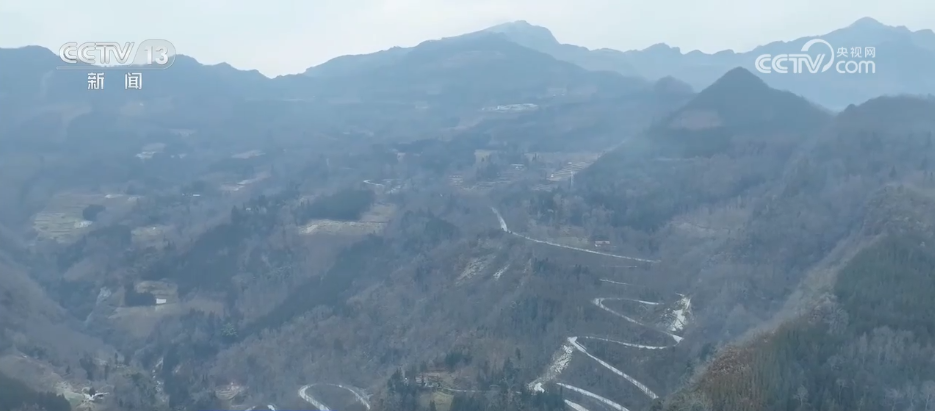
Core Viewpoint - The introduction of drone technology in rural areas of Sichuan has significantly improved the efficiency and cost-effectiveness of transporting local products, enabling villagers to sell their goods more easily and at better prices [1][5][15]. Group 1: Drone Technology Impact - Drones have enabled the transportation of goods such as honey and sausages from remote mountainous areas, overcoming geographical barriers [1][15]. - A single drone can carry 60 kilograms of goods and deliver them in just 20 minutes, drastically reducing transportation time and costs compared to traditional methods [3][5]. - The cost of transporting 1,000 kilograms of honey has decreased from over 600 yuan to about 200 yuan, showcasing a significant reduction in labor costs and increased efficiency [3][5]. Group 2: Community Engagement and Training - The local community has embraced drone technology, with many villagers seeking to learn flying skills and invest in their own drones [9]. - A drone training base has been established, training over 1,200 pilots, which has facilitated the development of low-altitude transport routes to major cities [9]. - The introduction of a dedicated "New Year goods" drone service has led to increased orders and production activities among local farmers and producers [11]. Group 3: Economic Growth and Future Prospects - The use of drones has transformed the local economy, allowing villagers to sell their products more effectively and increasing their income potential [15]. - Villagers express optimism about future earnings, with expectations for higher sales and broader market reach for their products [13][15]. - The integration of technology in traditional farming practices is seen as a pathway to bridging the gap between rural communities and larger markets [15].
中央财办、中央农办有关负责人解读中央一号文件 “粮食安全这根弦必须始终绷紧”
Ren Min Ri Bao· 2026-02-10 06:29
Core Viewpoint - The Central Document No. 1 emphasizes a combination of immediate and long-term strategies for agricultural work, focusing on practical policies to address urgent issues faced by farmers and ensuring food security as a fundamental task [1][2]. Group 1: Food Security - The overall food security situation in China is stable, with grain production expected to reach 1.43 trillion jin by 2025, maintaining a historical high [2]. - The document stresses the importance of maintaining food production capacity and ecological sustainability, aiming to stabilize grain output around 1.4 trillion jin [2]. - Measures include enhancing agricultural production through improved technology and practices, ensuring strict management of arable land, and promoting high-standard farmland construction [2]. Group 2: Farmers' Income - Increasing farmers' income is a central task, with measures to stabilize agricultural earnings through minimum purchase prices and subsidies for key crops [4]. - Support for county-level industries is emphasized, encouraging the development of local economies and preventing homogeneous competition [4]. - Initiatives to support migrant workers include job stability measures and large-scale vocational training to match skills with job demands [5]. Group 3: Agricultural Innovation - The document outlines a focus on agricultural modernization through technological innovation, emphasizing the integration of research and development with practical applications [7]. - China aims to expand the use of agricultural drones and artificial intelligence in farming, enhancing data-driven agricultural practices [7][8]. - The transformation of agricultural technology results in improved productivity and efficiency, addressing farmers' practical challenges [8]. Group 4: Poverty Alleviation and Support - The transition to normalized assistance for poverty alleviation is highlighted, with a focus on dynamic management of support for at-risk populations [9]. - The document calls for precise and efficient assistance methods, emphasizing the importance of organized labor output and employment channels [10]. - Financial and resource support will remain stable to ensure ongoing assistance for rural revitalization efforts [10]. Group 5: Modern Agricultural Industry - The goal of transforming agriculture into a modernized large industry is articulated, focusing on enriching agricultural connotations and enhancing product value [12]. - The document advocates for a diversified food supply system and emphasizes the importance of post-production development and value addition in agriculture [12]. - New industries such as rural tourism and leisure agriculture are encouraged to adapt to changing consumer demands and promote rural economic prosperity [12].
新春走基层 | 年货“飞”出深山外 科技托起幸福生活新期盼
Yang Shi Wang· 2026-02-10 03:17
Core Viewpoint - The introduction of drone technology has significantly improved the efficiency and cost-effectiveness of transporting local products from remote mountainous areas in Sichuan, allowing traditional goods like sausages and honey to reach broader markets more easily [1][16]. Group 1: Drone Technology Impact - Drones have enabled the transportation of goods that were previously difficult to move due to challenging terrain, allowing local specialties to "fly" out of the mountains [1][16]. - A drone can carry up to 60 kilograms of goods and transport them in just 20 minutes, drastically reducing the time and labor costs associated with traditional methods [7][9]. - The cost of transporting 1,000 pounds of honey has decreased from over 600 yuan to about 200 yuan, showcasing significant savings and efficiency improvements [7][9]. Group 2: Community Engagement and Training - The local community has embraced drone technology, with many villagers seeking to learn flying skills and acquire their own equipment [11]. - A drone training base has been established, training over 1,200 drone pilots, which has facilitated the development of low-altitude transport routes to major cities [11]. - The community is actively participating in the production of traditional goods, with a surge in orders leading to collaborative efforts among local farmers and producers [13][15]. Group 3: Economic and Social Transformation - The use of drones has transformed not only the logistics of transporting goods but also the economic prospects of families in the region, fostering a sense of hope and opportunity [16]. - The technology has bridged geographical barriers and created new possibilities for development, enhancing the connection between local producers and larger markets [16].
科技+产业,互促双强|“四个农业”的广东实践①
Nan Fang Nong Cun Bao· 2026-02-10 02:30
Core Viewpoint - The article discusses the integration of technology and industry in agriculture in Guangdong, emphasizing the implementation of the "Four Agricultural" strategies to enhance agricultural productivity and quality through technological innovation [5][12][18]. Group 1: Technological Advancements in Agriculture - The "Yueqiang Seed Core" initiative aims to strengthen seed development, with Guangdong collecting and preserving 368,000 agricultural germplasm resources, ranking among the top in China [32][54]. - The introduction of modern breeding technologies, such as chip-based breeding for fish species, has significantly improved the efficiency and quality of aquaculture in Guangdong [42][44]. - The use of unmanned agricultural machinery has been expanded, integrating AI and IoT technologies to enhance operational efficiency in various crops, including rice and lychee [67][70]. Group 2: Economic Impact and Growth - The production value of Qinyuan silk rice has surpassed 10 billion yuan, showcasing the economic benefits of technological integration in agriculture [2]. - The implementation of agricultural technology services has led to increased income for farmers, with some reporting an average increase of 2,000 yuan per mu [97][109]. - The development of new agricultural products, such as the "乡下黑猪" (Country Black Pig), has resulted in significant market growth, with annual production capacity exceeding 120,000 heads [50][52]. Group 3: Policy and Strategic Support - The Guangdong provincial government has outlined strategies to enhance agricultural technology and equipment support as part of its broader agricultural development plan [65][66]. - The establishment of a comprehensive agricultural technology promotion system aims to break down silos between different agricultural sectors, fostering collaboration and innovation [100][123]. - The "Yueqiang Agricultural Technology" initiative is attracting young professionals to the agricultural sector, injecting new energy into the industry [127][130].
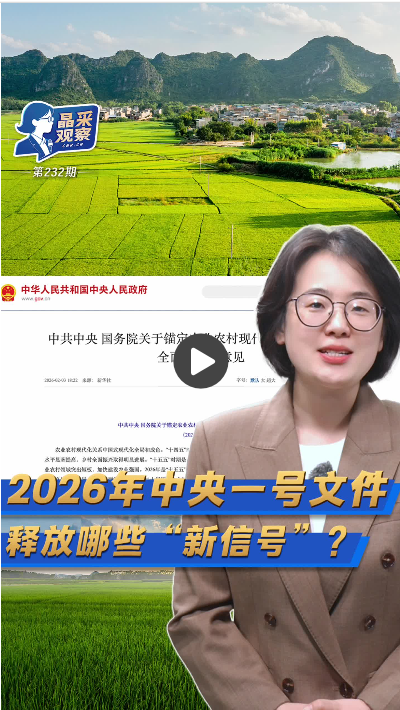
晶采观察丨连续14年指导“三农” 中央一号文件 释放“十五五”开局之年哪些“新信号”?
Yang Guang Wang· 2026-02-07 07:40
Group 1 - The core viewpoint of the article emphasizes the release of the Central Document No. 1, which outlines key strategies for agricultural modernization and rural revitalization in China, marking the 14th consecutive document focused on "agriculture, rural areas, and farmers" since the 18th National Congress [1] Group 2 - The first key point is the implementation of normalized precise assistance, which is a systematic deployment for the first time in the Central Document. It includes four specific directions: improving the policy system for assistance, enhancing the precision and timeliness of monitoring, increasing the effectiveness of industry and employment support, and providing tiered assistance to underdeveloped areas [3] - The second key point focuses on the new quality of agricultural productivity, with the document emphasizing the integration of technology into rural production. It highlights the importance of artificial intelligence, drones, and robotics in modernizing agriculture, with China leading in agricultural drone ownership, having over 300,000 units out of a global total of approximately 500,000 [5][6] - The third key point centers on enhancing rural aesthetics and increasing farmers' income through the development of rural tourism. The document advocates for the growth of "small and beautiful" tourism models that leverage local agricultural culture and customs, allowing farmers to increase their income while preserving the unique characteristics of their villages [8][9]