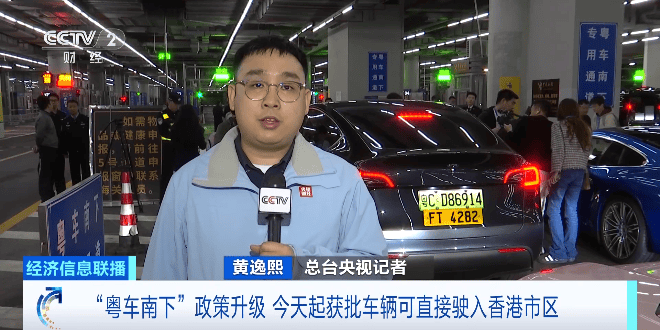
粤车南下

Search documents
17.2万人次 港珠澳大桥单日客流创新高
Xin Hua She· 2026-02-20 08:41
Core Insights - The Hong Kong-Zhuhai-Macao Bridge (HZMB) experienced a record daily passenger flow of 172,000 on February 19, surpassing the previous high of 170,000 on February 1, 2025 [1] - From February 15 to 19, over 602,000 passengers and 99,000 vehicles crossed the bridge, marking increases of 12% and 20% respectively compared to the same period last year [1] - The bridge has become a popular choice for cross-border tourism during the Spring Festival, with over 220,000 mainland travelers and 120,000 holding tourist visas during the holiday [1] Passenger and Vehicle Flow - The total passenger flow through the Zhuhai port of the HZMB from February 15 to 19 reached over 602,000, while vehicle flow exceeded 99,000 [1] - The number of Hong Kong and Macao residents crossing the border during the same period exceeded 372,000, with over 74,000 vehicles registered in Hong Kong [1] Tourism and Activities - A series of festive activities in the Greater Bay Area attracted Hong Kong and Macao residents to travel north, contributing to the increased traffic [1] - The "HZMB Tour" project remained popular, with 10,000 tourists checked by border inspection during the Spring Festival [1] Operational Measures - To manage the peak passenger and vehicle flow, the HZMB border inspection station increased police presence and implemented measures such as dynamic tracking of activity arrangements and ticketing data [2] - Additional guidance and manual inspection positions were established to ensure smooth and orderly operations at the port [2]
港府:粤车在香港的意外事故率远低于香港整体数据
Nan Fang Du Shi Bao· 2026-02-16 08:31
Group 1 - The "Yue Che Nan Xia" policy has been implemented, allowing private cars from Guangdong to enter Hong Kong, with nearly 100 vehicles making reservations on the first day of the Lunar New Year holiday and a total of about 500 expected over the holiday period [3][4] - The Hong Kong government has expressed confidence in the safety of the "Yue Che Nan Xia" initiative, noting that the accident rate for these vehicles is significantly lower than the overall accident rate in Hong Kong [3] - The policy allows for a maximum stay of 3 days for vehicles entering Hong Kong, with a daily quota of 100 vehicles, which has been well-utilized during weekends and holidays, indicating potential for expansion [4] Group 2 - The Hong Kong Transport and Logistics Bureau plans to gradually extend the "Yue Che Nan Xia" policy to other cities in Guangdong and aims to achieve mutual recognition of commercial vehicle driving licenses among Guangdong, Hong Kong, and Macau by next year [4] - The overall response to the policy during the Lunar New Year has met expectations, with half of the vehicles expected to stay in Hong Kong for 1-2 days [3]


粤车南下或逐步推展至广东省其他城市
Di Yi Cai Jing· 2026-02-06 07:10
Core Viewpoint - The Hong Kong government has announced the "Transport Strategy Blueprint," which includes three main themes, six strategies, and 25 specific recommendations aimed at enhancing transportation infrastructure and connectivity in the Greater Bay Area [1]. Group 1: Transportation Strategies - The blueprint suggests gradually expanding the "Cantonese vehicles southbound" initiative to other cities in Guangdong Province and aims to implement mutual recognition of commercial vehicle driving licenses among Guangdong, Hong Kong, and Macau by next year [1]. - It emphasizes the need for improved public transportation information sharing among Greater Bay Area cities to facilitate real-time access to cross-border public transport information for citizens and travelers [1]. Group 2: Infrastructure Development - The blueprint proposes the expansion of transportation infrastructure to create a connected network, including the full opening of the sixth trunk line this year under the "Eight Vertical and Eight Horizontal" transportation infrastructure layout [1]. - It also highlights the commitment to advancing a series of railway and major road projects, as well as researching the expansion of cross-sea transportation capacity [1].
“粤车南下”满月 预约到港车辆破千
Ren Min Ri Bao· 2026-01-25 23:26
Group 1 - The "Yue Car Southbound" policy has been implemented for one month, with over 2,500 applications received and more than 1,000 vehicles scheduled to travel to Hong Kong [1] - The policy initially opens to four cities in Guangdong Province: Guangzhou, Zhuhai, Jiangmen, and Zhongshan, with plans to expand to other cities in six months [1] - The policy is implemented in two phases, with the first phase allowing vehicles to enter Hong Kong via the Hong Kong-Zhuhai-Macao Bridge since November 15 of the previous year [1] Group 2 - The "Yue Car Southbound" policy is expected to enhance the travel experience for visitors, making it more convenient and diverse [1] - The "Hong Kong Car Northbound" policy has been in place for over two years, leading to a significant increase in traffic flow, with one in four licensed vehicles in Hong Kong eligible to apply for this policy [1] - The Hong Kong-Zhuhai-Macao Bridge has facilitated over 100 million vehicle trips since its opening seven years ago, promoting cultural exchanges within the Greater Bay Area [1] Group 3 - The hotel industry in Hong Kong has reported a noticeable increase in visitor numbers since the introduction of the "Yue Car Southbound" policy, benefiting not only hotels but also retail and dining sectors [2] - The hotel occupancy rate during the Lunar New Year is expected to reach 90% due to the influx of self-driving tourists [2]
港珠澳大桥往来旅客人次破亿
Xin Lang Cai Jing· 2026-01-07 23:22
Core Insights - The number of travelers crossing the Hong Kong-Zhuhai-Macao Bridge has surpassed 100 million, with the second 50 million achieved in just 1 year and 8 months, compared to over 5 years for the first 50 million [1] - By 2025, the annual traveler count through the bridge is projected to reach 31.34 million, marking a growth of over 140% compared to 2019 [1] Group 1 - The Hong Kong-Zhuhai-Macao Bridge, measuring 55 kilometers, is the longest sea-crossing bridge in the world, significantly reducing travel time from Hong Kong to Zhuhai and Macao from 3 hours to approximately 45 minutes since its opening in October 2018 [1] - Since the bridge's opening, over 58.7% of the total traveler volume consists of residents from Hong Kong and Macao, totaling more than 58.73 million [1] - The number of vehicles from Hong Kong and Macao crossing the bridge has exceeded 8.4 million, indicating a shift in daily commuting habits for residents [1] Group 2 - The Zhuhai port of the Hong Kong-Zhuhai-Macao Bridge operates 24 hours, providing seamless connectivity with Hong Kong International Airport, which has led to an increase in international travelers choosing this route [2] - By 2025, the number of foreign travelers passing through the bridge is expected to exceed 569,000, reflecting a year-on-year growth of over 28.7% [2]
港珠澳大桥2025年客流车流双破纪录
Xin Hua She· 2026-01-01 06:35
Core Insights - The passenger and vehicle flow through the Hong Kong-Zhuhai-Macao Bridge's Zhuhai port of entry is expected to exceed 31.34 million and 6.8 million respectively in 2025, marking year-on-year growth of 14.3% and 22.3%, setting new historical records [1] - Since the official opening of the port in October 2018, it has for the first time surpassed 30 million passenger trips and 6 million vehicle trips in a single calendar year [1] - The number of Hong Kong and Macao residents entering and exiting through the port is projected to exceed 17.97 million in 2025, with a year-on-year increase of 11%, while the number of single-plate vehicles is expected to surpass 3.86 million, reflecting a 25% growth [1] Group 1 - The implementation of convenient policies such as "Macao vehicles going north" and "Hong Kong vehicles going north" has significantly boosted the enthusiasm of Hong Kong and Macao residents for self-driving trips to the mainland [1] - In 2025, the bridge's port has set new records for passenger and vehicle flow six times, with the highest single-day passenger flow reaching 170,000 and the highest single-day vehicle flow reaching 28,000 [1] Group 2 - The inbound flow of mainland travelers holding Hong Kong and Macao travel permits is also showing significant growth, with over 5.59 million trips expected in 2025, reflecting a year-on-year increase of 6.4% [2] - The majority of these travelers are engaged in "family and child tours," "student tours," and "senior tours," indicating a shift in travel preferences [2] - The formal implementation of the "Guangdong vehicles going south" policy is anticipated to attract more mainland residents to travel to Hong Kong for tourism and business through the bridge [2]
出行观 | 智驾出关“水土不服”,当内地算法遇上香港法律
Xin Lang Cai Jing· 2025-12-27 10:26
Group 1 - The "Yue Che Nan Xia" policy aims to facilitate cross-border transportation between Guangdong Province and Hong Kong, allowing vehicles from specific cities to enter Hong Kong via the Hong Kong-Zhuhai-Macao Bridge starting December 23 [2] - The Hong Kong Transport Department is investigating a mainland driver for violating the policy by using an unauthorized driving assistance system, which may lead to penalties including fines or imprisonment [1][3] - The initial implementation of the policy has revealed discrepancies in traffic regulations and technology between the two regions, highlighting the need for a "pressure test" to address potential issues before broader implementation [2][3] Group 2 - There is a significant difference in the regulation of driving assistance systems between mainland China and Hong Kong, with Hong Kong enforcing stricter controls that require drivers to maintain full control of their vehicles [3] - The establishment of a cross-border violation handling mechanism may mean that traffic violations in one region could affect driving privileges in the other, necessitating awareness among mainland drivers [3] - Continuous improvement of infrastructure and services is required to accommodate mainland drivers, including updates to navigation applications and enhancements to parking facilities [3]
各项措施准备就绪 “粤车南下”将入境香港市区
Ren Min Ri Bao Hai Wai Ban· 2025-12-24 06:17
Core Points - The Hong Kong Transport Department is implementing the "Guangdong Cars Southbound" initiative, allowing eligible private vehicles from Guangdong to enter Hong Kong starting December 23, 2023 [2] - Applications for the program began on December 9, 2023, with approved vehicles allowed to stay in Hong Kong for a maximum of three days [2] - All vehicles must pass inspections at designated vehicle inspection centers in accordance with Hong Kong's safety requirements, covering 15 inspection items [2] Group 1 - The initiative aims to ensure safety, effective traffic distribution, and a streamlined application process [2] - A mobile application, "Hong Kong Travel Easy," has been launched to facilitate the "Guangdong Cars Southbound" program [2] - The Transport Department emphasizes the importance of road and vehicle safety for all incoming vehicles [2] Group 2 - The Transport Department is promoting awareness of Hong Kong's traffic rules through short videos and pamphlets aimed at Guangdong drivers [3] - The materials cover differences in road design, traffic rules, and facilities between mainland China and Hong Kong [3]
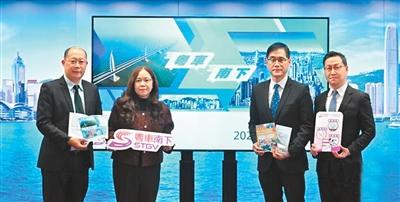
“南下+北上”粤港澳大湾区跨境交通迈入双向直通新时代
Yang Shi Wang· 2025-12-24 03:55
Core Viewpoint - The "Yue Che Nan Xia" policy officially allows private vehicles from Guangzhou, Zhuhai, Jiangmen, and Zhongshan to enter Hong Kong's urban area, marking a new phase of direct access between Guangdong and Hong Kong [1][6]. Group 1: Policy Implementation - The policy allows eligible private vehicles to stay in Hong Kong for a maximum of three days [1][8]. - The first phase of the policy was implemented on November 15, allowing vehicles to only stop at the automated parking lot at the Hong Kong port, while the second phase expands access to the urban area [8]. - The initial daily quota for vehicles under this policy is set at 100 [8]. Group 2: Operational Enhancements - The border inspection department has upgraded its "one-stop" inspection system to facilitate smoother entry for vehicles, optimizing document reading and vehicle inspection processes [10]. - Dedicated personnel have been assigned to provide consultation and guidance to enhance the crossing experience for drivers [10]. Group 3: Cross-Border Traffic Dynamics - The policy complements the "Hong Kong vehicles northbound" and "Macau vehicles northbound" initiatives, with over 3.27 million crossings by Hong Kong and Macau single-plate vehicles recorded this year, reflecting a 25.4% year-on-year increase [12]. - The interaction between the "Yue Che Nan Xia" policy and the two northbound policies fosters closer ties in trade and tourism among the Greater Bay Area [12].
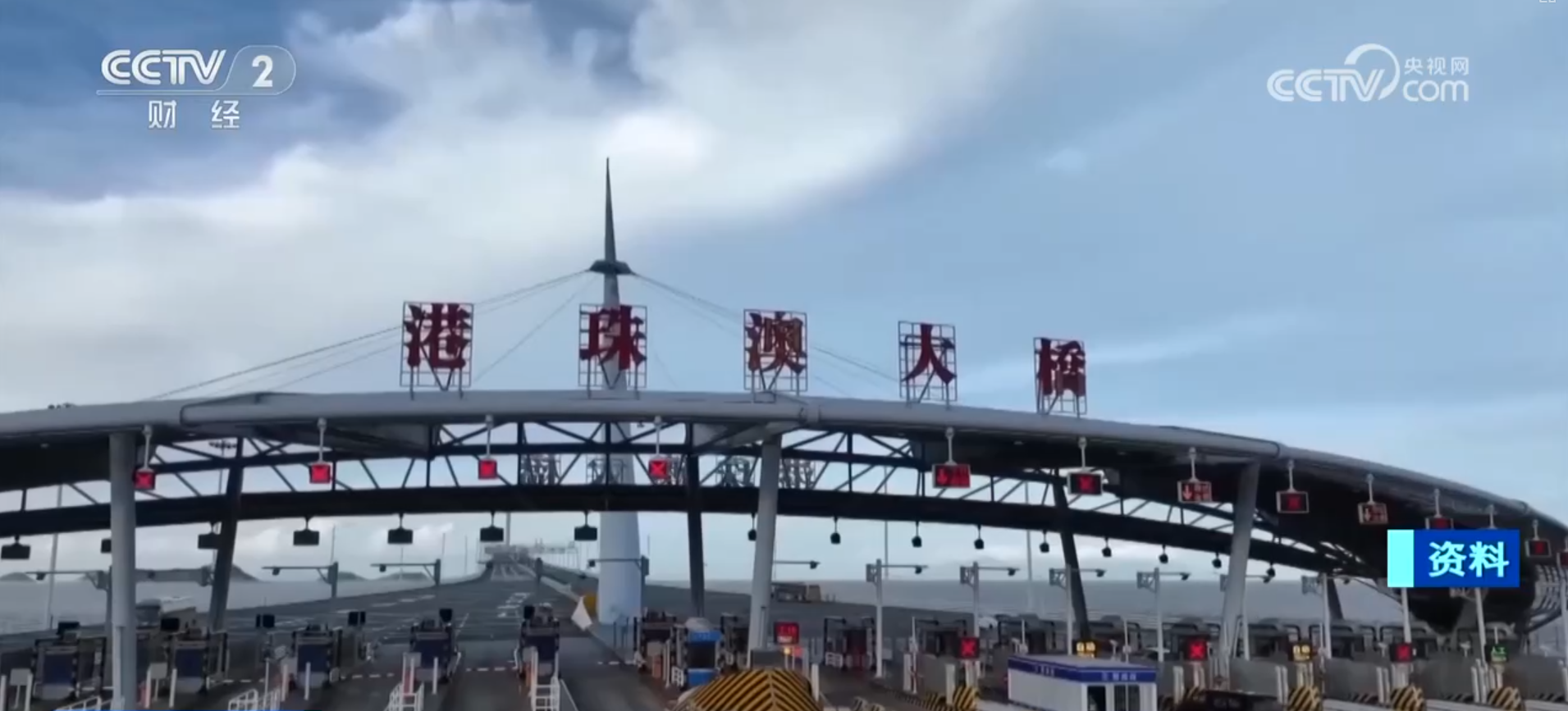
“粤车南下”政策升级 今天起获批车辆可直接驶入香港市区
Sou Hu Cai Jing· 2025-12-23 15:31
Core Viewpoint - The "Yue Car Southbound" policy officially implemented on October 23 allows private vehicles from Guangzhou, Zhuhai, Jiangmen, and Zhongshan to enter Hong Kong's urban area, marking a new phase of direct access between Guangdong and Hong Kong [1][3]. Group 1 - The policy enables eligible private cars to stay in Hong Kong for a maximum of three days [1][5]. - The first phase of the policy, starting on November 15, will initially limit vehicles to the Hong Kong port's automated parking lot, while the second phase will allow full access to the urban area [5]. - The initial daily quota for vehicles entering Hong Kong is set at 100, with plans to expand to other cities in Guangdong Province after six months [5]. Group 2 - Vehicles entering Hong Kong will display both Guangdong and Hong Kong license plates and must purchase Hong Kong vehicle insurance [3]. - The border inspection department has upgraded its "one-stop" inspection system to enhance the entry experience for vehicles under the "Yue Car Southbound" policy [7]. - The policy complements the "Hong Kong Cars Northbound" and "Macau Cars Northbound" initiatives, which have seen over 3.27 million crossings this year, a 25.4% increase, facilitating closer ties in trade and tourism among the Greater Bay Area [9].