经济保护主义

Search documents
特朗普提名新任主席后,美联储货币政策将面临哪些变化
Sou Hu Cai Jing· 2026-01-31 13:20
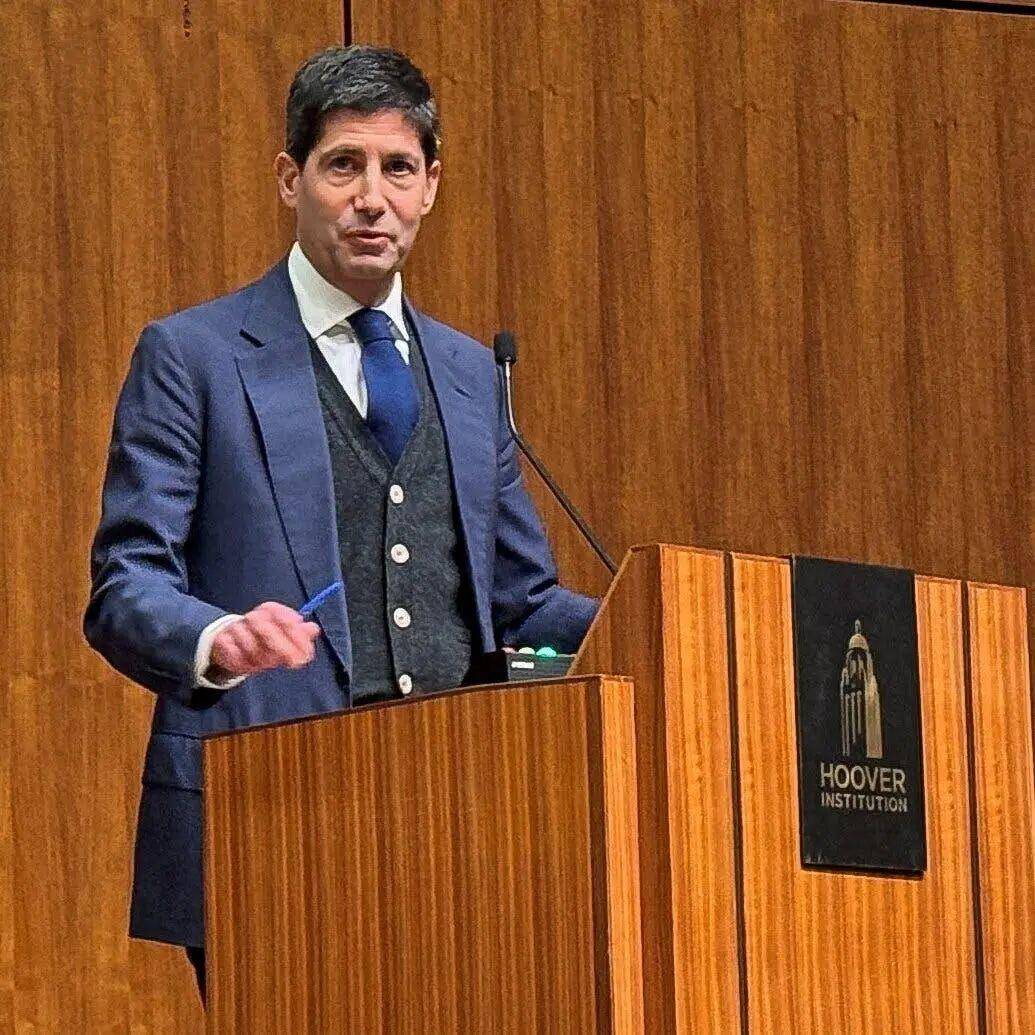
Group 1 - Kevin Walsh has been nominated by President Trump to replace Jerome Powell as the next Chairman of the Federal Reserve, pending Senate approval [1] - Walsh has a background in investment banking, having worked at Morgan Stanley and served as a Federal Reserve Governor from 2006 to 2011, making him one of the youngest members in that role [1] - During the 2008 financial crisis, Walsh was a key liaison between then-Fed Chairman Ben Bernanke and Wall Street, supporting tighter monetary policies [1] Group 2 - Walsh was previously seen as a supporter of free trade and a hawkish figure in monetary policy, but has recently shifted to support Trump's tariff policies and calls for quicker interest rate cuts [4] - He has criticized the Fed's loose monetary policies since the financial crisis, stating that the refusal to cut rates was a "major mistake" and has expressed a preference for lower interest rates [5] - Walsh advocates for comprehensive reforms of the Fed, including reducing its balance sheet and easing bank regulations, which contrasts with typical behaviors during a rate-cutting cycle [5] Group 3 - Analysts suggest that Walsh's nomination may not lead to significant rate cuts, as he is perceived to be less dovish compared to other candidates [7] - There is uncertainty regarding Walsh's confirmation in the Senate, especially following Powell's criminal investigation, with some Republican senators expressing opposition to any Fed-related nominations until the issue is resolved [7]

【财经分析】下任主席提名揭晓 美联储货币政策将面临哪些变化
Xin Hua She· 2026-01-31 03:15
Group 1: Core Insights - Kevin Walsh has been nominated by President Trump to be the next Chairman of the Federal Reserve, potentially replacing Jerome Powell whose term ends in May [1] - Walsh has a background in investment banking and served as a Federal Reserve Governor from 2006 to 2011, being the youngest in that role at the time [1] - His previous experience includes being a key liaison during the 2008 financial crisis and providing economic policy advice to Trump [1] Group 2: Policy Stance - Walsh was initially seen as a supporter of free trade and a hawkish figure on monetary policy, but has recently aligned with Trump's tariff policies and calls for quicker interest rate cuts [2] - He has criticized the Federal Reserve's loose monetary policy since the financial crisis, stating that the refusal to lower interest rates was a significant mistake [2] - Walsh now advocates for lower interest rates and comprehensive reforms of the Federal Reserve, including reducing its balance sheet and easing bank regulations [2] Group 3: Potential Changes at the Federal Reserve - Analysts suggest that Walsh may not be as dovish as other candidates, potentially leading to fewer interest rate cuts [3] - There are indications that Walsh's recent alignment with the Trump administration complicates predictions on market reactions to his nomination [3] - The approval of Walsh's nomination by the Senate remains uncertain, especially following a criminal investigation into Powell, with some Republican senators expressing opposition to any Fed-related nominations until the issue is resolved [3]
特朗普提名沃什为美联储主席,会带来什么变化?
Sou Hu Cai Jing· 2026-01-31 01:27
Core Viewpoint - Kevin Walsh has been nominated by President Trump to be the next Chairman of the Federal Reserve, potentially leading to significant changes in monetary policy if confirmed by the Senate [1]. Group 1: Background of Kevin Walsh - Kevin Walsh, born in 1970, previously worked at Morgan Stanley focusing on mergers and acquisitions [1]. - He served as a Federal Reserve Governor from 2006 to 2011, being the youngest in that role at the time [1]. - Walsh has historically supported globalization and free trade, but has recently indicated a need for stricter measures against countries not aligned with U.S. interests [1]. Group 2: Monetary Policy Perspectives - Walsh has been critical of the Federal Reserve's loose monetary policy since the financial crisis, labeling the refusal to cut interest rates as a "major mistake" [1]. - He has expressed a preference for lower interest rates and has called for comprehensive reforms of the Federal Reserve, including reducing its balance sheet and easing bank regulations [1]. - His stance on interest rates contrasts with typical easing cycles, which often involve halting or expanding the balance sheet [1]. Group 3: Market Reactions and Senate Approval - Analysts suggest that Walsh is less dovish compared to other candidates, indicating a tendency towards fewer rate cuts [2]. - There is uncertainty regarding whether Walsh's nomination will be approved by the Senate, especially following criminal investigations into current Chairman Powell, leading to skepticism among some Republican senators [2].

经济热点问答|下任主席提名揭晓 美联储货币政策将面临哪些变化
Xin Hua Wang· 2026-01-30 16:42
Group 1: Core Insights - Kevin Walsh has been nominated by President Trump to be the next Chairman of the Federal Reserve, potentially replacing Jerome Powell whose term ends in May 2024 [1] - Walsh has a background in investment banking and served as a Federal Reserve Governor from 2006 to 2011, being a key figure during the 2008 financial crisis [1] - His recent shift towards supporting lower interest rates and reforms in the Federal Reserve's operations indicates a potential change in monetary policy direction [2] Group 2: Policy Stance - Walsh was previously a proponent of free trade but has recently aligned with Trump's tariff policies and calls for quicker interest rate cuts [2] - He has criticized the Federal Reserve's loose monetary policy since the financial crisis and has stated that the refusal to lower rates was a significant mistake [2] - His current stance favors lower interest rates and comprehensive reforms to reduce the Fed's balance sheet and ease bank regulations, which contrasts with typical rate-cutting cycles [2] Group 3: Market Reactions and Uncertainties - Analysts suggest that Walsh's nomination may not lead to aggressive rate cuts, as he is perceived to be less dovish compared to other candidates [3] - The market's reaction to Walsh's nomination remains uncertain, especially given his recent alignment with the Trump administration [3] - There are concerns regarding the approval of Walsh's nomination in the Senate, particularly in light of ongoing investigations into Powell, which have led some Republican senators to express opposition to any Fed-related nominations until these issues are resolved [3]
经济热点问答|下任主席提名揭晓 美联储货币政策将面临哪些变化
Sou Hu Cai Jing· 2026-01-30 16:33
Group 1 - The core viewpoint of the article is the nomination of Kevin Walsh as the next Chairman of the Federal Reserve by President Trump, which may lead to significant changes in U.S. monetary policy [1] - Kevin Walsh has a background in investment banking, having worked at Morgan Stanley and served as a Federal Reserve Governor from 2006 to 2011, where he was a key figure during the 2008 financial crisis [1] - Walsh has shifted from being a supporter of free trade to endorsing Trump's tariff policies and advocating for lower interest rates, indicating a potential change in the Fed's approach to monetary policy [2] Group 2 - Analysts suggest that Walsh's nomination may not lead to aggressive rate cuts, as he is perceived to be less dovish compared to other candidates [3] - There is uncertainty regarding Walsh's confirmation by the Senate, especially following the criminal investigation of current Chairman Powell, which has led to skepticism among some Republican senators [3] - Walsh's recent calls for comprehensive reform of the Federal Reserve, including reducing its balance sheet and easing bank regulations, contrast with typical policies associated with a rate-cutting cycle [2]
贝森特预告:未来48小时将宣布多项贸易协议!
Jin Shi Shu Ju· 2025-07-07 14:31
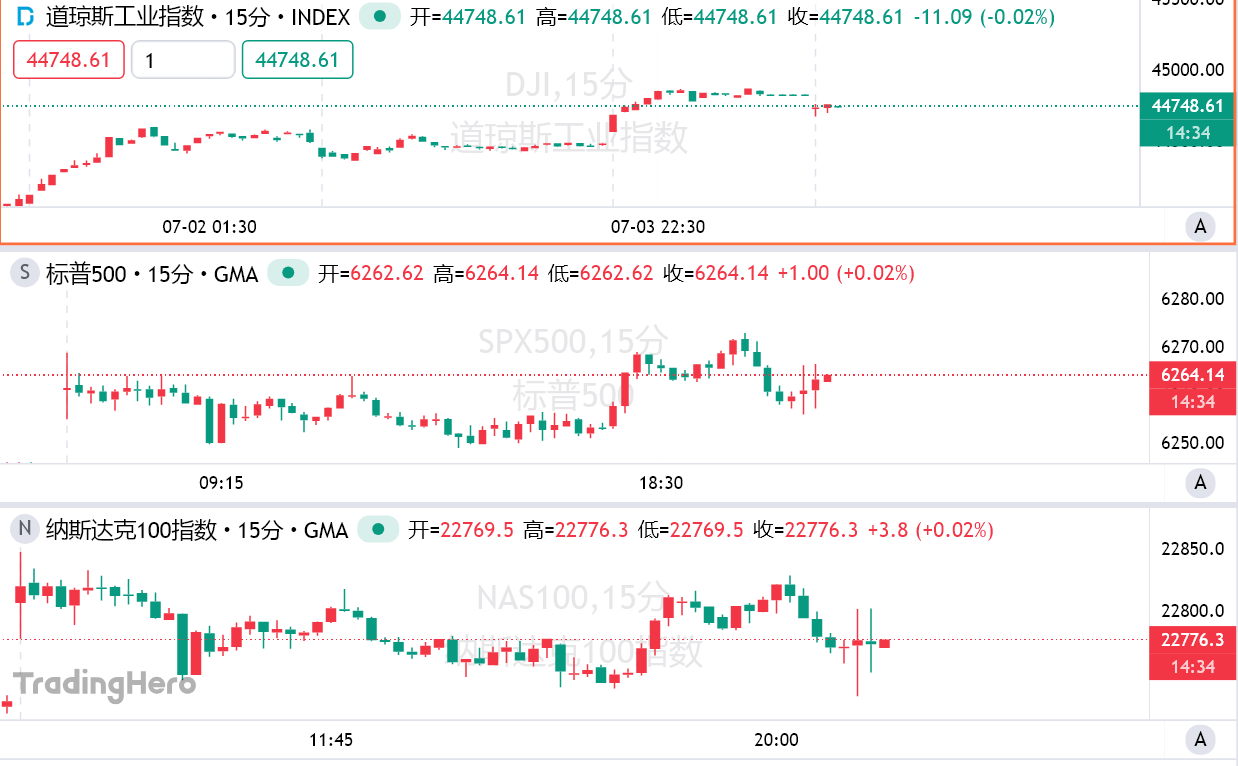
Group 1 - US Treasury Secretary Becerra anticipates multiple trade agreements to be announced within 48 hours, indicating a busy period ahead [2] - President Trump’s pause on reciprocal tariffs is nearing its end, with negotiations ongoing with targeted countries [2] - The US stock market opened lower, with the Dow down 0.18%, S&P 500 down 0.3%, and Nasdaq down 0.49%, influenced by Tesla's significant drop of 7.6% due to CEO Musk's political ambitions [2] Group 2 - Morgan Stanley's economist Rajeev Sibal notes that trade negotiations typically take a long time, with US free trade agreements averaging three years to complete [4] - Stifel's strategist Barry Bannister predicts a 12.4% decline in the S&P 500 index in the second half of the year, forecasting a slowdown in core GDP growth and consumer spending [4] - Bannister highlights that the current market environment may lead to a re-emergence of "stagflation trades," similar to the market's performance during the first quarter of 2025 [5] Group 3 - Concerns over inflation and high interest rates are exacerbated by the Trump administration's protectionist policies, with Fed Chair Powell indicating that tariffs have influenced the decision to pause interest rate cuts [5] - In the current market context, Stifel's Bannister favors sectors such as consumer staples, utilities, and medical devices [5]