
经销商体系

Search documents
抖音封杀低价飞天:茅台为何越来越难控价?
Sou Hu Cai Jing· 2025-11-20 16:53
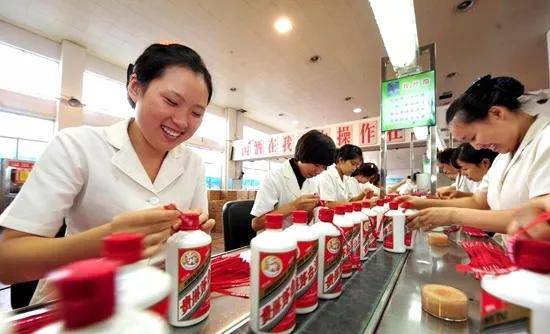
Core Viewpoint - The article highlights the challenges faced by Moutai, particularly its declining pricing power and the impact of its distribution system on sales and profitability [3][10]. Group 1: Distribution System and Pricing Control - Moutai's extensive distributor network has significantly contributed to the sales of its series of products, but it has also become a major factor in the current oversupply of its flagship product, Flying Moutai [3][4]. - The company's ability to control prices through its distribution channels has weakened, leading to a situation where the suggested retail price of Flying Moutai (1499 yuan) is often disregarded in the market [5][10]. - The distributor system, while initially beneficial, has revealed issues such as corruption and a lack of control over end prices, which has resulted in distributors hoarding stock during peak seasons to maximize profits [5][6]. Group 2: Financial Performance and Market Conditions - Moutai's series of products have seen a significant increase in gross margin, rising from below 50% in 2016 to over 70% in 2024, indicating strong demand driven by the brand's prestige [8]. - The current market environment is characterized by a severe destocking cycle affecting both series products and Flying Moutai, with a shift from social destocking to channel destocking [11][12]. - Key indicators for Moutai's market conditions include accounts receivable and M1 growth rates, with M1 growth serving as a leading indicator for price changes in Flying Moutai [14][17]. Group 3: Future Outlook - The turning point for Moutai's market conditions is anticipated around mid-2026, contingent on improvements in external economic indicators and the company's ability to manage its distributor relationships effectively [12][17]. - The current situation reflects a struggle between distributors eager to convert inventory into cash and the company's concerns about maintaining price stability, suggesting that simply halting low-price promotions may not suffice to control the situation [10][17].


宗馥莉已回娃哈哈上班
财联社· 2025-10-25 03:03
Core Viewpoint - The recent developments in Wahaha's brand strategy indicate a significant reversal, with the company deciding to continue using the "Wahaha" brand instead of the newly proposed "Wawaizong" brand, following internal conflicts and pressures from distributors [2][3]. Group 1: Brand Strategy and Management Changes - On October 23, it was reported that the Hongsheng system's sales branches were notified to continue using the "Wahaha" brand in 2026, indicating a halt to the "Wawaizong" brand initiative [2]. - After resigning in September, Zong Fuli has returned to Wahaha as the president of Hongsheng Beverage Group, suggesting a consolidation of leadership and a potential resolution to internal conflicts [4]. - The internal strife within Wahaha led to the creation of the "Wawaizong" brand, which stemmed from Zong Fuli's attempts to restructure the organization and manage the brand's trademark issues [4][5]. Group 2: Distributor Reactions and Financial Implications - There is a divide among distributors regarding the "Wawaizong" brand, with some expressing distrust and reluctance to pay the required deposits, which are significantly lower than the previous year's completion rates [6]. - Some distributors, particularly those with a long-standing relationship with Wahaha, remain supportive of Zong Fuli and the company's direction, viewing the current brand transition as a normal part of business evolution [7].

昔日超级大白马,掉队了
Ge Long Hui A P P· 2025-09-07 08:11
Group 1 - Gree Electric Appliances has shown signs of growth fatigue in recent years, with its market share in the online air conditioning segment being challenged by competitors like Xiaomi and Aux [2][3] - In the first half of 2025, Gree's revenue declined, contrasting with the overall growth in the home appliance market, which saw a retail sales increase of 9.2% year-on-year [5][36] - Gree's net profit for the second quarter dropped by 10.07% to 8.508 billion yuan, and the company announced it would not distribute cash dividends, a significant shift from its previous practices [7][57] Group 2 - The air conditioning market is becoming increasingly competitive, with Gree's pricing strategy leading to a decline in market share, now around 18% [11][12] - Xiaomi's air conditioning business has become a key growth driver, with a revenue increase of 38.2% year-on-year, while Gree's core air conditioning business has seen a negative growth of 5.09% [8][10] - Gree's reliance on a single product line (air conditioning) and its limited overseas market presence (only about 15% of revenue) are significant challenges compared to competitors like Midea and Haier [34][37] Group 3 - Gree's traditional dealer system is becoming a hindrance in the evolving market landscape, as online sales channels gain prominence [18][19] - The company's recent rebranding efforts to "Dong Mingzhu Health Home" aim to diversify its product offerings, but the effectiveness of this strategy remains uncertain [39][40] - Gree's valuation is currently low at 7 times earnings, despite stable profits and a high dividend yield, indicating a lack of investor confidence in its future [57]

