
网约车抽成

Search documents
记者实探网约车抽成情况
第一财经· 2026-02-09 12:28
Core Viewpoint - The article discusses the ongoing debate around driver income in the ride-hailing industry, focusing on platform commission rates and the broader implications of market saturation and supply-demand dynamics on driver earnings [3][9]. Commission Rates and Driver Earnings - Drivers can now view commission rates for each order through the platform's backend, with reported driver income percentages ranging from 73.1% to 100% across different orders [4]. - In 2021, Didi reported that drivers earned 79.1% of the total fare paid by passengers, with the remaining 20.9% allocated to subsidies, operational costs, and net profit [5]. - The average commission rate for Didi's orders is projected to be 14% in 2024 [6]. Financial Data from Platforms - Cao Cao Mobility's prospectus indicates that driver income as a percentage of total service revenue was 84.2% in 2022, dropping to 79.0% by 2024, with corresponding commission rates not exceeding 21% [7]. - The average net commission rates for Shengwei Times' ride-hailing business were reported as 2.9%, 1.1%, -0.2%, and 0.4% for the years 2022 to mid-2025 [7]. Market Dynamics and Driver Sentiment - Drivers express concerns about market saturation and excess supply rather than solely focusing on commission rates, indicating a shift in their priorities [4][10]. - The ride-hailing market is transitioning from a seller's market to a buyer's market, with increasing competition among drivers leading to a decline in average daily orders per vehicle [12]. Regulatory Actions and Platform Responses - Regulatory bodies have begun addressing issues related to high commission rates and lack of transparency, with measures implemented to prevent order reselling and ensure fair commission structures [8][15]. - In response to regulatory pressure, several platforms, including Didi and T3, have announced reductions in their commission rates, aiming to enhance driver earnings [14]. Future Outlook - Industry experts suggest that while the potential for further price reductions may be limited, there could be initiatives aimed at improving driver income through various measures [13].


网约车司机收入问题待解 记者实探网约车抽成情况
Di Yi Cai Jing· 2026-02-09 11:53
Core Viewpoint - The income of drivers in the ride-hailing industry is a hot topic, with platform commission rates being a significant concern that affects millions of drivers. The market is transitioning from growth to saturation, indicating deeper issues related to supply and demand dynamics rather than just commission rates [1][9]. Commission Rates - Drivers can now view commission rates for each order through the platform's backend, with reported driver income percentages ranging from 73.1% to 100% across different orders. Drivers generally find a commission rate below 25% acceptable [2]. - Didi reported that in 2020, drivers earned 79.1% of the total amount paid by passengers, with the remaining 20.9% allocated to subsidies, operational costs, and net profit. Orders with commissions exceeding 30% accounted for only 2.7% of total orders [3]. - The average commission rate for Didi's orders is projected to be 14% in 2024 [4]. Driver Income Trends - From 2022 to 2024, the proportion of driver income (including subsidies) from platforms like Cao Cao Travel was 84.2%, 79.1%, and 79.0%, respectively, with corresponding commission rates not exceeding 15.8%, 20.9%, and 21% [5]. - The industry is experiencing a shift from a seller's market to a buyer's market, with increasing competition among drivers leading to downward pressure on income despite a growing number of ride requests [9]. Regulatory Actions - Regulatory bodies have begun addressing issues related to commission transparency and excessive rates, with initiatives to prohibit order reselling and set reasonable commission limits [6]. - In 2024, various platforms announced reductions in commission rates to enhance driver earnings, with Didi planning to lower its maximum commission from 29% to 27% by the end of 2025 [11]. Market Dynamics - The ride-hailing market is transitioning to a phase of structural optimization and efficiency improvement, with increasing active driver numbers but declining average orders per vehicle [8]. - The average daily active drivers in Hangzhou reached 93,100 in Q4 2025, a 10.09% increase year-on-year, while the average daily orders per vehicle decreased by 3.32% [8]. Future Outlook - Industry experts suggest that while there may be limited room for further price reductions, there could be more initiatives aimed at increasing driver income [10].
网约车司机收入问题待解,记者实探网约车抽成情况
Di Yi Cai Jing· 2026-02-09 11:20
Core Viewpoint - The ongoing debate about commission rates in the ride-hailing industry reflects the balance and struggle between drivers, platforms, and regulators, especially as the market transitions from growth to saturation [1][2][3] Group 1: Commission Rates and Driver Income - Recent updates allow drivers to view commission rates for each order, with reported driver income percentages fluctuating between 73.1% and 100% [4] - In 2021, Didi reported that drivers earned 79.1% of the total fare, with the remaining 20.9% allocated to subsidies, operational costs, and profits [5] - Didi's average commission rate for all orders is projected to be 14% in 2024 [7] - Cao Cao Mobility's prospectus indicates that driver income as a percentage of platform revenue was 84.2% in 2022, decreasing to 79.0% by 2024, with corresponding commission rates not exceeding 21% [8] Group 2: Market Dynamics and Driver Challenges - Drivers express concerns about market saturation and excess capacity rather than solely focusing on commission rates [3][12] - The number of active drivers is increasing, leading to heightened competition and pressure on driver income, despite a growing demand for ride-hailing services [13][14] - The industry is shifting from a seller's market to a buyer's market, with supply growth outpacing demand [14] Group 3: Regulatory and Platform Responses - In response to driver concerns, platforms like Didi and T3 have announced reductions in commission rates, with Didi planning to lower its maximum commission from 29% to 27% by the end of 2025 [16][17] - Regulatory bodies have been actively addressing high commission rates and ensuring transparency in pricing, with new guidelines being implemented to protect driver rights [19][20] - Analysts suggest that a multi-faceted approach is needed to address pricing issues, including transparent pricing mechanisms and improved regulatory frameworks [20]
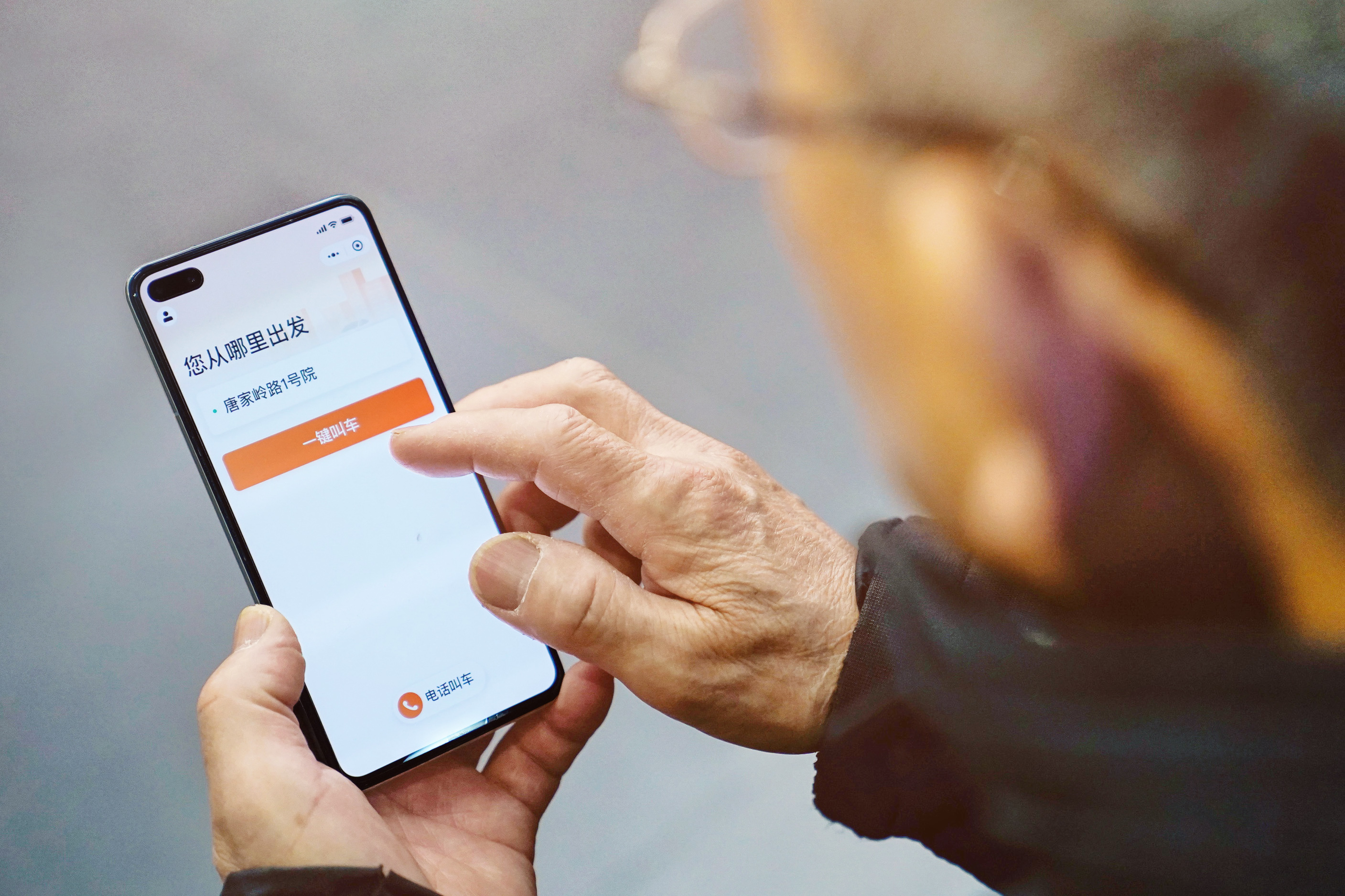
2025年了,网约车还敢高抽成?这位博主做了100单实测
Guan Cha Zhe Wang· 2025-10-29 08:36
Core Viewpoint - The article discusses the actual commission rates charged by ride-hailing platforms, particularly Didi, revealing that the commonly perceived high rates of 30% or more are often exaggerated, with real rates being significantly lower [3][4][14]. Summary by Sections Commission Rates - Many ride-hailing drivers believe that platform commissions are excessively high, often citing rates above 30% [1] - A recent study by a blogger found that the actual commission rate during a 15-day test was approximately 20.7%, and after accounting for monthly bonuses, the average commission dropped to 16.1% [3][5] - Research from Tsinghua University indicated that the average commission for Didi drivers was around 15.3%, with 90% of drivers earning less than 20% [4] Testing Methodology - The blogger's test involved completing 100 rides across various Didi services, covering peak and off-peak hours in different locations [5] - The method for calculating commission involved subtracting the driver's earnings from the passenger's payment, revealing that some rides had commissions exceeding 25% [6] Dynamic Commission Mechanism - The commission rates are not fixed and vary based on demand, time, and location, with higher rates during off-peak times and lower rates during peak demand to incentivize drivers [7][9] - Long-distance rides tend to have lower commission rates compared to short-distance rides, with an average of 16.25% for long rides and 28% for short rides [10][11] Transparency and Driver Perception - Despite improvements in transparency, many drivers still overestimate their commission rates due to a lack of understanding of the commission calculation and the timing of bonuses [14][16] - A significant portion of drivers (71.8%) inaccurately believed their average commission was above 25%, highlighting a disconnect between actual rates and driver perceptions [14][16] Industry Context and Future Outlook - The article emphasizes the importance of a transparent commission system for the long-term sustainability of the ride-hailing industry, advocating for better communication of commission structures to drivers [17][21] - Didi's approach to lowering commissions and improving transparency is seen as a positive step for the industry, potentially serving as a model for other platforms [20][21]

网约车抽成≠利润,这个行业真是被误解太久了
华尔街见闻· 2025-09-23 10:12
Core Viewpoint - Recent announcements from multiple ride-hailing platforms indicate a reduction in commission rates, with a cap of no more than 27%, which has been generally welcomed by the public, although some still consider this rate too high [4][5]. Group 1: Misunderstandings about Commission - Public discourse has long been misled regarding the operational model of ride-hailing platforms, particularly concerning commission fees, which are more accurately described as "service fees" that cover transaction facilitation, technical support, and safety guarantees [7][8]. - A recent report indicated that the median commission rate for drivers is 18.8%, with most drivers' commissions falling between 18% and 20%, while only 0.25% of drivers exceed 25% [13][14]. - The discrepancy between the stated commission cap of 27% and the average commission of 14% from Didi highlights a significant misunderstanding, as commission rates fluctuate based on supply-demand dynamics and other factors [15][16]. Group 2: Commission vs. Profit - There is a common misconception that platform commissions equate to platform profits, with many viewing the ride-hailing industry as a highly profitable sector. However, the reality is that platforms incur numerous operational costs beyond just facilitating rides [19][20]. - A substantial portion of the commission is allocated to a subsidy pool for drivers and passengers, which includes incentives during peak hours and support during adverse conditions, indicating that commissions are more of a "pre-collection" rather than direct profit [20]. - Didi's financials reveal that in 2024, it achieved revenues of 206.8 billion yuan with an adjusted EBITA of 4.33 billion yuan, resulting in a mere 2% profit margin, contradicting the notion of the industry being highly profitable [23][24]. Group 3: Driver Income and Market Conditions - The average monthly income for ride-hailing drivers is reported at 7,623 yuan, ranking second among six blue-collar professions, with drivers in first-tier cities earning an average of 11,557.1 yuan [29][30]. - Factors such as ride volume and pricing, which are influenced by market conditions rather than platform policies, play a more significant role in driver income than commission rates [30][31]. - The ride-hailing market has faced saturation, with data from Guangzhou showing an increase in registered vehicles and drivers, while daily order volumes have declined, impacting driver earnings [34][35].
滴滴:2024年所有订单平均抽成为14%,抽成不等于利润,大部分通过补贴反馈司乘和服务生态建设
Xin Lang Ke Ji· 2025-09-13 03:32
Core Insights - Didi held its third "Driver Experience Supervisor Review Meeting," focusing on driver feedback and revenue sharing issues [2][3] - The company reported improvements in combating cheating and addressing cross-city order return fees [2][3][4] Group 1: Cheating Prevention - Didi has established a special team to combat cheating, addressing system vulnerabilities quickly [2] - Since 2015, Didi has collaborated with law enforcement, leading to the arrest of 43 suspects involved in cheating activities [2] - New rules have been piloted in some cities to ensure fairness in order allocation for drivers [2] Group 2: Cross-City Order Return Fees - Didi currently employs two methods for return fees, allowing drivers to negotiate with passengers while capping the fee at the highway cost [3] - A new app feature will enable clearer negotiations for return fees, displaying highway costs and allowing passengers to choose from three fee options [3] - This trial will be implemented in cities like Jiangmen and Zhaoqing, with plans for nationwide rollout based on feedback [3] Group 3: Revenue Sharing Concerns - Drivers shared their experiences regarding revenue sharing, with reported commission rates of 6.9% and 18% for different drivers [3][4] - Didi clarified that the commission is not purely profit, as it funds various operational costs and driver incentives [5] - The average commission for all orders in 2024 is projected to be 14% [5] Group 4: Driver Feedback and Suggestions - Attendees provided constructive feedback, including the need for clearer bill visualization and automatic income calculations [5] - Didi's CTO emphasized the importance of ongoing dialogue with drivers to address their concerns and improve services [5]


网约车抽成比例为什么有高有低?月抽成如何计算?
Xin Jing Bao· 2025-08-20 02:19
Core Insights - The average commission rate for ride-hailing drivers ranges from 9.6% to 19.1%, raising questions among drivers about the variability in commission rates [1] - Didi's recent introduction of a "monthly commission statement" highlights the fluctuations in passenger demand and driver supply within the ride-hailing industry, indicating that single order commissions do not accurately reflect drivers' actual monthly income levels [1]