
美国斩杀线

Search documents
美国的“斩杀线”意味着什么?
Xin Lang Cai Jing· 2026-01-20 06:33
Core Viewpoint - The concept of "killing line" reflects the financial vulnerability of the American middle class, indicating that despite apparent stability, individual financial burdens and family fiscal risks are in a precarious balance, which can collapse under unexpected shocks [1][2] Group 1: Institutional Analysis - The "killing line" is a result of the privatization and creditization of risk, where social welfare risks are institutionalized and transferred to individuals and families, measured and amplified through a mature credit system [1][2] - The U.S. social and economic structure is characterized by high marketization in key life areas such as education, healthcare, and housing, with public welfare primarily serving to "fill market gaps" rather than providing universal social benefits [2][3] - The U.S. welfare system is deeply embedded in the labor market and corporate operations, leading to a situation where benefits are closely tied to stable employment, making individual welfare contingent on job security [3][4] Group 2: Political and Structural Challenges - The decentralized governance structure and complex administrative system in the U.S. create significant political costs for nationwide welfare reforms, resulting in fragmented and piecemeal approaches to social welfare [4] - The existing welfare expenditure is not insufficient; rather, it is high but largely delivered through private insurance and employer benefits, leading to high administrative costs and limited redistributive effects [4] Group 3: Healthcare System Specifics - The healthcare sector exemplifies the "killing line" phenomenon, as medical issues are highly uncertain and can lead to extreme costs, with patients often lacking bargaining power [5][6] - The U.S. healthcare system relies heavily on commercial insurance and a multi-payer structure, resulting in high administrative costs that do not translate into universally affordable healthcare [6] - The linkage of healthcare coverage to employment means that job loss can lead to both income interruption and loss of insurance, creating systemic risks during economic fluctuations [6] Group 4: Comparative Analysis - Comparing the U.S. to other developed capitalist countries, such as the UK, highlights the unique institutional challenges in the U.S. welfare system, where the lack of universal coverage increases the risk of financial crises due to health issues [7] - The lower welfare level in the U.S. is not an inevitable outcome of capitalism but rather a product of its specific institutional choices and interest structures [7] Group 5: Theoretical Implications - The "killing line" serves as a clear institutional warning, indicating that overall wealth does not automatically translate into individual security within a credit-driven, market-oriented society [8] - This phenomenon suggests a need to reassess the core objectives of welfare systems, balancing economic efficiency with individual safety, especially in the context of key risk points [8]
“斩杀线”暴露美国脆弱民生
Xin Lang Cai Jing· 2026-01-18 07:07
Core Viewpoint - The term "kill line" has emerged as a reflection of the precarious living conditions faced by many Americans, where a sudden illness or overdue rent can lead to a financial collapse, exposing serious flaws in the social safety net in the U.S. [1] Origin - The term "kill line" originates from online tactical gaming, indicating a critical health threshold that, when crossed, can lead to immediate defeat. In the context of American livelihoods, it relates to the "ALICE threshold," which represents the minimum income level required for individuals or families to maintain basic living expenses [2] Reality - Any unexpected event can be a fatal blow; a report from the ALICE Alliance indicates that in 2023, 42% of households in the U.S. did not meet the "ALICE threshold," while 13% were below the federal poverty line. This implies that approximately 29% of households earn above the federal poverty line but below the ALICE threshold, facing heavy burdens without relief [3] Causes - The high cost of living, systemic flaws, and a culture of overspending contribute to the challenges faced by many Americans. Key factors include: - Medical expenses: 44% of respondents struggle with medical costs, and 36% have delayed treatment due to high costs [4] - Tax burdens: Americans face various taxes, including federal, state, and local taxes [4] - Credit risks: The culture of overspending has led to a record high of $18.6 trillion in household debt by Q3 2025, with defaults leading to severe consequences such as wage garnishments and property seizures [4] Observation - The "kill line" phenomenon is not an isolated issue but rather a systemic problem rooted in a profit-driven capitalist framework that prioritizes capital returns over public welfare. This has resulted in a distribution of resources that neglects the needs of the lower-income population [5] Additional Insights - The existence of the "kill line" is also linked to social Darwinism, where the rights of vulnerable groups are disregarded. Recent legislation has cut food assistance and medical aid for low-income individuals while providing tax cuts for the wealthy. Political inaction further exacerbates the plight of low-income Americans, as seen during the recent government shutdown that disrupted food assistance programs [6]
《经济学人》:中国热议美国“斩杀线”
美股IPO· 2026-01-13 04:16
Core Viewpoint - The term "kill line" has gained traction in China, symbolizing the precariousness of life in America, where a single misfortune can lead to devastating consequences [3][4]. Group 1: Perception of America - The "kill line" concept has resonated with many in China, portraying the U.S. as a highly unequal and dangerous place [4]. - A Seattle-based Chinese student has popularized this term through graphic live streams, depicting the harsh realities of American life, including homelessness and economic struggles [3][4]. - Reports indicate approximately 770,000 homeless individuals in the U.S., with 37% of adults unable to cover a $400 emergency expense [5]. Group 2: Economic Context - The claim that a family of four needs up to $137,000 annually to escape poverty has been widely disputed by economists, who argue that many families can live on significantly less [5]. - In contrast to the U.S., China's lower healthcare and medication costs may mitigate the economic impact of misfortunes, although business failures can have severe consequences [5][6]. - The "kill line" reflects a broader anxiety about economic stability in both countries, with Americans fearing a drop in economic status during disasters, while many in China struggle for stability amid intense competition [6].


斩杀线风云:富人无国籍,穷人无国界
虎嗅APP· 2026-01-11 02:45
Core Viewpoint - The article presents a dark and grotesque portrayal of life in America, particularly focusing on the experiences of marginalized communities, drug addiction, and the extreme measures people take to survive in a society that often neglects them [5][10][97]. Group 1: Urban Legends and Dark Narratives - The narrative includes various urban legends and horror stories that reflect the grim realities faced by individuals in America, such as the "Seattle Halloween Cold Rain Night Incident," where many homeless individuals died due to cold weather [12][13]. - The character "牢A" shares bizarre and gruesome tales from his experiences as a body collector, including the idea of extracting drugs from the ashes of drug addicts, which is debunked by experts but highlights the absurdity of urban myths [18][22]. - The article discusses the "尸骨冢" metaphor, illustrating the dire conditions of homeless encampments where drug use leads to death and exploitation [24][26]. Group 2: Societal Critique - The piece critiques the American healthcare and social welfare systems, suggesting that they fail to protect the most vulnerable, leading to a cycle of poverty and despair [104][106]. - It highlights the concept of the "ALICE Threshold," indicating that a significant portion of the population lives below the necessary income level to meet basic needs, exacerbating their struggles [104][106]. - The article argues that the American society operates like a "subscription-based" system, where access to essential services is contingent upon financial capability, leaving many without support [112][113]. Group 3: Cultural Reflections - The stories shared by "牢A" resonate with themes found in popular culture, suggesting that many horror films and urban legends are rooted in real societal issues, blurring the lines between fiction and reality [56][60]. - The article posits that the extreme narratives serve as a reflection of the collective emotions and fears of the American populace, particularly regarding class disparity and systemic neglect [97][100]. - It emphasizes the role of social media in amplifying these narratives, creating a platform for both belief and skepticism regarding the authenticity of such stories [69][71].

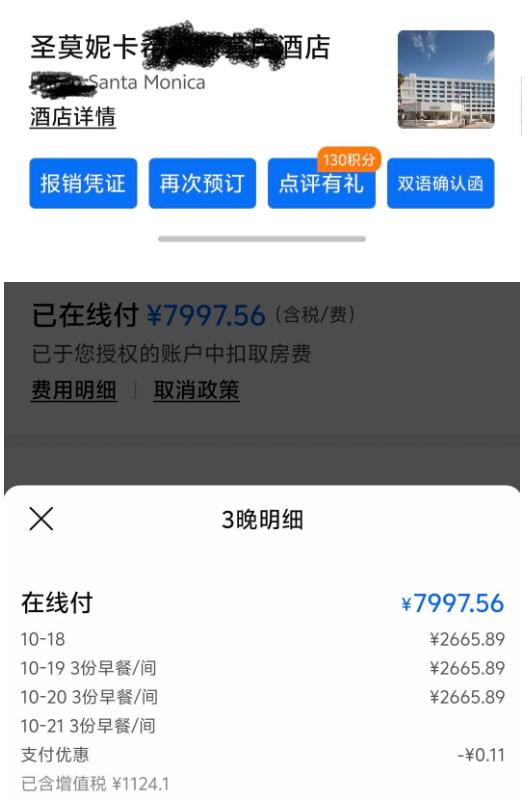
美国酒店大堂,正在划定中产斩杀线
3 6 Ke· 2026-01-04 03:10
Core Viewpoint - The article discusses the stark socioeconomic divide in Los Angeles, highlighting the precarious situation of the middle class and the rapid descent into poverty faced by some individuals, particularly immigrants, in the context of rising living costs and homelessness. Group 1: Socioeconomic Conditions - The term "line of death" is used to describe the precariousness of the American middle class, which can fall into poverty due to unexpected events or risks [1] - In Santa Monica, the number of homeless individuals increased from 774 to 812, with a 25% rise in police calls due to related issues [8] - Over half of the new homeless individuals are not suffering from drug addiction or mental illness but are simply unable to afford rent, indicating a deeper economic issue [8] Group 2: Hotel Industry Insights - The average daily rate for luxury hotels in the U.S. reached a record $394, which is $168 higher than mid-tier hotels, reflecting a growing economic divide in the hospitality sector [11] - Despite a decrease in foreign tourist arrivals and a sluggish white-collar job market, luxury hotel bookings increased by 2.5%, while demand for lower-tier hotels declined [14] - The rising hotel prices are partly attributed to increased security costs due to the presence of homeless individuals seeking refuge in hotel lobbies [10][11] Group 3: Employee Experiences - Hotel employees, like Lin, face significant safety concerns, with panic buttons now a standard feature in Los Angeles hotels due to incidents of violence [17] - Lin's experiences reflect the broader fear among hotel staff, as they navigate a work environment that has become increasingly dangerous [17] - The article suggests that the hospitality industry is adapting to a reality where maintaining a semblance of safety and comfort comes at a high cost, impacting consumer prices [10][11]
美国斩杀线的真相:活着,就是为了给资本交生存税
Sou Hu Cai Jing· 2025-12-28 14:00
Group 1 - The concept of the "kill line" in the U.S. reflects the idea that survival is contingent upon paying taxes and expenses, which are likened to a survival tax imposed by capitalists [3][6][18] - Essential expenditures such as healthcare, insurance, education, and housing account for 60% to 80% of living costs for ordinary Americans, creating a financial burden that is difficult to escape [3][4] - The financial, insurance, and real estate sectors, collectively referred to as the FIRE industries, have seen significant growth, with their value-added share of U.S. GDP rising from 10.4% in 1947 to 20.36% in 2007, and employment in these sectors increasing nearly fourfold over 60 years [7] Group 2 - The wealth distribution in the U.S. is severely imbalanced, with safety nets intended to protect ordinary citizens instead benefiting the wealthy, leading to increased financial strain on the lower classes [6][9] - The rising number of homeless individuals in the U.S. correlates with the increasing wealth of the upper class, exemplifying the K-shaped recovery where the rich get richer while the poor suffer [13] - As of Q3 2025, U.S. household debt has surpassed $15 trillion, with a delinquency rate of 4.49%, indicating an underlying debt crisis among lower-income households [14]

美国斩杀线有多狠!45万年薪精英半年破产,37%成年人逃不出400块
Sou Hu Cai Jing· 2025-12-28 12:41
Core Viewpoint - The concept of the "American Kill Line" reflects a deep-seated survival crisis in American society, where individuals and families fall into poverty due to unexpected events, revealing systemic issues within the socio-economic framework [1][3][4]. Group 1: Financial Vulnerability - 37% of Americans cannot afford an emergency expense of $400, indicating widespread financial instability [3]. - The "Kill Line" represents a threshold where financial conditions deteriorate, leading to a lack of support from social systems, pushing individuals into homelessness [4][6]. - Many individuals, including seemingly successful professionals, have experienced rapid declines in their living conditions due to unforeseen circumstances, such as illness or job loss [6][8]. Group 2: Systemic Issues - The American safety net for vulnerable populations has weakened, with reduced funding and coverage, exacerbating the struggles of those in need [10]. - Political parties exploit social issues for electoral gain rather than addressing them, resulting in a continuous decline of the "Kill Line" and increasing numbers of affected individuals [15][17]. - The disparity in wealth distribution is stark, with the top 10% holding 87.2% of stock wealth, while the bottom 50% possess only 1.1%, further squeezing the financial space for lower-income families [19][21]. Group 3: Social Dynamics - Social divisions have intensified, with a "survival of the fittest" mentality prevailing, leading to increased risks for vulnerable groups [23][25]. - The harsh realities of American life, including the high costs of housing and healthcare, create a cycle of poverty that is difficult to escape [30][34]. - The capitalist system prioritizes capital over human dignity, resulting in a society where a significant portion of the population is at risk of falling into despair [34][36].

77万流浪汉背后的美国斩杀线 从中产到桥洞有多远?
Xin Lang Cai Jing· 2025-12-25 17:24
Core Insights - The concept of "kill line" serves as a metaphor for the precarious situation of middle-class families in the U.S., highlighting how unexpected events like job loss or illness can lead to rapid financial ruin and homelessness [1][2] - The existence of approximately 770,000 homeless individuals in the U.S. underscores the reality of this phenomenon, with nearly 70% having previously held stable jobs [4][5] Group 1: Concept and Debate - The term "kill line" originates from gaming, representing a threshold that, when crossed, leads to defeat; in the social context, it refers to the systemic vulnerabilities that can plunge individuals into poverty [2][3] - The debate surrounding the "kill line" reflects differing perceptions of American society, with some viewing it as a critique of systemic failures while others attribute individual failures to personal choices [3] Group 2: Individual Cases - Numerous individual tragedies illustrate the "kill line," such as the case of a former programmer who, after losing his job, faced overwhelming medical bills and ultimately lost his home [5][6] - The story of former child star Taylor Chase exemplifies how quickly one can fall from stability to homelessness due to unforeseen circumstances like injury and subsequent financial strain [6] Group 3: Systemic Issues - The underlying issues contributing to the "kill line" include significant medical debt, with 41% of U.S. adults carrying such debt, totaling between $195 billion and $220 billion, making it a leading cause of bankruptcy [8] - Employment practices, such as at-will employment and inadequate unemployment benefits, exacerbate the situation, making it difficult for individuals to recover from job loss [9] Group 4: Government Response - The U.S. government's approach to homelessness often involves punitive measures rather than constructive solutions, leading to a cycle of worsening conditions for the homeless population [10] - Data indicates that 37% of Americans cannot afford an emergency expense of $400, highlighting the fragility of financial stability among even higher-income groups [10] Group 5: Social Reflection - The discussion around the "kill line" has sparked a broader reflection on the need for a social safety net, with many advocating for improved welfare systems to prevent individuals from falling into poverty [11][12] - The experiences of the U.S. serve as a cautionary tale about the consequences of neglecting social safety nets, emphasizing the importance of balancing efficiency with fairness in societal structures [12]
认识一下美国“斩杀线”:一场病、一次失业,就被社会彻底抛弃?
Sou Hu Cai Jing· 2025-12-25 05:18
Group 1 - The term "American Kill Line" has emerged as a focal point in social media, representing a critical survival threshold for ordinary Americans, where unexpected events can lead to financial collapse and homelessness [1][2] - A personal account highlights the rapid descent from normalcy to homelessness, illustrating that just six months can be enough to fall below the "Kill Line" due to medical expenses or job loss [2] - As of 2025, the number of homeless individuals in the U.S. has surged to 771,500, an 18% increase over two years, with many being former middle-class citizens [2] Group 2 - The existence of the "Kill Line" is rooted in systemic flaws in the U.S. that tie individual survival to market efficiency, creating a "survival of the fittest" mechanism [3] - A report indicates that 14% of American adults lack health insurance, and among low-income groups, the insurance coverage rate is below 60%, with high deductibles affecting 72% of insured individuals [3][5] - The U.S. experiences 66.5% of global medical bankruptcies, with a person declaring bankruptcy due to medical costs every 30 seconds [5] Group 3 - The government's ineffective response to the crisis reflects a failure in social governance, with wealth inequality squeezing the survival buffer for ordinary citizens [6] - The wealthiest 1% of families hold 31% of the nation's wealth, while the bottom 50% possess only 2.5% [6] - Housing affordability has plummeted, with only 16% of people able to purchase median-priced homes, exacerbated by punitive measures against the homeless [6] Group 4 - The "American Kill Line" exemplifies extreme social Darwinism under capitalistic logic, where individuals deemed "negative assets" are systematically eliminated from the social fabric [8] - Despite awareness of the issues, the government remains trapped in a cycle of ineffective responses, having spent $17 billion over four years on homelessness with minimal results [8] - The ongoing discussion around the "Kill Line" reveals deep societal wounds, indicating that a single illness or job loss can devastate lives, highlighting the need for systemic reform to address the needs of the lower class [9]
美国斩杀线真的存在吗
Xin Lang Cai Jing· 2025-12-24 15:44
Group 1 - The concept of the "American Kill Line" refers to a systemic issue that can abruptly transition ordinary individuals from stable lives to homelessness, highlighting the fragility of financial security in the U.S. [1] - A significant portion of the homeless population, nearly 70%, consists of former middle-class individuals, including professionals like programmers and veterans, who have faced unexpected hardships [2] - The tragic case of two homeless men in New York illustrates the extreme consequences of falling below this "Kill Line," emphasizing the dire situations faced by the homeless [3] Group 2 - The downfall of individuals often begins with seemingly minor issues, such as a cold, job loss, or overdue bills, which can trigger a cascade of financial difficulties [4] - An example is provided of a programmer earning $450,000 annually, whose financial obligations, including a $12,000 monthly mortgage and $3,000 car loan, left him vulnerable to bankruptcy after a job loss and medical emergency [4] - The narrative of this programmer reflects a broader trend where many formerly stable individuals find themselves in dire circumstances due to a single triggering event, leading to a rapid descent into homelessness [5]