
能源供应危机

Search documents
欧洲:伊朗战事的最大输家?
虎嗅APP· 2026-03-10 14:06
Core Viewpoint - The article discusses the severe economic consequences of the ongoing military conflict involving Iran, particularly its impact on global oil prices and Europe's energy supply chain [5][6][9]. Oil Price Fluctuations - Oil prices surged to $119 per barrel, the highest since 2022, due to concerns over global oil supply, before retreating to below $100 after G7 finance ministers indicated readiness to use emergency oil reserves [6][7]. - The conflict has led to significant disruptions in oil supply, with Gulf oil-producing countries reducing output, potentially marking one of the largest oil supply interruptions in history [6][9]. Europe's Energy Vulnerability - Europe is particularly vulnerable due to its reliance on imported refined oil products, especially diesel and aviation fuel from the Middle East, despite having a relatively low dependence on crude oil imports [10][12]. - The ongoing conflict has caused a spike in aviation fuel prices in Europe, reaching the highest levels since early 2023, due to disruptions in shipping routes through the Strait of Hormuz [10][12]. Supply Chain Disruptions - The conflict has severely impacted Europe's supply chains, with 20% of global maritime oil and 18% of global air freight being disrupted, leading to significant delays and increased costs for European industries [14][15]. - Key sectors such as pharmaceuticals and chemicals are facing acute shortages and price surges due to their reliance on Middle Eastern supply routes, which have been effectively blocked [15][16]. Central Bank Responses - The European Central Bank and other central banks may be forced to raise interest rates in response to rising energy prices, which have reignited inflation concerns in the Eurozone [17][18]. - The conflict has complicated fiscal policies for European governments, which are already constrained by high debt levels and previous pandemic-related expenditures, limiting their ability to respond effectively to rising energy costs [19][20]. Strategic Oil Reserves - The G7 finance ministers discussed the potential release of strategic oil reserves to stabilize prices, but no consensus was reached on the amount to be released [22][24]. - The strategic oil reserves of European countries are relatively low compared to the U.S., making them more vulnerable to supply disruptions [25][26].


特朗普下令为霍尔木兹海峡船只提供保险和军事护航,伊朗警告船只勿经霍尔木兹海峡!
美股IPO· 2026-03-03 23:34
Core Viewpoint - The article discusses President Trump's announcement of measures to provide insurance for maritime trade through the Gulf region and the potential military escort of oil tankers by the U.S. Navy in response to rising tensions with Iran, which has led to significant fluctuations in oil prices and concerns over energy supply security [1][3][4]. Group 1: Insurance and Military Measures - Trump instructed the U.S. International Development Finance Corporation (DFC) to provide political risk insurance for all maritime trade passing through the Gulf, particularly focusing on energy trade [3][4]. - The insurance will be available to all shipping companies, and the U.S. Navy may escort oil tankers through the Strait of Hormuz if necessary, emphasizing the U.S.'s commitment to ensuring the free flow of energy globally [4][6]. - The implementation of these measures may take time, as the U.S. military needs to address Iran's capabilities to threaten shipping routes before normal oil flow can be restored [10]. Group 2: Market Reactions and Oil Price Fluctuations - Following Trump's announcement, oil prices experienced volatility, with WTI crude oil prices rising nearly 14% and Brent crude oil prices increasing by 12% over two trading days [6]. - Despite the measures announced, market participants remain skeptical about the immediate restoration of normal oil flow through the Strait of Hormuz due to ongoing tensions with Iran [4][6]. - The rise in oil prices has created political pressure on the Trump administration, with domestic gasoline prices reaching a five-month high, prompting discussions on potential mitigation strategies [10]. Group 3: Iran's Response and Regional Tensions - Iran has warned that vessels passing through the Strait of Hormuz may face risks from missiles or uncontrolled drones, declaring the area to be in a state of war [8]. - The Iranian military has stated that it is monitoring the Strait and has already attacked vessels that ignored warnings, indicating a heightened state of conflict in the region [8]. - The ongoing military actions and threats from Iran have led to a significant disruption in oil transportation through this critical maritime route, which accounts for about one-fifth of global energy supply [6].

俄媒:能源设施遭打击,基辅“陷入黑暗”
Huan Qiu Shi Bao· 2026-01-14 22:38
Core Points - Kyiv is facing a humanitarian disaster due to extensive power outages caused by Russian attacks on energy facilities, leaving many households without heating, electricity, and water supply [1][2] - The energy situation in Kyiv has deteriorated significantly, with reports indicating that some areas have only 2-3 hours of electricity supply daily, while others have been without power, water, and heating for several days [1] - The mayor of Kyiv, Vitali Klitschko, has urged residents to leave the capital as critical infrastructure has lost power, and some supermarkets have temporarily closed due to the lack of electricity [1] Energy Sector Impact - The energy supply situation in Kyiv and the surrounding region is described as the most severe, with ongoing efforts by engineers to repair damaged facilities [2] - The recent large-scale strikes by Russian forces have exacerbated the power shortages, indicating a critical state for the energy infrastructure in the region [2]
乌军无人机连环袭俄方炼油厂,俄能源供应告急,欧洲油价或掀大浪
Sou Hu Cai Jing· 2025-11-16 14:54
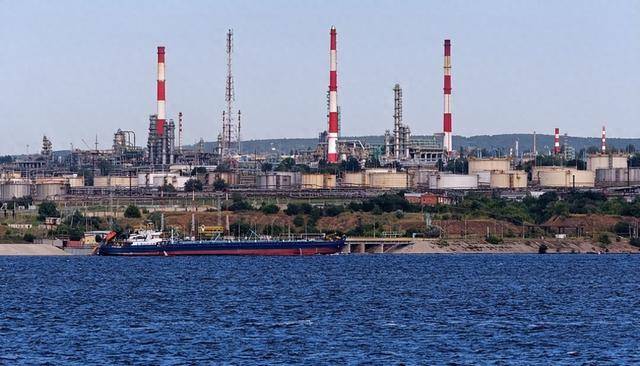
Core Viewpoint - The drone attacks on the Saratov oil refinery in Russia have disrupted oil production, leading to increased fuel prices and supply concerns for both Russia and neighboring countries [1][5][7]. Group 1: Impact on Oil Production and Supply - The Saratov refinery, capable of processing over 100,000 barrels of oil per day, has been forced to halt production due to the attacks, with repairs expected to take until the end of the month [1]. - The disruption in oil supply affects not only Russia but also neighboring countries like Belarus and Kazakhstan, which rely on this refinery for fuel [1][5]. - The immediate aftermath saw long queues at gas stations and rising fuel prices, impacting the daily costs for citizens and raising concerns for heating companies as winter approaches [5][7]. Group 2: Strategic Implications of the Attacks - Ukraine's strategy to target the refinery aims to divert Russian air defense resources away from the front lines, creating vulnerabilities in Russia's defense [3]. - The attacks represent a low-cost method for Ukraine to create significant operational challenges for Russia, potentially leading to a shift in resource allocation and defensive strategies [3][9]. - The closure of a major refinery can lead to fluctuations in global oil markets, affecting international oil prices and Russia's oil export revenues [7]. Group 3: Broader Economic and Social Consequences - The attacks have broader implications for energy security in Europe, especially as winter approaches and energy demand increases [7]. - The ongoing conflict and its economic repercussions are felt by ordinary citizens, who face rising living costs and energy supply instability [11][12]. - The situation highlights the interconnectedness of military actions and civilian life, with the war's impact extending beyond the battlefield to affect everyday life [11][12].
乌克兰能源设施遭开战来最大规模空袭,普京突然醒悟,早该这样打
Sou Hu Cai Jing· 2025-10-05 04:40
Group 1 - The core point of the articles highlights a significant escalation in the conflict between Russia and Ukraine, with Russia targeting Ukraine's energy infrastructure through a large-scale drone and missile attack [1][3] - The city of Kramatorsk has been identified as the most severely affected area, suffering extensive damage to its power plant, which has resulted in the destruction of three coupling transformers essential for external power supply [3] - The operational challenges faced by the remaining transformers indicate that the power plant will likely remain out of service for an extended period, exacerbating the energy crisis in Ukraine [3] Group 2 - The ongoing attacks have led to severe electricity shortages, with some Ukrainian cities experiencing power outages of 18 to 20 hours daily, and certain areas lacking electricity, water, or gas for weeks [3] - The potential for further retaliatory strikes by Ukraine on Russian energy facilities raises concerns about the humanitarian impact, particularly as winter approaches, which could lead to extreme living conditions for the Ukrainian population [3] - The situation is prompting many residents, especially those near the front lines, to consider relocating due to the deteriorating living conditions and lack of essential services [3]
