自闭症

Search documents
美媒:心理健康短视频是平台的“兔子洞”?
Huan Qiu Shi Bao· 2025-12-18 22:42
Group 1 - The article discusses the increasing prevalence of "mental health" content on short video platforms, which is favored by algorithms over entertainment or pet-related topics [1][2] - Analysis shows that mental health videos have a higher user engagement, making it difficult for users to escape the algorithmic loop of similar content [1][2] - Users report that the constant exposure to mental health videos can lead to a deeper entrenchment in their issues, as seen in the case of Amy Russell, who found herself unable to escape the cycle of ADHD-related content [1][3] Group 2 - Users need to skip an average of 2.2 mental health videos to negate the impact of watching one, compared to 1.3 for pet videos, indicating a stronger algorithmic influence from mental health content [2] - Approximately 16 out of every 500 videos viewed by users are related to mental health, highlighting the significant presence of this content on platforms [2] - The popularity of mental health content on social media is attributed to the shortage of mental health professionals and the stigma surrounding mental illness, leading users to seek information online [3] Group 3 - The phenomenon of non-professionals creating mental health content can complicate actual diagnoses, as users may misinterpret their experiences based on generalized online discussions [3][4] - Some users report that excessive consumption of mental health videos exacerbates their existing conditions, as noted by Kelly Stephen-Lane, who experienced increased anxiety from the content [4]
欢迎来到“自闭症优先”的未来:他们构建了网络,现在正定义现实
3 6 Ke· 2025-10-12 23:17
Group 1 - The article discusses the shift in the perception of autism, highlighting how individuals with autism traits are increasingly recognized for their unique skills and contributions in various fields, particularly in technology and finance [2][3][4] - It emphasizes that the rise of personal computers and the internet has created environments where individuals with autism traits can thrive, leading to significant advancements in their professional lives [6][9] - The article notes that the increasing prevalence of autism diagnoses may be linked to better diagnostic tools and changing societal attitudes, which could lead to a greater representation of individuals with autism in influential roles [12][13] Group 2 - The financial market dynamics of the 1970s and 1980s are explored, illustrating how the rise of high-yield bonds and the behavior of traders align with traits commonly associated with autism, such as analytical thinking and a focus on systems [7][8] - The article highlights the impact of globalization and supply chain management on professional specialization, which has benefited individuals with autism traits who excel in systematic thinking [6][7] - It discusses how the digital world, shaped by individuals with autism, offers tailored experiences that cater to their preferences, thus creating a more accommodating environment for them [10][13]
世卫组织建议孕妇仍可服用泰诺,多种假说试图揭开自闭症发病率上升之谜
Di Yi Cai Jing· 2025-09-25 09:15
Core Viewpoint - The increase in autism diagnoses in the U.S. has raised public concern, but there is currently no conclusive scientific evidence linking the use of acetaminophen (Tylenol) during pregnancy to autism [1][2] Group 1: Autism Diagnosis and Prevalence - The U.S. government reported that in 2022, the diagnosis rate of autism among 8-year-old children reached a historic high, with 1 in 31 children diagnosed [1] - The global prevalence of autism among children is estimated at 1%, up from approximately 0.6% a decade ago [2] - The average age for autism diagnosis globally is 5 years, while in the U.S., it remains close to 4 years [3] Group 2: Causes and Risk Factors - The etiology of autism is not fully understood, but it is believed that neurodevelopmental characteristics may form during fetal brain development [3][4] - Genetic factors account for approximately 80% of the risk for autism, with increasing research focusing on the interaction between genetic and environmental factors [4] - Potential risk factors for autism include low birth weight, neonatal jaundice, complications during pregnancy or delivery, and parental health conditions such as obesity and diabetes [4] Group 3: Treatment and Research - Currently, there are no effective therapies to reverse autism, and treatment remains challenging [5][6] - The FDA recently approved a therapy involving calcium folinate (folic acid) for improving autism symptoms, but research on its efficacy is still in early stages [6] - Advances in understanding the neuroanatomy of autism are limited, making treatment development more difficult compared to other neurodevelopmental disorders like depression [7]
WHO最新回应来了!特朗普称孕妇吃泰诺会引发儿童自闭症
第一财经· 2025-09-24 12:10
Core Viewpoint - The article discusses the controversy surrounding the use of Tylenol (acetaminophen) during pregnancy and its alleged link to autism, particularly in light of statements made by former President Trump, which have been widely refuted by health organizations and experts [3][4][5]. Group 1: Statements from Health Organizations - The World Health Organization (WHO) stated that there is currently no conclusive scientific evidence linking the use of acetaminophen during pregnancy to autism [4][6]. - The European Medicines Agency also indicated that existing evidence does not support a connection between the use of acetaminophen during pregnancy and autism, recommending the lowest effective dose if needed [7]. - The UK Medicines and Healthcare products Regulatory Agency (MHRA) warned that following Trump's advice could harm unborn babies, emphasizing that there is no evidence linking acetaminophen use during pregnancy to autism [7][8]. Group 2: Research Findings - A significant study led by epidemiologist Viktor Ahlqvist analyzed data from nearly 2.5 million children born in Sweden from 1995 to 2019, finding a very small difference in autism rates between children exposed to acetaminophen (1.42%) and those not exposed (1.33%) [9][10]. - The study also compared siblings, which showed no association between acetaminophen use and autism, suggesting that previous findings may be explained by confounding factors rather than the drug itself [10]. - A separate high-quality study from Japan involving over 200,000 children also concluded that there is no link between acetaminophen use during pregnancy and autism [10].


WHO最新回应来了!特朗普称孕妇吃泰诺会引发儿童自闭症
Di Yi Cai Jing· 2025-09-24 09:58
Core Viewpoint - The World Health Organization (WHO) emphasizes that there is currently no conclusive scientific evidence linking the use of acetaminophen (also known as paracetamol) during pregnancy to autism spectrum disorders [1][4]. Group 1: WHO and Regulatory Responses - WHO states that approximately 62 million people globally suffer from autism spectrum disorders, with a prevalence of 1 in 127 individuals, and the exact causes of autism remain undetermined despite increased awareness and diagnosis [1]. - The European Medicines Agency (EMA) also asserts that existing evidence does not support a link between the use of acetaminophen during pregnancy and autism, recommending the lowest effective dose if needed [4]. - The UK Health Minister publicly criticized President Trump's comments regarding acetaminophen, urging patients to trust medical science and their doctors instead [4]. Group 2: Research Findings - A large-scale study led by epidemiologist Viktor Ahlqvist from Karolinska Institute analyzed data from nearly 2.5 million children born in Sweden between 1995 and 2019, finding no significant link between acetaminophen use during pregnancy and autism [6][7]. - The study indicated that 1.42% of children exposed to acetaminophen during pregnancy were diagnosed with autism, compared to 1.33% of those not exposed, highlighting a very small difference [7]. - Another high-quality study from Japan involving over 200,000 children also concluded that there is no association between acetaminophen use during pregnancy and autism [7].

特朗普称孕期服用泰诺会增加胎儿患自闭症风险!各方这样看→
第一财经· 2025-09-24 08:59
Core Viewpoint - The article discusses the recent statement by U.S. President Trump regarding the potential risk of acetaminophen (Tylenol) use during pregnancy and its association with autism, highlighting differing opinions from various health authorities and experts [3][5][7]. Group 1: Company Response - The manufacturer of Tylenol, Co., maintains that existing scientific evidence does not support the claim that acetaminophen use leads to autism, a view echoed by credible public health professionals [5]. - Co. emphasizes that the FDA has reviewed this issue for over a decade and continues to recommend acetaminophen use during pregnancy without changing the drug's labeling [6]. Group 2: Health Authority Perspectives - The World Health Organization (WHO) stated that while some observational studies suggest a potential link between prenatal exposure to acetaminophen and autism, the evidence is inconsistent, and multiple studies have not found such a connection [6]. - The European Medicines Agency has not found any evidence linking Tylenol use during pregnancy to autism, asserting that current recommendations regarding its use remain unchanged [7]. Group 3: Expert Opinions - Medical experts acknowledge that autism is a complex neurodevelopmental disorder with rising global prevalence, currently estimated at around 1%, with significant increases in reported cases over the past two decades [7][8]. - Experts advise that while acetaminophen may carry risks, it remains a primary choice for pain relief during pregnancy, and pregnant women should consult healthcare professionals before using any over-the-counter medications [8].

特朗普称孕期服用泰诺会增加胎儿患自闭症风险!各方这样看
Di Yi Cai Jing· 2025-09-24 08:37
Core Viewpoint - The recent statement by President Trump regarding the potential risk of acetaminophen (Tylenol) use during pregnancy and its association with autism has sparked significant discussion and concern in the medical community and among pharmaceutical companies [1][3]. Group 1: Company Responses - The manufacturer of Tylenol, after reviewing existing scientific evidence, maintains that acetaminophen does not cause autism, a view supported by credible public health and medical professionals [3]. - The company emphasizes the importance of consulting healthcare professionals before taking any over-the-counter medications during pregnancy [3][5]. Group 2: Regulatory and Scientific Perspectives - The FDA has been monitoring the topic for over a decade and has conducted multiple reviews since 2014, maintaining its recommendation for acetaminophen use during pregnancy without changing the drug's labeling information [3]. - The World Health Organization (WHO) stated that while some observational studies suggest a potential link between prenatal exposure to acetaminophen and autism, the existing evidence is inconsistent, with several studies finding no such association [4]. - The European Medicines Agency has not found any evidence linking Tylenol use during pregnancy to autism, and there is currently no need to modify existing recommendations in the EU [4]. Group 3: Medical Community Insights - Experts highlight that autism is a complex neurodevelopmental disorder with rising global prevalence, currently estimated at about 1%, with significant increases observed in the U.S. from 1 in 150 in 2000 to 1 in 44 in 2020 [4][5]. - Medical professionals advise that while acetaminophen remains a primary choice for fever and pain relief during pregnancy, it is crucial to weigh the risks and benefits and to avoid unnecessary use [5].
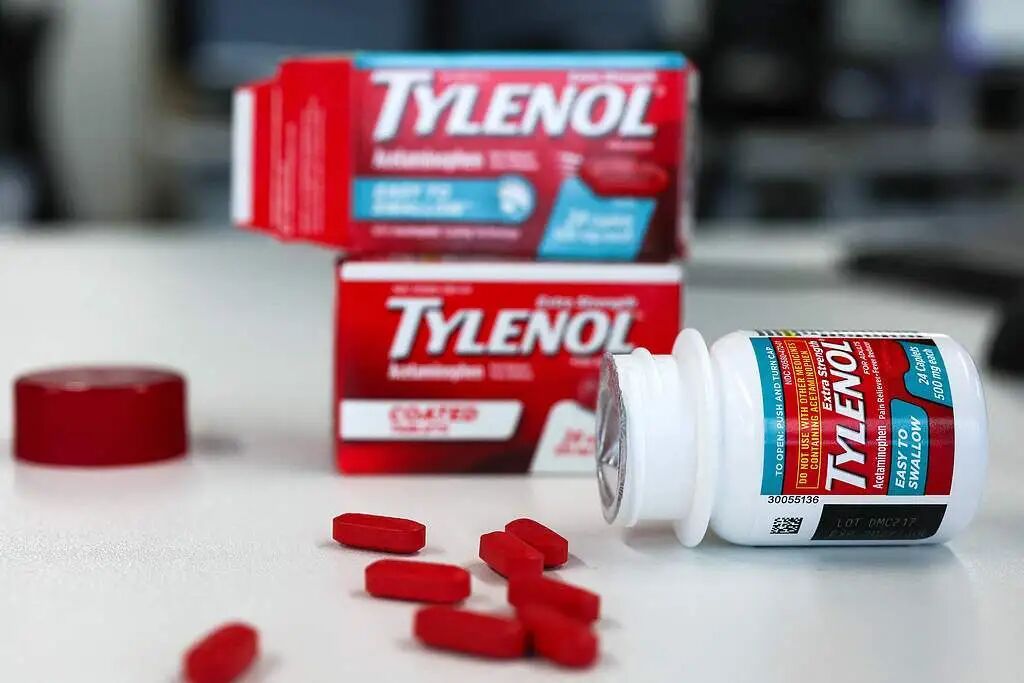
特朗普警告:孕妇慎用!知名医药大厂股价暴跌;这种药家中常备,还能吃吗?专家解读
Mei Ri Jing Ji Xin Wen· 2025-09-23 15:49
Core Viewpoint - The safety controversy surrounding Tylenol (acetaminophen) has resurfaced, particularly regarding its use by pregnant women and its potential link to autism, following a statement from the U.S. government [2][4]. Group 1: Company Impact - Kenvue, the manufacturer of Tylenol, saw its stock price drop by 7.47% to a historic low following the government's warning [2][4]. - Kenvue maintains confidence in the safety of acetaminophen, asserting that existing scientific evidence does not support a link to autism [2][9]. - The company emphasizes that the FDA has reviewed the safety of acetaminophen during pregnancy multiple times over the past decade and continues to recommend its use [9][10]. Group 2: Scientific Debate - The warning from the Trump administration is based on a review study published in BMC Environmental Health, which suggests prenatal exposure to acetaminophen may interfere with fetal brain development [10][12]. - Contrarily, other studies, including a large-scale analysis from Sweden, found no causal relationship between acetaminophen use during pregnancy and autism or ADHD [13][14]. - Experts argue that the rise in autism diagnoses is partly due to increased awareness and broader definitions of the condition, rather than a direct link to acetaminophen [12][14]. Group 3: Medical Community Response - The American College of Obstetricians and Gynecologists (ACOG) refutes the claim that acetaminophen causes autism, stating that it is the only over-the-counter medication approved for treating fever during pregnancy [14][15]. - Medical professionals warn that untreated fever during pregnancy poses greater risks than the potential effects of acetaminophen [15][16]. - The FDA director has also clarified that there is no definitive causal relationship between acetaminophen and autism, reinforcing its status as the safest over-the-counter option during pregnancy [16].
突然,大跌!特朗普,重大警告!
券商中国· 2025-09-23 12:54
Core Viewpoint - The article discusses the impact of President Trump's warning to pregnant women about the use of Tylenol (acetaminophen), linking it to autism, which led to a significant drop in Kenvue's stock price. However, medical professionals and Kenvue refute this claim, stating there is no scientific evidence supporting such a connection [2][3][7]. Group 1: Stock Market Reaction - Kenvue's stock price fell over 7% to a historical low of $32.57, resulting in a market capitalization of $32.567 billion (approximately 231.6 billion RMB) following Trump's warning [3]. - Following the backlash and lack of scientific support for Trump's claims, Kenvue's stock rebounded by over 5% in pre-market trading [2][3]. Group 2: Medical Community Response - Numerous doctors and Kenvue have stated that there is no scientific evidence linking acetaminophen to autism, emphasizing that such claims could endanger the health of pregnant women [2][7]. - The FDA has indicated that there is no clear evidence that appropriate use of acetaminophen during pregnancy leads to adverse outcomes [5]. Group 3: Research and Studies - A large-scale study published in 2024 analyzing data from nearly 2.5 million siblings in Sweden found no increased risk of autism in children whose mothers used acetaminophen during pregnancy [4]. - The article notes that the diagnosis rate of autism has significantly increased in the U.S., with 1 in 31 children diagnosed, compared to 1 in 150 in 2000, although the reasons for this rise remain unclear [6]. Group 4: Government and Pharmaceutical Company Actions - U.S. health officials are expected to issue warnings against the use of Tylenol during early pregnancy unless necessary, while also promoting a drug called Leucovorin as a potential treatment for autism [8]. - Kenvue has added a section on its website to address media reports, reiterating that there is no evidence linking acetaminophen to autism [7].

广东自闭症新生重新入学,专家:50%自闭症儿童可进入主流教育
第一财经· 2025-09-16 11:56
Core Viewpoint - The article discusses the challenges faced by children with autism in the education system in China, highlighting the need for better integration and support for these children in mainstream schools [3][4][10]. Group 1: Current Situation of Autism in Education - The prevalence of autism in China is estimated to be between 1% to 2%, affecting millions of children and their families [4][12]. - Many children with autism are either rejected from schools or face expulsion after enrollment, indicating systemic issues in accommodating their needs [3][4]. - Recent efforts in Guangzhou include establishing an "assessment-placement" support system for special needs children, aiming to improve their educational opportunities [4][12]. Group 2: Assessment and Support Mechanisms - A recent assessment of two autistic students led to their re-enrollment in a vocational school, demonstrating the potential for successful integration with appropriate support [7][8]. - The assessment process involved evaluating the children's social skills, emotional stability, and ability to live independently, which showed that they could thrive in a mainstream educational environment with the right support [8][9]. - There is a call for schools to adapt their educational standards to better accommodate the unique strengths and challenges of autistic students [9][10]. Group 3: Recommendations for Integration - The article emphasizes that integration should be a two-way process, requiring both autistic children and the educational system to adapt [10][12]. - Schools should provide necessary support, including training for teachers and creating a conducive learning environment for autistic students [12][13]. - A comprehensive, individualized intervention model is recommended, focusing on the unique needs of each child rather than a one-size-fits-all approach [15][16]. Group 4: Challenges and Future Directions - There is a disparity between the increasing number of autism specialists and the actual availability of effective, affordable interventions for families [16][17]. - The article highlights the need for a more robust support system for autistic individuals as they transition into adulthood, addressing gaps in medical and social services [16][17]. - The rising incidence of autism, coupled with a declining birth rate, poses challenges for special education resources, necessitating urgent attention to this issue [17].