节气文化

Search documents
“永远不要失去发芽的心情”
Xin Lang Cai Jing· 2026-02-08 17:26
Core Viewpoint - The "Jiu Hua Li Chun Festival" in Quzhou, a cultural heritage event celebrating the arrival of spring, has successfully integrated traditional practices into modern cultural and economic development over the past decade, showcasing the importance of cultural preservation and innovation in driving local growth [1][2]. Group 1: Cultural Heritage and Preservation - The "Jiu Hua Li Chun Festival" has undergone three significant transformations in the past ten years, evolving from basic preservation to systematic inheritance, including the creation of a comprehensive cultural preservation plan and the collection of over 850,000 words of literature and more than 1,200 historical images [1]. - The festival's rituals have been adapted to enhance public engagement, moving from the temple to an open square, allowing for more interactive experiences such as raising spring flags and hanging blessings [1]. Group 2: Economic Development and Tourism - Quzhou is systematically integrating seasonal cultural practices into its development framework, with the establishment of a cultural tourism plan that includes six heritage-themed travel routes and the development of mid-to-high-end accommodations named after the "Twenty-Four Solar Terms" [2]. - The local government, in collaboration with creative cultural institutions, has developed a series of products inspired by the spring festival, contributing to a collective annual income exceeding one million yuan for the village involved [2]. - The "Ju Xiaomang" IP and "Ke Cheng Chun Li" brand products, inspired by the spring culture, are projected to achieve sales exceeding five million yuan by 2025, indicating a strong market potential for cultural products [2].
立春日,春在何处立?
Ren Min Ri Bao Hai Wai Ban· 2026-02-04 03:29
Group 1 - The core idea of the article is that the beginning of spring, marked by the solar term "Lichun," is culturally significant in China, despite most of the country still experiencing winter temperatures at this time [1][2]. - The scientific definition of "Lichun" occurs when the sun reaches the celestial longitude of 315 degrees, typically between February 3 and 5 each year, indicating a fixed time frame for this seasonal marker [2]. - The cultural interpretations of "Lichun" vary across different regions and eras, reflecting local agricultural practices and weather patterns, such as the saying "Lichun one year starts, plan farming early" which advises farmers to prepare for agricultural activities before the warming [2]. Group 2 - The spirit of "Lichun" embodies people's longing for the warmth of spring and the anticipation of a fruitful year, showcasing the deep-rooted cultural significance of seasonal changes in daily life [2]. - The diverse climatic conditions across China lead to different experiences of spring, yet the shared joy of welcoming spring remains a common sentiment among people, highlighting the respect for nature and sustainable development inherent in Chinese culture [2].
马年启新程,财智伴四季丨21财经VIP新春文创礼赠
21世纪经济报道· 2026-01-30 11:24
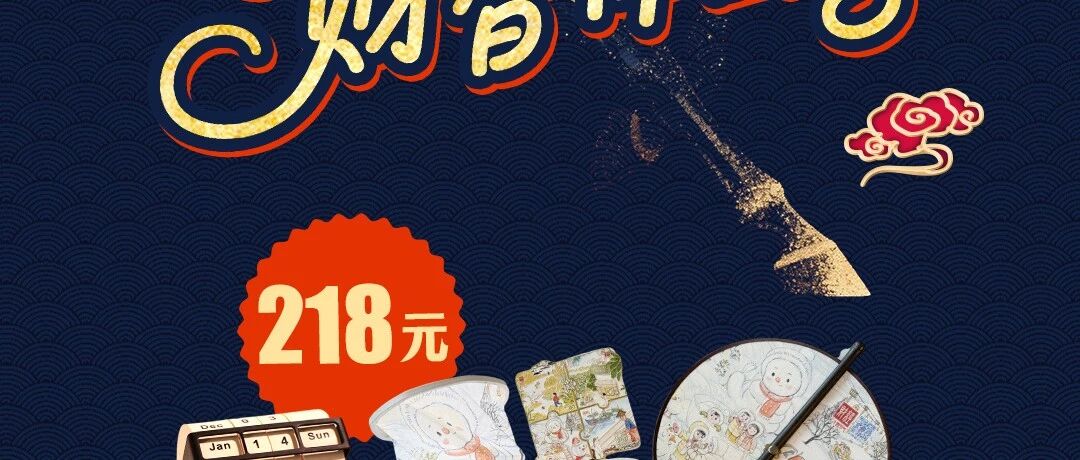
Core Viewpoint - The article promotes the launch of five new cultural and creative products by 21st Century Economic Report in collaboration with 21 Finance VIP, integrating traditional seasonal aesthetics with financial wisdom for the upcoming Year of the Horse [1][31]. Group 1: Product Offerings - The five new products include a rotating folding lamp, an elegant waist fan, a vividly illustrated refrigerator magnet, a time-marked notebook, and a perpetual calendar, each designed to blend cultural significance with practical use [1][3][23]. - The rotating folding lamp features seasonal themes representing spring, summer, autumn, and winter, designed to illuminate both the physical space and the financial insights [3][6]. - The waist fan symbolizes the dialogue between seasonal changes and financial concepts, with designs reflecting key economic periods such as "industry recovery" in spring and "strategic reserves" in winter [8][10]. - The steel-pressed notebook combines traditional seasonal wisdom with financial insights, providing a platform for capturing market dynamics and planning financial strategies [11][12]. - The four-season puzzle refrigerator magnet serves as both a decorative item and a tool for understanding economic cycles, with each piece representing different seasonal economic activities [14][15]. - The wooden perpetual calendar is designed for practical use while also serving as a decorative piece that reflects financial wisdom and the passage of time [19][22]. Group 2: Promotional Offer - The 21 Finance VIP annual card is offered at a promotional price of 218 yuan, down from the original price of 488 yuan, and includes a free cultural product of choice from the new collection [2][23][31]. - The promotion emphasizes limited availability of the cultural products, encouraging early participation to secure a gift [3][29].

小寒不“小”
Bei Jing Wan Bao· 2026-01-05 06:49
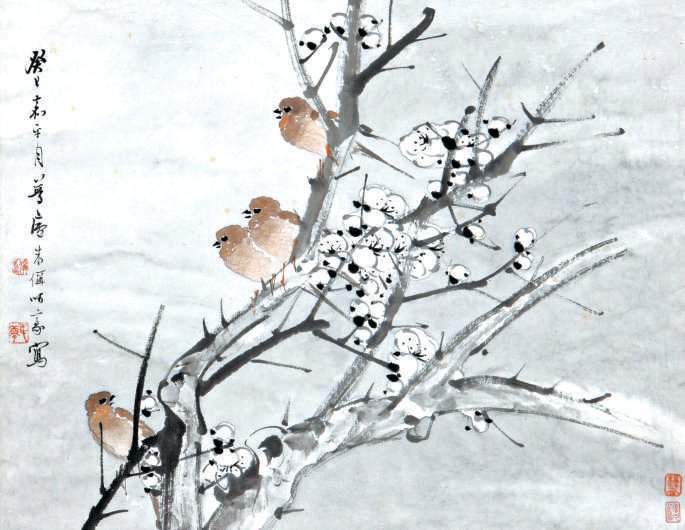
Group 1 - The core idea of the article emphasizes the paradox of the "Minor Cold" (小寒) being perceived as colder than the "Major Cold" (大寒), supported by historical and meteorological data showing that the average temperature during Minor Cold is lower than that of Major Cold [2][3] - The article discusses the cultural significance of the Minor Cold, highlighting how geographical differences affect the perception of seasonal changes, as the term originated from the Yellow River basin and may not apply universally across the country [3] - The spirit of resilience and beauty during the Minor Cold is illustrated through the blooming of plum blossoms, symbolizing strength and hope amidst harsh winter conditions, as expressed in historical poetry [4] Group 2 - The anticipation of spring during the Minor Cold is portrayed as a source of joy, with references to the arrival of magpies beginning to build nests, signifying the approach of warmer seasons [5] - The article reflects on the emotional impact of the Minor Cold on travelers, where the longing for home and the arrival of spring can evoke feelings of sadness, contrasting with the joy felt by those at home [6] - The cultural and literary significance of the Minor Cold is underscored, as it encapsulates deeper meanings beyond its literal interpretation, resonating with themes of duty, hardship, and the cyclical nature of seasons [6]
小雪节气的打开方式:为啥此时要腌菜?
Zhong Guo Xin Wen Wang· 2025-11-22 13:45
Core Points - The "Small Snow" solar term marks the arrival of winter and is characterized by cold weather and traditional customs such as pickling vegetables to prepare for the cold [1][5][6] - The term reflects the wisdom of adapting to seasonal changes, with various customs like making pickled vegetables and sausages being prominent during this time [2][10] Group 1: Seasonal Significance - "Small Snow" is the second solar term of winter, indicating a transition in weather patterns, where temperatures drop and precipitation may occur [3][5] - The term is divided into three phases, highlighting the changes in weather and agricultural activities, with a focus on managing winter crops [6] Group 2: Traditional Customs - The cold and dry winter season is ideal for pickling vegetables and processing meats, with popular items including snow vegetables and preserved meats [7][8] - The consumption of glutinous rice cakes during this period is also noted, as they provide high energy and are a traditional food [10] Group 3: Cultural Reflection - The customs associated with the "Small Snow" solar term reflect the enduring nature of traditional culture, showcasing the diligence and wisdom of the Chinese people [12] - The winter season is viewed as a time for conservation and preparation for the upcoming spring, emphasizing the importance of storing food and nurturing health [12]

暖意相逢 东航主题航班万米高空传递节日温情
Zhong Guo Min Hang Wang· 2025-11-07 05:52
Core Viewpoint - The article highlights Eastern Airlines' initiative to integrate seasonal cultural elements into their flight services, enhancing passenger experience during the winter season [1][7]. Group 1: Event Overview - On November 7, Eastern Airlines Northwest Branch launched themed flights MU2183 from Xi'an to Shenyang and MU2423 from Xi'an to Xuanzhou, celebrating the arrival of winter with the theme "Winter Begins, Warm Encounters" [1]. - The airline prepared themed gifts, including "candied hawthorn" figurines, and offered warm beverages to create a cozy atmosphere for passengers [3]. Group 2: Cultural Engagement - During the flights, crew members shared the origins, climate characteristics, and traditional customs associated with the winter solstice, enriching passengers' understanding of seasonal culture [4]. - The interactive environment on board fostered a warm and joyful atmosphere, allowing passengers to appreciate the unique charm of Chinese traditional culture [4]. Group 3: Brand Experience - This themed flight activity not only enhanced the travel experience but also conveyed brand care through emotional and warm service, making each flight a memorable experience for passengers [7].


“露从今夜白” 种草古人的“节气台灯”了
Yang Shi Xin Wen· 2025-09-07 07:30
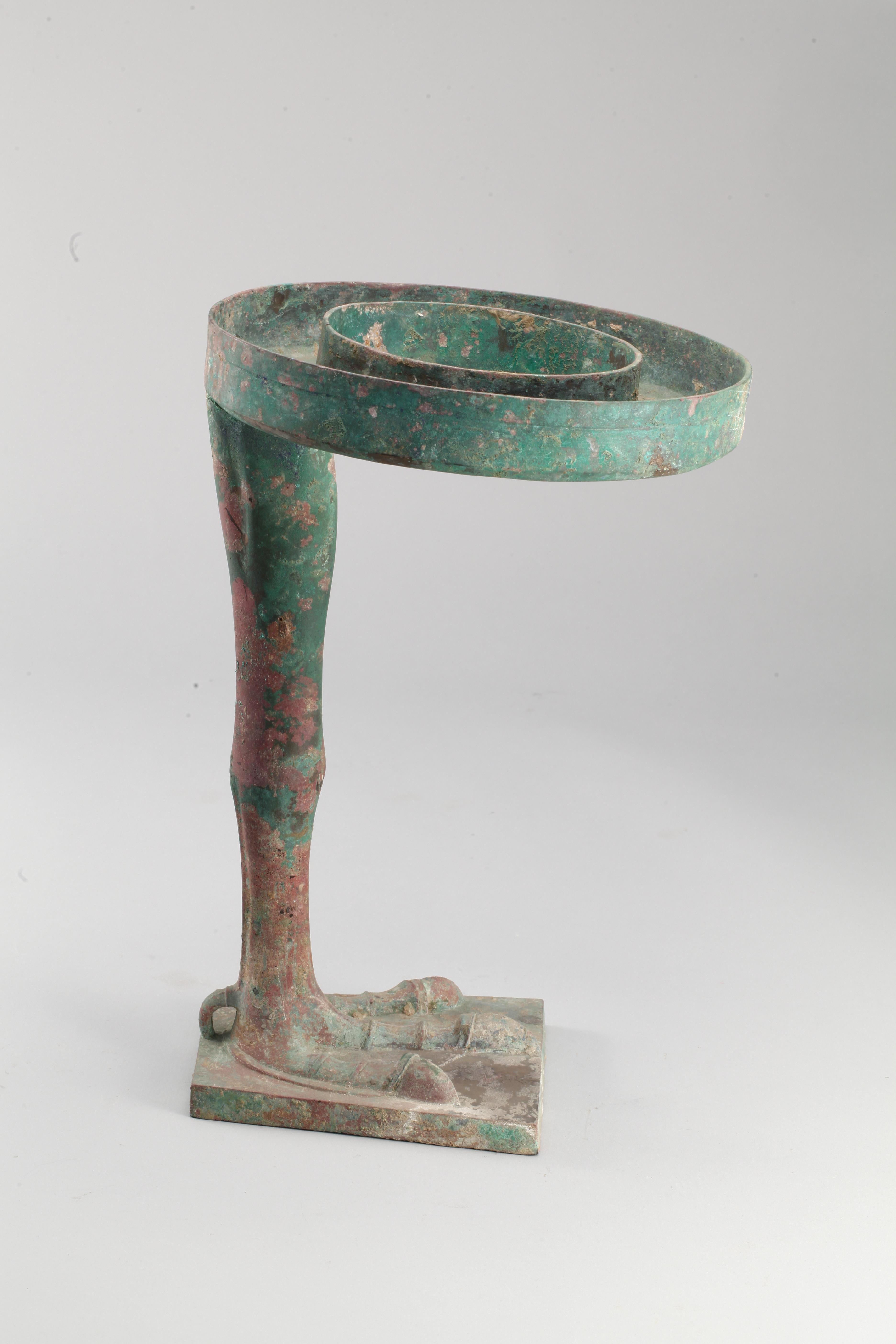
Core Viewpoint - The article highlights the cultural significance and historical context of the "geese foot lamp," an ancient Chinese artifact that symbolizes loyalty and artistic craftsmanship, particularly during the autumn season [8][18][21]. Group 1: Historical Context - The "geese foot lamp" dates back to the Warring States period and was popular during the Han and Jin dynasties, showcasing the ingenuity of ancient Chinese design [8][11]. - The lamp's design features a circular base with three conical pillars, allowing for the simultaneous lighting of three wicks, likened to a "three-light heater" of its time [11][16]. Group 2: Cultural Significance - The geese are portrayed as symbols of fidelity, as they mate for life and are often associated with messages of longing and connection in Chinese poetry [18][24]. - The article references historical texts that illustrate the geese's role as messengers, further embedding them in the cultural narrative of loyalty and communication [18][21]. Group 3: Artistic and Practical Design - The lamp's structure, with its geese-shaped legs and ergonomic design, serves both aesthetic and functional purposes, enhancing the reading and writing experience [16][18]. - The intricate details of the lamp, such as the realistic depiction of the geese's toes and the overall craftsmanship, reflect the high level of artistry in ancient Chinese metalwork [16][24].
节令之美丨白露:北疆沃野秋意浓
Xin Hua Wang· 2025-09-07 01:29
Group 1 - The "White Dew" solar term marks the transition from late summer to early autumn, indicating a significant change in temperature and the onset of harvest season in Heilongjiang [1][2][3] - The temperature difference between day and night can reach around 15 degrees Celsius, which accelerates the starch deposition in rice, contributing to the unique flavor of Northeast rice [2][4] - The harvest of early-maturing rice varieties has begun, with one farmer reporting a yield of 75 tons sold at 1.5 yuan per jin, showcasing the economic benefits of timely harvesting [6][8] Group 2 - The fresh corn harvesting season is also underway in Qiqihar, with modern machinery facilitating the quick collection of corn, indicating advancements in agricultural practices [6][10] - The expected production of fresh corn in Kedong County is projected to exceed 15 billion yuan by 2025, reflecting the growing agricultural output and economic potential of the region [9] - The local economy is being stimulated by new agricultural industries, with over 3,000 migrant workers participating in the corn harvest, highlighting the labor demand in this sector [9]
从“蜩始鸣”到“寒蝉鸣” 文物中感受节气之美
Yang Shi Wang· 2025-08-11 00:40
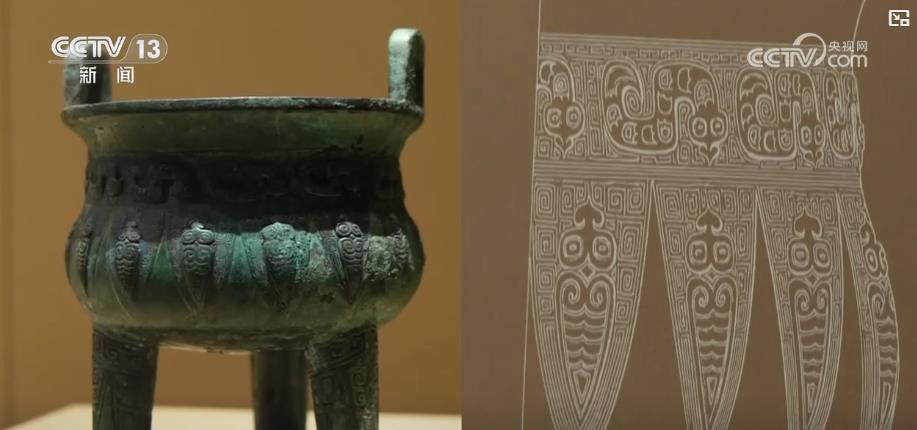
Group 1 - The article discusses the cultural significance of cicadas in ancient Chinese society, particularly during the transition of seasons like the beginning of autumn [2][3] - It highlights various artifacts from the Shanxi Museum that feature cicada motifs, showcasing their historical and artistic value [2] - The transformation of cicadas from larvae to adults is viewed as a symbol of rebirth and continuity of life in traditional Chinese culture [3] Group 2 - The article references classical literature that celebrates the cicada, indicating its deep-rooted presence in Chinese poetry and philosophy [2] - It emphasizes the aesthetic appreciation of seasonal changes, as reflected in the artistic representations of cicadas in ancient artifacts [2][3] - The unique life cycle of cicadas is presented as a metaphor for life’s transformations, resonating with the wisdom of traditional Chinese thought [3]
文化中国行丨从“蜩始鸣”到“寒蝉鸣” 文物中感受节气之美
Yang Shi Wang· 2025-08-07 08:36
Group 1 - The article discusses the cultural significance of cicadas in ancient Chinese society, particularly during the season of Liqiu (the beginning of autumn) [1][3] - Cicadas have been observed since the Shang and Zhou dynasties, symbolizing various cultural values and appearing in numerous literary works [3][8] - The transformation of cicadas from larvae to adults is viewed as a miraculous rebirth, representing the continuity and cycle of life in traditional Chinese culture [8] Group 2 - The article highlights specific artifacts from the Shanxi Museum, including bronze vessels adorned with cicada motifs, showcasing the artistic representation of cicadas in ancient artifacts [5][6] - The simplicity and elegance of the craftsmanship in the jade cicadas found in the tomb of Jin Xianhou's wife reflect the cultural appreciation for cicadas [6][8] - The cicada's life cycle and its unique characteristics have made it a subject of admiration among scholars and poets throughout Chinese history [3][8]