芯片热管理

Search documents
深度解读:热界面材料,芯片散热的“第一毫米”
DT新材料· 2026-03-23 16:05
Core Viewpoint - The article emphasizes the critical role of Thermal Interface Materials (TIM) in managing heat dissipation in AI chips, particularly as power densities increase significantly in the era of AI computing [2][3]. Group 1: AI Era Challenges in Chip Thermal Management - The rapid growth of AI model parameters has led to an exponential increase in chip power density, presenting a fundamental engineering challenge for the semiconductor industry [3]. - The total power of GPU packages is projected to rise dramatically, with NVIDIA's B200 GPU exceeding 1000W and future models potentially reaching 15,360W by 2032 [4]. Group 2: Consequences of Ineffective Thermal Management - Poor thermal management can cause irreversible damage to chip systems, including thermal throttling and accelerated wear of metal interconnects, significantly reducing chip lifespan [5]. - A 10°C increase in junction temperature can decrease MOSFET carrier mobility by 2-5%, leading to a substantial drop in device performance [5]. Group 3: Advanced Packaging Technologies and New Challenges - Modern AI chips utilize advanced packaging techniques, integrating multiple chiplets, which complicates thermal management due to increased thermal resistance [6]. - The CoWoS packaging by NVIDIA exemplifies this trend, with unprecedented dimensions and thermal management requirements [6]. Group 4: Strategic Importance of TIM - TIM contributes approximately 30-50% of the total thermal resistance in the heat path from chip to cooling liquid, making its optimization crucial for enhancing system performance [11]. - The effectiveness of cooling systems is limited if heat cannot be efficiently transferred from the chip surface to the cooling plate, highlighting the importance of TIM [8]. Group 5: TIM Layer System - TIM is categorized into three layers: TIM1 (between die and IHS), TIM1.5 (for lidless packages), and TIM2 (between IHS and heatsink), each with specific performance requirements [12][18]. - TIM1 is critical for heat flow density and is primarily composed of high-fill thermal grease and nano-silver sintering materials [16]. Group 6: Market Trends in TIM Materials - The market for TIM materials includes various technologies such as thermal grease, phase change materials, and thermal pads, each with distinct advantages and limitations [22][23][24]. - Liquid metal is emerging as a high-end TIM option due to its superior thermal conductivity, although it faces challenges in material compatibility and long-term reliability [26]. Group 7: Supply Chain of TIM Materials - Key suppliers in the TIM market include Dow, Henkel, DuPont, and Indium Corporation, each offering a range of thermal interface materials tailored for high-performance applications [27][28][29][30]. - The competitive landscape for thermal management materials is evolving, with a focus on innovations in TIM technologies that can meet the demands of next-generation AI infrastructure [56].

又一化工巨头,入局AI数据中心新材料
DT新材料· 2026-02-06 16:07
Core Viewpoint - The competition for computing power in AI large models has intensified, with chip cooling becoming a hidden bottleneck for industry development. New materials and cooling solutions are essential for addressing the increasing power density of high-performance chips [2][4]. Group 1: Company Developments - Xin'an Co., a leader in organic silicon, has partnered with Canxiang Technology to launch an immersion liquid cooling solution, applying self-developed high-performance silicon-based cooling liquid to commercial immersion cooling platforms [2]. - The newly introduced ICL series immersion silicon-based liquid cooling products demonstrate Xin'an's long-term technological foundation, featuring excellent insulation, low viscosity for rapid heat dissipation, and environmental friendliness [5]. - Xin'an's shift from a raw material supplier to a comprehensive solution provider marks a significant transformation in the context of increasing competition in the traditional organic silicon market [7]. Group 2: Market Insights - The liquid cooling market in China is projected to reach 29.3 billion yuan by 2025, with the edge computing market expected to exceed 100 billion yuan [7]. - The phenomenon of high power density in chips is becoming more pronounced across various applications, including electric vehicles, data centers, humanoid robots, and power semiconductors, necessitating advanced cooling solutions [7]. Group 3: Technical Innovations - The immersion cooling solution allows high-performance AI servers to be fully submerged in a special silicon-based cooling liquid, breaking the physical limits of traditional air cooling technology [4]. - The current heat power density on AI processors has reached 1 kW/cm², significantly exceeding the temperatures found in rocket nozzles, highlighting the urgent need for innovative thermal management solutions [5]. - Future chip thermal management will focus on shortening thermal paths and reducing interface thermal resistance, potentially through the introduction of high thermal conductivity materials [8][9].


恒盛能源(605580.SH):金刚石功能性材料产品端的良品率可达90%以上
Ge Long Hui· 2025-12-25 08:52
Core Viewpoint - Hengsheng Energy (605580.SH) is focusing on the research and development of diamond-related products, with significant advancements in production capacity and product quality [1] Group 1: Company Developments - The company's subsidiary, Zhejiang Huamao Technology Co., Ltd., has launched new production lines for the MPCVD diamond phase II project, which are now in operation [1] - The yield rate for cultivated diamond products has reached over 80%, while the yield rate for functional diamond materials has achieved over 90% [1] Group 2: Market Applications - The company is actively exploring customer applications in chip thermal management, with sample testing currently underway [1] - The product is still in the testing and validation phase, and there are significant uncertainties regarding the test results and future developments [1]

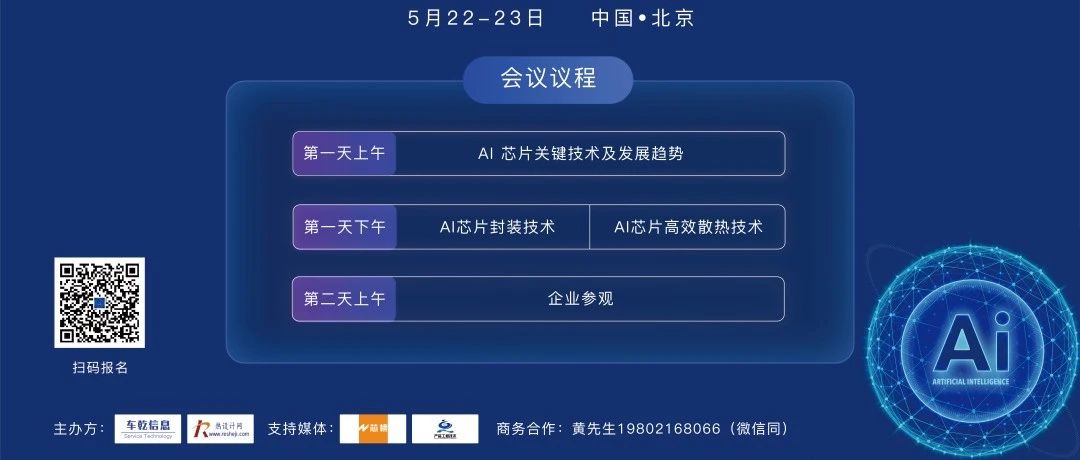
【北京-芯片热管理】清华/北大/北航/中兴/中兴微电子/芯动/壁仞/Ansys/地平线/微电子所/增芯/超威/华天/立德/长电等
傅里叶的猫· 2025-04-29 14:48
Core Insights - The "2025 Second High-Performance Chip Developers Forum and Chip Thermal Management Technology Exchange Conference" will be held on May 22-23 in Beijing, focusing on domestic AI chip progress, safety, packaging technology, thermal design, and cooling techniques [1][4]. Event Overview - The forum will feature over 20 presentations and is expected to attract more than 300 industry experts [1]. - Key topics include AI chip critical technologies, packaging techniques, and efficient cooling technologies [5]. Confirmed Speakers and Topics - Tsinghua University: Cross-Scale Thermal Management of Electronic Systems [7] - ZTE Corporation: Discussion on High-Power Chip Cooling [7] - Chipmore Technology: Challenges in 3DIC Cooling and Micro-Nano Scale Heat Transfer Assessment [7] - Shanghai Birun Technology: Instant Overcurrent Protection and Dynamic Power Control for GPU Chip Stability [7] - Ansys: Topic to be confirmed [7] - Beijing Horizon Information Technology: Thermal Design and Challenges of Intelligent Driving Domain Controllers [7] - China Academy of Microelectronics: High Heat Flux Cooling Technology for High-Performance Chips [7] - Other notable companies include NVIDIA, Huada Semiconductor, and Unisoc, with topics pending confirmation [7]. Participation Details - Registration fee for attendees is 2500 RMB per person, which includes learning materials and access to a dedicated community [9]. - Options for exhibition and speaking opportunities are available, including a 30-minute presentation slot [9].