GPU芯片

Search documents
如何穿越市场波动?徐志敏王康宁李岳最新交流,直面当前市场最热议五大话题……
聪明投资者· 2026-03-30 03:33
Group 1 - The core theme of re-industrialization is a long-term trend, with AI accelerating this process [22] - The domestic internet giants are viewed positively in terms of AI applications, as they have accumulated vast amounts of data and customer bases [35] - The investment strategy should focus on avoiding FOMO (Fear of Missing Out) and instead look for solid companies that can withstand market volatility [40][82] Group 2 - The real estate market is expected to stabilize or see a reduced decline, which will likely lead to a recovery in consumer spending [90] - The consumption sector is undergoing a transformation, with new consumer demands emerging, such as spiritual and self-care consumption [97] - Companies with strong business models in the consumer sector are becoming increasingly attractive, especially as valuations have returned to reasonable levels [84][90] Group 3 - The concept of "HALO assets" is discussed, indicating that not all assets will benefit from the AI revolution, and a focus on intangible assets like R&D and brand value is essential [49][120] - The investment landscape is shifting, with a focus on upstream sectors benefiting from re-industrialization and technological infrastructure investments [20][44] - The impact of geopolitical tensions, such as the US-Iran conflict, is creating uncertainty, but companies with strong fundamentals are expected to navigate these challenges effectively [60][75] Group 4 - The trend of Chinese companies going global is seen as a natural progression, with a focus on manufacturing capabilities and brand strength [100][106] - The investment strategy should prioritize companies that have a competitive edge in international markets, particularly in manufacturing and technology [107][110] - Caution is advised regarding companies heavily reliant on the domestic market, as their growth potential may be limited [107]

宇树科技IPO,背后藏着中国的何种布局?
虎嗅APP· 2026-03-26 00:27
Core Viewpoint - The article discusses the ongoing wave of IPOs among Chinese technology companies, highlighting the strategic implications of this trend in the context of global technological competition and national policy initiatives [4][8]. Group 1: IPO Trends and Market Dynamics - Yushu Technology's IPO application has been accepted, aiming to raise 4.202 billion yuan, with 85% allocated to R&D projects, marking a significant step in the surge of humanoid robotics companies seeking to go public [4]. - By 2026, at least six humanoid robotics companies, including Yushu Technology and ZhiYuan Robotics, are preparing for IPOs, indicating a robust pipeline of technology firms entering the market [4]. - In 2025, the A-share IPO market saw a strong recovery, with 116 companies successfully listed, raising approximately 131.77 billion yuan, a 95.64% increase year-on-year [11]. Group 2: Funding and Investment Landscape - Various funding sources, including state-owned enterprises, venture capital, and foreign investments, are actively supporting the growth of technology companies, facilitating their rapid expansion [6][24]. - The National Entrepreneurship Investment Guidance Fund, launched in 2025, aims to support seed and early-stage technology companies, providing a stable capital foundation during high uncertainty periods [25]. - In 2025, over 2,000 financing events occurred in the domestic AI sector, with total financing exceeding 450 billion yuan, reflecting a significant increase in investment activity [26]. Group 3: Strategic Implications and National Policy - The surge in technology company IPOs is viewed as a critical national strategy to enhance China's technological self-sufficiency and competitiveness in the global arena [8][44]. - The "14th Five-Year Plan" emphasizes accelerating high-level technological self-reliance, focusing on strategic sectors and addressing weaknesses in supply chains [45]. - The introduction of the "1+6" policy reform for the Sci-Tech Innovation Board has streamlined the IPO process for unprofitable but technologically advanced companies, serving as a key driver for the current wave of listings [47]. Group 4: Competitive Landscape and Challenges - Despite the rapid growth of Chinese technology companies, significant gaps remain compared to international giants in market share, revenue scale, and technological capabilities [6][38]. - In the AI chip market, foreign companies like NVIDIA and AMD dominate, holding a combined market share of 69.7%, while domestic players like Moer Thread have less than 1% [38]. - The commercial space sector in China is also developing, with companies like Blue Arrow Aerospace preparing for significant advancements in reusable rocket technology [37].

亚马逊买百万颗英伟达芯片 鸿海、广达等添利多
Jing Ji Ri Bao· 2026-03-21 23:36
Group 1 - NVIDIA is set to sell 1 million GPU chips, language processing units (LPU), and networking platforms to Amazon AWS by the end of 2027, with confirmation from NVIDIA [2] - The procurement agreement between NVIDIA and AWS has been announced, but specific financial details have not been disclosed [2] - The deal includes various NVIDIA chips, such as Spectrum Ethernet chips and the newly released Groq chip, aimed at enhancing inference efficiency [2] Group 2 - The integration of NVIDIA's Vera Rubin platform includes Rubin GPU chips, Vera CPUs, Spectrum Ethernet, NVLink switches, and BlueField data processing chips, maximizing computational efficiency [3] - The order signifies the upcoming peak delivery season for AI server manufacturing, with production expected to begin in Q3 of this year [3] - NVIDIA plans to launch an enhanced version of the Rubin Ultra GPU chip next year, which is anticipated to be part of the procurement agreement with AWS [3]



英伟达给黄仁勋发奖金了
半导体行业观察· 2026-03-08 04:06
Group 1 - NVIDIA has established a new variable compensation plan for CEO Jensen Huang, setting a target cash bonus of $4 million linked to revenue goals for the fiscal year ending January 31, 2027 [2] - In the fiscal year 2025, Huang's total compensation was reported at $49.9 million, primarily from stock awards valued at $38.8 million [2] - NVIDIA's quarterly performance exceeded expectations, with a forecast for the upcoming quarter's revenue to surpass Wall Street predictions, indicating strong investment in AI processors by major tech companies [2] Group 2 - NVIDIA holds a dominant 94% market share in the non-reference GPU market, with a 1.6% increase from the previous quarter, marking a recent high [3] - The total shipment of AIB GPUs in Q4 2025 was 11.5 million units, a decrease of 500,000 units from Q3, but a 36% increase compared to Q4 2024 [3] - The slight decline in overall AIB GPU shipments is attributed to rising memory prices and tariffs affecting global supply chains, increasing costs for independent GPU solutions using expensive GDDR7 and GDDR6 memory [3] Group 3 - Intel's market share in AIB GPU shipments remains stable at around 1%, consistent with Q3 2025 performance [5] - Intel achieved single-digit market share for the first time since launching its Arc "Alchemist" GPU, indicating steady demand from gamers [5] - To increase its market share beyond single digits, Intel may need to introduce more GPU designs, such as the anticipated "Battlemage" B770 graphics card [5]

越骂越火?山姆一冰块卖37.9元,多门店已售罄!网友吵翻天;一秒1块钱,Seedance2.0生成视频价格公布;拼多多一招商经理受贿208万被抓
雷峰网· 2026-03-05 00:29
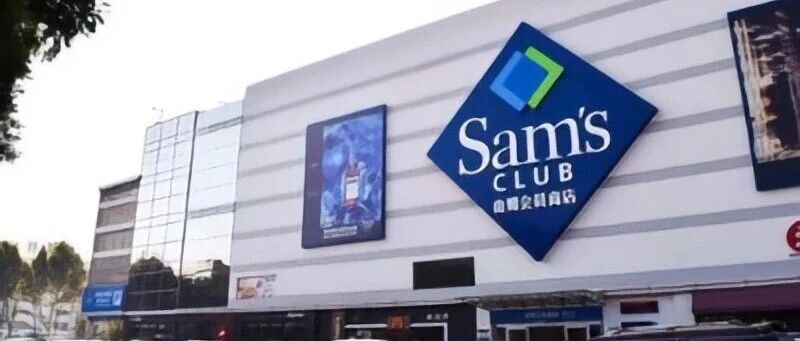
Group 1 - The article discusses the controversy surrounding a high-priced ice product sold at Sam's Club, which has sparked intense debate among consumers regarding its value and pricing strategy [4][6] - The product, "Farmer Spring Pure Transparent Ice 1.38kg," is priced at 37.9 yuan, leading to comparisons with similar products from competitors, which are significantly cheaper [6] - The ongoing debate has resulted in increased demand, with reports of the product selling out in many locations and even being resold at a premium [4][6] Group 2 - Pinduoduo's manager was sentenced to three years and five months for accepting bribes totaling over 2.08 million yuan, including a Rolex watch [9][10][11] - The court found that the manager exploited his position to benefit merchants on the platform, leading to significant legal repercussions [10][11] Group 3 - ByteDance's Seedance 2.0 pricing has been announced, with costs averaging 1 yuan per second for video generation, reflecting a competitive pricing strategy in the AI video generation market [5][12] - The service offers two pricing tiers based on video input, with the inclusion of video editing resulting in a higher cost due to increased computational requirements [12] Group 4 - Aion M9 has achieved over 280,000 units delivered, claiming top rankings in sales, quality, safety, reputation, and resale value in the luxury SUV segment [15][16] - The company aims to sell an additional 1 million units within two years, targeting a total of 2 million units sold [16] Group 5 - Alibaba's Qwen AI model team is undergoing a restructuring, with the core leader stepping down, which has raised questions about the future direction of the project [19][20] - The company emphasizes that this change is part of a broader team expansion rather than a contraction, aiming to enhance resource allocation [20] Group 6 - GPU manufacturer Muxi expects a first-quarter loss of 90.76 million to 182 million yuan, despite projected revenue growth of 24.84% to 87.26% year-on-year [21] - The company is focusing on innovation and market expansion in the high-performance GPU sector, driven by the rapid growth of the AI industry [21] Group 7 - The robotics company Dajie has completed a multi-million D round of financing, which will be used to enhance its technology and expand into strategic emerging sectors [22] - The funding will support advancements in industrial intelligence and market penetration in key industries such as energy and aerospace [22] Group 8 - Xiaomi's robots have been operational in its automotive factory, achieving a 90.2% success rate in a specific task, showcasing advancements in robotics technology [26] - The company plans to scale up the deployment of humanoid robots in its factories over the next five years [26] Group 9 - GAC Honda is undergoing internal restructuring amid a significant drop in sales, with February sales down 68.93% year-on-year [28] - The company is adjusting its marketing and operational strategies to address the declining performance [28] Group 10 - The semiconductor industry has made a breakthrough in observing internal chip defects, which could enhance the reliability of high-performance chips [46] - This advancement is expected to aid in the debugging and optimization processes within semiconductor manufacturing [46] Group 11 - Qingwei Intelligent has initiated its IPO process, potentially becoming the first publicly listed company focused on reconfigurable chips in China [49][50] - The company has achieved significant sales milestones, with over 30 million units shipped, indicating strong market demand for its products [50] Group 12 - RuiXiang Intelligent has successfully passed the IPO review, focusing on smart manufacturing in the flexible printed circuit board sector [51][52] - The company has demonstrated steady revenue growth, with a compound annual growth rate of 33.80% over the past three years [52]


第一批芯片“受害者”出现了
半导体行业观察· 2026-02-28 01:14
Core Insights - The semiconductor industry is experiencing unprecedented concentration of value creation, with significant economic profits being captured by a small number of leading companies, while many smaller firms face substantial losses [3][30]. - The rise of AI has increased the entry barriers in the semiconductor sector, leading to a "Matthew effect" where larger players benefit disproportionately compared to smaller firms [6][30]. Group 1: Economic Profit Trends - From 1990 to 2009, the semiconductor industry generated approximately $38 billion in economic profit, primarily driven by Intel [3]. - In the decade from 2010 to 2019, the industry saw a significant increase in economic profit, totaling $450 billion, due to the rise of mobile internet and smartphone growth [3]. - Between 2020 and 2024, the semiconductor industry is projected to create $473 billion in economic profit, surpassing the total from the previous decade, with the top 5% of companies capturing $159 billion [3]. Group 2: Challenges for Smaller Firms - In 2025, over 64% of the top 30 Fabless companies in South Korea are expected to report operating losses, indicating a widespread issue rather than isolated cases [9]. - Companies like Fadu, Nextchip, and HiDeep have reported significant losses, highlighting the struggles of smaller firms in the face of rising costs and competitive pressures [9][10]. - The rising costs across various segments, including EDA tools, wafer fabrication, and packaging, are creating a challenging environment for smaller Fabless companies [15][16][17]. Group 3: The Five Layers of Cost Increases - The first layer of cost increase is the EDA/IP tax, where design costs are rising significantly, impacting smaller firms' ability to absorb these costs [15]. - The second layer is the wafer tax, with advanced nodes becoming more expensive and difficult to access, further disadvantaging smaller players [16]. - The third layer is the packaging tax, where advanced packaging has become essential for AI chips, leading to increased costs and supply constraints [17]. - The fourth layer is the storage tax, where rising prices for HBM and other memory types are increasing overall system costs, putting pressure on margins [18]. - The fifth layer is the talent tax, as competition for skilled IC design talent drives up salaries, impacting smaller firms' ability to retain key personnel [19][22]. Group 4: Competitive Landscape - Chinese Fabless companies are increasingly encroaching on traditional South Korean markets, leveraging their larger ecosystems and cost advantages [25][26]. - The competitive pressure from Chinese firms is forcing South Korean companies to struggle in both advanced and mature process nodes, leading to a significant loss of market share [28]. - The overall trend indicates a bifurcation in the semiconductor industry, where large firms with pricing power thrive, while smaller firms face ongoing challenges [30].



中国大模型token调用量首超美国!云天励飞20cm涨停,科创人工智能ETF汇添富(589560)大涨2%,科技龙头陆续发布财报,AI营收贡献突出!
Sou Hu Cai Jing· 2026-02-27 06:48
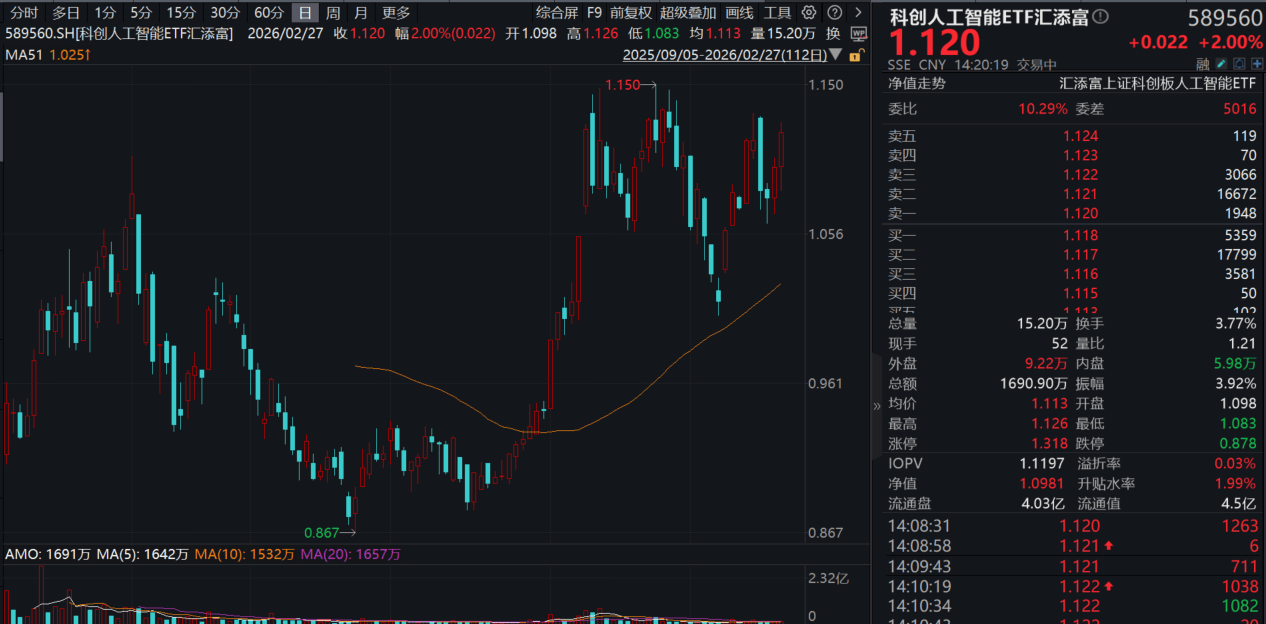
Group 1 - The A-share market experienced a volatile upward trend on February 27, with the AI sector remaining strong, particularly the computing power leasing segment, leading to a significant increase in the ETF Huatai-PineBridge AI (589560) by 2% [1] - The component stocks of the Huatai-PineBridge AI ETF showed mixed performance, with Yuntian Lifei hitting the daily limit up by 20%, Chipone Technology rising over 4%, and Fudan Microelectronics increasing by 2.5%, while other stocks like Lanke Technology and Kingsoft experienced pullbacks [2][3] Group 2 - As of February 27, 2026, China's token usage surpassed that of the United States for the first time, with a total of 4.12 trillion tokens used, indicating a growing dominance in AI model usage [6] - Baidu's recent financial report revealed that AI business revenue reached 40 billion yuan, accounting for 43% of its total revenue in Q4, exceeding market expectations [6] - The global foundry market is projected to grow from $155.6 billion in 2024 to $268.3 billion by 2032, driven by increasing demand for AI chips [7] - The semiconductor manufacturing equipment market is expected to reach $133 billion in 2025, with significant growth in NAND flash and DRAM equipment sales [8] - The shift from traditional SEO to GEO in AI applications is accelerating commercialization, with ByteDance's Doubao model projected to reach 100 million daily active users by the end of 2025 [9] - The Huatai-PineBridge AI ETF (589560) tracks a selection of 30 stocks, focusing on both hardware and software in the AI sector, benefiting from policy support, technological advancements, and stable growth fundamentals [9]


启动报名|3/12-13 上海「聚链成势·智启未来」智能终端产业链创新峰会正式官宣
CINNO Research· 2026-02-26 23:07
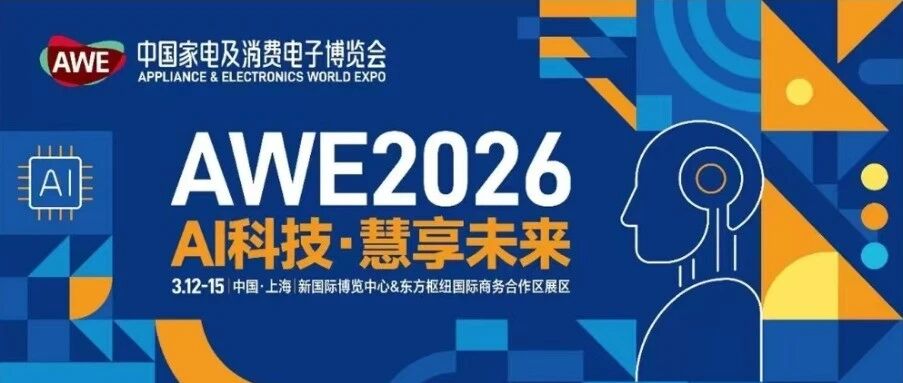
Core Viewpoint - The article emphasizes the profound adjustment in the global industrial landscape, driven by de-globalization and complex geopolitical relationships, presenting both challenges and strategic transformation opportunities for Chinese companies in the smart terminal industry [2]. Group 1: Event Overview - AWE2026, one of the most influential exhibitions in the global home appliance and consumer electronics sector, will be held in Shanghai, adopting a "one exhibition, two zones" model [3][15]. - The total exhibition area for AWE2026 will reach 170,000 square meters, attracting over 1,200 top domestic and international companies to showcase innovations in technology and smart products [15]. Group 2: Summit Focus - The summit will cover the entire smart terminal industry chain, focusing on macro guidance, technology-driven discussions, market foresight, and core supply chain localization processes [4][5][6]. - Key topics include interpreting national industrial development policies, exploring how AI and other cutting-edge technologies reshape the consumer electronics industry, and identifying new growth opportunities in global markets [4][5][6]. Group 3: Exhibition Zones - The Shanghai New International Expo Center will serve as the core exhibition area, focusing on smart home, AI appliances, and health technology, showcasing innovations from over 1,000 domestic and international brands [18]. - The Shanghai Oriental Hub International Business Cooperation Zone will highlight advanced technologies in consumer electronics, including AI smartphones, humanoid robots, and low-altitude economy products [20]. Group 4: Consumer Engagement Activities - AWE2026 will host various consumer engagement activities, including the "AWE Renewal Consumption Festival," which aims to convert innovative results into market consumption momentum, with last year's event driving appliance sales exceeding 2 billion yuan [24]. - The event will also feature live streaming sessions to enhance consumer interaction and showcase new products, with expectations to surpass last year's sales of over 1 billion yuan during the live streaming nights [24]. Group 5: Forums and Discussions - AWE2026 will feature a record number of high-level forums and activities, focusing on topics such as industry upgrades, new consumption trends, and the integration of AI in household services [28][29]. - The event aims to solidify its position as a global benchmark for smart living and foster strong momentum for global technological cooperation and economic development [29].
特朗普关税变脸比翻书快,印度进退两难 莫迪这次真被耍了吗?
Sou Hu Cai Jing· 2026-02-26 04:50
Group 1 - The core issue revolves around India's significant commitment to purchase $500 billion worth of U.S. energy in exchange for reduced tariffs, which was abruptly undermined by a U.S. Supreme Court ruling declaring previous tariffs illegal [1][4] - The U.S. administration, under Trump, had previously targeted India for trade imbalances, leading to a series of punitive tariffs that escalated to a total tax rate of 50% on Indian goods [3] - Following the Supreme Court's decision, Trump quickly enacted temporary global tariffs under the Trade Act of 1974, which are set to expire in 150 days, creating uncertainty for India's trade agreements [5] Group 2 - Russia has taken advantage of India's predicament, offering discounted oil prices and emphasizing the stability of its partnership compared to the unpredictable U.S. policies [6] - The Indian opposition has criticized the Modi government for compromising strategic autonomy in a volatile U.S. political landscape, highlighting the potential negative impact on India's economic stability [6] - The situation serves as a warning to other nations about the risks of relying on unilateral concessions for trade peace, as U.S. domestic laws can easily disrupt international agreements [6]

“明星专项”基金被LP抢疯了
投中网· 2026-02-19 07:02
Core Insights - The article discusses the resurgence of specialized funds in the investment market, particularly focusing on "star projects" that attract significant interest from Limited Partners (LPs) due to their perceived certainty and alignment with industry trends [2][3][10]. Group 1: Market Dynamics - Specialized funds are becoming increasingly popular as they provide a more straightforward investment path into high-profile projects, which are often prioritized by existing shareholders during new financing rounds [5][8]. - The valuation of star projects is highlighted, with examples showing significant differences in post-investment valuations, indicating a competitive landscape for investment opportunities [5][10]. - The demand for certainty in investments is driving LPs to favor specialized funds, which are seen as a reliable way to access top-tier projects [10][12]. Group 2: Investment Trends - The article notes that local governments, family offices, and overseas capital are significant contributors to funding, with local governments often investing larger amounts compared to county-level LPs [7][10]. - The success of hard technology companies in the secondary market has boosted confidence in the primary market, leading to increased interest in pre-IPO star projects [10][11]. - The article emphasizes that not all projects labeled as "star projects" will successfully go public, highlighting the risks associated with such investments [11][12]. Group 3: Competitive Landscape - The competition among star projects is intensifying, particularly in sectors like commercial aerospace and humanoid robotics, where technological advancements are critical [14][17]. - The article mentions the significance of high-profile events, such as the Spring Festival Gala, in enhancing the visibility and credibility of these projects, which can influence LP investment decisions [15][16]. - The entry of major players into the humanoid robotics sector is expected to heighten competition, necessitating that star companies maintain their leading positions to secure funding and market share [17].