虚无

Search documents
人如何感知虚无?
腾讯研究院· 2025-06-13 05:46
Core Concept - The article explores the significance of the concept of "zero" in both mathematics and neuroscience, emphasizing its role in understanding absence and perception of nothingness [1][2][3]. Group 1: Historical Context of Zero - The Sumerians invented a placeholder system around 5000 years ago, leading to the creation of the concept of zero to represent empty positions in numbers [6][10]. - The acceptance of zero faced challenges in ancient Greece, where the concept of "nothing" was philosophically rejected, contrasting with Indian culture that embraced the idea of void [12][14]. - Fibonacci's introduction of zero to Europe in the 13th century faced skepticism, but its practical applications in commerce eventually led to its acceptance [14][16]. Group 2: Psychological and Developmental Aspects - Children take longer to grasp the concept of zero compared to other natural numbers, reflecting a cognitive shift from tangible to abstract thinking [21][24]. - Research indicates that infants can detect numerical discrepancies but struggle with the concept of zero, highlighting the complexity of understanding absence [21][24]. Group 3: Neuroscientific Insights - Recent studies have identified "zero neurons" in the brains of primates, which respond specifically to the absence of stimuli, suggesting a neural basis for understanding zero [26][29]. - The brain's representation of zero may share characteristics with the perception of absence, indicating a deeper connection between the two concepts [32][59]. - Emerging theories in consciousness, such as Perceptual Reality Monitoring (PRM) and Higher-Order State Space Theory (HOSS), propose that the brain has specialized mechanisms for processing the absence of stimuli [45][57]. Group 4: Philosophical Implications - The exploration of zero and absence raises philosophical questions about existence and perception, suggesting that understanding zero could unlock insights into consciousness itself [50][54]. - The relationship between zero and the concept of nothingness is posited as a potential key to understanding human awareness and cognitive processes [54][57].


让-保罗·杜波瓦:在最后,命运的虚无将我们啮尽
Xin Lang Cai Jing· 2025-06-12 12:44
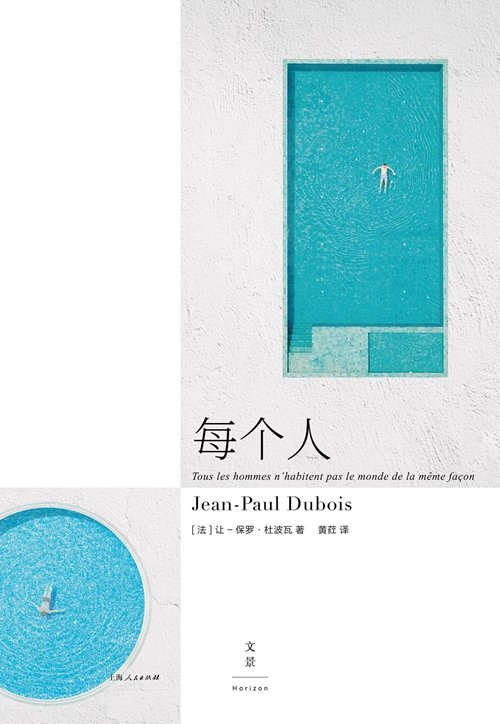
Core Viewpoint - Jean-Paul Dubois won the prestigious Prix Goncourt in 2019 for his novel "Everyone," which reflects on themes of division and personal history through the life of the protagonist, Paul Hansen, a Franco-Canadian man navigating his dual heritage and experiences in both France and Canada [1][5][6]. Group 1: Author Background - Before becoming a novelist, Dubois worked as a journalist in various fields including sports, courts, and cinema, and has a background in sociology [3]. - His experiences living in North America for fifteen years as a journalist for "Le Nouvel Observateur" influenced his early writings, which were collections of essays about that period [3][17]. Group 2: Novel's Themes and Characters - The protagonist, Paul Hansen, is depicted as a product of two contrasting worlds: the revolutionary atmosphere of 1950s France and the industrialized environment of Thetford Mines in Canada [5][10]. - The narrative explores the theme of division, stemming from Hansen's upbringing in a family torn apart by differing values, particularly between his traditional father and avant-garde mother [6][10]. - The novel portrays Hansen's life in prison, where he reflects on his past and the impact of his family dynamics on his identity [5][11]. Group 3: Societal Commentary - Dubois critiques the modern world through Hansen's experiences, illustrating how individuals with traditional values struggle to adapt to a rapidly changing society [14][15]. - The narrative suggests a sense of nihilism, where both the old and new worlds fail to provide solace or improvement, leading to a pervasive sense of despair [15][20]. - The character's journey reflects a broader commentary on the human condition, emphasizing the struggle against authority and the search for personal meaning in a fragmented world [17][22].