低GI饼干

Search documents
妙可蓝多,经销商数量为何下滑?
2 1 Shi Ji Jing Ji Bao Dao· 2026-01-13 02:56
Group 1 - The core viewpoint of the article highlights that Miaokelan Duo (妙可蓝多) has maintained growth amidst market fluctuations, with a revenue increase of 14.22% year-on-year to 1.39 billion yuan and a net profit increase of 214.67% to 42.97 million yuan in Q3 2025 [1] Group 2 - The growth is primarily driven by the B-end market, with liquid milk, cheese, and dairy product trade revenues showing mixed results: liquid milk down 8.55% to 87.15 million yuan, cheese up 22.44% to 1.166 billion yuan, and dairy products down 7.27% to 130 million yuan [2] Group 3 - The company is optimizing its distribution channel by reducing the number of distributors, focusing on quality over quantity, and enhancing efficiency through strategies like "store effect multiplication" and "BC dual-wheel drive" [3] - The integration of Mengniu's cheese business has led to synergies, allowing for a unified B-end operation system and improved service capabilities for core distributors [3] Group 4 - The demand for cheese in the catering market is significantly influenced by foreign brands, but Miaokelan Duo's products are gradually achieving domestic substitution [4] Group 5 - The temporary anti-subsidy measures on EU dairy products by the Ministry of Commerce in December 2025 are expected to accelerate the domestic substitution process, leveraging domestic raw milk price advantages to strengthen competitiveness [5]

妙可蓝多,经销商数量为何下滑?丨消费参考
2 1 Shi Ji Jing Ji Bao Dao· 2026-01-13 02:48
Group 1 - Miaokelan maintains growth amidst market fluctuations, with Q3 2025 revenue increasing by 14.22% to 1.39 billion yuan and net profit attributable to shareholders rising by 214.67% to 42.97 million yuan [1] - The B-end market is driving growth, with liquid milk, cheese, and dairy product trade revenues for Q3 2025 at 87.15 million yuan, 1.166 billion yuan, and 130 million yuan, showing year-on-year changes of -8.55%, +22.44%, and -7.27% respectively [2] - The company is optimizing its distribution channel quality, leading to a decrease in the number of distributors, which is part of a strategic shift from scale coverage to efficiency enhancement [3] Group 2 - The integration of Mengniu's cheese business has created synergies, allowing for a unified B-end operation system and improved revenue from baking and tea coffee channels [3] - The demand for cheese in the catering market is significantly influenced by foreign brands, but Miaokelan's products are gradually achieving domestic substitution [4] - The temporary anti-subsidy measures on EU dairy products by the Ministry of Commerce in December 2025 are expected to accelerate the domestic substitution process, enhancing the company's competitive position [5]
专访玛士撒拉唐黎明:他如何让医院的“救命粮”变得好吃,并摆上年轻人的餐桌?
新消费智库· 2026-01-09 13:04
Core Viewpoint - The article discusses how Marsala, a company specializing in medical nutrition, has successfully transformed the perception of healthy food from being unappetizing to enjoyable, particularly for individuals with specific dietary needs such as pregnant women with gestational diabetes and the general population seeking healthier options [2][4][24]. Group 1: Understanding Nutritional Needs - The company emphasizes that nutrition is vital for life, especially in extreme situations like ICU patients and those undergoing severe medical treatments [5]. - The regulatory environment for special medical foods is stringent, akin to pharmaceuticals, requiring significant investment and time for product development [5][6]. - There are two main pain points identified: the need for enjoyable food among patients in hospitals and the general public's struggle to find tasty yet healthy options [8][9]. Group 2: Product Development Philosophy - The company adopts a philosophy that prioritizes taste as equally important as health benefits, challenging the traditional view that healthy food must be unpalatable [9][10]. - A unique "barrier technology" is developed to manage the metabolic response to carbohydrates, allowing for a pleasurable eating experience while maintaining low glycemic index (GI) standards [12][14]. - The company focuses on reconstructing flavors by enhancing the natural taste of ingredients rather than relying on additives, which is a complex engineering challenge [14][15]. Group 3: Supply Chain Collaboration - The company collaborates closely with suppliers to ensure that high nutritional standards are met, even if it means incurring higher costs for better processing methods [17][18]. - This collaboration translates medical-grade product concepts into actionable manufacturing processes, creating a "special supplier alliance" committed to quality [18][19]. Group 4: Market Strategy and Consumer Engagement - The company builds trust by first proving its products in clinical settings before expanding to high-end retail channels, ensuring a solid foundation of credibility [20][21]. - The approach is characterized by a focus on product quality and consumer loyalty rather than aggressive marketing tactics, leading to high repurchase rates [21][22]. - The company acknowledges the challenge of increasing public awareness and effectively communicating its product story to a broader audience [22].


低GI饮食成热门 是健康新选还是消费陷阱?
Yang Shi Xin Wen· 2025-12-28 20:46
Group 1 - The core concept of "low GI" refers to the glycemic index, which indicates the ability of a food to raise blood sugar levels. Low GI foods are defined as those with a glycemic index of 55 or less, according to the 2023 guidelines from the Chinese Nutrition Society [1] - The market for low GI foods is expanding, with a variety of products such as cereals, cakes, beverages, and even low GI rice and noodles available in supermarkets. These products are prominently displayed and often come at a higher price point compared to regular options [2][4] - There is a significant consumer interest in low GI foods, with some products marketed as suitable for diabetics, pregnant women, and those looking to lose weight. However, there is ongoing debate regarding the effectiveness of these foods [9] Group 2 - Experts suggest that low GI foods are not a necessity for everyone and can be viewed as a choice in managing sugar intake. There are many economical and practical methods for controlling blood sugar that individuals can easily adopt [11] - Practical tips for lowering glycemic index include mixing beans or other grains with rice during cooking, adjusting the order of food consumption during meals, and practicing mindful eating [12] - Additional lifestyle factors such as ensuring adequate sleep and maintaining a calm mindset are also important for blood sugar regulation, alongside dietary and exercise habits [16]

低GI饮食成热门,是健康新选还是消费陷阱?
Xin Lang Cai Jing· 2025-12-28 15:19
Core Viewpoint - The article discusses the rising popularity of low GI (glycemic index) foods, which are marketed as healthier options for consumers looking to manage blood sugar levels. It highlights the definition of low GI foods, their characteristics, and the misconceptions surrounding their health benefits [1][10]. Group 1: Definition and Characteristics of Low GI Foods - Low GI foods are defined as those with a glycemic index of 55 or less, indicating a slower digestion and absorption rate of carbohydrates, which helps avoid sharp spikes in blood sugar levels [1]. - These foods are designed with special formulations and processes to enhance their slow-digesting properties, providing benefits such as prolonged satiety [1]. Group 2: Market Trends and Consumer Behavior - The demand for low GI foods has surged, with many consumers prioritizing "sugar control" in their diets, leading to a wide variety of low GI products available in supermarkets and online platforms [1][3]. - A notable example includes a low GI yogurt priced at nearly 30 RMB for four small boxes, significantly higher than regular yogurt priced at around 10 RMB for the same quantity [1]. Group 3: Misconceptions and Expert Insights - There are common misconceptions about low GI foods, such as the belief that they are synonymous with low sugar or low-calorie options. Experts warn that consuming large quantities of low GI foods can still lead to elevated blood sugar levels [7][9]. - It is emphasized that consumers should also consider the glycemic load (GL) of foods, which accounts for the total carbohydrate content, providing a more accurate reflection of their impact on blood sugar [7][8]. Group 4: Practical Tips for Blood Sugar Management - Experts suggest that low GI foods are not essential for everyone, and there are economical ways to manage blood sugar, such as incorporating beans or whole grains into meals and adjusting eating habits [10]. - Additional recommendations include taking a walk after meals or performing simple exercises to help lower post-meal blood sugar levels [12].
低GI食品受追捧,是健康新选还是消费陷阱?
Xin Hua Wang· 2025-12-12 10:21
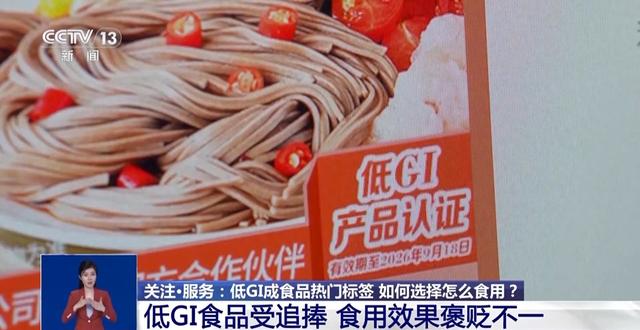
Core Viewpoint - The low GI (glycemic index) food market is gaining popularity as consumers seek healthier dietary options, but there are misconceptions about what low GI foods actually entail [2][4]. Group 1: Market Trends - Low GI foods are defined as those with a GI value below 55, which are digested more slowly and help maintain stable blood sugar levels [2]. - The market for low GI foods is expanding, with products like low GI biscuits, toast, and nuts prominently displayed in supermarkets and marketed on e-commerce platforms [2]. - Consumers are increasingly purchasing low GI foods for health reasons, despite their higher prices, as seen in personal testimonials [2]. Group 2: Consumer Misconceptions - Many consumers mistakenly believe that low GI foods are "sugar-lowering foods" and that they can consume them in unlimited quantities without affecting blood sugar levels [4]. - There is a common misconception that low GI equates to low calorie, leading consumers to think that eating low GI foods will prevent weight gain [4]. - Experts warn that the GI value of a food can be influenced by various factors, and simply looking for a "low GI" label is not a scientifically sound approach [4]. Group 3: Certification and Standards - The current certification system for low GI foods in China is primarily voluntary, lacking mandatory requirements [5]. - There is no unified design standard for labeling low GI products, leading to inconsistencies across different organizations [5]. - The National Health Commission has issued guidelines for measuring GI values, but compliance among companies may vary [4][5]. Group 4: Nutritional Balance - Experts emphasize that while GI values are important, a healthy diet should focus on overall nutritional balance rather than fixating on a single label [6][7]. - Consumers are advised to read ingredient labels carefully and avoid products with added sugars and high fat content, even if they are labeled as low GI [7]. - Proper dietary combinations, such as pairing low GI foods with proteins and dietary fibers, can enhance blood sugar management [7].
这种饮食真能控糖减肥?记者调查:“低GI”成食品热门标签
Yang Guang Wang· 2025-11-09 06:05
Core Viewpoint - The popularity of "low GI" (glycemic index) foods is rising in the market, but many products labeled as such lack authoritative verification and may not deliver the expected health benefits [1][3]. Group 1: Market Trends - "Low GI" foods are increasingly marketed with health-related labels such as sugar-free, zero-calorie, and low-fat, but the lack of mandatory national standards raises concerns about their authenticity [1][3]. - Consumers are often misled by the marketing of "low GI" products, with many unable to verify the claims made by sellers [2][3]. Group 2: Consumer Experiences - A consumer reported receiving moldy "low GI" bread, highlighting the difficulty in determining the authenticity of such products purchased online [2]. - Many products on e-commerce platforms display "low GI" labels, but the methods of proving this claim vary significantly, leading to confusion among consumers [2][3]. Group 3: Certification and Standards - Current "low GI" food certifications in China are voluntary, with no unified national standards for labeling, allowing various institutions to create their own certification logos [3][4]. - The cost of obtaining a "low GI" certification can range from tens of thousands to over a hundred thousand yuan, indicating a commercial nature of these certifications [3][4]. Group 4: Scientific Validity - True "low GI" certification requires rigorous testing by qualified laboratories, following international standards, which many products do not meet [3][5]. - The GI value of foods can be influenced by multiple factors, and without proper certification, the claims of "low GI" may not be reliable [5][6]. Group 5: Nutritional Guidance - "Low GI" foods should not be equated with overall healthiness; a comprehensive approach to nutrition is necessary, considering factors like low salt, low sugar, and high dietary fiber [5][6]. - Recommendations for consumers include choosing whole grains, controlling total caloric intake, and maintaining a balanced diet to effectively manage blood sugar levels [6].
低GI食品正在爆发?叮咚买菜、盼盼将其视为战略品,有经销商拿货量从几千元升至20万元……
3 6 Ke· 2025-10-22 03:47
Core Insights - The low GI (glycemic index) food segment is emerging as a new trend in the health food market, with significant interest from both small and large enterprises [1][7][10] - The market for low GI foods is experiencing rapid growth, with some companies reporting sales increases of over 50% annually [1][11] - Consumer awareness of low GI foods is still developing, necessitating market education, particularly among older demographics and diabetes patients [3][11] Company Developments - Dingdong Maicai has launched a dedicated low GI food section, reporting sales growth from under 1 million yuan to nearly 60 million yuan in 2023 [7][9] - Panpan Foods has integrated low GI products into its broader health food strategy, launching a new sub-brand focused on health [10][13] - Want Want Group has introduced a low GI sub-brand "Fix XBody," expanding its product offerings to include various low GI snacks [10] Market Trends - The low GI food market in China has reached a scale of 176.2 billion yuan, with an annual growth rate exceeding 10% [11] - The number of diabetes patients in China has increased from 90 million to 140 million between 2011 and 2021, highlighting a growing target market for low GI foods [11] - Companies are innovating to improve the taste of low GI products, addressing consumer concerns about flavor while maintaining health benefits [4][6] Product Innovations - Companies are expanding their low GI product lines beyond traditional baked goods to include dairy, snacks, and staple foods [12] - New technologies are being employed to lower the GI of products, such as using high-temperature techniques to extract sugars and substituting ingredients [12]

从酥脆到松软 了解饼干的奇妙物语
Ren Min Wang· 2025-08-16 02:34
Group 1: Types of Biscuits - Common types of biscuits include chewy biscuits, crispy biscuits, fermented biscuits, wafer biscuits, and filled biscuits, each with distinct characteristics based on ingredients and preparation methods [5] - Chewy biscuits have a longer kneading time, more gluten, and less oil, resulting in a chewy texture [5] - Crispy biscuits typically have higher oil and sugar content, leading to a crumbly texture with visible air pockets [5] - Fermented biscuits, like soda biscuits, use yeast to create bubbles, resulting in a crispy texture with a unique aroma [5] - Wafer biscuits consist of thin layers baked with cream filling, producing a light and crunchy bite [5] - Filled biscuits have a richer flavor due to fillings like jam or cream, but consumers should be mindful of their calorie and fat content [5] Group 2: Biscuit Texture and Structure - The crumbliness of some biscuits is primarily due to high oil content, low water content, and a loose structure [6] - The use of butter or shortening in the dough prevents flour from absorbing water, resulting in a more fragile and crispy biscuit [6] - During baking, moisture evaporates, and the starch dries out, contributing to the crispiness similar to dehydrated snacks [6] - The steam generated during baking creates small air pockets, leading to a delicate structure that enhances the crispiness [6] Group 3: Biscuit Storage and Preservation - To maintain crispness, biscuits can be reheated in an oven or air fryer for about 5 minutes, which helps expel moisture [7] - Alternatively, biscuits can be lightly toasted in a pan without oil to remove moisture [7] - Proper storage involves sealing biscuits in airtight containers and controlling humidity and temperature, ideally below 25°C and at less than 50% humidity [15] - After opening, biscuits should be consumed quickly or can be frozen to extend shelf life [16] Group 4: Health Considerations - Certain biscuits, such as cookies, filled biscuits, and puff pastries, are more likely to contribute to weight gain due to high sugar and fat content [12] - Cookies can contain over 30% sugar and fat, making their caloric content significantly higher than that of steamed buns [12] - Filled biscuits may have fat content ranging from 20% to 30% due to added syrups and creams [12] - Low GI biscuits are made from whole grains and fibers, which digest slowly and are suitable for individuals managing blood sugar levels [14] - Consumers with specific dietary needs should focus on ingredient labels to choose lower sugar and fat options while controlling portion sizes [18]