财务共享

Search documents
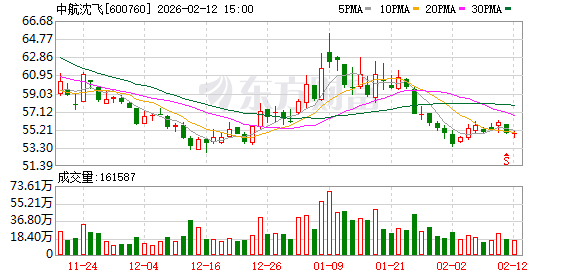
中航沈飞:目前财务共享平台涵盖大部分分子公司核算业务
Zheng Quan Ri Bao· 2026-02-12 13:41
Core Viewpoint - The company has established a financial sharing platform in 2024, enhancing operational efficiency through automation and unified accounting processes [2] Group 1 - The financial sharing platform covers most subsidiary accounting operations, allowing for unified accounting on a single platform [2] - The platform features intelligent functions such as smart form filling, smart auditing, and invoice verification, which streamline business processes [2] - Automation capabilities include automatic document creation, auditing, and printing across multiple scenarios, significantly improving business processing efficiency [2]


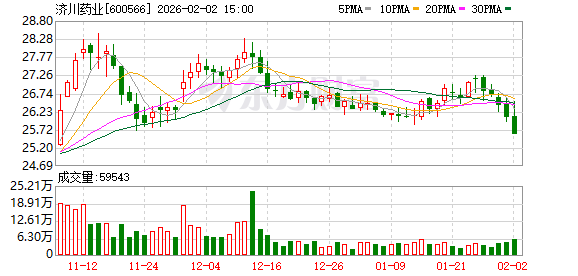
济川药业:公司于2024年建立财务共享中心
Zheng Quan Ri Bao· 2026-02-02 13:41
Group 1 - The company plans to establish a financial shared service center in 2024, which will serve as the core platform for its financial management system [2] - The financial shared service center will adhere strictly to the governance norms for listed companies and will include three standardized business modules: accounts receivable, accounts payable, and cash management [2] - This initiative is aimed at providing strong support for the company's high-quality development [2]

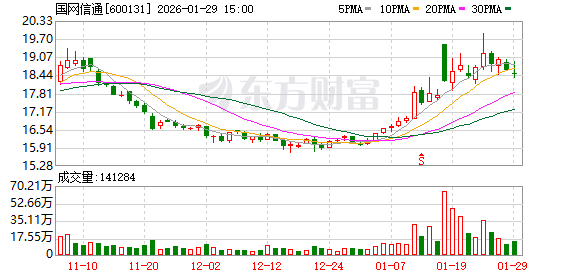
国网信通:公司于2020年成立财务共享中心1个
Zheng Quan Ri Bao· 2026-01-29 11:41
Group 1 - The company established a financial shared service center in 2020 to enhance operational efficiency [2] - The technology employed includes OCR recognition and comparison techniques, which facilitate automated task assignment [2] - The work model aims to evenly distribute business documents to accountants for review, contributing to improved work efficiency [2]

山鹰国际(600567.SH):已建立财务共享中心,目前运行良好
Ge Long Hui· 2026-01-28 07:57
Group 1 - The core viewpoint of the article is that the company, Shanying International (600567.SH), has established a financial shared service center that is currently operating well [1] Group 2 - The company has communicated this development through its investor interaction platform, indicating transparency and engagement with stakeholders [1]

上证研究|2024年上市公司内部控制质量进一步提高
Sou Hu Cai Jing· 2025-12-26 15:40
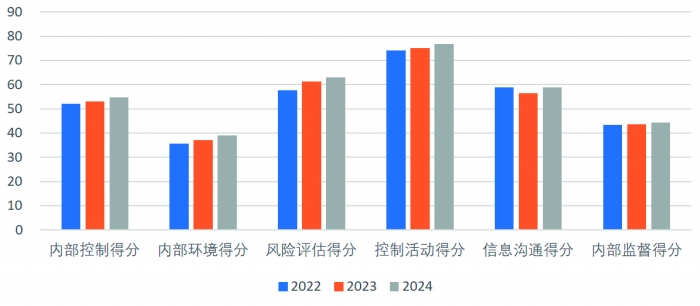
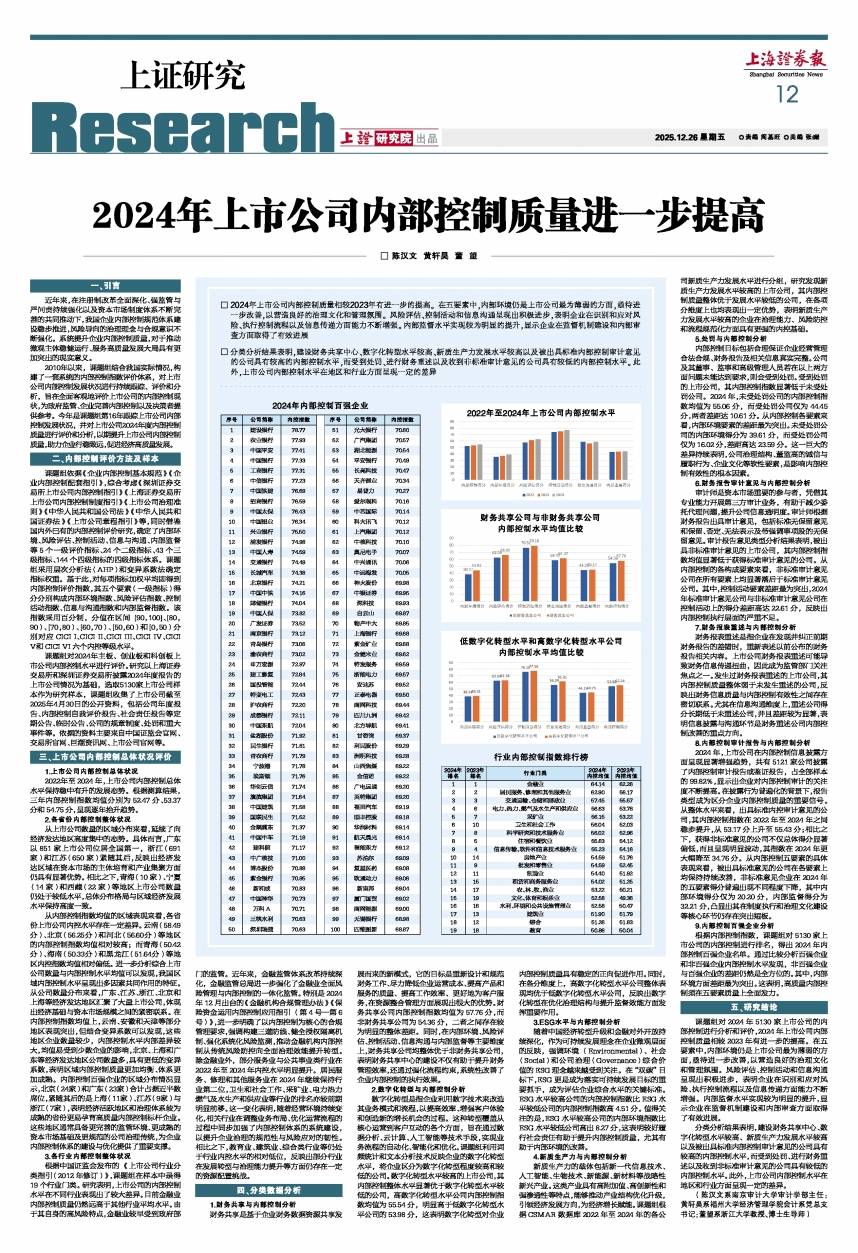
Group 1 - The internal control quality of listed companies in 2024 has improved compared to 2023, with a notable increase in the overall internal control index from 53.37 in 2023 to 54.75 in 2024 [23][38] - Among the five elements of internal control, the internal environment remains the weakest aspect, indicating a need for further improvement to foster a good governance culture and management atmosphere [38] - Positive progress has been observed in risk assessment, control activities, and information communication, reflecting enhanced capabilities in risk identification, control process execution, and information transmission [38] Group 2 - Companies with higher levels of financial sharing, digital transformation, and new productivity development exhibit superior internal control levels, while those facing penalties, financial restatements, or receiving non-standard audit opinions show lower internal control quality [19][38] - The internal control levels vary by region and industry, with economically developed areas like Guangdong, Zhejiang, and Jiangsu having a higher concentration of listed companies and better internal control performance [24][25] - The financial industry maintains the highest internal control quality, attributed to stringent government regulations and a robust risk management framework [26][27] Group 3 - Financial sharing companies have an average internal control index of 57.76, significantly higher than the 54.36 of non-financial sharing companies, indicating the effectiveness of financial sharing in enhancing internal control [28] - Companies with high digital transformation levels have an internal control index of 55.54, outperforming those with low digital transformation levels at 53.98, demonstrating the positive impact of digital transformation on internal control quality [29] - Companies with high ESG levels have an internal control index that is 4.51 points higher than those with low ESG levels, particularly in the internal environment dimension, which is 8.27 points higher [30]
2024年上市公司内部控制质量进一步提高
Shang Hai Zheng Quan Bao· 2025-12-25 19:11
Core Insights - The internal control quality of listed companies in 2024 has improved compared to 2023, with internal environment remaining the weakest aspect that requires further enhancement [4][19] - Companies with financial shared centers, high digital transformation levels, and high-quality new productivity show better internal control levels, while those facing penalties, restatements, or receiving non-standard audit opinions exhibit lower internal control levels [20] Group 1: Overall Internal Control Status - The overall internal control level of listed companies has shown a steady increase from 52.47 in 2022 to 54.75 in 2024 [7] - The distribution of listed companies is concentrated in economically developed regions, with Guangdong, Zhejiang, and Jiangsu having the highest number of listed companies [8] Group 2: Regional Analysis - Internal control index averages vary by region, with Yunnan (58.49), Beijing (56.25), and Hebei (56.60) showing higher scores, while Qinghai (50.42), Hainan (50.33), and Heilongjiang (51.64) are lower [8] - The internal control quality is more balanced in economically developed areas like Beijing, Shanghai, and Guangdong, indicating a mature governance structure [8] Group 3: Industry Analysis - The financial industry maintains a significantly higher internal control quality compared to other sectors, attributed to stringent government regulations [9] - Some service and public sectors have shown notable improvements in internal control levels from 2022 to 2024, while education, construction, and comprehensive industries remain at lower levels [9] Group 4: Financial Shared Services and Digital Transformation - Companies utilizing financial shared services have an internal control index average of 57.76, compared to 54.36 for non-financial shared companies, indicating a clear advantage [10] - Companies with high digital transformation levels have an internal control index average of 55.54, outperforming those with lower levels at 53.98, highlighting the positive impact of digital transformation on internal control quality [11] Group 5: ESG and New Productivity - Companies with high ESG levels have an internal control index that is 4.51 points higher than those with lower ESG levels, particularly in the internal environment dimension [13] - Companies with high new productivity levels demonstrate superior internal control quality across various dimensions compared to those with lower levels [14] Group 6: Penalties and Audit Opinions - Companies that have faced penalties have an internal control index average of 44.45, significantly lower than the 55.06 average of non-penalized companies, with the internal environment being the most affected area [15] - Companies receiving non-standard audit opinions have a notably lower internal control index, with a score of 34.76 in 2024, indicating serious deficiencies in internal control execution [18]