资金调仓

Search documents
碳酸锂跌停,趋势反转还是阶段休整?
对冲研投· 2026-03-03 09:28
Core Viewpoint - The lithium carbonate futures market experienced a significant drop on March 3, with the main contract LC2605 closing at 150,860 yuan/ton, a decline of 12.99%, erasing over 20% from its year-to-date high of 189,440 yuan/ton, indicating a strong market panic as over 38,000 contracts were liquidated during the day [1][2]. Market Trend Description - The trading on March 3 was marked by a rapid decline, with the main contract quickly hitting the limit down after a weak opening. Despite a brief attempt to recover, selling pressure dominated, leading to a complete closure at the limit down price [2]. - The day's trading saw a 12.99% drop, with a closing price of 150,860 yuan/ton and a significant reduction of over 38,000 contracts, reflecting strong bearish momentum [2]. Downward Driving Factors Analysis - The price collapse of lithium carbonate is attributed to a combination of macro risks, deteriorating fundamentals, and fund repositioning. Key factors include: - Geopolitical tensions, particularly the military actions by Israel and the U.S. against Iran, raising concerns about potential disruptions in shipping routes, although the actual impact on lithium demand is expected to be limited [5]. - A significant decline in sales data for electric vehicles, with BYD reporting a 41.1% year-on-year drop in February sales, contributing to weakened demand expectations [5]. - An unexpected increase in supply, with Chilean exports of lithium carbonate rising by 44.81% in January, leading to a reversal of previous inventory depletion expectations [6]. - Fund reallocations from high-performing assets like lithium carbonate to other sectors, as investors sought to lock in profits after a substantial price increase of over 220% since 2025 [6]. Supply and Demand Dynamics - Despite the price drop, the lithium carbonate fundamentals show resilience: - Supply is expected to rebound significantly in March, with production projected to rise to 106,700 tons, a 29.4% increase from February [8][10]. - Demand from downstream sectors, particularly for lithium iron phosphate, is anticipated to increase, with production expected to rise to 446,900 tons in March, a 15.48% increase [8][10]. - Social inventory levels have decreased to approximately 100,000 tons, the lowest since July 2024, indicating a thin buffer in the supply chain [9]. Institutional Outlook - Various institutions have differing views on the market outlook, but there is a consensus on the continued short-term adjustment pressure: - Guotai Junan Futures suggests that geopolitical risks have heightened market uncertainty, leading to a downward adjustment in lithium carbonate prices, with a revised trading range of 140,000 to 150,000 yuan/ton [11]. - Zhengxin Futures advises caution for short-term investors, indicating that the market is in a phase of adjustment and that blind bottom-fishing could lead to further risks [12]. - Overall, the market is expected to remain volatile, with a focus on inventory changes and production levels in the coming months [16].


长江有色:春节前镍市供需双淡观望主导 10日镍价或涨跌不大
Xin Lang Cai Jing· 2026-02-10 03:33
Group 1 - Nickel futures market shows a rebound driven by a weaker US dollar and improved sentiment in the US stock market, with LME nickel closing at 17,410, up 175 USD/ton, a 1.02% increase [1] - Domestic nickel futures also experienced a slight increase, with the main contract closing at 134,820 CNY/ton, up 1,210 CNY/ton, a 0.91% rise [1] - LME nickel inventory reported at 285,072 tons, a decrease of 210 tons from the previous trading day [1] Group 2 - The macroeconomic environment indicates a warming sentiment, with the overnight surge in LME nickel attributed to improved market conditions rather than fundamental changes [2] - The weakening US dollar has elevated industrial metal valuations, while a rebound in US tech stocks has increased risk appetite and attracted funds back into the non-ferrous sector [2] - Geopolitical tensions are providing support for nickel prices, with expectations of supply disruptions from key producing countries, particularly Indonesia, which plans to cut nickel mining quotas by 34% by 2026 [2] Group 3 - The nickel market is currently experiencing a dual warm macro environment, with expectations of recovery post-holiday supporting prices [2] - The demand for traditional stainless steel is weakening, while the demand for high-nickel batteries in the new energy sector remains robust, with a projected penetration rate exceeding 70% by 2026 [2] - Investment strategy suggests a cautious approach ahead of the holiday, avoiding high-risk positions while waiting for post-holiday recovery opportunities [2]

大调整!如何防守?
债券笔记· 2026-02-03 10:55
Core Viewpoint - The recent market decline is a normal adjustment due to short-term profit-taking, not indicative of systemic risk, with a focus on the concentrated risk in previously hot sectors [2][3]. Group 1: Market Performance - The three major indices fell over 2%, with the Shanghai Composite Index down 2.48%, Shenzhen Component down 2.69%, and ChiNext down 2.46%, while the STAR 50 Index dropped over 3% [2]. - More than 4,600 stocks declined, with 123 stocks hitting the daily limit down, and the total trading volume in the Shanghai and Shenzhen markets was 2.58 trillion, a decrease of 250.8 billion from the previous trading day [2]. Group 2: Causes of Adjustment - The decline was triggered by significant fluctuations in the global precious metals market, leading to panic selling in the A-share precious metals sector, compounded by a natural decline in risk appetite as the Spring Festival holiday approaches [3]. - Despite the drop, the trading volume remained at a trillion-level scale, indicating that the reduction was due to profit-taking rather than panic selling, with defensive sectors like liquor, electric grid equipment, and banking seeing net inflows [3]. Group 3: Sector-Specific Risks - The precious metals sector was the hardest hit, with many stocks hitting the limit down due to high previous gains and concentrated leverage, exacerbated by margin ratio increases triggering forced liquidations [4]. - The semiconductor sector also experienced significant declines, driven by a disconnect between valuations and earnings, as many companies reported substantial profit declines while still being valued at historical highs [4]. - Other cyclical sectors like non-ferrous metals and oil and gas also weakened, sharing the commonality of crowded trading structures and excessive profit accumulation without solid earnings support [4]. Group 4: Future Outlook - It is advisable to temporarily avoid high-volatility hot sectors and focus on low-valuation defensive sectors and areas with policy support, waiting for the risks in hot sectors to be fully released before making investment decisions [5]. - Following the holiday, a return to a stabilizing market rhythm is expected as market sentiment improves and liquidity returns [5].

博弈加仓?
第一财经· 2025-11-14 11:18
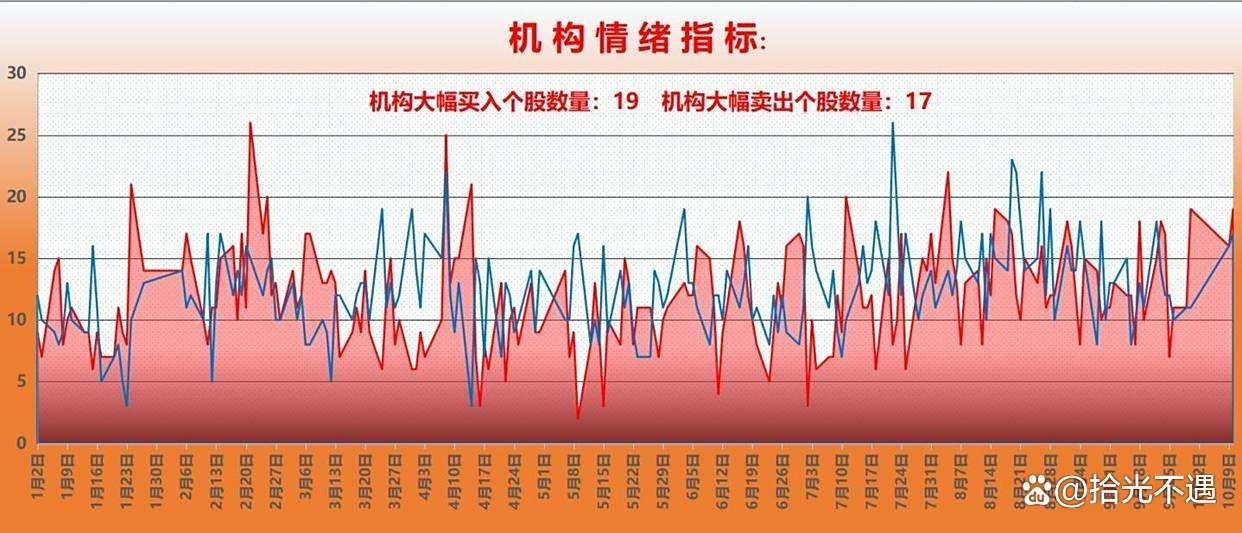
Core Viewpoint - The A-share market is experiencing a cautious sentiment with a predominance of declines over gains, influenced by the pullback in technology and consumer sectors [4][5]. Market Performance - The Shenzhen Composite Index and ChiNext Index have been dragged down by the technology and consumer sectors [4]. - A total of 1,959 stocks rose, indicating a market skewed towards declines [5]. - Defensive sectors such as pharmaceuticals, gas, and specific regional markets (Hainan and Fujian) have shown strong performance, while technology growth sectors like semiconductors and storage chips faced external negative impacts [5]. Trading Volume and Market Sentiment - The total trading volume in both markets decreased by 4.1% to 90 billion yuan, reflecting cautious market sentiment and sector divergence [6]. - The trading volume exhibited a "rise then fall" pattern, with funds shifting from high-valuation technology sectors to undervalued policy/event-driven sectors [6]. - Defensive sectors attracted risk-averse capital inflows, although the contribution from individual small-cap stocks was limited [6]. Fund Flow Dynamics - There was a net outflow of 49.9 billion yuan from institutional funds, while retail investors saw a net inflow [7]. - Institutions are restructuring their portfolios, taking profits from high-valuation sectors, particularly in semiconductors and electronic components, while defensive industries like pharmaceuticals received capital inflows [8]. Investor Sentiment - Retail investor sentiment is reflected in a 75.85% bullish outlook, with 31.66% increasing positions and 16.53% reducing positions, while 51.81% remained unchanged [9][12]. - The average position held by investors is at 70.80% [17].

别猜了!下周A股会否大跌?我直接给答案,走势已定,原因在这!
Sou Hu Cai Jing· 2025-10-12 11:55
Core Viewpoint - The A-share market is unlikely to experience a significant drop next week, with a more probable scenario being a "stabilization after a pullback" and potential structural opportunities [3] Group 1: Market Dynamics - The recent decline in the A-share market is attributed to short-term sentiment and fund reallocation rather than a long-term exit of capital [3][4] - The market saw a net outflow of over 130 billion yuan, but this was primarily a rotation from high-valued sectors like semiconductors and new energy to defensive sectors such as banks and gas [5] - The current valuation of the Shanghai Composite Index is at 16.8 times earnings, while the CSI 300 is at 11.5 times, both near historical median levels, indicating no significant bubble [4][5] Group 2: Support Factors - Three main support factors are identified: policy backing, fund reallocation, and valuation safety [4] - The People's Bank of China (PBOC) injected 1.1 trillion yuan through reverse repos, providing liquidity to the market and preventing capital from being idle [4] - Regulatory bodies have implemented measures to encourage long-term capital inflow, including a 200 billion yuan special loan for hard technology and incentives for company buybacks [4] Group 3: Investment Strategies - For conservative investors, the focus should be on low-valuation defensive sectors like banks and coal, as well as consumer leaders with strong earnings growth [7] - Aggressive investors are advised to monitor fund reallocation towards hard technology sectors, particularly in semiconductors and AI applications, and to adopt a "core + satellite" investment strategy [8]
帮主郑重:沪指突破十年新高,白酒与半导体联袂走强,市场释放何种信号?
Sou Hu Cai Jing· 2025-08-20 08:39
Market Performance - The A-share market showed strong performance with the Shanghai Composite Index rising by 1.04%, reaching a ten-year high, indicating a positive market sentiment [1] - All three major indices closed in the green, with the Shanghai Composite leading the gains, while the Shenzhen Component and ChiNext also followed suit [3] Trading Volume and Market Dynamics - Trading volume decreased by over 190 billion compared to the previous day, suggesting a concentration of funds into mainline sectors rather than a withdrawal of capital [3] - More than 3,600 stocks rose, indicating a significant profit-making effect in the market, although the gains were not uniform, reflecting a structural characteristic [3] Sector Performance - The liquor sector performed exceptionally well, with stocks like Guizhou Moutai hitting the daily limit and Shede Liquor rising over 7%, driven by increased consumption expectations during the holiday season [3] - Small metals and semiconductor sectors also showed strong performance, with stocks like Dongfang Zirconium and Yunnan Germanium hitting the daily limit, supported by solid industrial chain logic and growing demand in the new energy and semiconductor fields [3] Weak Sectors - The innovative drug and film industry sectors underperformed, with stocks like Fuyuan Pharmaceutical and Ciwen Media dropping over 6%, attributed to normal adjustments after previous gains and underwhelming content performance in the film industry [4] - Long-term investors are advised to focus on sectors with solid performance and logic, maintaining positions in consumer and technology leaders while avoiding high-flying stocks [4] Market Outlook - The new high of the Shanghai Composite Index is viewed as the beginning of a new phase rather than the end of the rally, with the market undergoing a critical period of fund reallocation and opportunity switching [4]
现在美国降息,其实就是怕两个方面,一个是资金流出美国,进入中国,中国股市、资产都尚在低点,如果现在降息,资本很可能就跑到中国来了
Sou Hu Cai Jing· 2025-08-05 14:18
Core Viewpoint - The relationship between U.S. interest rate changes and foreign capital flows into China has become increasingly evident, suggesting a direct correlation between the two [1][3][6]. Group 1: U.S. Interest Rate Changes - The Federal Reserve began raising interest rates in March 2022, with a significant increase from 0.25% to 4% by November 2022, which coincided with a decline in foreign capital inflows to China [3][5]. - In 2023, foreign capital inflows to China saw a year-on-year decrease for the first time in years, aligning with the Fed's rate hike to 5% in March [5][10]. - By September 2024, when the Fed indicated a potential rate cut, foreign capital inflows to China surged, demonstrating a strong market reaction to U.S. monetary policy [7][10]. Group 2: Capital Flow Dynamics - Foreign capital is primarily driven by where it can achieve better returns, rather than local conditions such as pandemic lockdowns [5][10]. - The Chinese stock market and real estate are currently perceived as attractive investment opportunities due to their low positions, especially if the Fed enters a prolonged rate-cutting phase [10][18]. - The potential for capital outflow from the U.S. to China is significant if the market believes in sustained lower interest rates from the Fed [18][20]. Group 3: Economic Indicators - U.S. retail sales growth, adjusted for inflation, is nearly stagnant, indicating a weakening domestic economy [11][13]. - The Fed faces a dilemma: lowering rates could reignite inflation, while maintaining rates could exacerbate domestic economic issues [11][13][16]. - Long-term U.S. Treasury yields are declining, suggesting market expectations of an end to the Fed's tightening cycle, which could further influence capital flows [16][18].