连锁加盟模式

Search documents
第五篇,连锁落地核心:资源赋能、企商共赢、组织提效
Sou Hu Cai Jing· 2026-02-22 17:13
Group 1 - The core viewpoint emphasizes that the successful implementation of strategy in chain enterprises relies on three key aspects: providing sufficient support to frontline stores, achieving mutual value growth between headquarters and franchisees, and building a capable organizational team [2][4][8] Group 2 - Frontline stores are identified as the core source of profit for chain enterprises, and the headquarters' primary value lies in empowering these stores rather than merely controlling them [4][6] - Many franchise brands fail to sustain because they focus solely on collecting franchise fees without providing substantial support to stores, leading to low survival rates and damaged brand reputation [4][6] Group 3 - The essence of the franchise model is not to exploit franchisees for quick profits but to generate long-term revenue through supply chain and brand value enhancement, establishing a symbiotic relationship between headquarters and franchisees [6][8] - To achieve mutual value growth, it is essential to break the zero-sum game between headquarters and franchisees by creating a win-win cooperation system, including a reasonable profit distribution mechanism and an empowering management system [6][8] Group 4 - The expansion of chain enterprises fundamentally represents the expansion of organizational capability, and without matching organizational capacity, rapid store openings can lead to management chaos and operational failures [8] - To build a successful chain organization, it is crucial to establish an organizational structure that supports expansion, develop a talent pipeline, and foster a cohesive corporate culture that aligns all employees towards common goals [8]


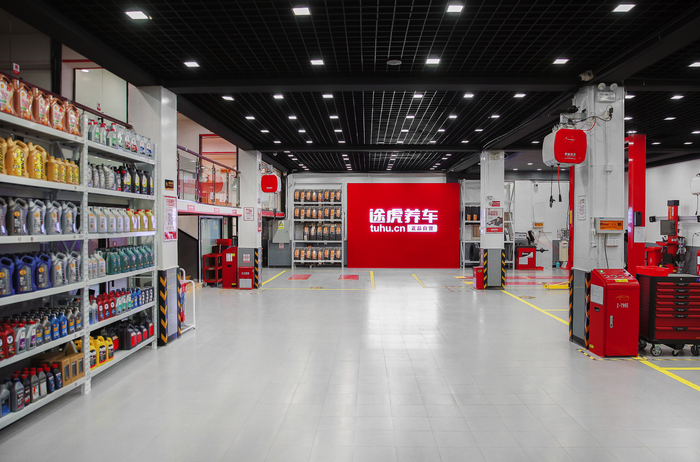
途虎养车的加盟门店数,为何总是遥遥领先?
Tai Mei Ti A P P· 2025-12-01 10:23
Core Insights - The Chinese automotive aftermarket is projected to reach an annual revenue of 1.7 trillion yuan by 2025, more than doubling since 2015, indicating significant growth potential [2] - Tuhu Car Maintenance leads the automotive aftermarket chain franchise sector with a consumer preference rate of 45.38%, significantly higher than its competitors [2][5] - Tuhu has established a robust supply chain network and a standardized service model, allowing it to maintain a competitive edge and achieve high profitability among its franchise stores [7][12] Market Overview - By 2025, China's vehicle ownership is expected to exceed 359 million, driving the growth of the automotive aftermarket [2] - The competitive landscape is shifting from chaotic growth to a more refined approach, with leading brands like Tuhu gaining market share and consumer trust [2][5] Tuhu's Business Model - Tuhu's franchise model is likened to McDonald's, focusing on a replicable business system that includes product, service, and operational standards [3] - The company addresses the fragmented nature of the automotive aftermarket by standardizing high-frequency service projects and integrating online and offline operations [5][13] Supply Chain and Cost Efficiency - Tuhu collaborates directly with major brands like Michelin and Continental to create a direct supply chain, reducing procurement costs by 15%-20% compared to traditional channels [9] - The company has developed a smart inventory system that alleviates financial pressure on franchisees by managing stock levels based on sales forecasts [12] Franchise Growth and Profitability - Tuhu's franchise network has expanded significantly, with a net increase of 331 stores in just six months, and over 90% of stores open for more than six months achieving profitability [7][8] - The company's model not only leads in store count but also demonstrates sustainability and health in its business operations [8] Competitive Advantages - Tuhu's supply chain is evolving, particularly in the electric vehicle aftermarket, where it has established partnerships with battery manufacturers and trained certified technicians [10] - The company's ability to offer lower prices through bulk purchasing and customized products enhances its competitive position in the market [9][13]
精工钢构20251029
2025-10-30 01:56
Summary of Jinggong Steel Structure Conference Call Company Overview - **Company**: Jinggong Steel Structure - **Industry**: Steel Construction and Engineering Key Financial Metrics - Operating revenue for Q3 2025 reached **14.5 billion** CNY, a **21%** year-on-year increase [3] - Net profit attributable to shareholders was **589 million** CNY, up **24%** year-on-year [3] - Operating cash flow for Q3 was **760 million** CNY, indicating strong performance [3] - Three expense ratios decreased by **1.6%** year-on-year, with ROE exceeding the previous year's total [3] Business Growth and Strategy - **Overseas Business Growth**: - Expected overseas order scale to exceed **6 billion** CNY by 2025, enhancing overall order quality [2][5] - Key growth areas include landmark projects in Saudi Arabia and industrial plants in Southeast Asia [2] - Overseas orders accounted for nearly **30%** of total platform revenue in the first three quarters [10] - **Domestic Market Strategy**: - Despite macroeconomic challenges, the company is expanding its regional layout through a franchise model, partnering with local firms to establish holding companies [6] - Anticipated **1.2 billion** CNY in new orders from this strategy [6] - **EPC Business Development**: - Aiming to become a leader in the construction industry chain through EPC (Engineering, Procurement, and Construction) and prefabricated building systems [7][8] - Plans to build model houses in Shanghai to penetrate the residential market [8] Dividend Policy - Introduced a three-year dividend plan, increasing the payout ratio to **70%** with a minimum dividend of **400 million** CNY, targeting a dividend yield of at least **5%** [9] International Market Insights - The Middle East market is projected to have significant growth potential, with numerous projects expected to be tendered in the coming years [14] - The company has a history of successful projects in the region, including major constructions in Saudi Arabia and Qatar [13] Competitive Landscape - Key competitors in the Middle East include major steel structure companies from Vietnam and Turkey, as well as local firms in Saudi Arabia [29] - The company maintains a competitive edge due to lower steel prices and higher labor efficiency in China [29] Operational Efficiency - The company’s overseas projects primarily utilize domestic production from its **100,000-ton** export base in Shaoxing [26] - Focus on project management and technical expertise rather than merely increasing processing capacity [19] Future Outlook - The company aims to achieve **10 billion** CNY in overseas business within three years, with a projected growth of **70-80%** in 2026 [17] - Plans to explore further international expansion while maintaining a strong domestic presence [12][24] Additional Insights - The company is not currently considering establishing overseas factories due to cost advantages in China [26] - The use of robots for welding and rust removal is still in early stages, with limited impact on cost reduction [30] This summary encapsulates the key points from the conference call, highlighting the company's financial performance, strategic initiatives, and market positioning.

中金:茶企品牌高端化提升认知效率 高端品牌+连锁加盟模式ROE更高
Zhi Tong Cai Jing· 2025-10-28 05:53
Core Viewpoint - The Chinese tea market is projected to reach a scale of 325.8 billion yuan in 2024, with a CAGR of 3.5% over the past five years, indicating a fragmented brand landscape with significant growth potential [1][2]. Industry Overview - The tea industry in China is characterized by a diverse range of products and a fragmented brand landscape, with the top five brands holding a market share of only 2.7% [2]. - The non-standardized nature of the supply chain, high trust costs, and strong experiential attributes contribute to the fragmented market structure [2]. Market Dynamics - Key consumer scenarios include self-drinking and gifting, with a focus on mid-to-high-end products being crucial for market penetration [3]. - The mid-to-high-end gifting market benefits from higher brand recognition efficiency due to the separation of users and purchasers [3]. Brand and Channel Strategy - Companies are focusing on high-end branding and chain franchise models to enhance recognition efficiency and customer experience [4]. - The evolution of offline channels from distribution stores to specialized tea spaces is essential for building trust and enhancing consumer experience [4]. Competitive Landscape - The offline chain layout is a key differentiator for tea companies in terms of brand building efficiency and consumer engagement [5]. - Notable companies include: - Eight Horses Tea (06980): Leading in mid-to-high-end comprehensive branding with the highest number of stores and top sales in Oolong and black tea [5]. - China Tea: Recognized as the top brand in terms of brand value, with a diverse product range primarily through traditional distribution channels [5].
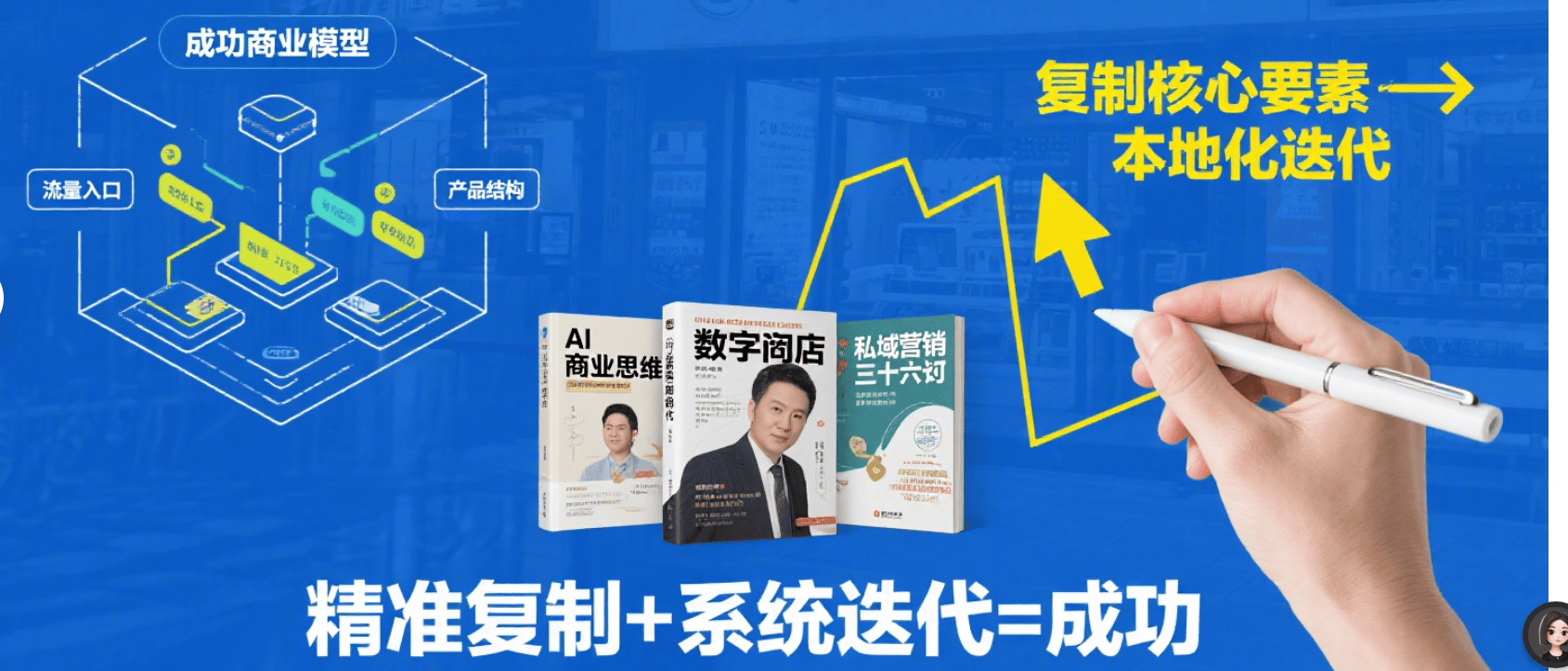
做生意想成功,能“抄袭”就不要去创新
Sou Hu Cai Jing· 2025-07-19 06:03
Group 1 - The essence of success in business is "copying reusable systems" rather than blind innovation, emphasizing the importance of learning from successful models and standardizing them for replication [6][9] - The concept of "private domain thinking" is crucial for managing interpersonal relationships, where trust and user retention are key to business growth [5][9] - Business leaders should act as "system architects" rather than mere executors, focusing on designing efficient operational systems rather than getting involved in every detail [5][9] Group 2 - The initial phase involves mimicking successful brands' product matrices and operational designs, which is akin to reusing successful codes [7] - The innovation phase requires localizing and optimizing the copied models to fit regional preferences and cultural elements [7] - Strategies such as offering small gifts and discounts enhance user engagement and loyalty, reflecting the principles of user lifecycle management [8]