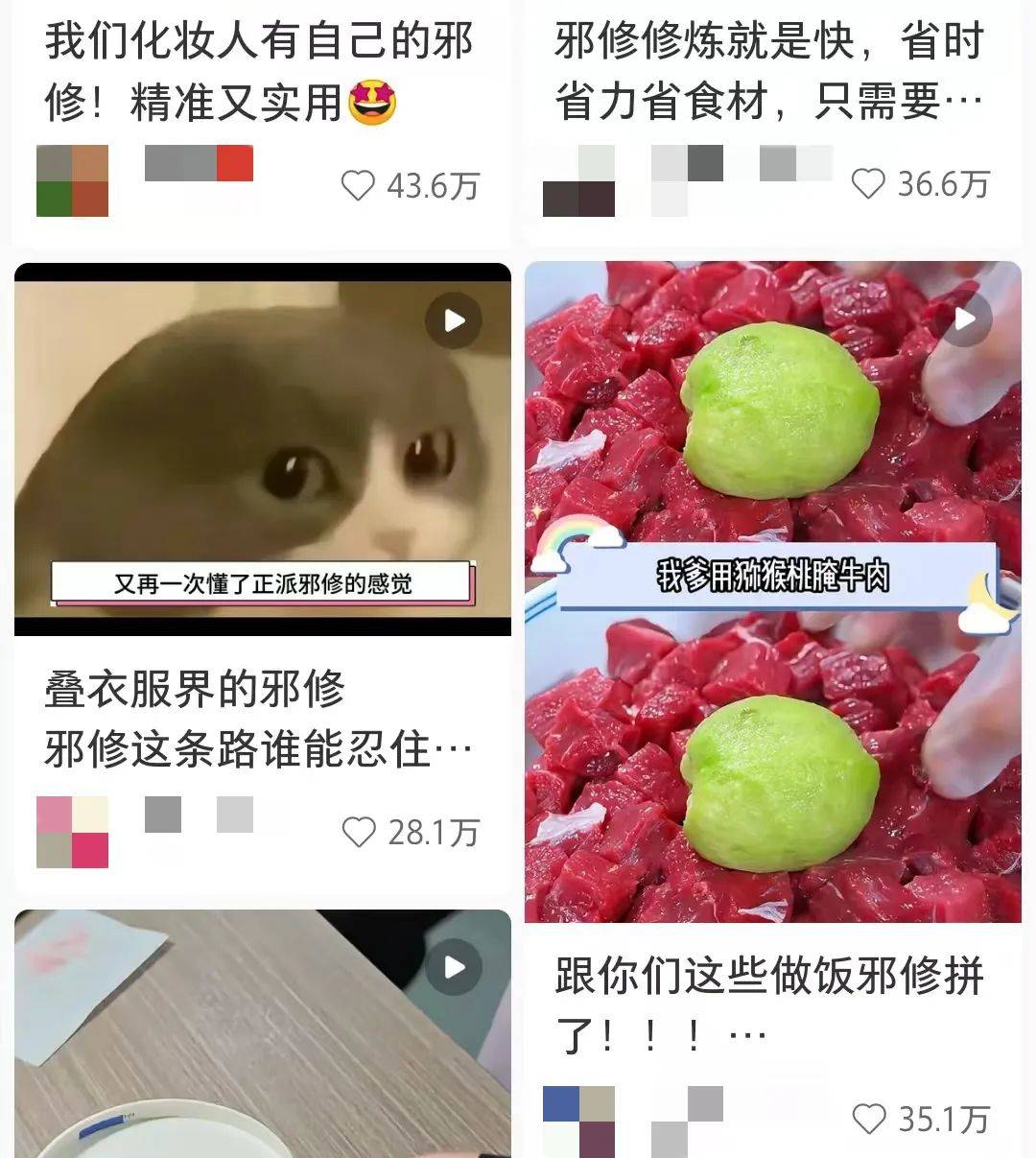
邪修

Search documents
我爱我,但我是谁? | 2025流行文化盘点
Xin Lang Cai Jing· 2025-12-30 03:29
Group 1 - The article reflects on the emotional state of individuals in 2025, highlighting a shift towards self-love and introspection amidst societal pressures and uncertainties [1][2][4] - The concept of "self-love" is emphasized, with individuals encouraged to appreciate their own struggles and imperfections rather than seeking validation from others [6][8][9] - The rise of "situationships" and the use of AI for emotional support indicate a new trend in relationships, where traditional commitments are being redefined [10][13] Group 2 - There is a growing backlash against elite privilege and a desire for grassroots success stories, as seen in the public's reaction to various influencers and their perceived failures [19][20][24] - The narrative around success is shifting, with younger generations questioning the traditional pathways to achievement and expressing skepticism towards the glorification of hardship [24][31] - The emergence of cultural phenomena, such as the popularity of "Labubu" and "邪修," reflects a desire for authenticity and a rejection of conventional success metrics [32][34] Group 3 - The article discusses the impact of cultural exchanges, particularly between China and the West, highlighting the role of social media in bridging gaps and fostering understanding [35][39] - The phenomenon of "China Travel" showcases a new wave of tourism and cultural interaction, driven by changes in visa policies and social media trends [35][40] - The narrative of nostalgia is prevalent, with individuals reminiscing about past cultural moments and expressing a longing for a time when success seemed more attainable [46][57]


全网都在刷“爱你老己”,年底职场人终于学会把自己当人看了
3 6 Ke· 2025-12-29 07:42
Core Insights - The article discusses the emerging trends in the workplace for 2025, focusing on the concepts of "Love Your Old Self" and "Evil Cultivation" as coping mechanisms for young professionals facing workplace pressures and uncertainties [3][8][10]. Group 1: Concepts and Trends - "Love Your Old Self" involves a psychological practice where individuals separate themselves from their current stressors, treating their past selves as a friend who offers understanding and compassion during tough times [4][14]. - "Evil Cultivation" refers to unconventional yet effective methods of addressing life's challenges, such as combining quick meals or balancing indulgence with exercise, reflecting a pragmatic approach to self-care [6][8]. - These concepts are seen as a response to the harsh realities of the job market, where traditional metrics of success are failing, leading individuals to seek internal validation rather than external approval [12][14]. Group 2: Workplace Dynamics - The job market in 2025 is characterized by polarization, with significant disparities in compensation and job security, as highlighted by the contrasting experiences of those receiving substantial year-end bonuses versus the majority facing layoffs and stagnant wages [10][11]. - The shift towards internal validation signifies a broader change in how employees perceive their worth, moving from external recognition to self-acceptance and emotional resilience [14][16]. - The article emphasizes the importance of emotional stability as a core competitive advantage in the evolving workplace, suggesting that high emotional intelligence will be crucial in the AI-driven future [18]. Group 3: Recommendations for Employers - Employers are encouraged to foster psychological safety, allowing employees to express their true selves without fear of judgment, which is more effective than traditional motivational tactics [20][22]. - Providing emotional support and recognition, even in the absence of high financial rewards, is essential for retaining talent and ensuring a motivated workforce [19][20]. - The article advocates for a cultural shift within organizations to accommodate the needs of younger employees, emphasizing respect and understanding as key components of a successful workplace [20][22].
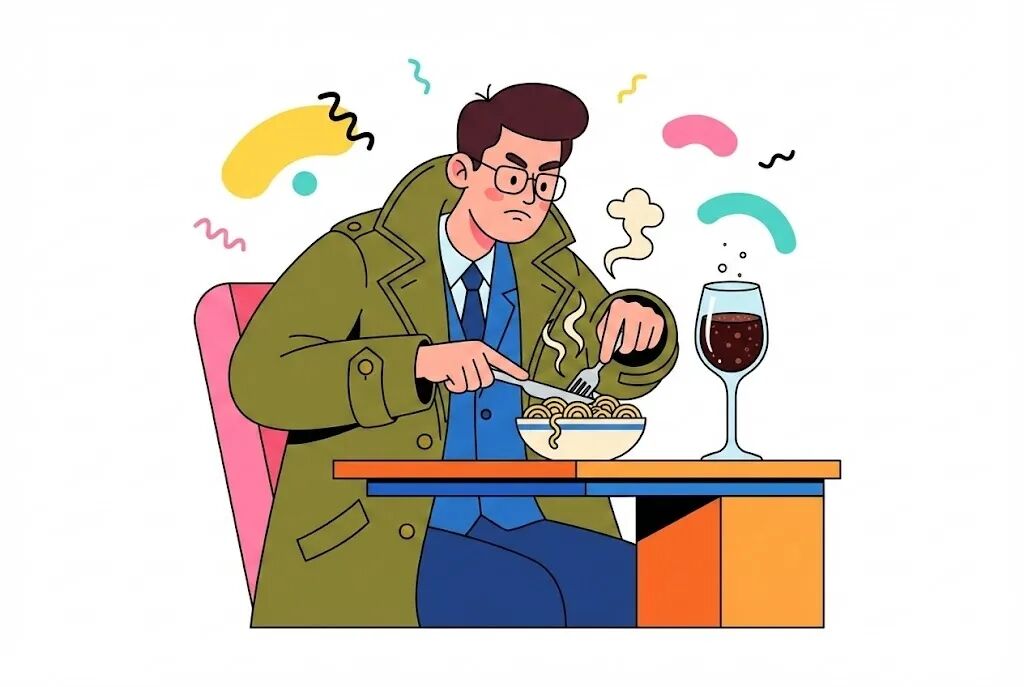
活人感、邪修、中女时代……十大内容趋势读懂2025
3 6 Ke· 2025-12-12 01:47
Group 1 - The core trend in 2025 is the shift towards "human touch" content, where users prefer authentic, imperfect, and relatable narratives over polished presentations [2][7] - Brands are adapting by engaging in more relatable and humorous interactions, moving away from traditional advertising styles [4][6] - The rise of "group broadcasting" has become a significant growth area in the live streaming industry, attracting both influencers and celebrities, and integrating deeply with brand marketing [8][10][14] Group 2 - The concept of "evil practices" has emerged among young people as a form of resistance against societal pressures, reflecting a desire for low-effort, high-reward solutions in their lives [15][17] - The backlash against "elitist" attitudes in marketing and content creation has highlighted the importance of relatability and empathy in communication [25][26] - Video podcasts are gaining traction, evolving from audio-only formats to more immersive visual experiences, catering to diverse audience preferences [26][28] Group 3 - The "Middle-aged Women Era" is reshaping narratives around women aged 30-55, showcasing their independence and multifaceted roles in society [29][31] - The short drama market is experiencing significant growth, with a projected market size of 677.9 billion yuan in 2025, indicating a shift towards more structured and high-quality content [32][34] - The "silver economy" is emerging as a new frontier, with older adults becoming active participants in content creation, reflecting their unique perspectives and needs [41][46] Group 4 - Localized content is gaining prominence, as narratives shift from urban-centric to more diverse and authentic representations of life in smaller towns and rural areas [47][49] - The overarching theme for 2025 is a return to "human-centric" content, emphasizing genuine stories and connections over mere entertainment [50]

内娱进入“邪修”时代
Hu Xiu· 2025-09-03 04:47
Core Viewpoint - The entertainment industry is experiencing a transformation driven by the "evil cultivation" approach, which emphasizes unconventional methods to generate significant online engagement and popularity among artists [1][5][16]. Group 1: "Evil Cultivation" Concept - "Evil cultivation" originally referred to exaggerated and absurd practices in fantasy novels, but has now evolved into a lifestyle attitude characterized by creativity and practicality [5][6]. - This approach aligns well with the flow logic of the entertainment industry, allowing artists to break traditional molds and connect with audiences on a deeper emotional level [7][17]. Group 2: Successful Case Studies - Artists like He Shengming and Yan An have successfully utilized "evil cultivation" tactics to enhance their popularity, with He Shengming turning a past relationship into a viral sensation and Yan An gaining millions of followers through self-deprecating humor [2][11][13]. - The "evil cultivation" persona has enabled these artists to achieve significant career breakthroughs, transforming public perception and increasing their visibility in the industry [15][16]. Group 3: Audience Engagement and Cultural Resonance - The appeal of "evil cultivation" lies in its ability to provide authenticity and relatability, contrasting with the overly polished images of traditional celebrities [17][20]. - This approach resonates particularly well with younger audiences who appreciate humor and irreverence, making it easier for artists to gain traction and foster a sense of community with their fans [19][21]. Group 4: Guidelines for Implementation - To effectively adopt "evil cultivation," artists should embrace controversy with humor, express genuine emotions, and know when to moderate their use of memes to maintain audience engagement [24][25][26]. - The essence of "evil cultivation" is a balance between being relatable and maintaining professional competence, ensuring that artists do not become mere subjects of ridicule [30][31].

当一向正统的中国人,开始沉迷邪修小妙招
虎嗅APP· 2025-08-12 13:50
Core Viewpoint - The article discusses the phenomenon of "邪修" (Xie Xiu), which has gained significant traction in Chinese internet culture, particularly among younger audiences, as a way to simplify complex tasks and achieve quick results in cooking, dieting, and self-improvement [5][14][50]. Group 1: Popularity and Cultural Context - The term "邪修" has been trending on social media, with over 450 million views, indicating its widespread appeal and cultural relevance [6][17]. - It represents a shift in how young people approach traditional practices, favoring shortcuts and simplified methods to achieve results in various aspects of life [12][85]. Group 2: Culinary Innovations - "邪修" in cooking involves unconventional methods and ingredients, such as using fruit juices to marinate meat, which challenges traditional culinary practices [23][30]. - The article highlights various bizarre yet popular cooking techniques that have emerged, showcasing creativity and a desire for efficiency among young cooks [18][34]. Group 3: Broader Implications - The "邪修" trend extends beyond cooking to areas like dieting and fashion, where individuals seek quick fixes and shortcuts to achieve desired outcomes [36][40]. - This phenomenon reflects a broader societal trend where young people are increasingly focused on achieving small successes in everyday tasks as a response to larger life pressures and anxieties [89][90]. Group 4: Criticism and Consequences - While "邪修" offers immediate gratification, it also raises concerns about the long-term effectiveness and potential negative consequences of such shortcuts [65][74]. - Critics argue that this trend promotes a culture of impatience and undermines the value of traditional methods and long-term commitment to personal growth [79][96].

当一向正统的中国人沉迷邪修小妙招
Hu Xiu· 2025-08-12 08:26
Core Viewpoint - The phenomenon of "邪修" (Xie Xiu) has gained significant traction in Chinese internet culture, characterized by shortcuts and unconventional methods in cooking, dieting, and self-improvement, reflecting a broader societal trend towards seeking quick results and instant gratification [1][12][70]. Group 1: Definition and Popularity - "邪修" refers to practices that deviate from traditional methods, often involving shortcuts that are frowned upon by conventional standards, such as using unconventional ingredients or methods in cooking [5][9]. - The term has garnered over 450 million views on social media platforms, indicating its widespread appeal and the fascination it holds for users [1][12]. - The phrase "万物皆可邪修" (Everything can be Xie Xiu) encapsulates the movement's essence, emphasizing simplicity and accessibility in various aspects of life, particularly in cooking [12][29]. Group 2: Culinary Innovations - The movement has led to bizarre culinary practices, such as using fruit juices and unconventional ingredients to prepare traditional dishes, which has shocked many but also intrigued food enthusiasts [18][22]. - Cooking methods have evolved to require minimal effort, with tools like rice cookers being used to prepare multiple dishes simultaneously, showcasing a trend towards efficiency [20][22]. - The results of these methods can be hit or miss, with some users reporting disastrous outcomes, highlighting the risks associated with these shortcuts [54][56]. Group 3: Broader Implications - The "邪修" trend extends beyond cooking to areas like dieting and fashion, where individuals seek quick fixes and instant results, often at the expense of long-term health and well-being [29][31]. - This trend reflects a societal shift where young people, facing economic pressures and a sense of disillusionment, find solace in small achievements through these unconventional methods [70][73]. - The concept of "微光时刻" (micro-moments of achievement) has emerged, representing the small victories that young people seek in their daily lives as they navigate a challenging environment [73]. Group 4: Criticism and Concerns - While many celebrate the creativity and novelty of "邪修," there are growing concerns about the potential long-term consequences of these practices, including health risks and the dilution of traditional skills [62][64]. - Critics argue that the focus on shortcuts may undermine the value of patience and effort, leading to a culture of instant gratification that could have detrimental effects on personal development [65][67]. - The phenomenon has sparked a debate about the balance between efficiency and quality, with some advocating for a return to more traditional methods that emphasize skill and knowledge [69][78].
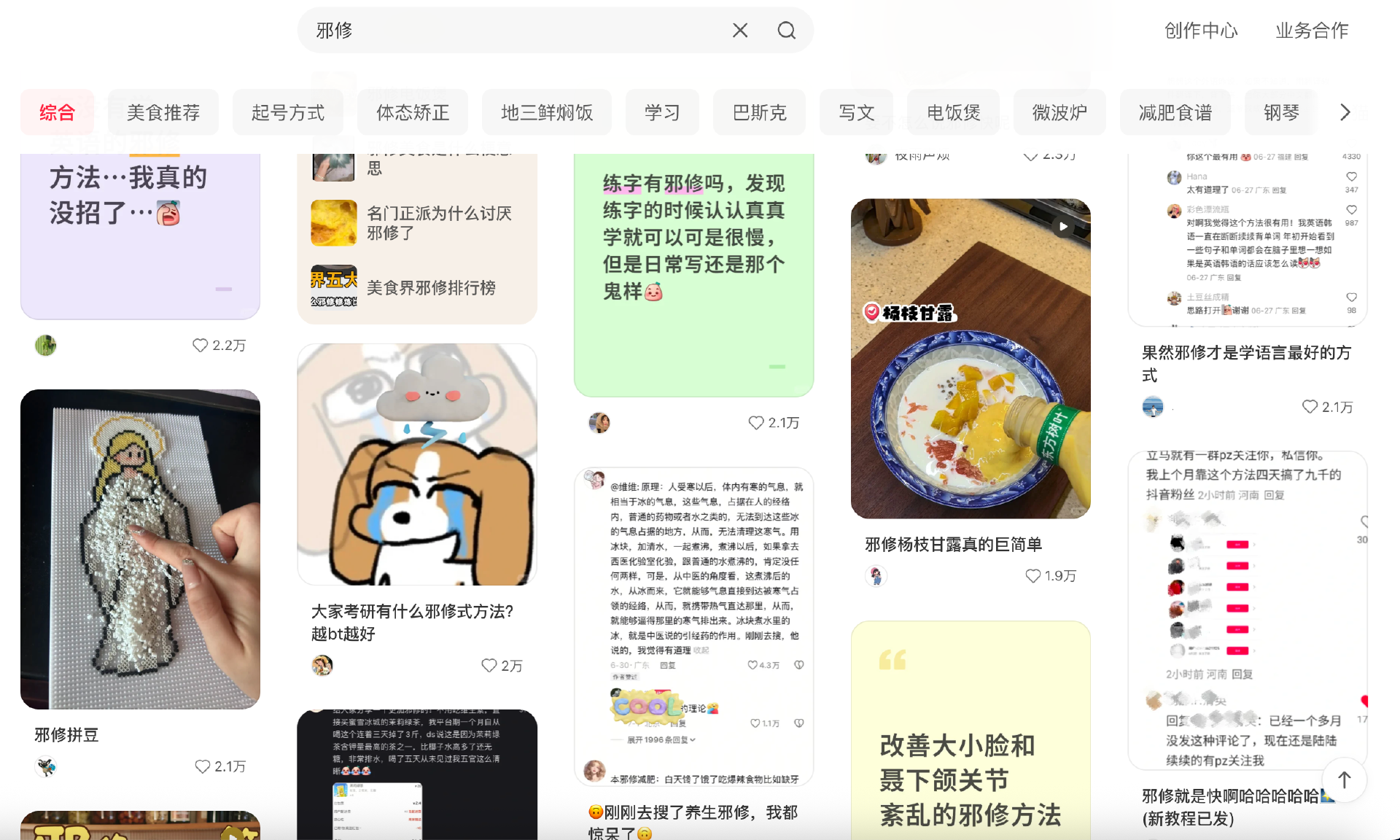
7月,青年有8个小情绪
3 6 Ke· 2025-07-31 08:14
Group 1 - The article discusses the growing importance of emotions in understanding societal conditions, suggesting that emotions often reveal the true state of a time more effectively than hard data like GDP or employment rates [1][2] - It highlights a trend where monthly selections of trending words or phenomena are used to capture the real situations of young people and their interpretations of contemporary life [2] Group 2 - The article describes a fierce competition among major food delivery platforms like Meituan, JD, and Taobao, characterized as one of the largest subsidy wars in China's internet history, with promotions like "0 yuan purchase" [3][4] - It notes that while consumers benefit from low prices, the intense competition leads to negative consequences for merchants and delivery workers, resulting in a cycle of cost-cutting and declining quality [4][5] Group 3 - The phenomenon of "delivery addiction" is explored, where more office workers are taking up food delivery as a side job, initially for fitness and income, but increasingly for the sense of control and fulfillment it provides [6][8] - The article points out a shift in perception of delivery workers, who are now sharing their experiences on social media, breaking away from the traditional narrative of victimhood [8] Group 4 - The article introduces the concept of "Earth Online," likening life to a large online game, reflecting a humorous yet critical view of the absurdities and helplessness felt by young people in their daily lives [9] - It discusses the emergence of "evil cultivation" as a strategy among young people, who are increasingly skeptical of traditional paths to success and are seeking alternative, often unconventional methods to achieve their goals [12][14] Group 5 - The article addresses the ongoing societal issues related to sexual repression, highlighted by recent violent incidents, indicating a culture of violence stemming from unaddressed psychological issues [18][20] - It emphasizes that a society unable to openly discuss sexuality will not eliminate sexual issues but will instead perpetuate cycles of shame and violence [21] Group 6 - The introduction of a nationwide child-rearing subsidy in China is noted, providing 3,600 yuan annually for each child under three, marking a significant step in government support for families [23] - Despite this financial support, many young people remain reluctant to have children, citing systemic societal issues and personal circumstances as barriers to parenthood [23] Group 7 - The article reflects on the nostalgia for the economic upturn period, contrasting it with current challenges, while acknowledging that the past also had its share of social issues, particularly regarding discrimination against women and marginalized groups [25]


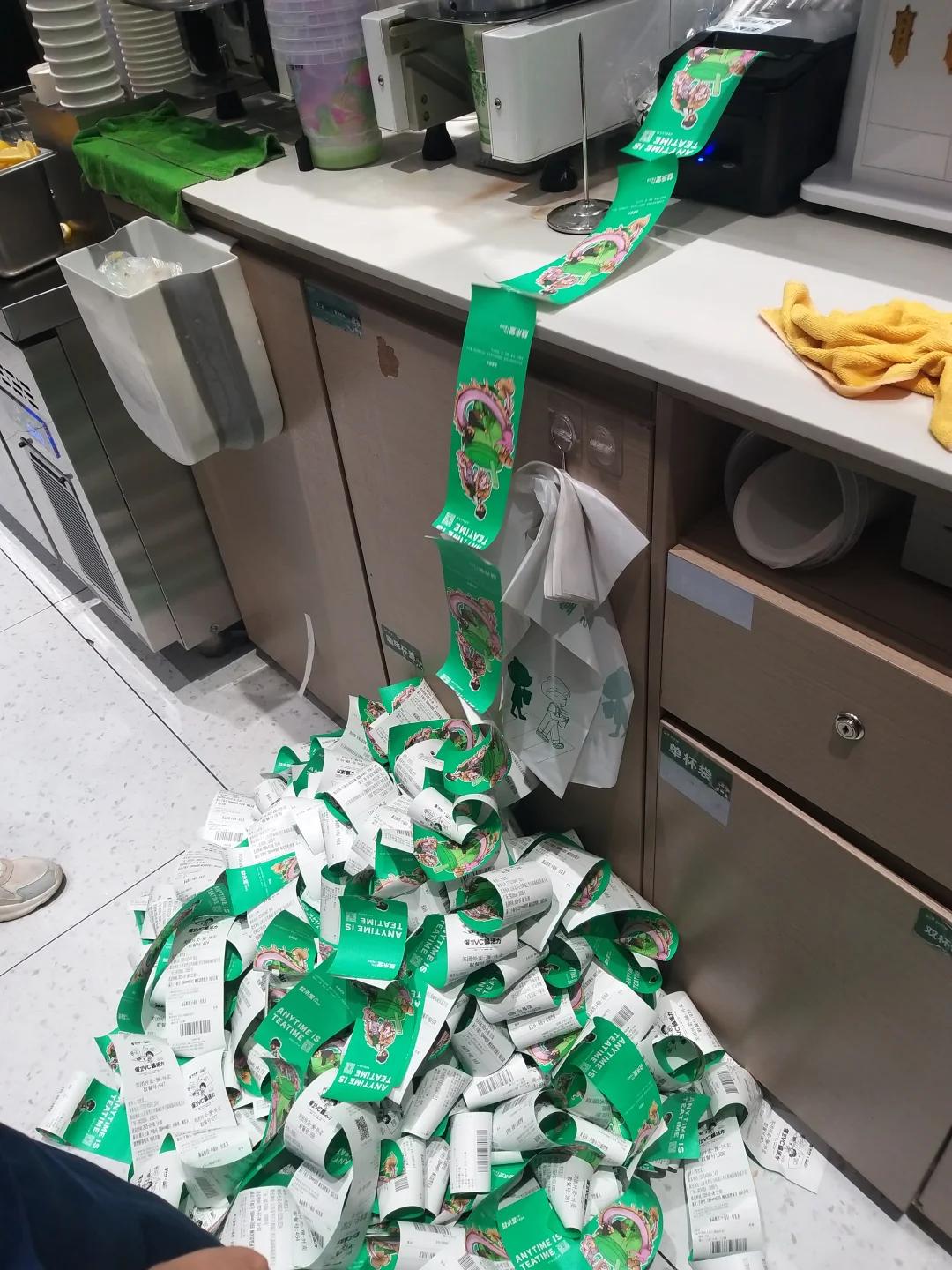
万物皆可“邪修”,年轻人为何脑洞大开?
Hu Xiu· 2025-07-28 00:59
Core Insights - The article discusses the rise of "Xie Xiu," a term derived from fantasy and online culture, which refers to unconventional and sometimes absurd methods to achieve goals efficiently [3][4][19] - "Xie Xiu" reflects a creative resistance to life's uncertainties, allowing young people to navigate challenges with innovative yet low-pressure approaches [9][15][38] Group 1: Definition and Popularity - "Xie Xiu" originated from the concept of practicing unorthodox methods in fantasy literature, now applied to everyday life for achieving various goals [3][4] - The methods associated with "Xie Xiu" have gained popularity due to their effectiveness, as evidenced by user testimonials and shared experiences online [4][13] Group 2: Psychological and Social Aspects - "Xie Xiu" serves as a coping mechanism for young people facing overwhelming pressures and uncertainties in life, providing a sense of agency and control [15][19][46] - The phenomenon fosters social connections among users, creating a shared experience that enhances community engagement and interaction [13][21] Group 3: Practical Applications - Examples of "Xie Xiu" include simplified cooking methods, alternative learning techniques, and creative approaches to fitness and social skills, all aimed at reducing effort while maintaining progress [11][16][17] - The flexibility of "Xie Xiu" allows individuals to redefine success and efficiency, focusing on personal experience and enjoyment rather than strict adherence to traditional methods [20][24] Group 4: Cultural Commentary - The rise of "Xie Xiu" reflects a broader cultural shift away from rigid structures and expectations, as individuals seek personalized paths in an unpredictable world [38][40] - It embodies a form of tactical self-expression, where individuals navigate societal norms and expectations creatively, finding meaning in the process rather than just the outcome [29][32]