爱你老己

Search documents
新春幸福有约,要“爱你老己”,也要为全家铸就终身幸福铠甲
Sou Hu Wang· 2026-01-27 10:08
Core Viewpoint - The article emphasizes the importance of family and self-care during the Spring Festival, highlighting the concept of "Love Yourself" as a guiding principle for long-term planning and care for loved ones, with TaiKang's new life insurance strategy serving as a foundation for this approach [1] Group 1: New Life Insurance Strategy - TaiKang is committed to deepening its "New Life Insurance" strategy, focusing on a triad of "payment + service + investment" to drive high-quality development and align with national financial goals [2] - The "Happiness Agreement" product series embodies this strategy, integrating financial services with everyday needs to create a comprehensive ecosystem for family protection [2][3] - The strategy aims to provide a holistic solution for families throughout their life cycle, incorporating professional medical support and quality elderly care services [2] Group 2: Product Offerings - The "Happiness Agreement" includes various versions tailored to different family needs, ensuring comprehensive coverage and support [3][4] - The Family Version Confirmation Letter serves as a "family protection shield," extending benefits to the insured's family members, ensuring peace of mind for all [3] - The Standard Version focuses on providing lifelong community residency rights, integrating various elderly care services to enhance quality of life [3][4] Group 3: Specialized Versions - The Urban Version offers flexible premium options and guarantees local community residency, allowing individuals to stay close to their roots while accessing quality care [4] - The Care Version addresses the needs of elderly individuals requiring assistance, providing a structured care plan and support for families [4] - The Youth Version aims to secure future residency rights for children, promoting long-term planning for education and wealth accumulation [4][5] Group 4: Family-Centric Approach - The Family Version allows multiple family members to benefit from the same policy, facilitating intergenerational care and support [5][6] - The six versions of the "Happiness Agreement" exemplify TaiKang's customer-centric approach, transforming insurance products into a long-term family care contract [6] - This strategy not only celebrates the joy of family reunions during the Spring Festival but also ensures ongoing support and safety for families throughout their lives [6]
“爱你老己”:构建温暖而富有活力的社会联结
Xin Lang Cai Jing· 2026-01-19 00:39
Group 1 - The core concept of "爱你老己" reflects a new way for youth to engage with life through self-experience, recognition, and action [1] - The term "老己" signifies a self-relationship that resonates with Confucian ideas of self and body, emphasizing the importance of individual actions within social contexts [1][2] - The phenomenon indicates a shift among youth towards self-understanding and emotional support, creating a stable internal dialogue that fosters psychological resilience [2][3] Group 2 - "爱你老己" embodies the potential for individual self-improvement to align with social values, as youth focus on their inner emotions and authentic experiences [3] - This cultural trend generates new meanings and practices that not only support individuals emotionally but also contribute to the evolution of social culture [3][4] - The practice of "爱你老己" evolves into a widely recognized emotional connection, transforming personal emotional regulation into a collective social bond [4][5]
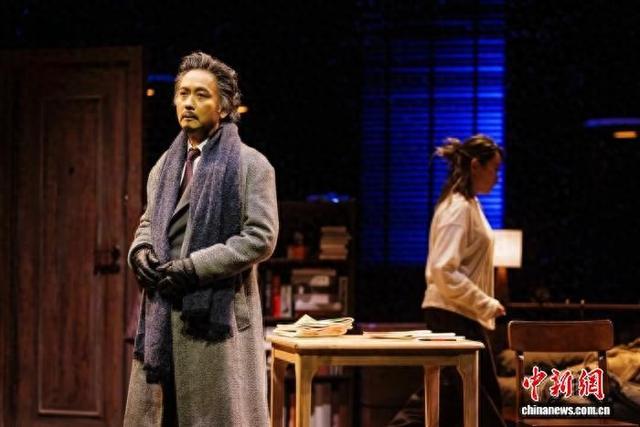
从“孤岛”到“爱你老己” 粤语话剧《Skylight天色》北京热演
Xin Lang Cai Jing· 2026-01-17 10:31
Core Viewpoint - The Cantonese play "Skylight" has successfully premiered in Beijing, showcasing a deep exploration of themes such as love, class, and values through the intense dialogue between the main characters Tom and Kyra, reflecting modern existential questions [2][4]. Group 1: Performance Details - The play "Skylight" is adapted from David Hare's work and features a narrative about a restaurant tycoon, Tom, attempting to rekindle a romance with his former lover, Kyra, after the death of his wife [2]. - The performance lasts nearly two and a half hours, presenting a challenge for the audience due to the dense dialogue, yet it received enthusiastic applause at the end, indicating strong audience engagement [2][3]. - The actors, including renowned Hong Kong actor谢君豪, expressed that this play contains the most lines they have ever performed in their careers, highlighting the demanding nature of the script [1][2]. Group 2: Character Insights - Actor 王菀之, who plays Kyra, interprets her character as a gentle rebellion against materialism, resonating with modern individuals questioning the value of life [2]. - The director, 司徒慧焯, describes the characters as "islands," symbolizing the isolation of modern individuals, while谢君豪 offers a more optimistic perspective, suggesting that despite being isolated, individuals can still love themselves [4]. Group 3: Future Performances - Following the Beijing performances, "Skylight" is scheduled to continue its tour in Zhuhai and Foshan, indicating a broader reach for the production [4].

爱你老己,当奋斗叙事失效,一场向内生长的万亿经济悄然开启
3 6 Ke· 2026-01-12 03:40
Core Viewpoint - The emergence of the phrase "love you, old self" reflects a significant shift in collective sentiment among the younger generation, moving from a narrative of striving for success to one of self-acceptance and care [4][20]. Group 1: Evolution of Self-Love - The phrase "love you, old self" is a rephrasing of a line from the game "League of Legends," transforming self-love from a narcissistic act into a warm, equal dialogue with oneself [2][3]. - This new concept signifies a departure from the previous narrative of self-reward through consumption, which was based on the belief that hard work would yield success [5][6]. - The current sentiment indicates that despite efforts, success is no longer a guaranteed outcome, leading to a need for self-care rather than self-reward [7][8]. Group 2: The "Old Self" Economy - The "old self" economy represents a shift towards a consumption model focused on self-care and emotional well-being, rather than external validation [9][10]. - Consumers are increasingly spending on experiences and products that provide immediate comfort and joy, such as mindfulness apps, relaxation tools, and personal hobbies [9][12]. - This new consumption logic emphasizes the importance of the present self, moving away from the previous focus on future aspirations and societal comparisons [10][18]. Group 3: Structural Changes in Consumption - The traditional consumption model was driven by external validation and social comparison, often leading to anxiety [11][12]. - The "old self" economy flips this model, focusing on internal needs and self-care, where purchases are made for personal satisfaction rather than social status [12][13]. - There is a growing trend towards valuing experiences over material possessions, with consumers seeking products that enhance their emotional state rather than fulfill functional needs [14][16]. Group 4: Future Market Implications - The future consumer market is likely to prioritize stability and self-acceptance over anxiety and competition, reflecting a collective awakening to the importance of the present self [20][21]. - Brands will need to adapt by embracing the realities of everyday life rather than promoting unattainable ideals of success [21][22]. - This shift suggests a potential decline in marketing strategies that induce anxiety, favoring those that provide comfort and emotional support [21][22].

“爱你老己”:最热的梗,也是最坚韧的力量
Xin Lang Cai Jing· 2026-01-11 21:21
Core Idea - The phrase "I love you, old self" has become a cultural phenomenon, symbolizing self-compassion and emotional healing in a fast-paced, high-pressure society [1][2]. Group 1: Cultural Significance - "I love you, old self" serves as a reminder for self-acceptance and emotional release, encouraging individuals to treat themselves with kindness [2][3]. - The phrase reflects a collective emotional response, resonating with the struggles of modern life, where individuals often face self-criticism and societal pressures [1][3]. Group 2: Emotional and Psychological Impact - The concept promotes self-care through simple acts of kindness, such as enjoying small pleasures in daily life, rather than relying on material rewards [2][4]. - It emphasizes the importance of self-reflection and understanding one's true desires amidst societal expectations, fostering a healthier relationship with oneself [3][5]. Group 3: Social Responsibility - "I love you, old self" is not merely about self-indulgence; it encourages individuals to extend kindness to others and engage with the community [4][5]. - The phrase highlights the interconnectedness of self-love and compassion for others, suggesting that true self-care involves a broader social awareness [5][6]. Group 4: Caution Against Commercialization - There is a concern that the phrase may be co-opted by consumerism, reducing its meaning to mere material rewards rather than genuine self-care [4][6]. - The potential for the phrase to be trivialized into superficial acts of self-reward is a warning against losing its deeper significance [4][6].
“爱你老己”:带着稳固的自我走向广阔世界
Xin Lang Cai Jing· 2026-01-06 17:29
Core Insights - The phrase "I love you, old self" has become a cultural phenomenon among youth, reflecting a shift towards self-awareness and self-love in the context of societal pressures [1][2] - This expression serves as a means for young individuals to reconcile with themselves, promoting a healthier self-dialogue and reducing self-criticism [2][4] Group 1: Cultural Context - "I love you, old self" emerged as a response to the increasing isolation in modern society, acting as an emotional anchor for individuals [4] - The phrase emphasizes the importance of self-respect and recognition of individual value, reminding people to care for themselves while considering others [4] - It reflects a broader cultural shift where individuals are encouraged to appreciate their current state rather than waiting for future achievements to validate their worth [4][5] Group 2: Psychological Implications - The phrase connects love with self-acceptance, highlighting that self-love can be a source of strength and nourishment [2][3] - It encourages individuals to acknowledge their needs and desires, fostering a proactive approach to self-care rather than waiting for external validation [3] - The dialogue initiated by "I love you, old self" allows individuals to view their challenges from a more detached perspective, facilitating self-forgiveness and acceptance [2][3]
爱你老己 共赴新程
Xin Lang Cai Jing· 2026-01-01 18:45
Core Viewpoint - The phrase "爱你老己" (Love Yourself) symbolizes a gentle awakening of individual consciousness in modern society, emphasizing the importance of self-care and personal value in the context of urban development and governance in Shenyang [3]. Group 1: Urban Development Philosophy - Shenyang's urban development reflects a dialectical unity of "hardcore" and "warmth," focusing on the balance between abstract entities and the individual lives that constitute them [1]. - The city's governance philosophy is shifting from managing objects to serving subjects, prioritizing individual experiences over mere scale [3]. - The development aims to create a supportive ecosystem that allows individuals to find their place and realize their value within the city [3]. Group 2: Contributions of Individuals - The "skeleton" of the city is forged by the collective will of its residents, with advancements in high-end equipment and intelligent manufacturing being the result of individual efforts and creativity [2]. - The "texture" of the city is softened by attentiveness to the needs of its residents, with improvements in living conditions and public amenities enhancing the overall quality of life [2]. - The "spirit" of the city is rejuvenated through the emotional recognition and cultural contributions of its people, fostering a sense of cultural confidence and identity [2]. Group 3: Future Directions - The year 2026 is seen as a pivotal moment for Shenyang to translate the human-centered philosophy of "爱你老己" into systematic actions, focusing on modernizing the workforce and enhancing individual creativity [4]. - The city aims to create a "happiness map" that prioritizes the well-being and security of its residents, ensuring that development is both dynamic and warm [4]. - Shenyang seeks to build an inclusive environment that welcomes talents from around the world, expanding the concept of "老己" to include all who strive and live in the city [4]. Group 4: Cultural Identity - The city will cultivate a shared spiritual community by exploring and innovating expressions of its unique historical and industrial heritage, transforming culture from mere scenery into a vital part of daily life [4]. - The essence of a great city lies not in its buildings but in the collective pride and stories of its residents, which contribute to a vibrant urban identity [4].
青平:“爱你老己,明天见”何以走红?
Xin Lang Cai Jing· 2025-12-31 14:50
Core Insights - The phrase "I love you, old self" has gained popularity among young people as a form of self-encouragement, reflecting their desire for self-acceptance amidst societal pressures [1][2][3] - The trend signifies a shift in how young individuals interact with themselves, moving from self-criticism to a more compassionate and friendly approach [2][3] Group 1: Social Media Impact - The phrase originated from a gaming line and evolved into a relatable expression of self-love, resonating with the experiences of young people [1] - The demographic of participants engaging with the trend shows that 45% are aged 24-30 and 23% are aged 18-23, indicating a strong presence among younger adults [2] Group 2: Psychological Insights - Psychologists note that referring to oneself as "old self" helps reduce internal conflict and promotes a more relaxed form of self-care [2] - This approach allows individuals to maintain a balanced mindset under pressure, contrasting with more aggressive self-motivation techniques [2] Group 3: Societal Reflection - The popularity of "I love you, old self" reflects a broader societal trend where individuals seek to cultivate resilience and acceptance in the face of challenges [3] - As more people engage in this form of self-dialogue, it contributes to building a more inclusive social network that values diverse growth experiences [3]
全网都在刷“爱你老己”,年底职场人终于学会把自己当人看了
3 6 Ke· 2025-12-29 07:42
Core Insights - The article discusses the emerging trends in the workplace for 2025, focusing on the concepts of "Love Your Old Self" and "Evil Cultivation" as coping mechanisms for young professionals facing workplace pressures and uncertainties [3][8][10]. Group 1: Concepts and Trends - "Love Your Old Self" involves a psychological practice where individuals separate themselves from their current stressors, treating their past selves as a friend who offers understanding and compassion during tough times [4][14]. - "Evil Cultivation" refers to unconventional yet effective methods of addressing life's challenges, such as combining quick meals or balancing indulgence with exercise, reflecting a pragmatic approach to self-care [6][8]. - These concepts are seen as a response to the harsh realities of the job market, where traditional metrics of success are failing, leading individuals to seek internal validation rather than external approval [12][14]. Group 2: Workplace Dynamics - The job market in 2025 is characterized by polarization, with significant disparities in compensation and job security, as highlighted by the contrasting experiences of those receiving substantial year-end bonuses versus the majority facing layoffs and stagnant wages [10][11]. - The shift towards internal validation signifies a broader change in how employees perceive their worth, moving from external recognition to self-acceptance and emotional resilience [14][16]. - The article emphasizes the importance of emotional stability as a core competitive advantage in the evolving workplace, suggesting that high emotional intelligence will be crucial in the AI-driven future [18]. Group 3: Recommendations for Employers - Employers are encouraged to foster psychological safety, allowing employees to express their true selves without fear of judgment, which is more effective than traditional motivational tactics [20][22]. - Providing emotional support and recognition, even in the absence of high financial rewards, is essential for retaining talent and ensuring a motivated workforce [19][20]. - The article advocates for a cultural shift within organizations to accommodate the needs of younger employees, emphasizing respect and understanding as key components of a successful workplace [20][22].
爱你“老己”,是年末最好的收尾
Xin Lang Cai Jing· 2025-12-28 00:56
Core Viewpoint - The phrase "I love you, old self, see you tomorrow" has gained popularity as a humorous and heartfelt expression among young people, emphasizing self-acceptance and care [1][3][8]. Group 1: Cultural Significance - The phrase is a playful adaptation of a game line, showcasing creativity in language and humor among internet users [3]. - It reflects a growing trend of self-compassion, where individuals acknowledge their own efforts and struggles, often overlooked in the hustle of daily life [5][8]. Group 2: Emotional Resonance - The expression serves as a reminder to treat oneself with kindness, especially in challenging times, reinforcing the idea that self-love is essential [8][10]. - The second part of the phrase, "see you tomorrow," conveys a simple yet profound commitment to oneself, suggesting hope and continuity despite life's difficulties [10][13]. Group 3: Personal Reflection - As the year ends, individuals are encouraged to reflect on their journeys and recognize their efforts, regardless of external achievements [13][15]. - The phrase encapsulates a message of self-acknowledgment, highlighting that perseverance and self-care are valuable in the pursuit of personal growth [13].