金融核弹

Search documents
欧洲会因乌克兰与美国展开经济战争吗?
Sou Hu Cai Jing· 2025-12-02 13:33
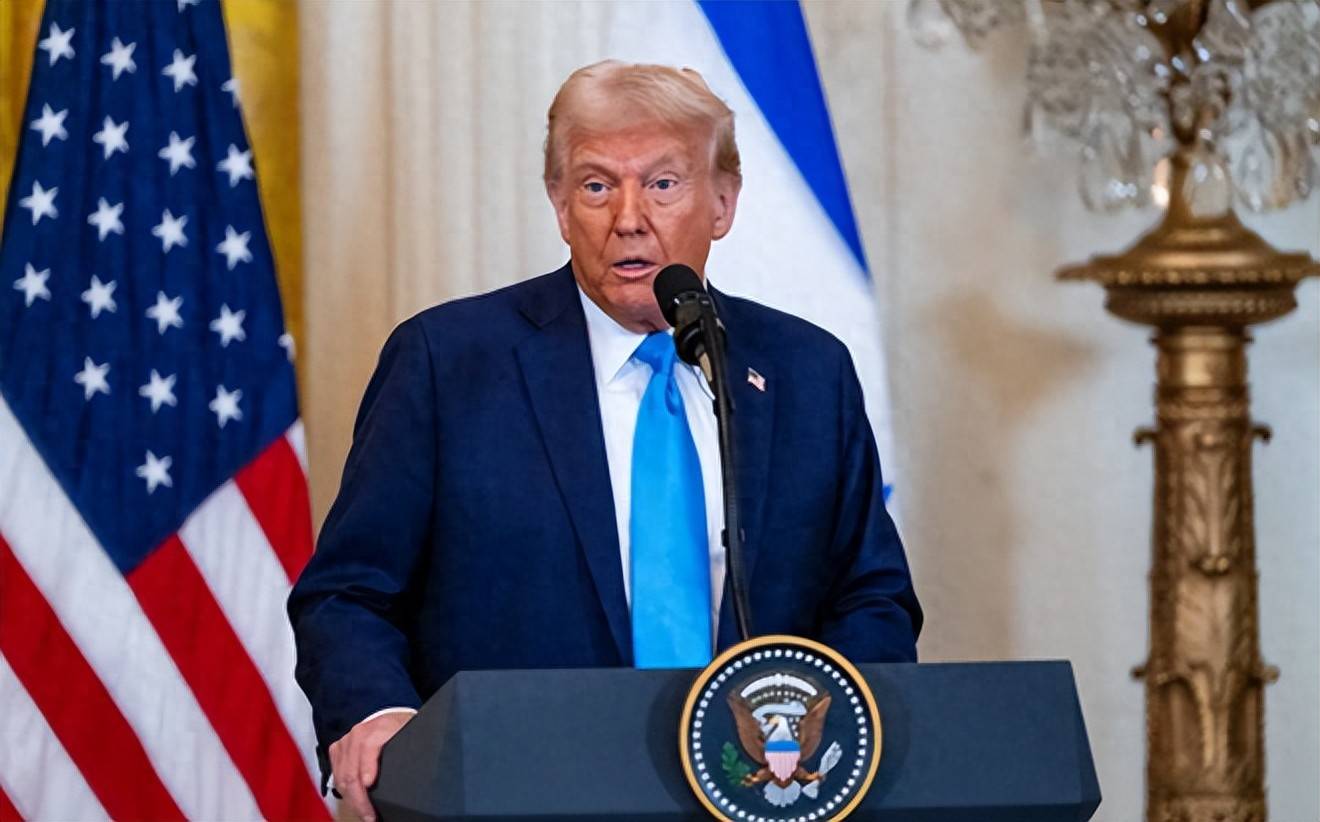
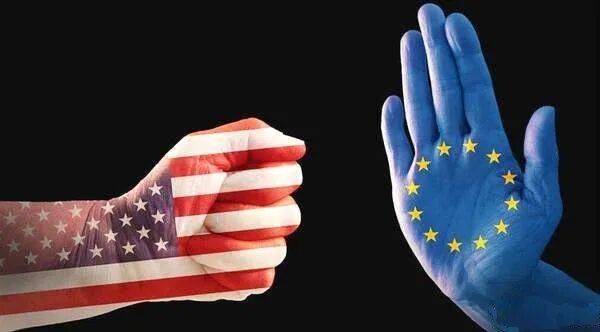
在俄乌冲突即将步入第四年、美国政治格局剧烈波动、欧洲安全感显著崩塌的背景下,一个此前几乎难以设想的议题正被推向舆论前沿: 如果特朗普为谋求私利与普京达成交易、不惜牺牲乌克兰,欧洲是否将抛售美国国债,从而对美国发动一场真正意义上的"经济战"? 这一问题的表层是地缘政治博弈,其深层却指向一个更为尖锐的现实: 站在"美欧同盟"与"自主道路"的十字路口,欧洲究竟还保留多少战略自主性? 本文认为: 欧洲可能会高调"威胁"使用金融武器,但实际孤注一掷对美国发动经济战的概率极低。 真正值得关注的,并非一次性"核打击",而是欧洲在未来数年中可能持续推进的对美渐进式"软脱钩"。 这一趋势,才是对美国霸权最致命且最现实的长期挑战。 以下从五个方面展开论述: 一、特朗普欲把乌克兰作为与俄罗斯交易获取利益的筹码 要理解欧洲为何放风"考虑抛售美债",需先厘清当前战略棋局中的三方态势: 1,俄罗斯正深陷战争泥潭。 为维持军事行动,2026年预算中计划投入1660亿美元,占财政总支出三分之一以上,比例达苏联解体以来峰值。迫于财政压力,俄政府已 采取削减福利、增税和加征各类费用等措施。 战争之所以得以持续,部分得益于能源出口收入,但国内经济 ...

美国尚有后手,不给稀土就动金融核弹?新加坡劝告中方:勿反抗
Sou Hu Cai Jing· 2025-10-23 19:49
Group 1 - The U.S. is escalating trade tensions with China, threatening to raise tariffs to 155% if a fair trade agreement is not reached, but this could harm the U.S. more than China due to changes in trade structure [2] - The U.S. is attempting to build a rare earth supply chain with Australia, investing billions, but the timeline and feasibility of achieving independence from China in this sector are questioned [4][7] - The U.S. reliance on China for aircraft parts is significant, with over 1,800 Boeing planes in China, and any supply cuts could backfire on U.S. companies like Boeing [5] Group 2 - Singapore's advice to China to avoid a self-sufficient development path suggests a bias, as it benefits from its own self-sufficiency initiatives while advising China against similar strategies [8] - The concept of the U.S. using a "financial nuclear option" against China is challenged by the reality of the U.S. financial system's vulnerabilities, including a downgraded credit rating and increasing national debt [9][10] - China's industrial system is robust, making complete decoupling unrealistic, and it is advancing in key technology sectors, which positions it well against U.S. pressures [11]
美国还有杀招,不给稀土就放金融核弹?新加坡劝告中方:别还手
Sou Hu Cai Jing· 2025-10-23 11:26
Core Viewpoint - The trade war between the US and China has escalated beyond simple retaliatory measures, involving core resources and the global financial system, with the US employing high tariffs, technology blockades, and potential financial sanctions to pressure China, while China counters with its rare earth resources [1][12]. Group 1: Tariffs and Economic Impact - The US has threatened to increase tariffs on Chinese goods to 155%, but such threats have become routine and are often met with market indifference, indicating that the real impact may be more political than economic [3]. - The agricultural sector in the US has already suffered losses exceeding $27.5 billion due to tariffs, with American households facing an additional $800 per year in inflation costs [3]. - The potential for further tariff increases could exacerbate these economic pressures, suggesting that the US's aggressive stance may backfire [3]. Group 2: Technology and Manufacturing - The US has restricted exports of aircraft parts to China, aiming to hinder its high-end manufacturing capabilities, but this could also harm US companies like Boeing, which relies heavily on the Chinese market [5]. - China has the option to shift its aircraft orders to domestic manufacturers or European competitors, potentially accelerating its own aviation industry independence [5]. Group 3: Rare Earth Resources - The US and Australia are attempting to develop a rare earth supply chain, but the complexity of processing these materials means that the US is starting from scratch, while China currently dominates the market, supplying 75% of rare earth magnets [5][6]. - Any restrictions on China's rare earth exports could significantly impact US military production, as evidenced by a reduction in F-35 aircraft output [5]. Group 4: Financial Warfare - The term "financial nuclear bomb" has resurfaced, with suggestions that the US could exclude China from the SWIFT financial system, which would have severe repercussions not only for China but also for the US [6][9]. - Historical precedents show that while financial sanctions can be powerful, they often have significant collateral damage, potentially destabilizing the global financial system [6][9]. Group 5: Strategic Responses - Singapore has advised China against a complete decoupling from the US, reflecting concerns about the economic fallout for smaller nations caught in the crossfire [11][12]. - The ongoing trade war has evolved into a strategic contest, where the ability to withstand pressure and maintain stability is crucial for both sides [14][16]. - China's approach focuses on self-reliance in technology, diversifying trade partnerships, and preparing for potential financial isolation, indicating a long-term strategy rather than immediate retaliation [16][17].