
餐饮供应链创新

Search documents
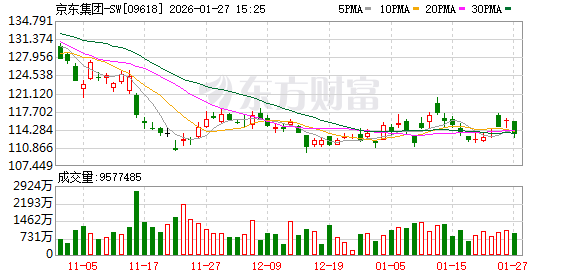
京东旗下七鲜小厨“落地”广州等五城,开启全国化布局新阶段
Guang Zhou Ri Bao· 2026-01-27 07:24
Core Insights - JD's Qixian Kitchen has officially launched in Guangzhou, marking a significant step in its nationwide expansion after opening 30 stores in Beijing within four months and its first store in Harbin [2] - The brand, which focuses on fresh and healthy dining, has three core selling points: fresh stir-fried dishes that are not overnight, full disclosure of brand ingredients, and 24-hour live streaming from the kitchen [2] - A promotional campaign offering free chocolate with orders led to over 20,000 daily orders in Beijing during December [2] Expansion Strategy - Qixian Kitchen has initiated a nationwide partner recruitment plan to deepen its presence in key urban clusters, specifically the Beijing-Tianjin-Hebei, Yangtze River Delta, and Pearl River Delta regions [2] - The company aims to establish a presence in all first- and second-tier cities in China by the end of 2026, providing fresh and healthy meals to a broader market [2] Promotional Activities - A themed promotional event titled "Laba Naxian Fushi Shishi Jie 'Zhou'" is being held from January 25 to January 27, offering free congee and rice with orders during specific times [2] - The event aims to distribute a total of 60,000 portions of the promotional items across five cities over three days [2]


超6.6万份餐品报名,餐饮商家为什么被七鲜小厨圈粉?
Sou Hu Cai Jing· 2025-08-04 13:09
Core Viewpoint - The end of "0 yuan purchase" in food delivery signifies a shift in competition towards supply chain efficiency and quality rather than price wars [2][15]. Group 1: Market Dynamics - Major players like Meituan, Taobao, and JD have agreed to avoid selling products and services at prices significantly below cost, aiming to curb malicious competition [2]. - The food delivery market has seen a doubling of daily orders to over 200 million this year, primarily driven by substantial subsidies that shifted purchasing power from dine-in to delivery [2][5]. - The competition is transitioning from price wars to value competition, with a focus on supply chain innovation and user experience [15][16]. Group 2: JD's New Business Model - JD's "Qixian Xiaochu" (Seven Fresh Kitchen) aims to establish a new business model distinct from Meituan, with plans to open 10,000 stores in three years [3][13]. - The model emphasizes a "no dine-in" approach, targeting areas with high ghost kitchen orders, and aims to enhance food safety and cost-effectiveness [4][5]. - The partnership model allows individual chefs and small businesses to collaborate with JD, providing them with a platform to sell standardized products without the burden of expansion risks [8][12]. Group 3: Supply Chain Innovation - Seven Fresh Kitchen's supply chain strategy includes centralized procurement and standardized food preparation, which can reduce food waste and ensure quality [11][12]. - The model is designed to maintain competitive pricing while ensuring food safety, aiming to replace ghost kitchens that often compromise on quality [10][11]. - JD's investment in this model is seen as a significant innovation in the food delivery supply chain, potentially reshaping the industry landscape [10][15]. Group 4: Industry Implications - The emergence of Seven Fresh Kitchen may compel traditional restaurants to differentiate themselves through improved service and unique offerings [15][16]. - The shift towards a supply chain-driven approach in the restaurant industry is expected to challenge low-quality, low-price business models, promoting higher standards in food safety and customer experience [15][16]. - If successful, this model could not only enhance JD's position in the food delivery market but also provide stable traffic for its main e-commerce platform [15].

京东七鲜小厨首周日均订单超千单,承诺三不原则保障商家权益
Cai Jing Wang· 2025-07-30 05:42
Core Viewpoint - JD.com has launched a new restaurant supply chain initiative called "Qixian Xiaochu," emphasizing that it will not allow merchants to incur losses and will not compete with restaurants [1] Group 1: Company Initiatives - JD.com has introduced the "Qixian Xiaochu" platform, which aims to innovate the restaurant supply chain [1] - The platform has seen significant interest, with over 66,000 applications for "dish partners" in its first week [1] - The first store of Qixian Xiaochu achieved an average of over 1,000 daily orders in its opening week [1] Group 2: Market Impact - The three-day repurchase rate for Qixian Xiaochu is 220% higher than the industry average, indicating strong customer retention [1] - The platform's operations have positively influenced nearby restaurants, leading to a 12% increase in overall orders within a 3-kilometer radius [1]

京东七鲜小厨:绝不让商家亏损、绝不为幽灵外卖粉饰遮羞
Zhong Guo Jing Ying Bao· 2025-07-30 03:36
Core Insights - JD's "Qixian Xiaochu" platform has successfully recruited over 66,000 applications in its first week, indicating a strong market expectation for innovation in the restaurant supply chain [1] - The initiative aims to address food safety concerns and eliminate "ghost kitchens" from the market, marking a significant supply chain model innovation in the food delivery sector over the past 15 years [1] Group 1: Business Model and Strategy - The core of the model is a symbiotic relationship with merchants and chefs, where JD covers rent, labor, and operational costs, allowing partners to focus on dish development and quality ingredient supply chain [2] - JD commits to ensuring that partner merchants do not incur losses and aims to revitalize the industry by providing quality and affordable food options [2] Group 2: Market Impact and Performance - The first store of Qixian Xiaochu achieved an average of over 1,000 daily orders in its first week, with a repurchase rate 220% higher than the industry average, validating its "good and cheap" positioning [1] - The platform's traffic has positively impacted surrounding restaurants, leading to a 12% month-on-month increase in overall orders within a 3-kilometer radius [1]
京东七鲜小厨首周日均单量超1000,带动商圈餐厅订单增长
Nan Fang Du Shi Bao· 2025-07-30 03:04
Core Insights - JD's "Qixian Xiaochu" has launched a "Dish Partner" recruitment initiative, receiving over 66,000 applications in its first week, indicating strong market demand for innovation in the food supply chain [1] - The initiative aims to address food safety concerns and eliminate "ghost kitchens" from the market, marking a significant supply chain model innovation in the food delivery sector [1] - JD plans to hold a national "Dish Partner" selection competition to identify "champion recipes," addressing challenges faced by small and medium-sized businesses and the transmission of culinary skills [1] Group 1 - The first store of Qixian Xiaochu achieved over 1,000 daily orders in its first week, with a repurchase rate 220% higher than the industry average, validating its positioning as "good and affordable" [1] - The initiative has positively impacted surrounding restaurants, with a 12% increase in overall orders within a 3-kilometer radius, promoting regional collaboration in the food industry [1] Group 2 - On July 22, JD announced a 1 billion cash investment to recruit partners for 1,000 signature dishes, targeting both restaurant brands and individual chefs [2] - Under the new supply chain model, partners only need to provide recipes and participate in development, while Qixian Xiaochu handles cooking and quality control, selling through delivery and pickup [2] - JD's approach to the food delivery supply chain emphasizes a commitment to social responsibility, with the company covering rent, labor, and operational costs, allowing restaurant partners to focus on recipe development [2]
七鲜小厨首店开业一周日均单量1000+,在北京招募场地合作方
Qi Lu Wan Bao· 2025-07-30 02:54
Core Insights - JD's "Qixian Xiaochu" platform has seen over 66,000 applications for its "Dish Partner" recruitment in the first week, indicating strong market expectations for innovation in the food supply chain [1] - The initiative aims to address food safety concerns and eliminate "ghost kitchens" from the market, marking a significant supply chain model innovation in the food delivery sector over the past 15 years [1] Group 1 - The first store of Qixian Xiaochu achieved an average of over 1,000 daily orders in its first week, with a 3-day repurchase rate exceeding the industry average by 220%, validating its "good and cheap" positioning [3] - The model promotes a symbiotic relationship with merchants and chefs, where JD covers rent, labor, and operational costs, allowing partners to focus on dish development and quality ingredient supply chain collaboration [3] - JD emphasizes that it will not allow partner merchants to incur losses and will not exploit the platform to benefit "ghost kitchens" [3] Group 2 - JD highlights that the food delivery market has been trapped in a "bad money drives out good" dilemma for the past 15 years, and its ongoing innovations are revitalizing the industry [4] - The implementation of the Qixian Xiaochu cooperative model is expected to help consumers access quality and affordable food while enabling quality dining merchants to increase sales [4] - The service commitment of "good and cheap" is being actively practiced through this initiative [4]
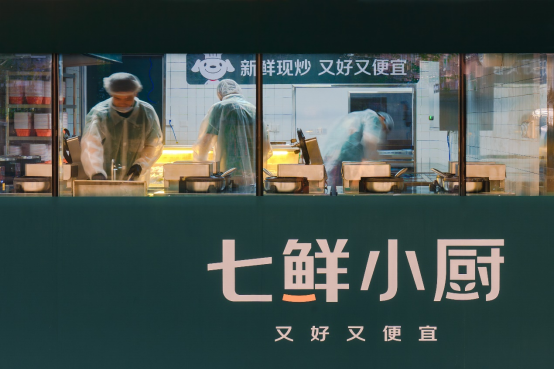
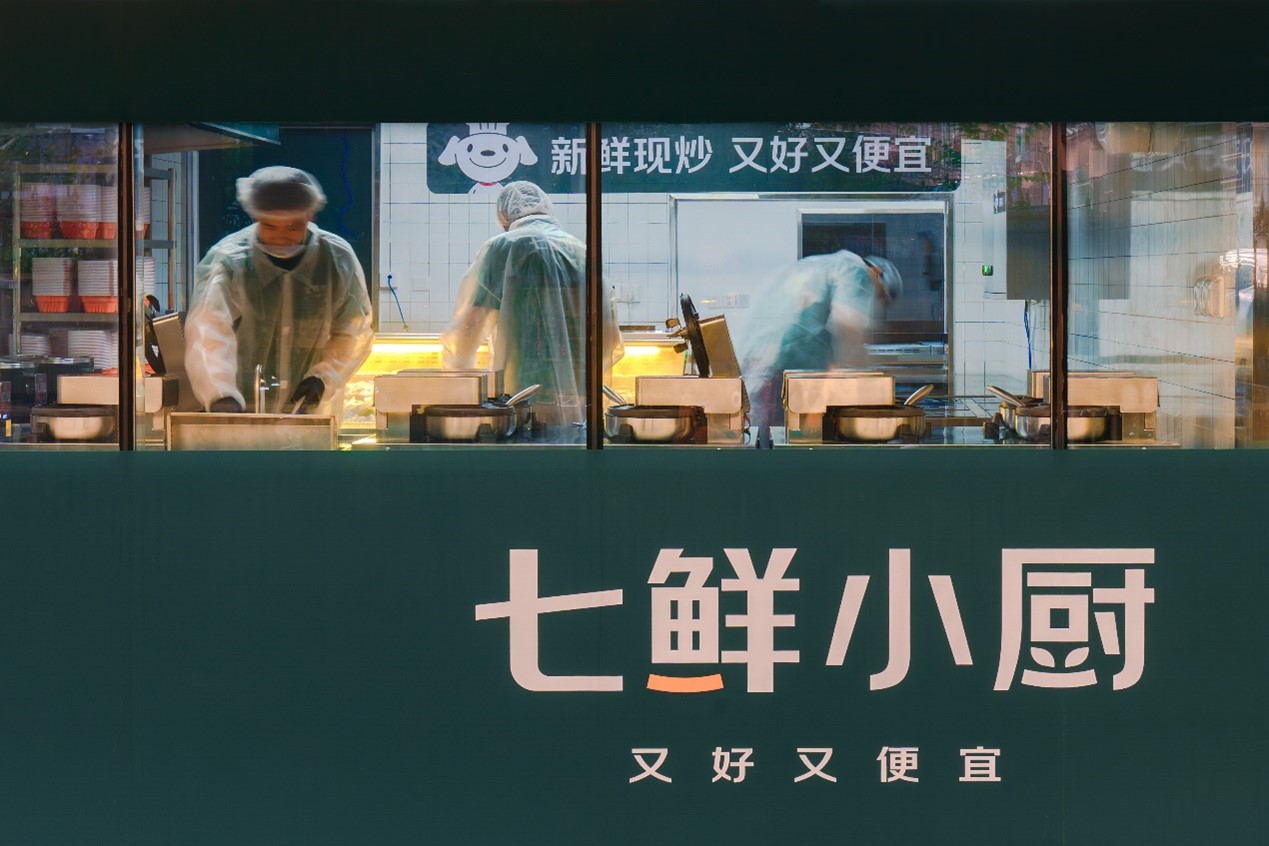
京东“菜品合伙人”收到超6.6万份报名,七鲜小厨首店上线一周:日单1000+、复购率高于行业220%、商圈订单增长12%
Zhong Jin Zai Xian· 2025-07-30 01:47
Core Insights - JD's "Qixian Xiaochu" platform has received over 66,000 applications in its first week for the "Dish Partner" recruitment, indicating a strong market expectation for innovation in the food supply chain [1] - The initiative aims to address food safety concerns and eliminate "ghost kitchens" from the market, marking a significant supply chain model innovation in the food delivery sector over the past 15 years [1][5] Group 1 - The first store of Qixian Xiaochu achieved an average of over 1,000 orders per day in its first week, with a 3-day repurchase rate exceeding the industry average by 220%, validating its positioning of "good and cheap" [3] - The model promotes a symbiotic relationship with merchants and chefs, where JD covers rent, labor, and operational costs, allowing partners to focus solely on dish development and quality ingredient supply chain collaboration [3] - JD emphasizes that it will not allow partner merchants to incur losses and will not exploit the platform to benefit "ghost kitchens" [3] Group 2 - JD highlights that the food delivery market has been trapped in a "bad money drives out good" dilemma for the past 15 years, and its ongoing innovations are revitalizing the industry [5] - The implementation of the Qixian Xiaochu cooperative model is expected to help consumers access quality and affordable food while enabling quality dining merchants to increase sales [5]
中粮餐饮供应链创新的底层逻辑:需求驱动为餐企解决实际问题
Zhong Guo Chan Ye Jing Ji Xin Xi Wang· 2025-06-05 02:48
Core Insights - The total revenue of China's catering industry is expected to exceed 5.5 trillion yuan in 2024, with a year-on-year growth of 5.3%, indicating a highly competitive market characterized by "stock competition" [1] - The innovation capability of the catering supply chain is identified as a key factor for promoting high-quality development in the industry [1] Industry Trends - The catering industry faces challenges such as severe homogenization of products and weak market survival capabilities due to the lack of operational experience among new entrants [1] - Consumer preferences are becoming increasingly diverse and personalized, influenced by regional taste differences and the evolving demands of younger generations [2][4] Company Strategies - COFCO Catering has developed four unique innovation paths based on the diverse needs of both the back kitchen and front-end consumers: cooking scene line, regional specialty line, regional cuisine line, and specific population line [2][3] - The cooking scene line addresses efficiency and cost issues in the kitchen, while the regional specialty line simplifies the cooking process for chefs by providing standardized flavor profiles [4][5] Product Development - COFCO Catering has launched products such as the "Fu Zhang Gui" frying oil, which can be used for up to 40 hours of continuous frying, extending the usage period by over 30% compared to traditional oils [4] - The company has also developed composite seasonings for regional cuisines, such as Sichuan cuisine, which allows chefs to replicate complex flavors with ease [5] - Customized products targeting specific demographics, such as students and office workers, have been introduced to meet their unique nutritional needs [6]