51%攻击

Search documents
60亿美元,“击溃”比特币?怎么回事?
3 6 Ke· 2025-10-10 12:35
Group 1: Core Concerns about Bitcoin - A recent study indicates that the threat of a "51% attack" on Bitcoin is significantly underestimated, with attackers needing approximately $6 billion to destroy Bitcoin [1][2] - The attack can be executed by purchasing $4.6 billion worth of hardware, investing $1.34 billion in data centers, and incurring weekly electricity costs of about $130 million, allowing control of the Bitcoin network within a week [1] - The economic feasibility of such an attack is enhanced by the current thriving derivatives market, where traders can establish short positions with less than 10% of daily trading volume to gain substantial profits that could cover attack costs [4] Group 2: Industry Perspectives - There is a divergence of opinions within the industry regarding the risk of a 51% attack, with some experts downplaying the feasibility of such an attack due to the time required to accumulate mining equipment and the need for significant collateral in short-selling [5][7] - Historical instances of 51% attacks on smaller blockchains like Bitcoin Gold and Ethereum Classic highlight vulnerabilities, but larger networks like Bitcoin may have more robust defenses [9] Group 3: Bitcoin as a Hedge Against Economic Risks - Bitcoin is increasingly recognized as a potential hedge against currency devaluation, especially in the context of rising U.S. debt and inflation concerns, with companies like MicroStrategy holding significant Bitcoin assets [10][11] - The narrative around Bitcoin's role as a "digital gold" is gaining traction, with institutional interest expected to surge by 2025, as the number of publicly traded companies holding Bitcoin has doubled this year [11] - A Deutsche Bank report suggests that Bitcoin and gold could become important components of central bank reserves by 2030, reflecting a shift in reserve strategies amid geopolitical risks and inflation concerns [12]

60亿美元“击溃”比特币?怎么回事?
Hua Er Jie Jian Wen· 2025-10-10 12:08
Core Insights - Bitcoin faces a significantly underestimated threat of a "51% attack," which could be executed with approximately $6 billion [1][2] - The attack could be completed within a week by investing $4.6 billion in hardware, $1.34 billion in data centers, and incurring weekly electricity costs of about $130 million [1] - The economic feasibility of such an attack is enhanced by the current thriving derivatives market for Bitcoin, allowing traders to short Bitcoin and potentially cover attack costs [5][7] Group 1: 51% Attack Threat - A "51% attack" occurs when a single entity controls more than half of the blockchain network's computing power, enabling them to alter the ledger and execute double-spending attacks [3] - The cost of executing a 51% attack is only 0.26% of Bitcoin's total network value, which is much lower than many investors expect [7] - Concerns about the feasibility of such attacks are heightened by the lack of effective market manipulation safeguards in many regions [7] Group 2: Industry Perspectives - There is a divide in the industry regarding the risk of a 51% attack, with some experts, like Matt Prusak, arguing that the economic feasibility is overstated due to the time required to accumulate mining equipment and the need for substantial collateral to short Bitcoin [2][8] - Historical instances of 51% attacks on smaller blockchains, such as Bitcoin Gold and Ethereum Classic, highlight vulnerabilities in less supported networks [8] - The growing acceptance of Bitcoin as a hedge against macroeconomic risks is reflected in the increasing number of publicly traded companies incorporating Bitcoin into their balance sheets, rising from under 100 to over 200 in 2025 [9] Group 3: Bitcoin as a Hedge - Bitcoin is increasingly viewed as a potential hedge against currency devaluation, similar to gold, especially in the context of rising U.S. debt and inflation concerns [9][10] - Reports indicate that central banks may begin to include Bitcoin in their reserves by 2030, reflecting a shift in the perception of digital assets as complementary to traditional currencies [11] - The decline in the dollar's share of global reserves from 60% in 2000 to an expected 41% by 2025 is contributing to the rising interest in both gold and Bitcoin [11]
60亿美元,“击溃”比特币?怎么回事?
华尔街见闻· 2025-10-10 10:41
Group 1 - The core argument of the article is that Bitcoin faces a significantly underestimated threat of a "51% attack," which could be executed with approximately $6 billion [2][3][6]. - Campbell Harvey, a finance professor at Duke University, warns that the risks associated with Bitcoin are much greater than those associated with gold, despite both being viewed as hedges against currency devaluation [3][10]. - The cost breakdown for a potential attack includes $4.6 billion for hardware, $1.34 billion for data center construction, and about $130 million weekly for electricity, allowing attackers to gain control of the Bitcoin network within a week [4][6]. Group 2 - The article explains that attackers could profit significantly by shorting Bitcoin during a price drop, which would cover the costs of the attack [6][11]. - Harvey emphasizes that the attack cost represents only 0.26% of Bitcoin's total network value, which is much lower than many investors expect, raising serious concerns about Bitcoin's future viability and security [12]. - The article notes that the current thriving derivatives market for Bitcoin provides economic incentives for potential 51% attacks, as traders can establish short positions with less than 10% of the daily trading volume [11]. Group 3 - There is a divergence of opinions in the industry regarding the risk of such attacks. Matt Prusak, president of a U.S. Bitcoin company, argues that the concerns are exaggerated, citing the time required to accumulate and deploy mining equipment [7][15]. - Prusak also points out that shorting Bitcoin requires substantial collateral, and exchanges may suspend suspicious trading, making it difficult for attackers to realize profits [16]. - The article mentions that other smaller blockchains, such as Bitcoin Gold and Ethereum Classic, have experienced 51% attacks but managed to survive [17][18]. Group 4 - The article discusses the growing acceptance of Bitcoin as a potential hedge against macroeconomic risks, with companies increasingly adding Bitcoin to their balance sheets [20][21]. - A report from Deutsche Bank suggests that Bitcoin and gold may become significant components of central bank reserves by 2030, reflecting a shift in reserve strategies amid rising geopolitical risks and inflation concerns [23]. - The report indicates that the share of the dollar in global reserves has decreased from 60% in 2000 to an estimated 41% by 2025, benefiting both gold and Bitcoin [23].

60亿美元即可“摧毁”比特币?杜克大学教授发出致命警告
Jing Ji Guan Cha Wang· 2025-10-10 09:59
Core Viewpoint - The potential for a systematic attack on Bitcoin exists, with a theoretical cost of $60 million to disrupt a market valued at $2.5 trillion, raising concerns about the security of this digital asset [1][2]. Group 1: Attack Feasibility - A systematic attack could be initiated with $60 million, which is only 0.24% of Bitcoin's market value [1]. - The estimated costs for an attacker include $4.6 billion for hardware, $1.34 billion for data centers, and $130 million weekly for electricity [1]. - Historical instances of 51% attacks on smaller blockchain networks demonstrate the feasibility of such attacks, although Bitcoin's scale presents unique challenges [2]. Group 2: Economic Incentives - The modern derivatives market provides economic motivation for attackers, allowing them to short Bitcoin before causing market chaos, potentially covering attack costs and generating profit [2]. - The asymmetry between the cost of an attack and potential gains raises questions about the security assumptions underlying Bitcoin's economic model [3]. Group 3: Network Security and Distribution - The current hash rate distribution among major mining pools offers a degree of security, as no single entity controls a majority [3]. - Regulatory differences across jurisdictions may influence attackers' strategies and decisions [3]. - Bitcoin's security relies on economic incentives for miners, who earn rewards for providing computational power [3]. Group 4: Historical Context and Evolution - Since its inception in 2009, Bitcoin has grown significantly, with over 600 million holders globally, representing about 7.5% of the world's population [4]. - Bitcoin's price has risen from $0.1 to $120,000, demonstrating resilience through various challenges, including technological upgrades and regulatory pressures [4]. Group 5: Future Security Considerations - The security of Bitcoin will need to adapt to new threats and advancements in technology, requiring ongoing improvements and community coordination [5]. - The evolution of Bitcoin's security model, based on cryptography and distributed networks, differs fundamentally from traditional financial systems [5]. - The resilience of the Bitcoin network will be tested continuously, influenced by technological progress, community governance, regulatory maturity, and rational market participation [5].
60亿美元就能“击溃”比特币?
美股IPO· 2025-10-10 03:56
Core Viewpoint - The threat of a "51% attack" on Bitcoin is significantly underestimated by the market, with attackers potentially able to control the network for approximately $6 billion [5][2][4]. Group 1: Attack Cost and Feasibility - Attackers can achieve control over the Bitcoin network by investing $4.6 billion in hardware, $1.34 billion in data center construction, and incurring weekly electricity costs of about $130 million [2][4]. - The total cost of executing a 51% attack is estimated to be only 0.26% of Bitcoin's total network value, which raises serious concerns about Bitcoin's future viability and security [9]. Group 2: Economic Incentives and Market Dynamics - The thriving derivatives market for Bitcoin provides economic incentives for potential attackers, allowing them to establish short positions with less than 10% of the daily trading volume to gain substantial profits that could cover attack costs [8][9]. - The ability to profit from a price drop during an attack enhances the economic feasibility of such actions, making it a credible threat [4][9]. Group 3: Industry Perspectives and Counterarguments - There is a divide in the industry regarding the severity of the attack risk, with some experts arguing that the time required to accumulate and deploy mining equipment makes such an attack impractical [10][11]. - Concerns about market manipulation and the potential for exchanges to suspend trading during suspicious activities are also highlighted as factors that could deter attackers [11][4]. - Historical instances of 51% attacks on smaller blockchains, such as Bitcoin Gold and Ethereum Classic, demonstrate that while attacks can occur, the scale and support for larger networks like Bitcoin may provide more resilience [12][11].

60亿美元就能“击溃”比特币?
Hua Er Jie Jian Wen· 2025-10-10 00:09
Core Insights - Bitcoin faces a significantly underestimated threat of a "51% attack," which could be executed with approximately $6 billion [1] - The attack could be completed within a week by investing $4.6 billion in hardware, $1.34 billion in data centers, and incurring weekly electricity costs of about $130 million [1] - Compared to gold, Bitcoin's risks are substantially higher, as it is susceptible to systemic threats that gold does not face [1][4] Group 1: Attack Feasibility - Attackers can profit from shorting Bitcoin in the derivatives market during a price crash, which could cover the attack costs [3][5] - The cost of executing a 51% attack is only 0.26% of Bitcoin's total network value, making it economically viable [5] - The current thriving derivatives market provides economic incentives for potential attackers [5] Group 2: Industry Perspectives - There is a divide in the industry regarding the severity of the attack risk, with some experts downplaying the feasibility of such attacks [6] - Industry professionals argue that accumulating and deploying sufficient mining equipment would take years, making the attack impractical [7] - Concerns about collateral requirements for shorting Bitcoin and the potential for exchanges to halt suspicious trading further complicate the attack scenario [8] Group 3: Historical Context - Previous instances of 51% attacks on smaller blockchains like Bitcoin Gold and Ethereum Classic demonstrate vulnerabilities in less supported networks [9]
美国替代中国成为全球最大的比特币挖矿中心!政府大力协助矿工自建电厂?
Sou Hu Cai Jing· 2025-05-07 15:37
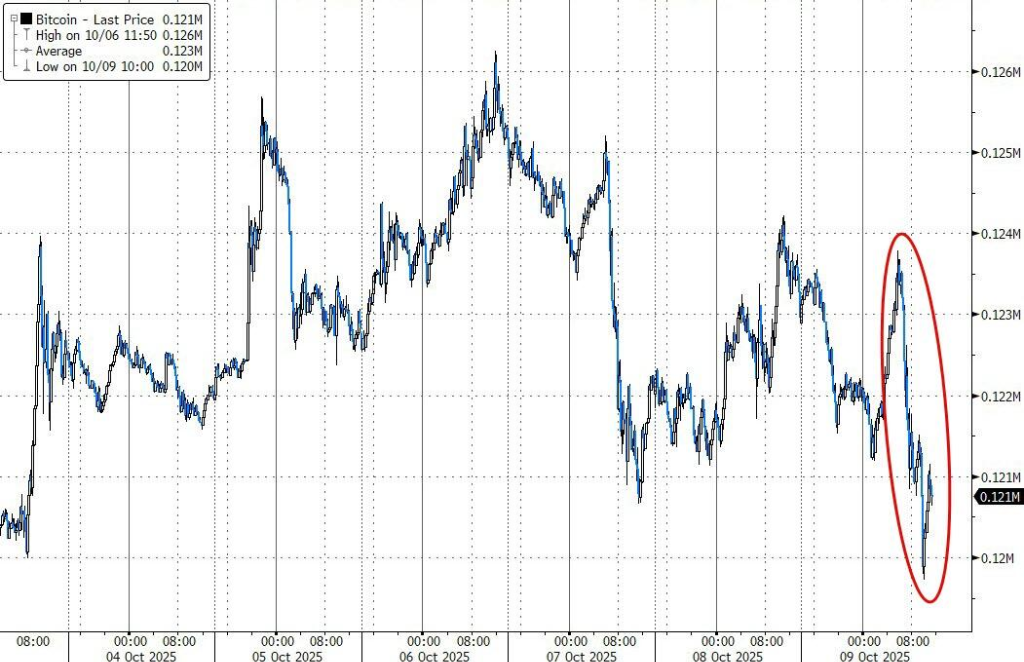
Core Insights - The global Bitcoin mining landscape is undergoing a significant transformation, with the United States replacing China as the leading Bitcoin mining center, supported by government initiatives to solidify this position [1][4][5]. Group 1: U.S. Dominance in Bitcoin Mining - According to a recent study by the Cambridge Centre for Alternative Finance, the U.S. controls 75.4% of the global Bitcoin hashing power, contributing approximately 600 EH/s to the total global hashing power of around 796 EH/s [4][5]. - The shift in dominance is largely attributed to China's ban on Bitcoin mining in June 2021, which led to a mass migration of mining operations to the U.S., particularly to states with abundant cheap energy [5][6]. Group 2: U.S. Government Support - The current U.S. administration, under President Trump and Commerce Secretary Howard Lutnick, has adopted a pro-Bitcoin stance, viewing it as a strategic opportunity for economic and technological leadership [8][9]. - The U.S. government plans to establish a "Bitcoin Strategic Reserve," officially holding Bitcoin as a national asset, although details on the reserve's scale and management are yet to be disclosed [9]. Group 3: Investment Accelerator Initiative - The U.S. Commerce Department is launching an "Investment Accelerator" program to facilitate large-scale investments (over $1 billion) in the mining sector, providing streamlined administrative support to overcome investment barriers [9][10]. - This initiative aims to enable miners to build their own power plants near data centers, allowing them to control energy costs and reduce reliance on the public grid, thereby enhancing the competitiveness and stability of the U.S. mining industry [10]. Group 4: Centralization Concerns - The concentration of Bitcoin mining power in the U.S. raises concerns about potential risks similar to those experienced when China dominated the market, including fears of a "51% attack" or government intervention [11][13]. - The Bitcoin community faces a critical juncture, needing to balance the benefits of U.S. policy support with the necessity of promoting decentralization to mitigate potential future risks [14].