
AI赋能汽车

Search documents
张兴海的造车方法论:向下扎根用户,向外跨界融合
晚点Auto· 2026-01-29 14:51
Core Viewpoint - The achievement of 1 million vehicles by the AITO brand marks a significant milestone in the new car manufacturing model, showcasing a shift from exploration to large-scale implementation [2][3]. Group 1: Milestone Achievement - AITO reached the milestone of 1 million vehicles in just 46 months, setting multiple industry records, compared to Tesla's approximately 12 years [3]. - The average price of AITO vehicles exceeds 400,000 yuan, indicating a clear focus on the high-end market [3]. Group 2: Cross-Industry Collaboration - The collaboration between Seres and Huawei began in 2021, with Seres handling vehicle development and manufacturing while Huawei provided smart cockpit and driving assistance systems [4]. - This partnership has deepened over time, demonstrating that cross-industry collaboration can lead to rapid achievements, as emphasized by Seres' chairman Zhang Xinghai [4]. Group 3: User-Centric Approach - AITO's success is attributed to its user-centric approach, with a focus on serving customers and integrating their feedback into product development [4][6]. - Zhang Xinghai's frequent face-to-face interactions with users have allowed the company to gather valuable insights, which are directly incorporated into product iterations [6][8]. Group 4: Brand Development and Market Position - AITO has achieved the highest Net Promoter Score (NPS) in the automotive industry for three consecutive times, reflecting strong user loyalty and brand confidence [9]. - The brand's NPS remains high even as it undergoes product updates, indicating a stable user base [9]. Group 5: Innovation and Future Goals - The shift towards electric vehicles has changed the luxury car landscape, with AITO leveraging its partnership with Huawei to enhance its software capabilities [11]. - AITO aims to deliver another 1 million vehicles in the next two years, showcasing its ambitious growth targets [15].


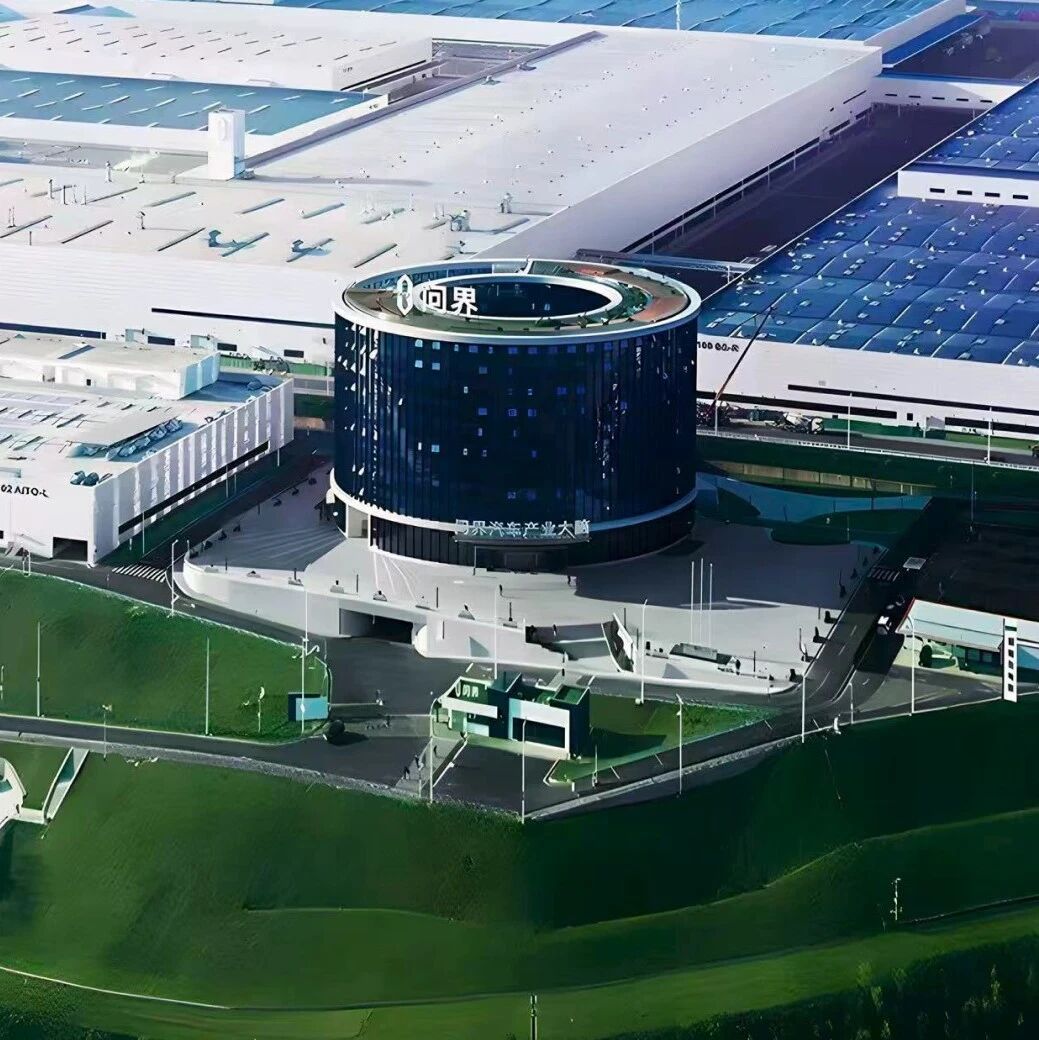
赛力斯张兴海接受央视《微对话》专访:以消费升级驱动技术和产品升级
Zheng Quan Shi Bao Wang· 2026-01-23 02:53
Core Insights - The article highlights the rapid growth of the AITO brand, achieving 1 million vehicles in just 46 months, supported by favorable national policies and a focus on high-end electric vehicles [1][2] - The company aims to leverage AI technology and software-defined vehicles to enhance product offerings and user experience, with a goal of reaching another 1 million vehicles in the next two years [3][4] Group 1: Company Strategy and Growth - AITO has set a target to achieve the second 1 million vehicles in two years, emphasizing the importance of user feedback in product development and service upgrades [4] - The collaboration with Huawei has established a new model of cross-industry integration, allowing AITO to capitalize on both automotive and ICT strengths [2] - The brand has seen significant market success, with the AITO M9 being the sales champion in the 500,000-unit category for 21 consecutive months and the M8 leading in the 400,000-unit category for six months [2] Group 2: Technological Innovation - AITO is committed to using AI to transform vehicles into intelligent, emotional, and safe mobile entities, responding to the growing demand for smart technology in the automotive sector [3] - The company is building an "industrial brain" through cross-industry collaboration, integrating government, society, and enterprises to create a comprehensive ecosystem [3]

当零部件走向台前 汽车业迎来“价值重估”时刻
Zhong Guo Qi Che Bao Wang· 2025-05-07 01:07
Core Insights - The 2025 Shanghai Auto Show highlights the transformation of the automotive industry, showcasing innovations in the parts sector driven by electrification, intelligence, and globalization [2][3] - The event reflects the automotive supply chain's cross-domain collaboration and the industry's diverse and global landscape [2][3] - The shift from hardware-dominated to software-defined vehicles marks a fundamental change in industry logic, with software becoming a key factor in defining automotive product capabilities [3][4] Industry Trends - The dual drive of electrification and intelligence is the core theme of the 2025 Shanghai Auto Show, with a significant increase in the number of exhibitors showcasing new technologies and products [3][5] - The automotive software market is projected to reach $55 billion by 2025, with over-the-air upgrades, smart cockpit interactions, and autonomous driving algorithms as the main growth areas [6] - AI technology is increasingly integrated into vehicles, enhancing their capabilities and transforming them into mobile smart terminals [4][6] Company Strategies - Foreign parts manufacturers are shifting from unilateral technology output to deep ecological integration, focusing on localizing technology implementation [9][12] - Bosch aims to leverage software and technological innovations to empower smart mobility, with a projected 4% sales growth in China for 2024, reaching 116.6 billion yuan [9] - Continental Group plans to list its automotive subgroup AUMOVIO, emphasizing its commitment to the Chinese market and local innovation [10][11] Emerging Technologies - The integration of AI and automotive technology is reshaping the collaboration model among people, vehicles, roads, and clouds, positioning smart vehicles as essential components of a smart lifestyle [4][5] - New products such as the R-UniAD technology from SenseTime and the advanced chip platforms from Black Sesame are pushing the boundaries of autonomous driving capabilities [7][6] - The introduction of immersive smart cockpit solutions and multi-modal technologies is enhancing user experience and safety in vehicles [8][6] Market Dynamics - The presence of over 300 exhibitors, including major international tech companies, indicates a significant shift in the automotive market landscape, with parts manufacturers taking center stage [13][15] - The competition in the automotive industry is evolving from hardware breakthroughs to collaborative innovation across the entire supply chain [5][12] - The 2025 Shanghai Auto Show serves as a critical observation point for the ongoing transformation in the automotive value chain, with a notable shift towards electrification and intelligence [16]

“东软方案”推动“人车共智慧”时代加速到来
Zhong Guo Qi Che Bao Wang· 2025-04-29 08:57
Core Insights - The automotive industry is undergoing significant transformation driven by AI technology, which is reshaping user experiences and the entire industry structure [3][5][10] - Neusoft Group has introduced three major product matrices at the 2025 Shanghai International Auto Show, marking a critical step in advancing smart mobility [2][7] Neusoft A³ Cabin and Parking Product Platform - The A³ platform integrates cockpit, instrument, driving, and parking functionalities into a single chip, reducing hardware costs and enhancing software iteration efficiency [5][7] - It supports independent deployment of multi-domain functions, allowing for flexible cockpit interaction and driving assistance [5][7] - The platform aims to address high development costs and the need for rapid feature iteration, providing a cost-effective smart mobility solution for automakers [7] NeuMind Empowerment Body - The NeuMind empowerment body integrates key modules such as smart cockpit, intelligent driving assistance, and vehicle networking, enabling millisecond-level real-time responses [8][10] - It features proprietary AI middleware and development toolchains for rapid iteration and OTA upgrades, acting as an "AI brain" for automotive applications [8][10] - This solution lowers the technical barriers and costs for automakers, fostering closer collaboration between automakers and suppliers [10] OneCoreGo® Global In-Vehicle Intelligent Mobility Solution - The OneCoreGo® 6.0 solution represents a leap from single-function upgrades to an ecosystem-level intelligent mobility platform, enhancing the overall travel experience [11][13] - It includes new features such as One Pay and One Mate, enabling a comprehensive upgrade of navigation, payment, and interaction capabilities [11][13] - Neusoft's global product development network supports over 1,800 vehicle models across more than 100 countries, facilitating the adaptation of Chinese automotive brands to international markets [13]

