C2B模式

Search documents
每经热评|提振内需的新路 在更绚烂的人间烟火
Sou Hu Cai Jing· 2026-02-08 11:10
Group 1 - The core viewpoint emphasizes that boosting domestic demand is not just a slogan but a necessary action for the Chinese economy, with a focus on building a strong domestic market as a key task for 2026 [1] - Consumer spending has become a critical support for stable economic operation, contributing 2.6 percentage points to GDP growth in 2025, despite the overall consumption rate being low at 52% and personal consumption rate below 40% [2] - The existence of a gap in consumption rates presents an opportunity for boosting consumption and driving domestic demand, with the need to shift focus from cold transaction data to vibrant, specific life experiences [2] Group 2 - The empowerment of the "life economy" through the internet and big data allows for the discovery of nuanced consumer demands, as seen in platforms like Xiaohongshu, which facilitate the expression of individual needs [3] - The emergence of emotional value demands, such as those seen in the popularity of products like "crying horse" and the success of live-streaming sales, indicates a shift towards consumers seeking products that express emotions rather than just material possessions [3][4] - New lifestyle trends among urban youth, such as cycling and camping, are creating diverse experiential demands, leading to a full industry chain around these activities, which reflects a shift away from price wars towards quality differentiation [4] Group 3 - Consumers are increasingly willing to pay for cultural values, aesthetic resonance, and identity recognition, as demonstrated by the rise of cultural phenomena like "Su Chao" and "Village BA," which transform consumption into emotional connections [5] - The underlying logic of the life economy is to recognize individual needs and achieve precise supply-demand matching, with small, diverse, and novel demands becoming new growth points for consumption [5] - Focusing on specific human needs and respecting diverse aesthetics allows producers and brands to invest in people, leading to a cycle where new demands drive new supply and vice versa, thus paving a new path for boosting domestic demand [5]
专访“滴滴订房”平台创始人:上线一年多,进展不理想
Mei Ri Jing Ji Xin Wen· 2025-11-29 13:57
Core Insights - The hotel industry is facing a supply surplus, leading to the emergence of a new player known as "Hui Xuan Booking," which is likened to "Pinduoduo" in the hotel sector and operates on a C2B model similar to "Didi Chuxing" for hotel bookings [1] Company Overview - "Hui Xuan Booking" launched in September 2024 and has been aggressively advertising in high-speed train stations across various cities [1] - The company aimed to onboard 30,000 hotels by 2025 but has currently managed to integrate less than 10,000 hotels [1] - The platform processes nearly 20,000 orders per month, but the transaction completion rate stands at only 50% [1] Market Challenges - Despite a continuous increase in order volume, the company faces significant challenges in market promotion and customer acquisition, which require substantial financial investment [1] - The founder, Ma Zhaode, has acknowledged that progress has not met initial expectations [1]

80元起下单中高端酒店的“酒店界拼多多”狂奔一年多
Mei Ri Jing Ji Xin Wen· 2025-11-27 13:29
Core Viewpoint - The hotel industry is facing challenges in achieving revenue growth, with new models like "C2B" and "JD Travel" not yet delivering significant results [1][2] Group 1: C2B Model Overview - The "C2B" model allows consumers to set prices for hotel rooms, aiming to connect price-sensitive users with hotels that have vacant rooms [2][3] - The "Hui Xuan Ding Fang" platform, representing this model, has struggled to gain traction, with only about 10,000 hotels onboarded against an initial target of 30,000 by 2025 [1][4] - The platform has seen a high cancellation rate of 50% on its nearly 20,000 monthly orders, indicating issues with user trust and hotel engagement [1][4] Group 2: Market Challenges - The platform faces difficulties in attracting hotels due to exclusivity agreements with major OTAs and the reluctance of well-known brands to lower prices [5][8] - User trust is a significant barrier, with many consumers hesitant to engage with a new platform, leading to high cancellation rates and negative feedback regarding order fulfillment [6][10] - The platform's operational model relies on low-cost marketing strategies and partnerships, with a focus on integrating resources rather than traditional advertising [11][12] Group 3: Future Goals and Projections - The company aims to reach 1 million users by the end of the year, with a long-term goal of capturing 25% to 30% of the hotel market share in China, targeting 100,000 to 150,000 hotels [12] - The operational strategy includes building a hotel alliance over the next five years and potentially pursuing an IPO in the future [12]
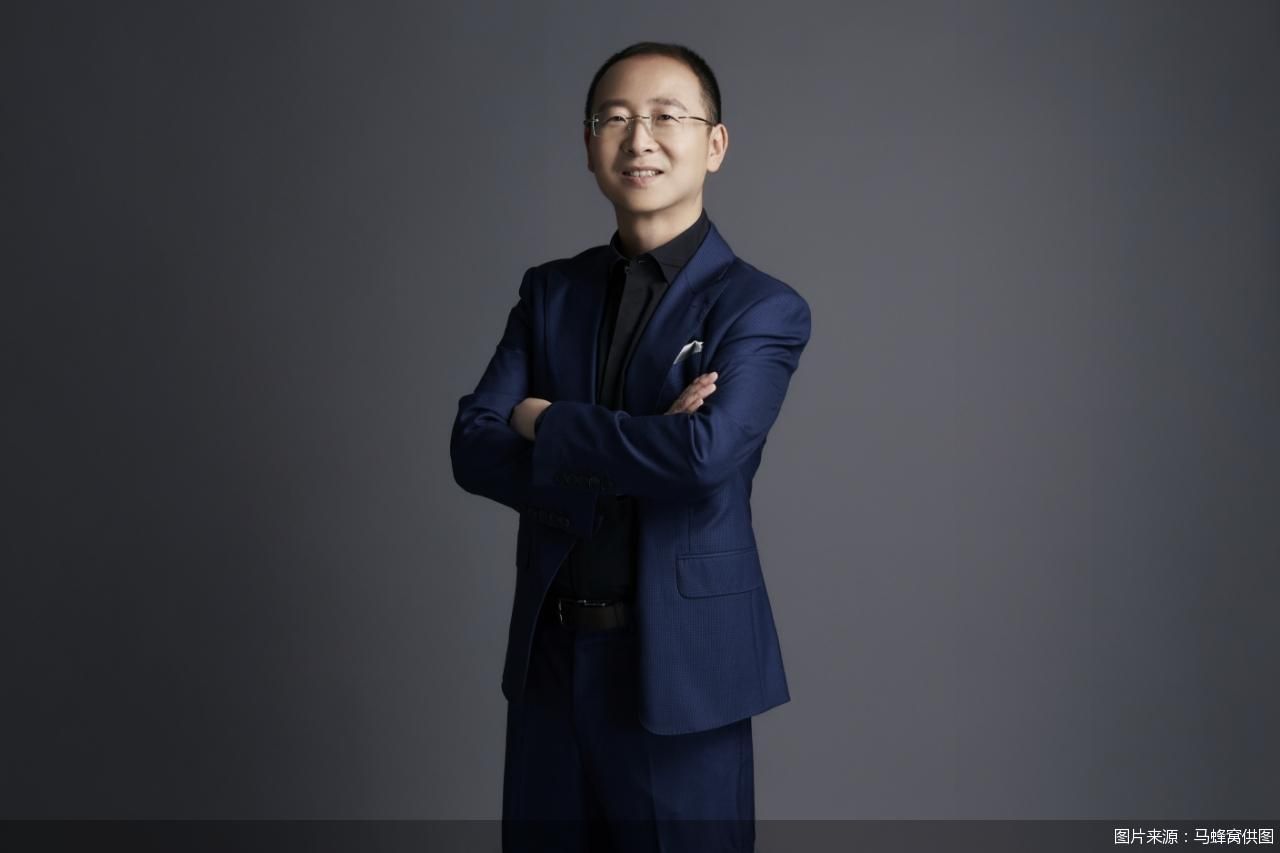
马蜂窝创始人、CEO陈罡:AI改变旅游交易模式,18个月后市场现新拐点
Bei Jing Shang Bao· 2025-05-12 08:46
Core Insights - The rise of AI models like DeepSeek in 2025 is driving a competitive shift in the online travel industry, with platforms like Mafengwo, Fliggy, and Tongcheng Travel intensifying their AI strategies [1][4] - The CEO of Mafengwo, Chen Gang, emphasizes the need for AI to provide precise, real-time solutions to travelers' needs, moving from content aggregation to actionable services [4][10] - The industry is transitioning from a B2C model to a C2B model, where AI enables users to customize their travel experiences, akin to a "self-service kitchen" [7][10] AI Development and Features - Mafengwo's AI travel assistant, "AI Xiaoma," has been upgraded to include features like real-time Q&A, itinerary planning, and personalized recommendations [3][4] - Chen Gang's personal experience in Dubai illustrates the effectiveness of "AI Xiaoma" in providing specific, actionable advice compared to other platforms [3][11] - The competition among travel platforms is intensifying, with each developing proprietary AI technologies to differentiate themselves [9][10] Market Dynamics - The focus of competition in the travel industry is shifting from resource ownership to decision-making efficiency, with AI significantly reducing the time needed for users to plan trips [5][10] - Chen Gang predicts that the market will reach a turning point in 18 months, with a new competitive landscape emerging as AI technology matures [7][10] - The transformation in the industry is driven by a shift in consumer power, particularly among Gen Z travelers who demand personalized experiences [8][10] Future Outlook - The future of the online travel industry will depend on platforms' ability to develop core technologies independently, avoiding reliance on generic models that lead to homogenized solutions [10] - The evolution from a resource-selling model to a trust-building model will define the winners in the travel sector, with a focus on enhancing user experience through AI [11]