GaaS

Search documents
'SaaS Becomes GaaS' - 3 Stocks That I'm Avoiding
Seeking Alpha· 2026-03-18 22:56
I recently joined The REIT Forum and if you are looking for more investment ideas like this one, get them exclusively at The REIT Forum with access to our subscriber only portfolios.Amrita runs a boutique family office fund in beautiful Vancouver, where she leads the investment strategy for the family fund. The fund's objective is to invest capital in sustainable, growth-driven companies that maximize shareholder equity by meeting their growth-oriented goals. In addition, she also started her own award-winn ...


国信证券:维持腾讯控股(00700)“优于大市”评级 海外云与游戏双轮驱动 AI赋能构筑新增长引擎
智通财经网· 2025-12-19 02:01
Core Viewpoint - Guosen Securities maintains an "outperform" rating for Tencent Holdings, highlighting that overseas markets have become a clear second growth curve for Tencent's gaming and cloud businesses, with strategic investments beginning to yield results [1] Group 1: Overseas Cloud Business Expansion - Tencent is accelerating its overseas cloud infrastructure, planning to invest $150 million in the Middle East and $500 million in Indonesia, with new data centers being established in Saudi Arabia and Japan [2] - The global infrastructure now covers 22 regions across five continents, operating 64 availability zones and over 3,200 global acceleration nodes [2] Group 2: Competitive Advantages - Tencent Cloud's competitive edge is driven by technology and localized services, excelling in audio-visual, gaming, and database sectors, with its media cloud services being globally recognized [3] - Localized data center construction enhances response speed, as evidenced by the migration of GoTo Group's core services to Tencent Cloud, resulting in improved app response times [3] Group 3: Market Positioning and Future Outlook - Tencent Cloud focuses on PaaS and SaaS services, avoiding price wars by leveraging high cost-performance and localized services, while also addressing chip supply issues [4] - Tencent aims to capture growth from Chinese enterprises going overseas and deepen its local SaaS market presence, with expectations of scale and profit growth in emerging markets like Southeast Asia [4] Group 4: Gaming Business Growth - Tencent's international gaming revenue grew by 43% year-on-year to RMB 20.8 billion in Q3 2025, driven by revenue from Supercell and new game releases [5] - The company anticipates overseas gaming revenue to reach RMB 75.7 billion in 2025, accounting for 32% of Tencent's total gaming revenue, an increase of 3 percentage points [5] Group 5: GaaS and IP Development - Tencent is enhancing its GaaS model by applying domestic long-term operation experiences to extend product lifecycles and strengthen IP value through cross-media development [7] - AI is being integrated into all aspects of game production, improving efficiency and enhancing player experience, with 95% of employees using AI tools [8] Group 6: AI Technology in Gaming - Tencent has made significant advancements in AI technology for gaming, achieving capabilities in scene coherence and real-time generation, although challenges remain in character behavior and continuity [9] - The company is positioned to leverage its expertise in both gaming and AI to create tailored gaming experiences and enhance production capabilities [9]

腾讯控股(00700.HK):海外云与游戏双轮驱动 AI赋能构筑新增长引擎
Ge Long Hui· 2025-12-17 20:14
Core Insights - Tencent is focusing on expanding its overseas cloud and gaming businesses, leveraging its technological advantages and local service capabilities to capture growth opportunities in international markets [1][4][6]. Overseas Cloud Business - Tencent Cloud adopts an "infrastructure-first" strategy, accelerating data center deployment globally, currently covering 22 regions [1]. - The company plans significant investments in overseas infrastructure, including $150 million in the Middle East and $500 million in Indonesia for new data centers [1]. - Tencent Cloud's competitive edge lies in its leading technology and localized services, successfully migrating key clients like GoTo in Indonesia and Charoen Pokphand Group in Thailand [4][6]. Overseas Gaming Business - Tencent's overseas gaming revenue is projected to reach 75.7 billion yuan in 2025, with a year-on-year growth of 31%, driven by its industrialization capabilities and strategic acquisitions [2][6]. - The company is increasingly collaborating with game development teams, enhancing its Game as a Service (GaaS) model to replicate successful domestic strategies in international markets [2][7]. AI Empowerment in Gaming - AI tools are being extensively utilized in game development, with 95% of employees at Tencent's Photon Studio using AI to enhance production efficiency and user experience [3][8]. - The company is advancing AI capabilities beyond traditional models, achieving real-time scene generation and improving player retention through AI-driven features [3][9]. Future Outlook - Tencent is positioned to benefit from the growing demand for cloud services among Chinese enterprises going global and the local SaaS market, particularly in Southeast Asia [5][6]. - The company aims to enhance its GaaS operations and IP value through cross-media development and AI integration, ensuring long-term brand sustainability [7][8].
单季收入首破600亿,2025年腾讯游戏“铁王座”更稳了?
3 6 Ke· 2025-12-17 09:29
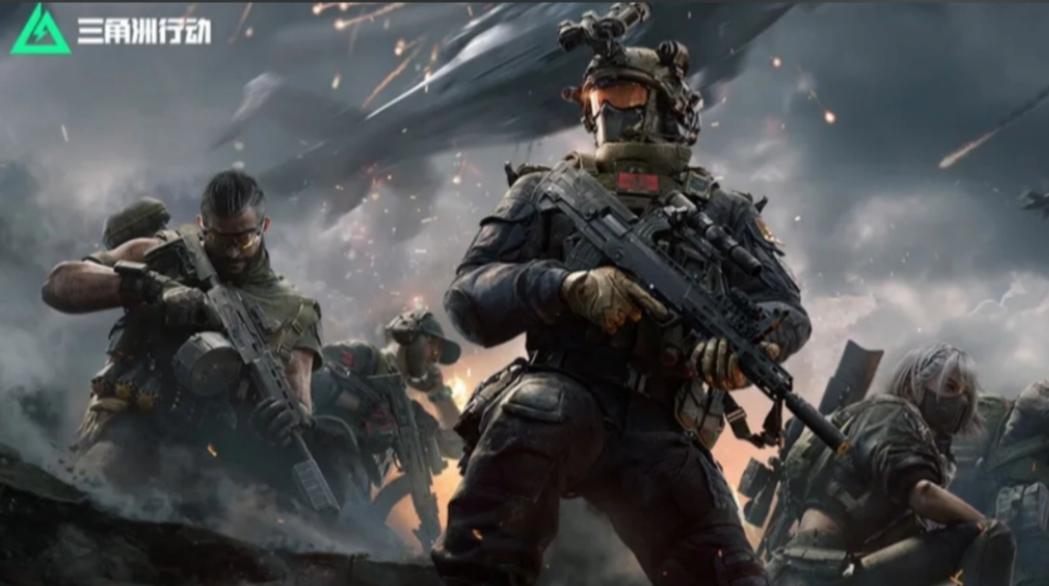
Core Insights - Tencent Games continues to demonstrate growth potential, achieving a Q3 revenue of 192.87 billion yuan, a 15% year-on-year increase, with gaming revenue reaching 63.6 billion yuan, up 22.8% [1] - The strategic shift towards "returning to large DAU games and focusing on evergreen game series" has shown positive results, but challenges remain in self-developed efficiency and innovation [1] Group 1: Organizational Adjustments - Tencent Games has undergone three major structural adjustments to align with its 2025 strategy, moving from an internal competition model to a more streamlined approach [2] - The restructuring includes consolidating multiple studios into a "4+2" model, focusing on specific game genres and enhancing operational clarity [2][4] - New game releases in 2025 include "Delta Force" and "Valorant," with "Delta Force" performing exceptionally well in the market [4][6] Group 2: Game Performance and Market Strategy - "Delta Force" has achieved over 4 billion yuan in annual revenue since its launch, indicating strong market demand for FPS games [6] - Tencent's new game "NBA All-Star" has successfully attracted basketball fans through its official NBA licensing, maintaining a top position in the iOS sports game rankings [8] - The company is focusing on a "GaaS" (Game as a Service) model, extending this approach to PC games, which has contributed to the success of several titles [10][12] Group 3: International Expansion and Revenue Growth - Tencent's international market revenue grew by 43% year-on-year in Q3 2025, marking the highest growth rate since the segment began reporting separately [14] - The company is investing in global IPs and local studios to enhance its international presence, successfully integrating domestic operational models with global strategies [12][14] - The strategy of validating game concepts in the domestic market before global rollout has reduced risks and strengthened Tencent's competitive position [16] Group 4: Competitive Landscape and Challenges - Despite maintaining a leading position, Tencent faces increasing competition from companies like NetEase, which holds a 28% market share and has a strong portfolio of new games [17] - The gaming market is experiencing a shift towards "de-fan culture," which may affect player loyalty and retention, as users are less emotionally attached to individual games [19] - Tencent's reliance on established titles like "Honor of Kings" for revenue and the dependency on external IPs for international growth present potential vulnerabilities [22]
先甩锅、再埋雷,育碧回应“停止杀死游戏”运动
3 6 Ke· 2025-07-24 12:03
Core Viewpoint - The article discusses the growing "Stop Killing Games" movement in Europe, which has gained significant traction and support from European Parliament officials, particularly targeting major game publishers like Ubisoft [1][3]. Group 1: Company Response - Ubisoft's CEO Yves Guillemot acknowledged the issue of game server shutdowns at a shareholder meeting, stating that it is a common problem across the industry and not unique to Ubisoft [3]. - Guillemot proposed a solution to inform players about the playable duration of games, which implies that players do not own the game data but merely have a license to use it [5][8]. - The acknowledgment of game data ownership issues may contribute to Ubisoft's ongoing financial struggles, as the management's handling of reputation-sensitive matters appears dismissive [3][5]. Group 2: Industry Implications - The move to inform players about game playability could address the financial losses associated with maintaining servers for games that lose popularity over time, but it may negatively impact the Games as a Service (GaaS) model that Ubisoft is betting on [8][12]. - GaaS relies on continuous content updates to keep players engaged and spending, contrasting with traditional one-time purchase models, which are becoming less profitable [10]. - The potential for reduced player investment in GaaS games could arise if players are aware of a game's limited lifespan, leading to decreased revenue for publishers [12][14]. Group 3: Market Dynamics - The decline of the physical game market has made the acknowledgment of game playability duration a double-edged sword for Ubisoft, as it exposes industry practices while also inviting player backlash [7][8]. - The challenge for Ubisoft lies in balancing the operational costs of GaaS with the need to maintain player interest, especially as the lifespan of games becomes a focal point for consumer decision-making [12][14].