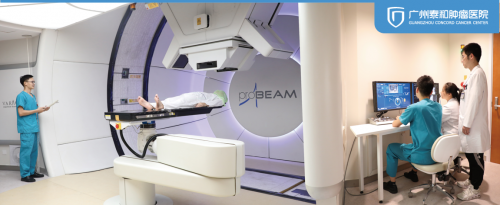
肿瘤治疗

Search documents
华南质子治疗标杆一周年记: 从“技术引进”到“能力兑现”
2 1 Shi Ji Jing Ji Bao Dao· 2026-02-05 07:05
Core Insights - The article highlights the transformative impact of proton therapy in cancer treatment, particularly at Guangzhou Taihe Cancer Hospital, where it has become a viable option for a broader range of patients, moving from a luxury treatment to a more accessible medical solution [1][2]. Group 1: Proton Therapy Advantages - Proton therapy utilizes the Bragg peak effect, allowing for precise targeting of tumors while minimizing damage to surrounding healthy tissues, which is especially crucial for children and head and neck cancer patients [2]. - The hospital's data shows that 10% of patients receiving proton therapy are children, with the youngest being just 1 year and 1 month old, indicating its applicability to younger demographics [2]. - A notable case involved the first proton treatment for choroidal malignant melanoma in China, where the patient was able to retain their eye and vision, showcasing the treatment's potential to enhance quality of life [2]. Group 2: Economic Accessibility - The cost of a complete proton therapy course ranges from 170,000 to 350,000 RMB, which poses a significant financial burden for many families [3]. - The introduction of urban health insurance programs like "Guangzhou Xinbao" has included proton therapy in their coverage, alleviating some financial pressures for patients [3]. - Approximately 30% of patients reported that their treatment costs were fully or partially covered by various types of commercial insurance, indicating a shift towards better financial support for advanced treatments [3]. Group 3: Systemic Innovations - The hospital has implemented a case management system to streamline the treatment process, reducing the need for patients to navigate multiple departments, thus easing their treatment journey [4]. - Guangzhou Taihe Cancer Hospital is the first in South China to be equipped with proton therapy technology, addressing the growing demand for high-quality medical resources in the Greater Bay Area [5]. Group 4: Addressing Information Asymmetry - The hospital collaborates with top-tier institutions like MD Anderson Cancer Center to provide patients with access to expert consultations and referrals, thereby improving treatment decision-making and patient-centered care [6]. - A case study of an Indonesian patient illustrates the hospital's ability to provide effective treatment options even for those previously deemed untreatable, highlighting the hospital's commitment to comprehensive care [6]. Group 5: Future Development - The National Health Commission's "14th Five-Year Plan" aims to increase the number of proton therapy centers in China to over 60 by 2030, indicating a shift towards making this advanced treatment more widely available [7]. - The hospital's experience over the past year emphasizes the importance of not only increasing the availability of advanced medical technologies but also enhancing the overall quality of patient care and support systems [7].
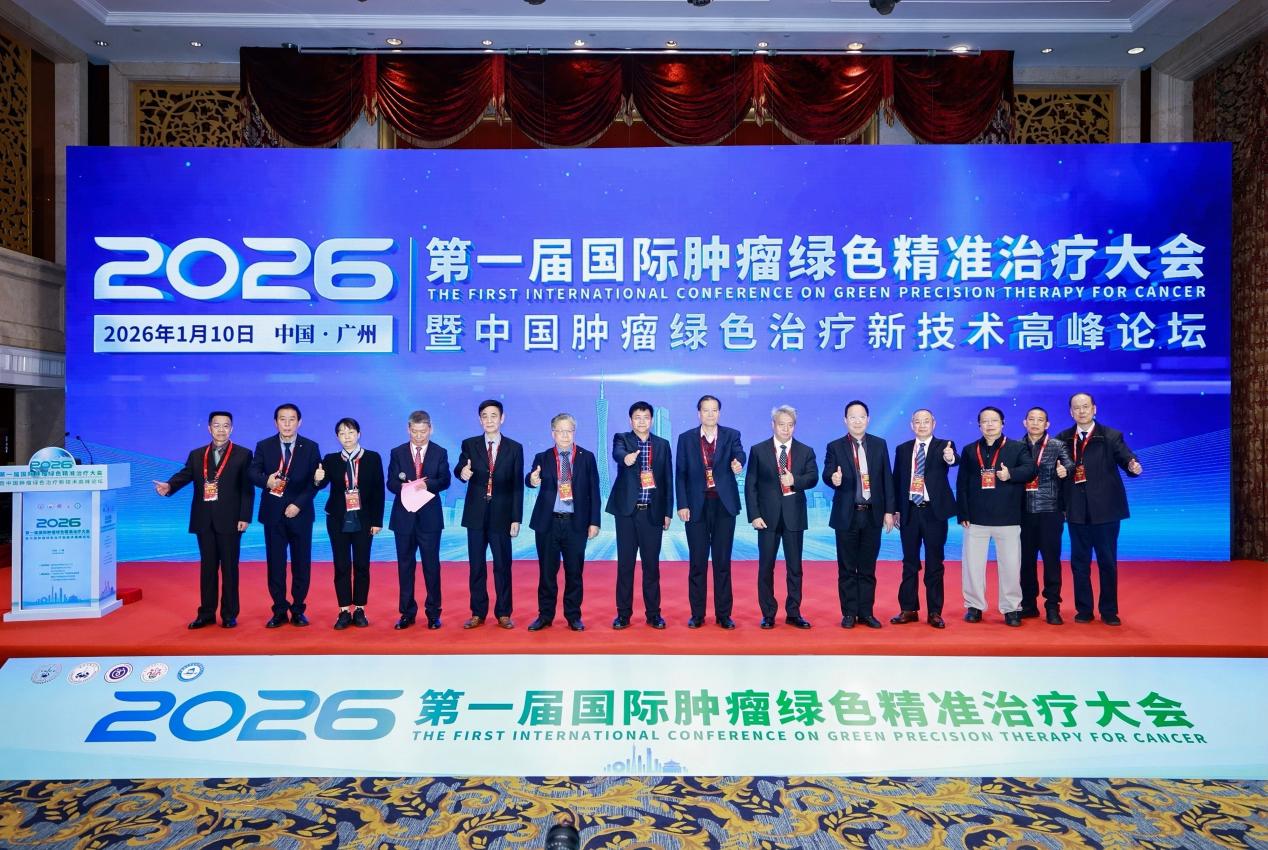
首届国际肿瘤绿色精准治疗大会召开,绿色精准治疗成中晚期患者抗癌新希望
Cai Fu Zai Xian· 2026-01-13 08:38
Core Insights - The "First International Conference on Green Precision Cancer Treatment" was held in Guangzhou, focusing on advancements in cancer treatment through innovative and precise methodologies [1] - Cancer has become a significant global health threat, with China accounting for approximately 24% of new cases and 26.7% of deaths worldwide, highlighting the urgent need for improved treatment approaches [3] - The rise of green precision cancer treatment represents a revolutionary shift in treatment philosophy, emphasizing minimal harm and improved quality of life for patients [5] Group 1: Treatment Innovations - Green precision cancer treatment integrates various techniques such as precise radiotherapy, minimally invasive interventions, and traditional Chinese medicine, aiming to enhance patient quality of life while extending survival [7][5] - Yttrium-90 selective internal radiation therapy is highlighted as a cutting-edge technique, targeting liver tumors with minimal damage to surrounding healthy tissue [8] - Advanced technologies like the sixth-generation Cyberknife and HyperArc systems are being utilized to provide high-precision treatment, significantly reducing damage to normal tissues [17] Group 2: Technological Advancements - Precision radiotherapy is a critical area of focus, with successful case studies demonstrating its effectiveness in treating various cancers through advanced imaging and dose sculpting techniques [10] - The use of respiratory gating and motion tracking technologies enhances the accuracy of radiotherapy by ensuring that radiation is delivered precisely when the tumor is in the correct position [14][15] - The integration of these technologies allows for a more effective and safer treatment approach, maximizing the therapeutic impact while protecting normal tissue [15] Group 3: Institutional Leadership - Guangzhou University of Chinese Medicine's Jinshazhou Hospital aims to become a leading center for cancer prevention and treatment, equipped with state-of-the-art facilities and a top-tier expert team [17] - The hospital has invested heavily in advanced cancer treatment technologies, establishing a comprehensive treatment system that combines Western and traditional Chinese medicine [17] - The institution has received multiple accolades, reinforcing its status as a benchmark in cancer treatment and demonstrating its commitment to providing efficient and economical green precision treatment solutions [17]


美中嘉和纳入“港澳药械通”体系,肿瘤精准治疗加速与国际接轨
Sou Hu Cai Jing· 2025-12-10 10:57
Core Viewpoint - The inclusion of Guangzhou Taihe Cancer Hospital in the "Hong Kong-Macao Drug and Device Pass" list represents a significant breakthrough for the company in accessing international medical resources and enhancing its service capabilities in cancer treatment [1][2]. Group 1: Company Developments - The hospital has successfully passed the approval process to be listed as a designated medical institution under the "Hong Kong-Macao Drug and Device Pass" policy, which facilitates the introduction of innovative drugs and devices approved in Hong Kong and Macao but not yet available in mainland China [1]. - This policy is expected to broaden the legal supply channels for urgently needed clinical treatments, providing policy support for residents in the Greater Bay Area to access advanced medical services in line with international standards [1][2]. - The company has established professional barriers in precision treatment, proton therapy, and multidisciplinary diagnosis and treatment, which will be further strengthened by this new designation [1][3]. Group 2: Industry Implications - The advancement of the "Hong Kong-Macao Drug and Device Pass" not only enhances the service capabilities of individual institutions but also contributes to the construction of a high-level medical service network characterized by tiered diagnosis and regional collaboration [2]. - Designated medical institutions can attract patients from surrounding areas by introducing international innovative drugs and devices, gradually forming regional cancer treatment centers and optimizing the allocation of medical resources [2]. - The ongoing release of policy dividends in the Greater Bay Area is expected to accelerate the flow of cross-border medical resources, allowing the company to benefit continuously from its specialized and international strategic layout [2].
质子治疗:当科技智慧遇见仁心仁术
Sou Hu Wang· 2025-11-28 13:21
Core Insights - Proton therapy represents a breakthrough in radiation therapy, offering unique physical properties that enhance tumor treatment precision and safety [3] - The integration of humanistic care into proton therapy transforms it from a technical procedure into a compassionate healthcare service [6][7] Group 1: Advantages of Proton Therapy - Proton therapy's unique physical characteristics allow for precise energy release at the tumor site, minimizing damage to surrounding healthy tissues, making it particularly suitable for tumors near critical organs [3] - The Guangzhou Taihe Cancer Hospital has established a comprehensive quality control system to ensure the precise implementation of proton therapy, including daily assessments of tumor size and position using CBCT technology [3] Group 2: Humanistic Care in Proton Therapy - The patient-centered service philosophy at Guangzhou Taihe integrates humanistic care throughout the proton therapy process, from initial consultations to ongoing support [6][7] - A complete follow-up support system is in place to monitor patients' recovery and provide health guidance post-treatment, addressing both physical and psychological well-being [7] Group 3: Multidisciplinary Team Collaboration - The implementation of proton therapy requires close collaboration among a multidisciplinary team, including radiation oncologists, medical physicists, radiation therapists, and nursing staff [9] - Guangzhou Taihe emphasizes team building and professional development through systematic training and academic exchanges, ensuring that team members stay updated on the latest technological advancements [9] - Continuous quality improvement activities are conducted to optimize workflows and enhance treatment efficiency, ensuring that every patient receives the best possible care [9]
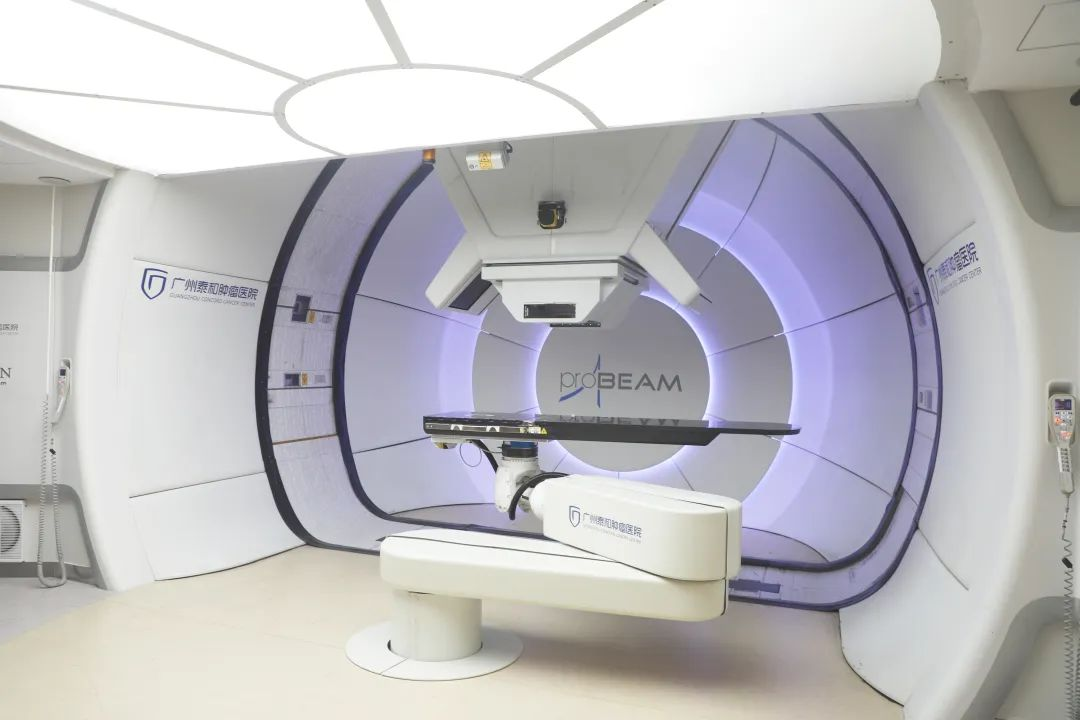
“布拉格峰”改写抗癌逻辑 质子技术重塑肿瘤治疗新路径
Di Yi Cai Jing· 2025-11-28 09:29
Core Viewpoint - Proton therapy, recognized as a "precision weapon against cancer," is transforming traditional cancer treatment due to its ability to minimize side effects and enhance patient quality of life through the unique physical property known as "Bragg Peak" [1][2]. Summary by Sections Understanding "Bragg Peak" - Traditional photon therapies, such as X-rays, cause collateral damage to healthy tissues as they penetrate the body, leading to significant side effects [1]. - Proton therapy, utilizing the "Bragg Peak," allows for energy release that is concentrated at the tumor site, minimizing damage to surrounding healthy tissues [2]. Clinical Application and Case Study - A case study of a pancreatic cancer patient demonstrated that over 95% of the radiation dose was concentrated in the tumor, with significantly reduced exposure to surrounding organs, showcasing the protective benefits of "Bragg Peak" [3]. Special Populations and Treatment Efficacy - Proton therapy is particularly beneficial for children, as it reduces the risk of secondary tumors by over 50% compared to traditional therapies, thus preserving their long-term health and quality of life [4]. - The 5-year survival rate for pediatric patients treated with proton therapy is 15%-20% higher than that of traditional methods, with over 90% of children maintaining normal IQ levels post-treatment [4]. Limitations and Complementary Role - Proton therapy is not a universal solution; it has specific indications and cannot fully replace surgery or medication, as these modalities complement each other in cancer treatment [5][6]. - Certain advanced or moving tumors may not be suitable for proton therapy, and surgical intervention remains the preferred option for early-stage cancers [6]. International Comparison and Trends - The 5-year cancer survival rate in China is approximately 43.7%, significantly lower than Japan (66%) and the U.S. (69%), highlighting the need for improved diagnostic and treatment technologies [7]. - The increasing number of proton therapy centers in the U.S. (46 operational and 7 under construction) indicates a growing recognition of its importance in cancer treatment [7]. Patient Trends and Cost Considerations - There is a rising trend of Hong Kong residents seeking proton therapy in mainland China due to limited availability and high costs in Hong Kong, where treatment can exceed 500,000 HKD compared to approximately 300,000 RMB in mainland facilities [8]. - The cost-effectiveness of mainland proton therapy, combined with advanced technology and treatment protocols, is attracting more patients from Hong Kong [8]. Future Directions - The future of proton therapy is expected to focus on precision, localization, and affordability, with the potential for integration with targeted and immunotherapy treatments for mid to late-stage cancers [9].
“布拉格峰”改写抗癌逻辑,质子技术重塑肿瘤治疗新路径
Di Yi Cai Jing· 2025-11-28 09:09
Core Viewpoint - Proton therapy is recognized as a "precision cancer treatment tool" that significantly alters traditional cancer treatment methods, primarily due to its ability to minimize side effects and enhance patient quality of life through the "Bragg Peak" phenomenon [1][2]. Summary by Sections Understanding "Bragg Peak" - The "Bragg Peak" refers to the unique energy release pattern of charged particles like protons, which allows for concentrated energy delivery at the tumor site while sparing surrounding healthy tissues [1][2]. - Traditional photon therapies, such as X-rays, cause collateral damage to normal tissues, whereas proton therapy can be likened to a "precision missile" that targets only the tumor [2]. Clinical Examples and Efficacy - A case study of a pancreatic cancer patient demonstrated that over 95% of the radiation dose was concentrated in the tumor, with significantly reduced exposure to surrounding organs, showcasing the protective benefits of the "Bragg Peak" [3]. - Proton therapy has been shown to reduce the incidence of secondary tumors by over 50% in pediatric patients, making it a preferred option for treating childhood cancers [4]. Limitations and Complementary Role - Proton therapy is not a universal solution and has specific indications; it cannot replace surgery or medication but can complement them in certain scenarios [5][6]. - For advanced tumors with multiple metastases, proton therapy may have limited effectiveness, and surgical options remain the primary treatment for early-stage cancers [6]. International Comparison and Trends - The five-year cancer survival rates in China (43.7%) lag behind those in Japan (66%) and the U.S. (69%), attributed to differences in tumor types, early diagnosis rates, and treatment protocols [7]. - The increasing demand for proton therapy in mainland China is driven by its cost-effectiveness compared to Hong Kong, where treatment costs are significantly higher [8]. Future Directions - The future of proton therapy is expected to focus on "precision, localization, and accessibility," with advancements in domestic equipment and diversified payment systems anticipated to enhance its integration with targeted and immunotherapy options for mid to late-stage cancers [9].
晚期胃癌免疫治疗研究获国际关注
Qi Lu Wan Bao· 2025-11-14 09:49
Core Insights - The 2025 European Society for Medical Oncology (ESMO) annual meeting was held in Berlin, Germany, focusing on cutting-edge topics such as immunotherapy, precision medicine, and novel targeted drugs [1] Group 1: Research Achievements - A research study led by Liu Aina and Gong Wenjing from Yantai Yuhuangding Hospital was successfully selected for presentation at the conference, showcasing significant advancements in the field of immunotherapy for advanced gastric cancer [2] - The study analyzed clinical data from 49 patients who underwent immune re-challenge therapy, evaluating key metrics such as Objective Response Rate (ORR), Disease Control Rate (DCR), Progression-Free Survival (PFS), Overall Survival (OS), and ≥3 grade immune-related adverse events (irAEs) [2] - Results indicated that immune re-challenge therapy demonstrated comparable or slightly superior clinical efficacy in survival benefits, with manageable treatment toxicity, and PD-L1 expression may serve as a valuable biomarker for predicting treatment efficacy [2] Group 2: Institutional Development - Yantai Yuhuangding Hospital's oncology department emphasizes the integration of clinical practice and research, fostering academic exploration and clinical translation in oncology [3] - The selection of the research for an international conference highlights the hospital's expertise and innovative capacity in advanced gastric cancer immunotherapy, as well as the effectiveness of its graduate training programs [3] - The hospital aims to continue advancing in the field of precision oncology, exploring and optimizing treatment strategies to provide new hope for cancer patients [3]
免疫治疗已发展到2.0时代
Ren Min Ri Bao· 2025-06-30 23:19
Group 1 - The 15th Peking University Digestive Tumor Forum and the annual meeting of the China Gastrointestinal Oncology Clinical Research Collaborative Group (CGOG) were held in Beijing, focusing on precision diagnosis and translational research in digestive system tumors [1] - The theme of the conference was "Innovation, Precision, and Synergy," emphasizing the advancement of innovative diagnostic and treatment models as well as new drug development [1] - The Human Proteome Navigation Plan (π-HuB Plan) was introduced, aiming to uncover life-related information from the complexity and dynamics of the human proteome, with four main objectives outlined [1] Group 2 - Professor Shen Lin from Peking University Cancer Hospital proposed a "B to B" bidirectional translational research model to explore new treatment options targeting HER2, EGFR, and CLDN18.2 for upper digestive tract tumors [2] - The complexity of the tumor microenvironment necessitates a multidimensional exploration of tumor heterogeneity, precise selection of beneficiaries for targeted therapy, and enhanced efficacy monitoring [2] - The improvement of CAR-T therapy efficacy in solid tumors is identified as an urgent research topic, with a call for a comprehensive clinical-translational-basic bidirectional research system to promote clinical application of precision treatment for upper digestive tract tumors [2]
2025年ASCO中国之声:马骏院士口头报告DIAMOND研究结果,鼻咽癌治疗有望免除化疗
Mei Ri Jing Ji Xin Wen· 2025-06-02 01:49
Core Insights - The DIAMOND study presents a new approach to nasopharyngeal carcinoma treatment by demonstrating that a full-course immunotherapy regimen can achieve comparable efficacy to traditional chemotherapy while significantly reducing toxic side effects [1][4][6] Group 1: Study Overview - The DIAMOND study involved 532 patients with locally advanced nasopharyngeal carcinoma, utilizing a 1:1 randomization to compare a treatment group receiving immunotherapy and a control group receiving additional chemotherapy [4] - The primary endpoints were the three-year failure-free survival (FFS) rate and the incidence of all-grade vomiting [4][5] Group 2: Results and Efficacy - The treatment group achieved a three-year FFS rate of 88.3%, compared to 87.6% in the control group, indicating that omitting concurrent cisplatin does not compromise survival rates [4][5] - The incidence of all-grade vomiting was significantly lower in the treatment group at 26.2%, compared to 59.8% in the control group, representing a 33.6% reduction (p<0.001) [4][5] Group 3: Safety and Tolerability - The severe acute toxicity rates (grades 3-4) were 52.3% in the treatment group versus 63.6% in the control group, showing an 11.3% decrease in severe side effects [4][5] - The findings suggest that the new treatment regimen enhances patient safety and quality of life by reducing the toxic effects associated with traditional chemotherapy [5][6]
肿瘤基本消失!广州泰和肿瘤医院让几十例头颈肿瘤患者逆风翻盘
Sou Hu Wang· 2025-05-08 08:35
Core Viewpoint - Proton therapy has shown significant effectiveness in treating head and neck tumors, providing hope for patients who have faced challenges with traditional treatments [1][3][4] Group 1: Patient Success Stories - A patient named Sun experienced a near-complete disappearance of her nasal rhabdomyosarcoma after undergoing 30 sessions of proton therapy, alleviating her symptoms significantly [1] - Another patient, Mr. Chen, benefited from proton therapy for recurrent nasopharyngeal cancer, with significant tumor reduction observed after treatment [3] - Ms. Li, suffering from sinonasal neuroendocrine carcinoma, saw her tumor shrink from 7 cm to 2 cm after proton therapy, with substantial improvement in her quality of life [3] Group 2: Advantages of Proton Therapy - Proton therapy offers precise targeting of tumors, effectively killing cancer cells while minimizing damage to surrounding healthy tissues, leading to lower side effects compared to traditional radiation therapy [4] - The National Comprehensive Cancer Network (NCCN) has recognized proton therapy as a standard treatment method for head and neck cancers [4] Group 3: Institutional Background - Guangzhou Taihe Hospital's proton center is supported by renowned institutions like MD Anderson Cancer Center and Mayo Clinic, featuring advanced technology such as the Varian ProBeam proton therapy system [4] - The center has seen a growing number of consultations and treatments, with a peak of over 50 patients treated in a single day, covering various cancer types including nasopharyngeal, esophageal, lung, breast, and pancreatic cancers [4]