
航运金融

Search documents
中远海发:子公司拟开展货币类金融衍生业务 2026年度交易额度为23亿美元、18亿元人民币
Ge Long Hui· 2026-02-15 10:32
格隆汇2月15日丨中远海发(02866.HK)公布,公司所属子公司为合理控制利率、汇率风险,秉持中性的 风险管理原则,拟开展货币类金融衍生业务,交易品种包括利率掉期、外汇远期等,2026 年度交易额 度为 23 亿美元、18 亿元人民币,该年度金融衍生业务的发生规模不超过上述额度,不涉及保证金和权 利金。上述额度业务开展期限为 2026 年 2 月 13 日至2026 年12 月31 日。 ...
上海“十五五”规划建议:支持航运保险机构拓展全球服务网络、提高承保能力
Jin Rong Jie· 2026-01-20 02:44
Core Insights - The article discusses the Shanghai Municipal Party Committee's recommendations for the 15th Five-Year Plan, emphasizing the enhancement of Shanghai's international financial center competitiveness and influence [1] Financial Services - The plan aims to improve the international reinsurance underwriting capacity and service levels [1] - It focuses on increasing financial services to the real economy and promoting the development of technology finance [1] - Support will be provided for equity investment institutions to invest early, in small amounts, long-term, and in hard technology [1] Technology Finance - The recommendations include supporting the development of the Sci-Tech Innovation Board and a "technology board" in the bond market [1] - There is an emphasis on promoting innovation in technology credit and technology insurance [1] - The plan aims to support the development of market-oriented merger funds, corporate venture capital funds, and foreign venture capital funds [1] Investment Mechanisms - The recommendations include improving the pricing mechanism and exit channels for equity investment transactions [1] - A comprehensive, diversified, and relay-style technology financial service system is to be constructed [1] Shipping Industry - The plan outlines the acceleration of building a globally leading international shipping center [1] - It emphasizes the development of modern shipping services and the creation of a world-class shipping exchange [1] - The recommendations include promoting shipping finance, supporting shipping insurance institutions to expand their global service network, and enhancing underwriting capacity [1] Currency and Financing - Support will be provided for shipbuilding and the settlement of shipping freight in Renminbi [1] - The plan aims to accelerate the development of aircraft and ship financing leasing [1] - There is a focus on increasing the influence of shipping index derivatives [1]
探索开展人民币外汇期货交易试点,稳步有序发展期货和衍生品市场……上海“十五五”规划建议最新部署!
Qi Huo Ri Bao· 2026-01-19 00:03
Group 1 - The core viewpoint of the Shanghai "14th Five-Year" planning proposal emphasizes the acceleration of building "five centers" to enhance the city's capabilities and competitiveness, with a focus on futures and derivatives [1] - The proposal aims to strengthen Shanghai's position as an international financial center by establishing a global RMB asset allocation center and risk management center, expanding cross-border and offshore financial services, and promoting RMB internationalization [1][2] - It highlights the need for a robust financial market system, promoting direct financing, enhancing capital market functions, and developing a multi-tiered equity market while also focusing on the orderly development of futures and derivatives markets [2] Group 2 - The proposal includes plans to enhance the international trade center by strengthening the resource allocation function of bulk commodities and supporting the establishment of a national bulk commodity warehouse registration center [2] - In the context of building a global leading international shipping center, the proposal emphasizes the development of modern shipping services and the establishment of a world-class shipping exchange [3] - It supports the expansion of shipping financial services, including insurance and financing leasing for ships and aircraft, while also promoting the use of RMB for shipping freight settlements [3]
新加坡躺赚到头了!海南封关刚启动,马六甲中转狂跌115亿
Sou Hu Cai Jing· 2025-12-21 23:35
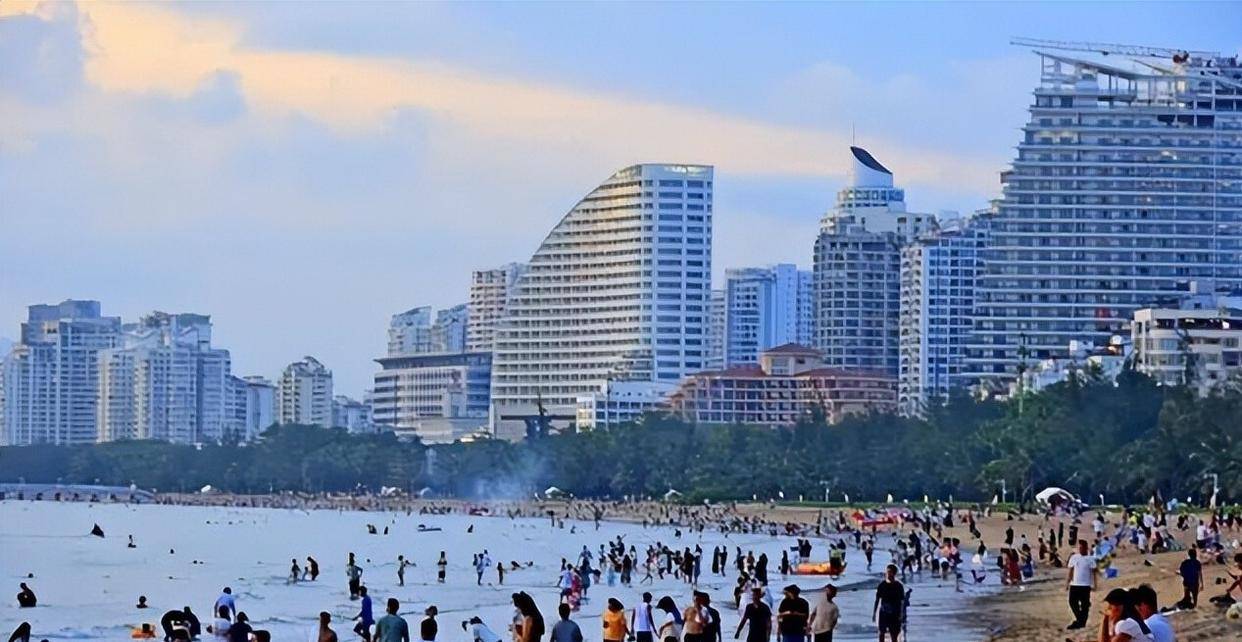
Core Viewpoint - The official launch of the Hainan Free Trade Port on December 18 marks a significant shift in trade dynamics, transforming previously theoretical policies into tangible profit opportunities for traders [1] Group 1: Policy Changes - "One line open" allows for zero-tariff movement of goods between Hainan and foreign countries, while "two lines manage" establishes a control line between Hainan and mainland China to prevent tax-free goods from flooding the domestic market [3] - The policy of "processing value-added over 30% exempt from tariffs" enables foreign raw materials to enter Hainan, be processed, and then sold to mainland China without import duties, significantly impacting traditional transshipment trade models [3] Group 2: Economic Impact - The direct shipping volume from Yangpu Port to Indonesia surged by 78% in the first ten months of 2025, while Singapore's transshipment volume to Indonesia dropped by 23% [4] - Major companies like the Golden Agri-Resources Group are establishing factories in Yangpu, saving up to $120 million annually in transshipment costs [4] - The cost advantages in Yangpu include a 8%-15% lower price for bonded fuel compared to Singapore, and a maximum corporate and personal income tax rate of 15%, lower than Singapore's 17% [4] Group 3: Shipping and Trade Dynamics - The volume of bonded fuel at Yangpu Port increased by 210% year-on-year in the first three quarters of 2025, with 30% of clients coming from ships registered in Singapore [6] - The number of container ships passing through the Malacca Strait from China decreased by nearly 40% in the first half of 2025, leading to a 30% drop in Singapore's port container throughput [6] Group 4: Broader Economic Shifts - The energy supply and financial services sectors in Singapore are facing challenges as China's energy transport routes diversify, reducing reliance on Singapore [8][10] - The transformation of Hainan is creating new job opportunities, attracting talent from various regions, while also leading to rising costs and pressures in local businesses [10] Group 5: Competitive Landscape - The competition between Hainan and Singapore is characterized by differentiated positioning, with Singapore maintaining its reputation in high-end services while Hainan focuses on processing and trade linked to the vast Chinese market [12] - The global trade landscape is shifting from a "sugar stick model" to a "spider web model," reducing dependency on Singapore for trade between China and ASEAN countries [13]

海南自贸港全岛正式封关,多类金融机构抢滩落子
Feng Huang Wang· 2025-12-18 13:47
Core Insights - The establishment of the Hainan Free Trade Port is expected to significantly enhance cross-border payment and settlement processes, reducing fees by up to 50% for traders and cross-border e-commerce businesses [1][3] - The EF account system has been implemented, facilitating cross-border transactions and is projected to see a substantial increase in foreign loans, with a year-on-year growth of 248.53% by October 2025 [1][6] - Financial institutions are rapidly entering Hainan, with banks and non-bank financial entities expanding their operations in anticipation of the benefits from the free trade port [1][5][7] Financial Infrastructure Development - The EF account and cross-border fund concentration center are transforming the perception of Hainan as a financial hub for trade [4] - Hainan's financial landscape allows for dual licensing of financial enterprises, enhancing flexibility in cross-border payments and small currency settlements [3] - The integration of international payment solutions and digital applications is expected to improve cross-border consumption and personnel exchanges in Hainan [4] Banking Sector Dynamics - Major banks are intensifying their presence in Hainan, with state-owned and joint-stock banks enhancing their resources and institutional frameworks [5] - The establishment of cross-border financial centers and strategic partnerships with local financial institutions indicates a robust commitment to developing Hainan's financial ecosystem [5] - The anticipated increase in cross-border fund flow efficiency and innovative account systems may create new business opportunities for banks [5] Non-Bank Financial Institutions - Non-bank financial institutions are emerging as a significant force in Hainan's financial system, with leasing companies entering the market to explore new business models [7] - The establishment of a gold trading infrastructure in Hainan marks a significant development, enabling a closed-loop for gold-related financial services [7] - Continuous entry of insurance, reinsurance, and specialized financial service providers is expected to further diversify Hainan's financial offerings [7]
天津市委金融办搭建“政金企”对接合作平台
Zhong Guo Fa Zhan Wang· 2025-12-12 08:29
Core Insights - The event "Finance Goes into Port-Industry-City" was organized to enhance financial support for the integration of port, industry, and city in Tianjin, resulting in over 79.2 billion yuan in signed agreements with 21 enterprise projects [1][2] - The China Bank and PICC jointly released a specialized service plan for shipping finance, marking it as the first in Northern China and the second nationwide, aimed at boosting Tianjin's shipping finance development [1] - The Tianjin Shipping Finance Development Index Report (2025) indicates significant progress, with a projected composite index of 172.40 points for 2024, reflecting an 18.03% year-on-year increase and a compound annual growth rate of 14.59% from 2020 to 2024 [1] Financial Support Measures - The Tianjin Municipal Financial Office presented various measures to support high-quality integration of port and city development, while financial institutions shared their products and services [2] - The event facilitated direct communication between financial institutions and shipping enterprises, fostering information exchange and innovative ideas for shipping finance development [2] Future Development Plans - The Tianjin financial system aims to enhance service standards and expand the influence of Tianjin's shipping finance, with a focus on creating a unique shipping finance service system that supports high-quality economic development in Northern China [2]
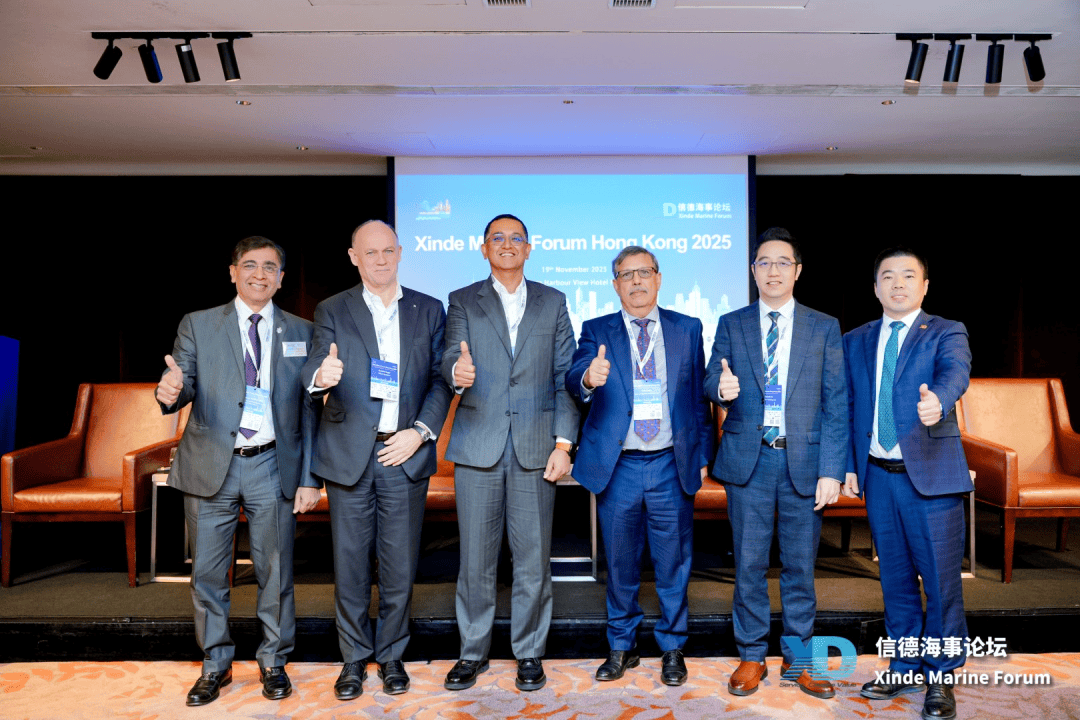
信德海事论坛:当前航运融资,走到哪一步了?
Sou Hu Cai Jing· 2025-12-10 18:04
Core Insights - The maritime industry has experienced an unprecedented profit cycle over the past five years, characterized by soaring asset prices, strong cash flows, and loose financing conditions [1] - A significant shift is occurring in the industry, where financing is no longer just about availability of funds, but rather about the structural ability to withstand future risks [1][3] - The current financing landscape is marked by deep differentiation rather than a simple tightening or loosening of conditions [1] Financing Conditions - Financing conditions remain very loose, with industry leaders emphasizing that it has never been easier to secure financing [3] - However, the risks in the industry are accumulating, with concerns about the volatility and structural risks associated with shipping bonds, geopolitical changes, and the potential turning point in demand growth [3][4] Role of Chinese Leasing - Chinese leasing has become an irreplaceable part of global shipping finance, with long-term loans being particularly attractive for asset-heavy shipping industries [4][6] - The shift from traditional bank financing to Chinese leasing is evident, as it provides stability in capital structure and mitigates refinancing risks associated with the long asset cycles in shipping [6] Future Competition in Financing - Future competition in shipping finance is expected to focus on capital structure capabilities rather than just the ability to secure funds [6][8] - The industry is transitioning from a phase of loose financing to one characterized by structural differentiation, where not all companies can access the appropriate funds for their survival [8] - The role of Chinese leasing is increasingly seen as a stabilizing force in the global shipping finance system, amidst rising pressures from potential downturns [8]
绘就航运金融新图景 天津航运金融发展指数发布
Xin Hua Wang· 2025-12-10 11:08
Core Insights - The "Xinhua·Tianjin Shipping Financial Development Index" was officially released, indicating a steady growth trend in Tianjin's shipping finance sector with a compound annual growth rate (CAGR) of 14.59% since the base period [1] - The index value for 2024 is projected to reach 172.40 points, representing an 18.03% year-on-year increase, showcasing a dual-driven pattern of "scale expansion + quality upgrade" [1] - The shipping financing business continues to lead, with an index value of 204.53 points in 2024, reflecting a 24.32% year-on-year growth and a CAGR of 19.59% [1] - The shipping insurance sector has also seen significant growth, with a freight insurance index increasing by 34.48%, contributing to the overall rise in shipping insurance [1] - Cross-border RMB usage has reached a new high in 2024, with a business volume exceeding 540 billion yuan, marking a 39% year-on-year increase and maintaining positive growth for five consecutive years [1] Financial Derivatives and Macro Environment - Shipping financial derivatives continue to innovate, balancing risk hedging and value discovery, with the index for these derivatives reaching 138.19 points in 2024, a 7.1% increase year-on-year and a CAGR of 8.42% [2] - Tianjin has developed a macro environment characterized by strong policies, deep industry engagement, and broad openness, enhancing the shipping financial ecosystem and supporting global shipping resource allocation [2] - The report highlights fifteen significant developments in Tianjin's shipping finance for 2024, including the launch of the first digital loan product for shipping fees and the establishment of a cross-border RMB business development mechanism [2] Index Model and Evaluation - The Xinhua·Tianjin Shipping Financial Development Index model focuses on five core dimensions: ship financing, shipping insurance, fund settlement, shipping financial derivatives, and macro environment [3] - This model quantitatively tracks the effectiveness of shipping finance development in Tianjin, promoting the optimization of financial resources and providing valuable references for the construction of the Northern International Shipping Core Area [3]
聚焦绿色数智趋势·促进航运产融合作——2025航运投融资对接大会圆满举办|航运界
Sou Hu Cai Jing· 2025-12-06 02:22
Core Insights - The "2025 Shipping Investment and Financing Matchmaking Conference" was held in Shanghai, focusing on shipping technology and green energy industry chains [2][3] - The event gathered over 50 guests from domestic and international shipping tech companies, investment institutions, government departments, banks, and leasing companies to discuss financial investment and industry integration [3][6] Group 1: Event Overview - The conference is part of the "2025 Pudong Shipping Week" series and is co-hosted by Shangyang Private Equity Fund Management Company and Shipping World Network, with support from local government agencies [2][3] - The event aims to promote deep integration between quality enterprises in shipping technology and green decarbonization with capital [6] Group 2: Industry Context - Pudong New Area is highlighted as a key area for shipping industry investment, housing over 13,000 shipping companies, including more than 1,100 shipping technology firms [5] - The region aims to leverage its policy and industrial advantages to foster the development of new productive forces in shipping [5] Group 3: Participating Companies and Innovations - Eight leading domestic companies and three award-winning overseas companies presented at the conference, focusing on various aspects of shipping technology and services [6][7] - Companies included those specializing in autonomous freight trucks, navigation systems, high-end marine power systems, and digital platforms for cross-border logistics [7] Group 4: Investment Opportunities - The event featured participation from various investment and financial institutions, facilitating discussions and exchanges between capital providers and innovative enterprises [7][9] - Shangyang Private Equity Fund is establishing a "Shipping ESG Industry Fund" to support the digital, intelligent, and green transformation of the shipping industry [9]

在进博,见证中国贸易数字化加速度
Zhong Guo Jing Ji Wang· 2025-11-13 00:34
Group 1 - The core viewpoint of the article emphasizes the transformation of global trade through digitalization, with the Chinese market playing a crucial role in this change [1] - The "Xun Da Piao Fu" digital platform showcased at the China International Import Expo (CIIE) significantly reduces the invoicing and payment process from several days to just 15 minutes, demonstrating a major advancement in shipping finance digitalization [1] - The platform has been upgraded to include offline payment self-service for customers, allowing for a complete process of bill viewing, payment matching, and automatic reconciliation in a unified interface [1] Group 2 - The digital initiatives by the company in China include a WeChat mini-program for cargo tracking and a KIOSK project that integrates optical character recognition and artificial intelligence, setting new benchmarks for industry efficiency and sustainability [2] - "Xun Da Piao Fu" is opening new supply chain financing opportunities for small and medium-sized enterprises by connecting them with banking resources, showcasing the company's commitment to operational transparency and digital solutions [2] - The company’s participation in the CIIE for the eighth consecutive year reflects its unwavering commitment to the Chinese market and its vision to drive digital transformation alongside China [2] Group 3 - Standard Chartered Bank has also been actively participating in the CIIE, focusing on cross-border financial services, trade financing, and sustainable finance to meet the global needs of enterprises [3] - HSBC is presenting comprehensive financial solutions to address the new demands of Chinese enterprises in the 3.0 era of going global, highlighting China's efforts to create a shared global market [3] - UOB is showcasing customized services for cross-border e-commerce and supply chain finance, aiming to establish a trade service hub between China and ASEAN [3]