
餐饮食品

Search documents
宿州淮南分别为烧鸡和牛肉汤立法
Xin Hua Wang· 2026-01-01 02:18
Core Insights - The legislative efforts in Suzhou and Huainan aim to protect and promote traditional local delicacies, specifically the Suzhou Fuli Ji Roast Chicken and Huainan Beef Soup, by establishing regulations that will take effect in early 2026 [1][2] Group 1: Legislative Framework - The Suzhou and Huainan regulations will provide legal frameworks for food safety, quality control, and brand development, facilitating standardized and scaled growth of the respective industries [1][2] - The Suzhou regulation encourages innovation in the Fuli Ji Roast Chicken industry, promoting a traceability system throughout the production lifecycle and supporting brand cultivation [1] Group 2: Industry Challenges and Solutions - The Huainan regulation addresses challenges such as fragmented raw material supply, inconsistent production standards, and insufficient brand protection, aiming to establish a comprehensive industry standard system [2] - Both regulations recognize the potential of "food + tourism" as a new consumption model, encouraging the development of experiential and cultural tourism around these local delicacies [2] Group 3: Cultural Heritage Protection - Both the Fuli Ji Roast Chicken and Huainan Beef Soup are recognized as provincial intangible cultural heritage, and the new laws aim to safeguard these culinary traditions while promoting local cultural identity [2] - The Suzhou regulation includes measures for historical research and the establishment of cultural museums, while the Huainan regulation supports the training and innovation of heritage practitioners [2]
9个月分红41亿!巨头上市“速套现”,超七成流入老板口袋……
Sou Hu Cai Jing· 2025-12-05 01:08
Core Viewpoint - The restaurant industry in 2025 is experiencing a dramatic contrast, with brands like Gu Ming and Mi Xue Bing Cheng showing significant growth, while the capital market witnesses a wave of cash-out activities in the food and beverage sector [1][6]. Group 1: Company Performance - Gu Ming reported impressive results for the first half of 2025, with revenue increasing by 41.2% and net profit soaring by 121.5%, reaching 1.625 billion yuan [3][4]. - The total number of Gu Ming stores surpassed 11,000, making it the second tea brand to achieve this milestone after Mi Xue Bing Cheng [1][3]. - The average daily GMV per store rose from 6,200 yuan to 7,600 yuan, and the average daily cups sold increased from 374 to 439 [3]. Group 2: Capital Market Activities - Gu Ming initiated two rounds of dividend payouts totaling 4.1 billion HKD within just nine months of its IPO, which exceeds the company's net profit accumulated over the past year and a half [5][6]. - Approximately 2.7 billion HKD of the dividends flowed into the founder's team, raising concerns about the implications for long-term corporate governance [6][9]. - The broader trend in the A-share market shows a significant "dividend wave," with over 1,034 listed companies announcing mid-term dividend plans, expected to exceed 734.9 billion yuan [6]. Group 3: Market Trends and Concerns - The phenomenon of substantial cash-outs by shareholders is not isolated to Gu Ming, as other companies in the food and beverage sector are also engaging in similar practices, raising questions about their motivations for going public [12][14]. - The actions of major shareholders, such as selling shares before or after dividend announcements, often signal a lack of confidence in the company's short-term prospects [12][16]. - The ongoing discussions around Gu Ming's dividend strategy provide important insights into the capitalized processes within the food and beverage industry [18].


大东方:11月24日召开董事会会议
Mei Ri Jing Ji Xin Wen· 2025-11-24 16:33
Group 1 - The core point of the article is that Dazhongfang (SH 600327) held a temporary board meeting on November 24, 2025, to discuss the proposal for transferring equity and debt of its controlling subsidiary [1] - For the first half of 2025, Dazhongfang's revenue composition was as follows: medical services accounted for 79.25%, department store retail for 14.91%, food and beverage sales for 5.7%, other for 0.57%, and offset for -0.44% [1] - As of the report, Dazhongfang's market capitalization was 4.4 billion yuan [1] Group 2 - Dapeng Industrial's strategic placement benefited its insiders, with a subscription price of 9 yuan, and the stock surged to 118 yuan on its first trading day, resulting in a paper profit of 24.92 million yuan for the actual controller and his brother [1]

2025年中国餐饮食品连锁加盟行业白皮书
艾瑞咨询· 2025-11-23 00:05
Core Insights - The Chinese catering and food chain franchise industry is undergoing significant transformation, driven by macroeconomic recovery and increasing consumer spending power, leading to market expansion and digital transformation [1][4][9] Market Overview - The Chinese catering food market reached a scale of 12.6 trillion yuan, with a compound annual growth rate (CAGR) of approximately 7.2% from 2020 to 2024, driven by both catering services and retail [9] - The average annual growth rate of GDP is projected at 6.9%, while the retail sales of consumer goods are expected to grow at about 5.5%, indicating a resilient domestic demand [4] Consumer Behavior - Urban and rural residents' per capita consumption expenditure is showing a recovery trend, with urban residents growing at 6.4% and rural residents at 8.9% annually, reflecting the ongoing vitality of the lower-tier markets [6] - The demand for food and beverages remains stable, with food and alcohol expenditures showing strong resilience, providing a solid demand foundation for the catering industry [6] Industry Trends - The chain rate in the catering service sector is expected to rise from 15% in 2020 to 24% by 2025, indicating a shift towards more standardized and digitalized operations [12] - The rise of "at-home dining" is reshaping the industry, with this market segment growing at an annual rate of 18.4%, significantly outpacing overall food retail growth [10][36] Competitive Landscape - The franchise market is dominated by the catering sector, which accounts for nearly 50% of the market, but most franchise businesses are still in early expansion stages, with nearly 80% of franchise companies having fewer than 10 stores [20][22] - Major brands like Mixue Ice City and Zhengxin Chicken are rapidly expanding their networks, joining the "10,000 stores" club through franchise models [22] Investment Considerations - Franchisees are increasingly focused on competition and financial returns, with a shift from broad expansion to refined operations and careful site selection [24] - The "at-home dining" segment is favored by franchisees due to its lower investment threshold and shorter return on investment period, making it an attractive option for new investors [34][36] Digital Transformation - The industry is moving towards digitalization to support scale expansion and profitability, with brands leveraging data-driven site selection and standardized operational systems to reduce risks for franchisees [44] Franchisee Dynamics - A growing number of professional franchisees are emerging, leading to a two-way selection process between brands and franchisees, emphasizing the importance of operational support and clear profit models [47][48]

2025年中国餐饮食品连锁加盟行业白皮书
艾瑞咨询· 2025-10-13 00:06
Core Insights - The Chinese restaurant food chain franchise industry is undergoing significant transformation, driven by macroeconomic recovery and increasing consumer spending power, leading to market expansion and digital transformation [1][4][9] Market Overview - The Chinese restaurant food market is projected to reach 12.6 trillion yuan, with a compound annual growth rate (CAGR) of approximately 7.2% from 2020 to 2024, driven by both service and retail sectors [9] - The restaurant service sector is recovering strongly post-pandemic, with an annual growth rate nearing 9%, while food retail is experiencing structural upgrades with high-value subcategories [9][10] Consumer Behavior - Urban and rural consumer spending is showing a recovery trend, with urban residents' spending growing at a CAGR of 6.4% and rural residents at 8.9% from 2020 to 2024, indicating strong demand for food and beverages [6] - The at-home dining market is rapidly growing at a CAGR of 18.4%, reflecting changing consumer preferences towards convenience and health [10][36] Industry Trends - The chain rate in the restaurant sector is expected to rise from 15% in 2020 to 24% by 2025, indicating a shift towards more standardized and digitalized operations [12] - The differentiation in chain categories is evident, with ready-to-drink beverages leading in chain rates, while traditional Chinese cuisine and barbecue lag behind due to lower standardization [15] Investment Opportunities - The at-home dining segment is favored by franchisees due to its lower investment threshold and shorter return on investment period, with monthly sales per store ranging from 80,000 to 200,000 yuan and a gross margin of 30-40% [34][35] - Franchisees are increasingly considering brands with clear operational support and profitability models, leading to a dual selection mechanism between brands and franchisees [48] Competitive Landscape - The competitive environment is shifting from rapid expansion to refined operations, with franchisees focusing on quality site selection and cost management to avoid saturated markets [24] - Major brands like Guoquan Shihui are emerging as leaders in the at-home dining segment, offering a diverse product matrix and strong operational support [39][40] Digital Transformation - The industry is recognizing the need for digital transformation to manage the complexities of expanding franchise networks, with data-driven decision-making becoming essential for operational efficiency [44] Franchisee Dynamics - The rise of professional franchisees with prior successful experiences is reshaping the franchise landscape, with brands focusing on nurturing successful cases to encourage repeat investments [47][48]



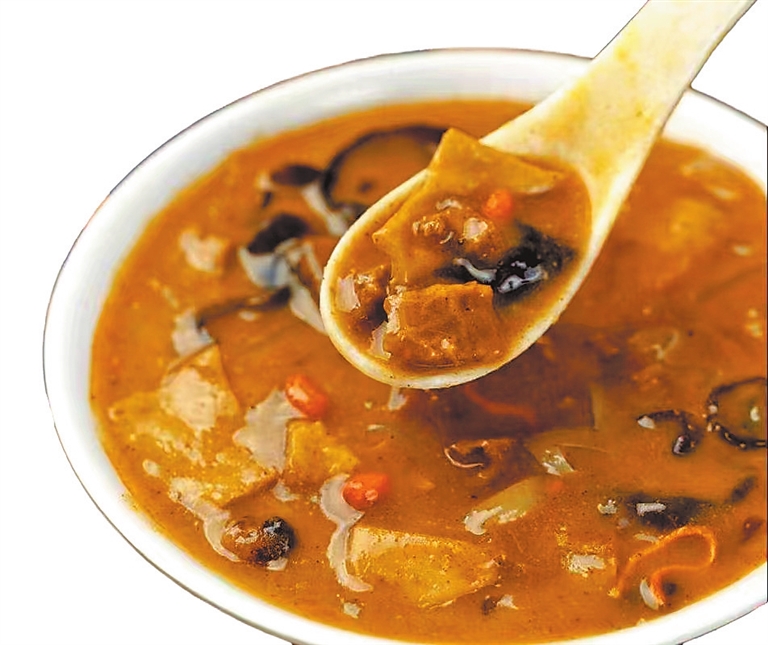
人民日报神州看点 一方水土一方味丨这碗胡辣汤,料足鲜香
He Nan Ri Bao· 2025-09-24 23:12
Core Viewpoint - The article highlights the cultural and economic significance of "Hu La Tang" (spicy soup) from Xihua County, Zhoukou City, Henan Province, emphasizing its unique production techniques and the growth of its industry as a local economic pillar [2][5][6]. Group 1: Cultural Significance - Hu La Tang is recognized as a traditional landmark food in Henan, with Xihua County's version being included in the national intangible cultural heritage list in 2021 [2]. - The soup's popularity is rooted in its historical connection to the water transport system in Xihua Town, where it was favored by boatmen and merchants [5]. - The soup has transcended local boundaries, attracting not only locals but also visitors from various regions, indicating its broad appeal [5]. Group 2: Economic Impact - The Hu La Tang industry in Xihua Town has become a significant economic driver, with 16 seasoning companies and over 60 product variations developed to meet consumer demand [6][7]. - Approximately 16,000 people from Xihua Town operate Hu La Tang businesses across nearly 4,600 stores nationwide, generating an income increase of 1 billion yuan [7]. - The industry supports around 200,000 individuals in related sectors, with an annual output value exceeding 4 billion yuan, showcasing a high agricultural product processing conversion rate of over 75% [7]. Group 3: Industry Development - The Hu La Tang production facility in Xihua Town has over 10 production lines, achieving an annual output value of 150 million yuan, and has diversified sales channels including supermarkets and e-commerce [6]. - The local government has initiated a strategy for standardization, branding, and internationalization of Hu La Tang, establishing a development center to create industry standards and improve quality control [7].
广州酒家业绩会:以线上+线下渠道融合拓展省外市场
Zheng Quan Shi Bao· 2025-09-01 10:31
Core Viewpoint - Guangzhou Restaurant Group reported a mixed performance in the first half of 2025, with revenue growth but a significant decline in net profit, indicating challenges in profitability despite stable operational performance [1][2]. Financial Performance - The company achieved a revenue of 1.99 billion yuan in the first half of 2025, a year-on-year increase of 4.2% [1]. - The net profit attributable to shareholders was 39.1 million yuan, down 33.1% year-on-year [1]. - The net profit excluding non-recurring items was 35.12 million yuan, a decrease of 30.4% year-on-year [1]. - The net operating cash flow was 60.22 million yuan, down 27.0% year-on-year [1]. - In Q2 2025, revenue was 945 million yuan, up 5.1% year-on-year, while the net profit improved from a loss of 12.33 million yuan to a loss of 11.91 million yuan [1]. Business Operations - The company focuses on a dual-core business model of "catering + food," emphasizing the development, production, and sales of traditional Cantonese foods, including seasonal products like mooncakes and rice dumplings [1]. - As of now, the company operates 52 direct-operated restaurants, with plans to enhance its presence in the Guangdong-Hong Kong-Macao Greater Bay Area and other regions [2]. Market Outlook - The second half of the year is traditionally a peak season for the catering and mooncake business, which is expected to significantly contribute to the company's performance [2]. - The company plans to expand its membership-based supermarket channels and interest e-commerce channels to enhance sales [2]. - The company is adjusting its operational strategies to meet market demands, focusing on quality improvement and service upgrades [2]. Product Pricing and Innovation - The mooncake pricing remains stable compared to the previous year, with new product offerings aimed at health-conscious consumers [2]. - Innovative products include low-GI mooncake gift boxes to cater to diverse consumer needs [2]. Geographic Expansion - In the first half of 2025, the company generated 833 million yuan in revenue from Guangdong Province, accounting for 41.88% of total revenue [3]. - The company is actively expanding its presence outside Guangdong through online and offline channel integration, enhancing brand exposure and promotional activities [3]. - The company is optimizing its distributor network, particularly focusing on high-quality distributors outside Guangdong [3].

广州酒家业绩会:以线上+线下渠道融合拓展省外市场
Zheng Quan Shi Bao Wang· 2025-09-01 10:29
Core Viewpoint - Guangzhou Restaurant's performance in the first half of 2025 shows a mixed result with revenue growth but a decline in net profit, indicating challenges in profitability despite stable operations in its core business segments [1][2]. Financial Performance - The company achieved a revenue of 1.99 billion yuan in the first half of 2025, a year-on-year increase of 4.2% [1]. - The net profit attributable to shareholders was 39.1 million yuan, down 33.1% year-on-year [1]. - The net profit after deducting non-recurring items was 35.1 million yuan, a decrease of 30.4% year-on-year [1]. - Operating cash flow net amount was 60.22 million yuan, down 27.0% year-on-year [1]. - In Q2, revenue was 945 million yuan, up 5.1% year-on-year, while the net profit improved from a loss of 123.3 million yuan to a loss of 119.1 million yuan [1]. Business Strategy - The company focuses on a dual-core business model of "catering + food," emphasizing the development, production, and sales of traditional Cantonese specialty foods [1]. - Guangzhou Restaurant operates over 50 dining establishments in the Guangdong-Hong Kong-Macao Greater Bay Area, Central China, and East China [1]. - The company has 52 direct-operated restaurants, including 27 "Guangzhou Restaurant" outlets and 24 "Tao Tao Ju" outlets [2]. Market Expansion - The company is expanding its presence outside Guangdong province by integrating online and offline channels, enhancing brand exposure, and optimizing the number of distributors [3]. - The company is focusing on increasing sales through e-commerce platforms, particularly in frozen products, by collaborating with influencers and utilizing self-broadcasting [3]. Product Development - The second half of the year is expected to be a peak season for the mooncake business, which is a core product category for the company [2]. - The company maintains a stable pricing system for mooncakes, introducing innovative products to meet diverse consumer needs, such as low-GI mooncake gift boxes [2].
广州酒家(603043.SH):2025年中报净利润为3910.07万元、同比较去年同期下降33.11%
Xin Lang Cai Jing· 2025-08-28 01:14
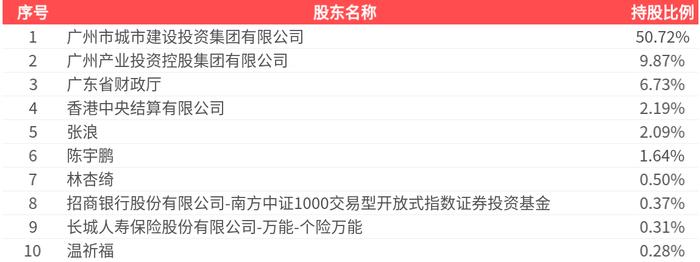
Core Viewpoint - Guangzhou Restaurant (603043.SH) reported a mixed performance in its 2025 interim results, with revenue growth but a significant decline in net profit and cash flow [1][2]. Financial Performance - The company's total operating revenue reached 1.991 billion yuan, ranking 6th among disclosed peers, an increase of 79.58 million yuan or 4.16% year-on-year [1]. - The net profit attributable to shareholders was 39.10 million yuan, ranking 12th among peers, a decrease of 19.35 million yuan or 33.11% year-on-year [1]. - Net cash inflow from operating activities was 60.22 million yuan, ranking 13th among peers, down by 22.23 million yuan or 26.97% year-on-year [1]. Financial Ratios - The latest debt-to-asset ratio stood at 39.22%, ranking 13th among peers, an increase of 4.63 percentage points from the previous quarter but a decrease of 2.15 percentage points year-on-year [1]. - The latest gross profit margin was 23.78%, ranking 15th among peers, down by 1.58 percentage points from the previous quarter and 2.09 percentage points year-on-year [1]. - The latest return on equity (ROE) was 1.09%, ranking 12th among peers, a decrease of 0.61 percentage points year-on-year [1]. Earnings Per Share and Turnover Ratios - The diluted earnings per share were 0.07 yuan, ranking 13th among peers, a decrease of 0.03 yuan or 33.17% year-on-year [2]. - The latest total asset turnover ratio was 0.31 times, ranking 12th among peers, an increase of 0.01 times or 4.54% year-on-year [2]. - The latest inventory turnover ratio was 4.58 times, ranking 6th among peers, an increase of 0.60 times or 15.09% year-on-year [2]. Shareholder Structure - The number of shareholders was 22,300, with the top ten shareholders holding 425 million shares, accounting for 74.71% of the total share capital [2]. - The largest shareholder, Guangzhou Urban Construction Investment Group Co., Ltd., holds 50.72% of the shares [2].
广州酒家上半年净利润同比下降33.11%
Bei Jing Shang Bao· 2025-08-27 13:11
Core Insights - Guangzhou Restaurant reported a revenue of approximately 1.991 billion yuan for the first half of 2025, representing a year-on-year growth of 4.16% [1] - The net profit attributable to shareholders decreased by 33.11% to 39.1007 million yuan, while the net profit after excluding non-recurring gains and losses fell by 30.37% to 35.1198 million yuan [1] - Basic earnings per share stood at 0.0687 yuan [1] Financial Performance - Revenue: 1.991 billion yuan, up 4.16% year-on-year [1] - Net Profit: 39.1007 million yuan, down 33.11% year-on-year [1] - Adjusted Net Profit: 35.1198 million yuan, down 30.37% year-on-year [1] - Basic Earnings per Share: 0.0687 yuan [1] Store Expansion - The company currently operates 52 direct-operated restaurants, including 27 "Guangzhou Restaurant" outlets, 1 "Xingyue City" outlet, and 24 "Taotaoju" outlets [1] - There are 18 franchised "Taotaoju" restaurants operated by third parties [1] - The renovation of the Wenchang store is nearing completion, with plans to reopen soon [1]