
资产管理

Search documents
安国俊:构建资管机构责任投资能力评估体系
Sou Hu Cai Jing· 2025-12-03 06:26
Core Insights - The 2025 Asset Management Institutions Responsibility Investment Capability Assessment System Report (RICE) was released at the 13th China Responsible Investment Forum, highlighting the need for a standardized evaluation framework for asset management institutions in China to enhance the domestic ESG ecosystem [2][3] - The report indicates significant disparities in the responsible investment capabilities of various financial institutions, with public funds showing potential for growth, insurance asset management improving overall performance, and bank wealth management subsidiaries in a steady transformation phase [2][3] Group 1 - The RICE assessment framework evaluates asset management institutions across six dimensions: strategy, management, products, climate, disclosure, and advocacy [2] - Public fund companies need to balance short-term market performance with long-term sustainability in their responsible investment strategies, while enhancing investor education and product design capabilities [3] - Insurance asset management should leverage long-term funding advantages by integrating ESG factors into asset allocation to improve long-term risk management [3] Group 2 - Bank wealth management can design low-volatility ESG products to meet stable return demands, while further integrating ESG into investment decisions to manage portfolio risks and enhance returns [3] - The report emphasizes the importance of developing green investment products and strengthening research and investment systems to improve investment management performance and fulfill environmental, social, and governance responsibilities [3] - Future efforts should focus on refining responsibility investment capability assessments, promoting innovation in green asset management products, and facilitating the entry of long-term capital into the market to support technological innovation and the development of green low-carbon industries [3]


港股异动 | 部分比特币概念股走高 美联储降息持续升温 比特币站上9.3万美元创两周新高
Zhi Tong Cai Jing· 2025-12-03 05:51
Core Viewpoint - Bitcoin-related stocks have seen a rise, influenced by increasing expectations of interest rate cuts by the Federal Reserve and significant developments in cryptocurrency asset management [1] Group 1: Stock Performance - Blue Ocean Interactive (08267) increased by 15.49%, trading at 0.41 HKD [1] - Boyaa Interactive (00434) rose by 4.68%, trading at 4.03 HKD [1] - New Fire Technology Holdings (01611) gained 2.95%, trading at 3.14 HKD [1] - OK Blockchain (01499) saw a 2% increase, trading at 0.204 HKD [1] Group 2: Market Conditions - The interest rate swap market indicates traders are betting on nearly four rate cuts of 25 basis points each within the next year, including one on December 10 [1] - Bitcoin surpassed 93,000 USD, rising over 2% in a day, marking a new high in nearly two weeks [1] Group 3: Asset Management Developments - Vanguard Group, the second-largest asset management company globally, has decided to allow major cryptocurrency-holding ETF products and mutual funds to trade on its large asset management platform, indicating a significant shift from its previously cautious stance on cryptocurrencies [1]


贝莱德、BlackRock等机构看空美国长期国债
Huan Qiu Wang· 2025-12-03 01:36
Group 1 - The core viewpoint of the article indicates that BlackRock has turned bearish on U.S. long-term government bonds, downgrading their investment rating from "neutral" to "underweight" [1] - BlackRock's report highlights concerns that the influx of new debt related to artificial intelligence financing could lead to increased borrowing costs and exacerbate government debt worries [1] - The report also notes that in a high public debt environment, additional leverage may result in rising interest rates [1] Group 2 - BlackRock anticipates that revenue growth driven by artificial intelligence will generally boost the U.S. stock market in the coming year, although certain companies may benefit more significantly from technological advancements [2] - The report suggests that entirely new revenue streams created by artificial intelligence may emerge, with an evolving distribution of these revenues that remains uncertain [2] - Identifying winners in this evolving landscape is expected to be a positive investment narrative [2]

全球风险资产“周二反弹”的背后:“资管巨头”先锋集团的“重大变化”
Hua Er Jie Jian Wen· 2025-12-03 01:09
周二,比特币等加密货币引领风险资产反弹,这背后是全球资产管理巨头先锋集团的一次重大转向。 先锋此前坚决拒绝涉足加密货币领域,认为数字资产过于投机且波动性过高,不符合其长期平衡投资组合的核心理念。如今的转向反映出持续的 零售和机构需求压力,以及对错失快速增长市场机遇的担忧。 而在贝莱德凭借比特币ETF大获成功之际,坚守"博格主义"的先锋在这一新兴资产类别上的松动,将对未来的资金流向产生深远影响。 先锋集团的重大变化:从"抵制"到"开放" 此次市场情绪反转的核心驱动力,源自全球第二大资产管理公司先锋态度的转变。据彭博确认,从周二开始,先锋允许拥有经纪账户的客户购买 和交易主要持有加密货币的ETF和共同基金(如贝莱德的IBIT)。 这一决定是一个明显的妥协。自2024年1月美国批准比特币现货ETF上市以来,先锋一直以"数字资产波动性大、投机性强,不适合长期投资组 合"为由,禁止在其平台上交易此类产品。然而,随着比特币ETF吸引了数十亿美元的资产,且贝莱德的IBIT规模即便在回撤后仍高达700亿美 元,来自客户(无论是散户还是机构)的持续需求迫使先锋改变立场。 此外,先锋现任CEO Salim Ramji曾是贝莱德的 ...
摩根资产管理2026年市场展望:如何在AI热潮与全球变局中行稳致远
Xin Lang Cai Jing· 2025-12-03 01:09
Core Insights - Morgan Asset Management's report highlights a complex yet opportunity-rich landscape for investors as they approach 2026, driven by AI technology and influenced by global trade and geopolitical fluctuations [1][6] - The report emphasizes the need for a balanced investment portfolio with a global perspective, moving beyond single-market or asset pursuits [1][6] Global Economic Outlook - The global economy is expected to exhibit a "strong-then-weak" growth pattern, with distinct narratives for different economies: China is entering its "15th Five-Year Plan" with new growth drivers; the US may see moderate growth as fiscal stimulus effects wane; Europe must balance fiscal expansion with debt discipline; and emerging Asian markets are poised for unique growth opportunities due to their integration into the global AI supply chain [7][9] - Future investment returns will increasingly depend on understanding global growth disparities and policy rhythms, necessitating flexible cross-market allocation strategies [2][7] Sector Analysis - In China, positive factors from 2025 may carry into 2026, but overall economic data could be weak, leading to a structurally driven market. Key sectors expected to see rapid profit growth include technology, industrials, communication services, and materials [8] - The US economy may experience strong growth in Q1 2026 due to tax refunds and AI-related capital expenditures, but a gradual slowdown is anticipated thereafter, impacting profit growth [3][8] - European economic growth may be supported by fiscal measures, but execution risks and trade policy uncertainties remain concerns [3][8] AI and Technology Investment - Rapid growth in AI applications is driving significant spending in software, hardware, and cloud resources, presenting opportunities for tech providers while raising concerns about infrastructure bottlenecks and rising costs [4][9] - Investors are encouraged to identify promising AI models and cloud service providers, as not all will succeed in the evolving landscape [4][9] Valuation and Strategy - Global stock market valuations remain high, with the S&P 500 and other markets trading well above historical averages, prompting a cautious investment strategy for 2026 [10] - Strong profit growth, particularly from AI applications, continues to support high valuations, benefiting Asian companies and driving further profit upgrades [10] - Investors should focus on diversification and rotation, reducing concentration in overvalued sectors, and consider defensive, dividend, and value assets to manage potential volatility from slowing growth and trade policy risks [10]
东方红资管总经理成飞: 资管机构应构建 “好投资+好服务+好品牌”护城河
Zheng Quan Shi Bao Wang· 2025-12-02 23:33
Core Insights - The asset management industry is entering a new phase of high-quality development, requiring institutions to explore differentiated paths while focusing on investment, service, and brand building [1][2]. Industry Overview - The overall scale of the asset management industry has exceeded 160 trillion yuan, with structural differentiation becoming evident among various segments [1]. - Public funds, insurance asset management, bank wealth management, and trusts have collectively surpassed 30 trillion yuan, intensifying the Matthew effect, while private equity, securities asset management, and futures asset management face severe competition [1]. Securities Asset Management - The entrusted scale of securities asset management is stable at 7 trillion yuan, but the industry needs new growth breakthroughs due to the end of large collective rectifications and declining fixed-income asset yields [2]. - Only 14 securities firms and their asset management subsidiaries have public fund management qualifications, holding a mere 2% market share in the public fund sector, with a similar incremental share for the year [2]. Development Path of Oriental Red Asset Management - The company emphasizes a customer-centric approach to build core competitiveness [2]. - It practices value investing and active management, establishing a comprehensive research and investment system across equity, fixed income, fund of funds (FOF), and quantitative fields, achieving good long-term investment returns [2]. - The company prioritizes customer experience through its "Oriental Red Long March" service system, enhancing service quality and reputation [2][3]. Brand Building and Challenges - The "Oriental Red Long March" initiative has conducted over 14,500 customer service events, reaching 2.09 million participants over the past 10 years [3]. - The company has consistently invested in brand building since its inception, aiming to accumulate brand assets and create a sustainable competitive advantage [3]. - Despite facing challenges in its differentiated development, the company believes that a successful asset management strategy is driven by "good investment + good service + good brand" [3]. Future Outlook - The company asserts that the asset management industry in China allows for diverse development paths, encouraging institutions to focus on core values and create differentiated competitive advantages [3].
拥抱AI赋能发展 助力投资穿越市场迷雾
Sou Hu Cai Jing· 2025-12-02 23:10
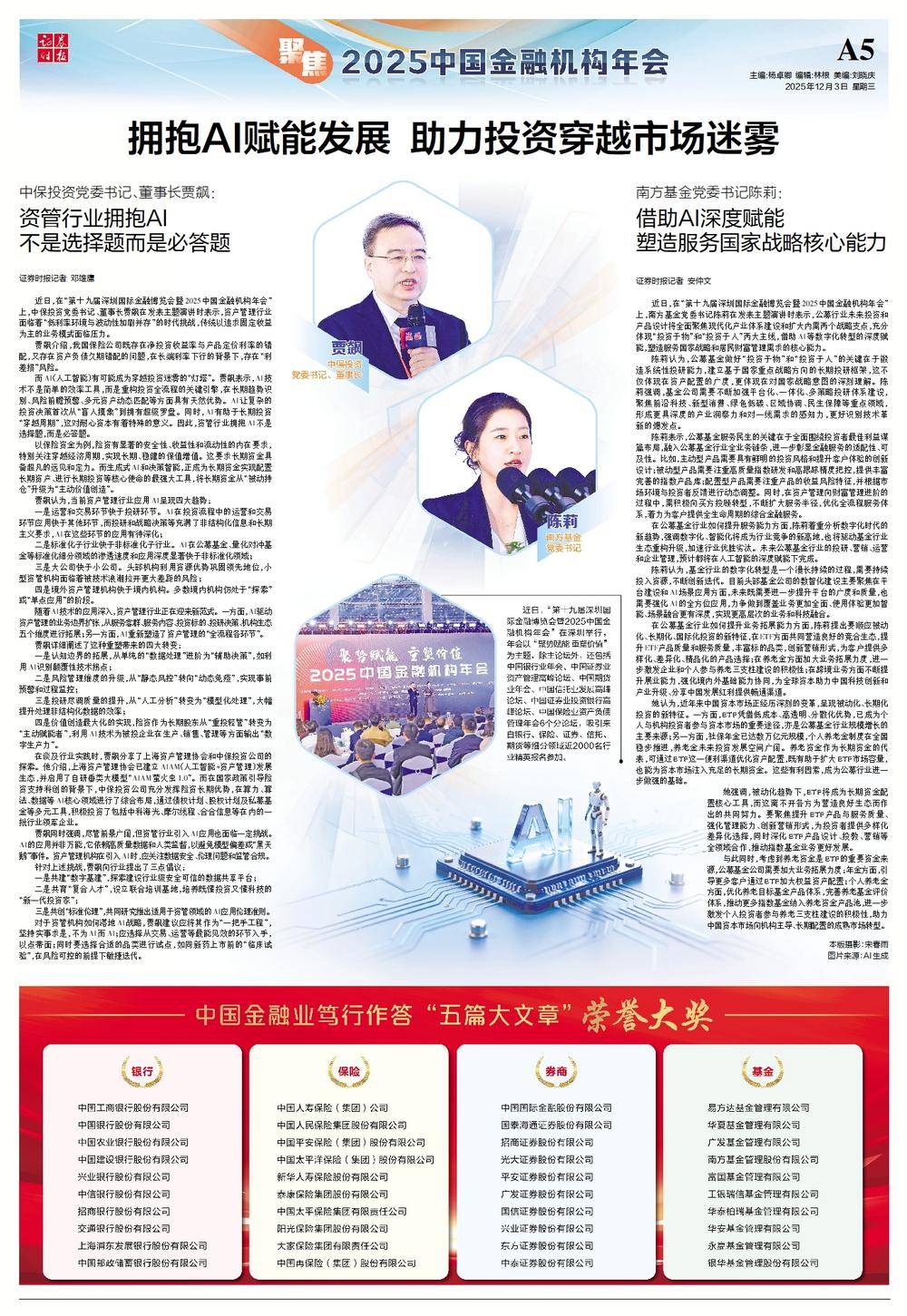
Core Insights - The asset management industry must embrace AI as a necessary evolution rather than an option, especially in the context of a challenging interest rate environment and increased volatility [2][3] - AI is seen as a transformative tool that can enhance investment decision-making processes, risk management, and operational efficiency, shifting the focus from passive to active value creation [2][3] Group 1: Industry Challenges and AI Integration - The asset management sector is facing pressure from mismatches in net investment returns and product pricing, as well as asset-liability duration mismatches [2] - AI can serve as a guiding light to navigate investment complexities, offering advantages in trend recognition, risk forecasting, and dynamic asset allocation [2][3] - The application of AI in the investment process is currently more advanced in operational and trading aspects compared to research and strategic decision-making [2][3] Group 2: AI's Impact on Investment Management - AI is expanding the boundaries of asset management across five dimensions: client service, service content, investment targets, research decision-making, and institutional attitudes [3] - The transition from static risk control to dynamic risk management is a significant upgrade facilitated by AI, allowing for proactive monitoring and intervention [3] - The quality of investment research is improving as AI shifts analysis from manual to model-based processing, enhancing the efficiency of handling unstructured data [3] Group 3: Industry Practices and Future Directions - The Shanghai Asset Management Association has established an AI development ecosystem and launched a proprietary AI model to enhance asset management practices [3] - Companies are encouraged to focus on data security, ethical considerations, and regulatory compliance when integrating AI into their operations [3] - The industry is urged to build a digital infrastructure for data sharing and to cultivate talent that combines investment knowledge with technological expertise [11]
史上首次!Vanguard向客户开放加密货币ETF交易 比特币一度突破9.2万美元
智通财经网· 2025-12-02 22:25
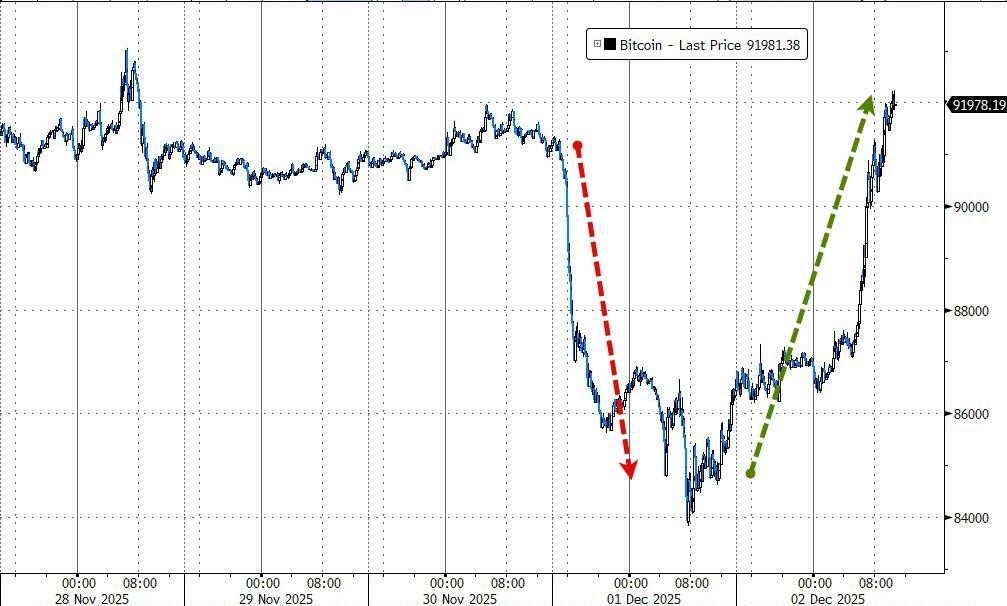
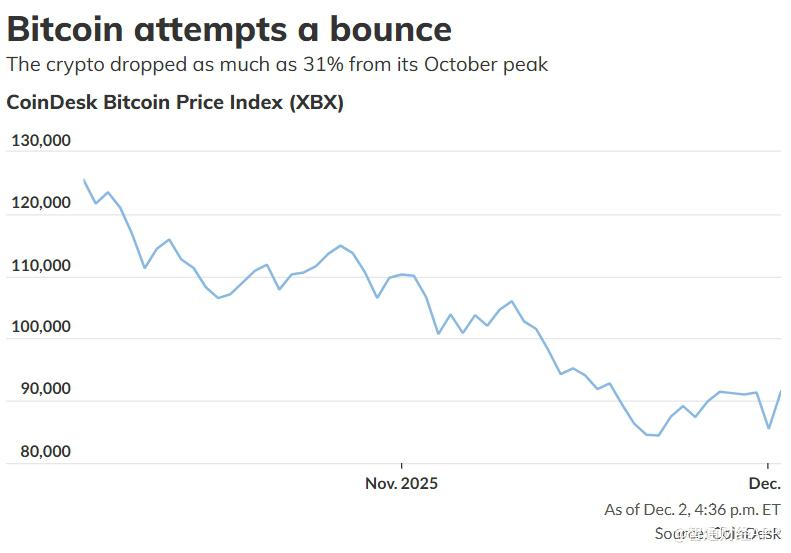
Group 1 - Vanguard has allowed customers to purchase third-party managed cryptocurrency ETFs on its brokerage platform, coinciding with a rebound in the digital asset market [1] - Customers can now trade multiple cryptocurrency ETFs and mutual funds, including BlackRock's iShares Bitcoin Trust, as well as ETFs linked to Ethereum and Ripple [1] - Vanguard emphasizes that it has no plans to launch its own cryptocurrency products, aiming instead to provide investors with more open trading channels [1] Group 2 - Bitcoin experienced a surge of over 7%, reaching above $92,000 before retreating to around $91,000, but remains down approximately 28% from its historical high in October [2] - The cryptocurrency market has seen significant volatility this year, with new funds pouring in as Bitcoin approached its October peak of $126,000, leading to substantial inflows into crypto ETFs followed by notable redemption waves [2] - Jim Ferraioli from Charles Schwab noted that the average cost basis for the U.S. spot Bitcoin ETF since its launch in January 2024 is around $84,000, indicating strong support at this level [3]
东方红资管总经理成飞: 资管机构应构建“好投资+好服务+好品牌”护城河
Zheng Quan Shi Bao· 2025-12-02 18:18
近日,在深圳举行的"第十九届深圳国际金融博览会暨2025中国金融机构年会"分论坛"中国证券业资产 管理高峰论坛"上,东方红资产管理总经理成飞发表主题演讲时表示,在行业高质量发展的新阶段,各 类资产管理机构需要依据自身禀赋不断探索差异化发展路径,在做好投资和服务的同时,重视品牌的培 育与长期建设,努力构建基业长青的护城河。 成飞认为,在资管行业规模增长、业态不断丰富的大背景下,各类型的资产管理机构迎来了高质量发展 新机遇,同时也面临着一些新挑战。今年以来,大资管行业整体规模超过160万亿元,但细分领域结构 性分化凸显。其中,公募基金、保险资管、银行理财和信托整体规模超30万亿元,马太效应加剧,而同 期私募、券商资管、期货资管等机构仍然面临着严峻的竞争格局。 就券商资管而言,一方面,7万亿元的受托规模虽然短期企稳,但伴随着大集合整改结束、固收资产收 益率下降,行业急需新的增长突破;另一方面,当前具有公募业务管理资格的券商及资管子公司仅有14 家,在公募领域市场份额占比仅2%,年内增量占比2%。公募白热化竞争,也对券商资管的综合实力提 出了更高要求。 三是在服务上,高度重视客户体验,持续构建以"东方红万里行"为核心 ...
中保投资党委书记、董事长贾飙: 资管行业拥抱AI不是选择题而是必答题
Zheng Quan Shi Bao· 2025-12-02 18:08
近日,在"第十九届深圳国际金融博览会暨2025中国金融机构年会"上,中保投资党委书记、董事长贾飙 在发表主题演讲时表示,资产管理行业面临着"低利率环境与波动性加剧并存"的时代挑战,传统以追求 固定收益为主的业务模式面临压力。 贾飙介绍,我国保险公司既存在净投资收益率与产品定价利率的错配,又存在资产负债久期错配的问 题,在长端利率下行的背景下,存在"利差损"风险。 二是标准化子行业快于非标准化子行业。AI在公募基金、量化对冲基金等标准化细分领域的渗透速度 和应用深度显著快于非标准化领域; 三是大公司快于小公司。头部机构利用资源优势巩固领先地位,小型资管机构面临着被技术浪潮拉开更 大差距的风险; 四是境外资产管理机构快于境内机构。多数境内机构仍处于"探索"或"单点应用"的阶段。 随着AI技术的应用深入,资产管理行业正在迎来新范式。一方面,AI驱动资产管理的业务边界扩张, 从服务客群、服务内容、投资标的、投研决策、机构生态五个维度进行拓展;另一方面,AI重新塑造 了资产管理的"全流程各环节"。 贾飙详细阐述了这种重塑带来的四大转变: 一是认知边界的拓展,从单纯的"数据处理"进阶为"辅助决策",如利用AI识别颠覆性技 ...