
医疗

Search documents
去年张家港市政协收到提案310件
Su Zhou Ri Bao· 2026-02-10 00:26
Group 1 - Zhangjiagang City received a total of 310 proposals during the 5th session of the 13th CPPCC, with 221 proposals officially filed after review [1] - Proposals focused on new quality productivity, modern industrial system, low-altitude economy, artificial intelligence, digital transformation, and innovative investment mechanisms, with 23 proposals submitted in these areas [1] - The city’s Development and Reform Commission is actively implementing special support policies to accelerate the formation of a low-altitude economic industrial ecosystem [1] Group 2 - In key areas such as port capacity enhancement, efficient land use, labor security, and capital cultivation, 26 proposals were filed by committee members [1] - The city is responding to suggestions for revitalizing port advantages and building smart ports by strengthening infrastructure and promoting the integration of port, industry, and city [1] - The city’s Human Resources and Social Security Bureau is exploring the establishment of a smart human resources market to address labor shortages [1] Group 3 - In the fields of elderly care, education, healthcare, employment, and food safety, proposals are closely aligned with public expectations [2] - The city’s Civil Affairs Bureau has adopted suggestions to optimize elderly meal assistance services, increasing operational subsidies and renovating 7 meal points [2] - The Education Bureau is focusing on mental health for middle and primary school students, promoting the integration of medical, educational, and community resources [2] Group 4 - The CPPCC will focus on the theme of "striving for a good start" in 2026, aiming to achieve the "128" annual target and contribute to the modernization of Jiangsu [2] - The CPPCC aims to leverage its role as a specialized consultative body to gather wisdom and strength for the successful implementation of the 14th Five-Year Plan [2]
关于江苏省2025年预算执行情况与2026年预算草案的报告(摘要)
Xin Hua Ri Bao· 2026-02-09 23:34
Group 1 - The total general public budget revenue for the province in 2025 is projected to be 18,478.72 billion yuan, with total expenditure of 16,588.81 billion yuan, resulting in a carryover for next year's expenditure of 945.54 billion yuan [1] - The provincial government fund budget revenue is expected to be 15,448.08 billion yuan, with expenditures of 13,383.31 billion yuan, leading to a carryover of 2,064.77 billion yuan for the next year [1] - The total social insurance fund revenue is projected at 9,487.93 billion yuan, with expenditures of 9,047.66 billion yuan, resulting in a surplus of 440.27 billion yuan for the year [1] Group 2 - The expected debt balance at the end of 2025 is 33,927.54 billion yuan, which is within the approved limit [2] Group 3 - The province will implement 13 measures to support high-quality development, with a focus on resource coordination and maintaining positive growth in tax revenue [3] - A total of 881.18 billion yuan will be allocated to support consumption and major project construction [3] - The province will provide 2.5% interest subsidies to 926 key foreign trade export enterprises to support their development [3] Group 4 - The province plans to spend over 745 billion yuan on science and technology in 2025, aiming for a research and development intensity of 3.38% [4] - More than 130 billion yuan will be allocated to support rural revitalization and ensure stable production of important agricultural products [4] - Over 90 billion yuan will be invested in ecological environment improvement and green transformation [4] Group 5 - The province will reduce unemployment insurance fees by 173.60 billion yuan and provide various employment support funds totaling 53.21 billion yuan [5] - Education spending is projected to be 2,894.2 billion yuan, an increase of 4.94% from the previous year [5] - A total of 50.21 billion yuan will be allocated for various social assistance programs [5] Group 6 - The province has established a debt management system recognized by the Ministry of Finance, which will be promoted nationwide [6] - Over 2,100 billion yuan will be allocated to ensure stable payments for the "three guarantees" at the grassroots level [6] Group 7 - The province will deepen zero-based budgeting reforms and enhance budget performance management, saving 800 million yuan with a savings rate of 16.4% [7] Group 8 - The expected general public budget revenue for 2026 is 10,450 billion yuan, with a growth target of 2% [8] - The total expenditure for 2026 is projected to be 15,340 billion yuan, with a growth of 1% [8] Group 9 - The province will allocate 234 billion yuan to stimulate consumption through a new round of consumption incentives [9] - Over 200 billion yuan will be invested in key infrastructure projects [9] Group 10 - The province will support traditional industries and enhance manufacturing competitiveness with a budget of 18 billion yuan [10] - A total of 20 billion yuan will be allocated to address key technology gaps in the industrial chain [10] Group 11 - The province will invest 265 billion yuan to support food security and rural revitalization [11] - 10 billion yuan will be allocated for agricultural technology research and development [11] Group 12 - The province will allocate 92 billion yuan to ensure the funding needs for 12 categories of 45 livelihood projects [12] - Education spending is projected to increase to 423.68 billion yuan, a growth of 4.8% [12] Group 13 - The province will invest 43 billion yuan in pollution prevention and environmental protection initiatives [13] - 14 billion yuan will be allocated for ecosystem protection and restoration [13] Group 14 - The expected revenue for the government fund budget is 6,348.60 billion yuan, with expenditures of 8,000 billion yuan, maintaining balance [14] Group 15 - The province will enhance fiscal management to support sustainable development and improve the efficiency of fiscal governance [15] - A focus will be placed on risk prevention to ensure fiscal safety [15]
念好新时代“山海经”——来自福建的调查
Jing Ji Ri Bao· 2026-02-09 22:38
Core Viewpoint - The article emphasizes the importance of enhancing regional development coordination and promoting urban-rural integration in Fujian through the strategy of "mountain-sea cooperation," which aims to achieve common prosperity and shared development outcomes [1]. Mechanism Innovation - The Fuzhou-Nanping New Era Mountain-Sea Cooperation Party and Government Joint Conference was held on November 12, 2025, marking a significant step in deepening cooperation between Fuzhou and Nanping [2]. - In 2023, Fujian Province issued guidelines to further deepen mountain-sea cooperation, optimizing collaboration relationships among cities and counties, and establishing a robust policy framework [2]. - A total of 6.32 billion yuan was allocated for cooperation funding in 2024, providing strong support for the development of mountainous areas [2]. Industry Coordination - Fujian is advancing industrial collaboration, infrastructure connectivity, and public resource sharing, with 101 key mountain-sea cooperation projects underway [3]. - The "flying economy" model is being promoted to address regional development imbalances by integrating coastal advantages with mountainous resources [5]. - The Xialong Mountain-Sea Cooperation Industrial Park has signed 34 projects with a total investment exceeding 1.6 billion yuan since 2025 [5]. Infrastructure Connectivity - The completion of the Minjiang Waterway Hub has significantly increased the shipping capacity from 50 tons to 500 tons, enhancing trade routes between inland and coastal areas [8]. - The South Ping Port has facilitated over 340,000 tons of goods since its reopening in December 2022, improving logistics networks and reducing costs for local enterprises [9]. - A comprehensive transportation network is being developed, including railways and highways, to strengthen the connection between mountains and seas [10]. Shared Livelihood - Since April 2023, the Longyan Traditional Chinese Medicine Hospital has integrated with Xiamen University, enhancing medical education and research capabilities [11]. - Fujian has organized 45 specialized recruitment fairs and training sessions for over 60,000 rural workers to promote employment in mountainous areas [13]. - The disposable income gap among residents is narrowing, with the urbanization rate reaching 71.8% and the urban-rural income ratio decreasing to 2.06 [13].
念好新时代“山海经”
Xin Lang Cai Jing· 2026-02-09 22:25
Core Viewpoint - The article emphasizes the importance of enhancing regional development coordination and promoting urban-rural integration in Fujian through the strategy of "mountain-sea cooperation" initiated by Xi Jinping, aiming for shared prosperity and effective resource utilization [1]. Mechanism Innovation - The Fuzhou-Nanping New Era Mountain-Sea Cooperation Party and Government Joint Conference was held, marking a significant step in deepening cooperation between Fuzhou and Nanping [2]. - In 2023, Fujian Province issued guidelines to further deepen mountain-sea cooperation, optimizing collaboration relationships and establishing three pairs of city-to-city cooperation [2]. - A total of 6.32 billion yuan was allocated for cooperation funding in 2024, providing strong support for mountainous areas [2]. Industry Coordination - 101 key mountain-sea cooperation projects are progressing, with significant achievements in the construction of six key "industrial and technological innovation zones" [3]. - The "flying economy" model is being promoted to address regional development imbalances, combining coastal advantages with mountainous resources [5]. - The Xialong Mountain-Sea Cooperation Industrial Park has signed 34 projects with a total investment exceeding 1.6 billion yuan since 2025 [5]. Infrastructure Connectivity - The completion of the Minjiang Waterway Hub has significantly increased the shipping capacity from 50 tons to 500 tons, enhancing trade routes between inland and coastal areas [8]. - The South Ping Port has facilitated over 340,000 tons of goods since its reopening, improving logistics networks and reducing costs for local enterprises [9]. - A comprehensive transportation network is being developed, including railways and highways, to strengthen connections between mountainous and coastal regions [10]. Shared Livelihood - In the healthcare sector, coastal hospitals are providing support to 25 mountainous county hospitals, with over 300 medical personnel conducting outreach [13]. - Employment initiatives have been launched, including 45 specialized recruitment fairs and vocational training for over 60,000 individuals [13]. - The income disparity among residents is gradually decreasing, with the urbanization rate reaching 71.8% and the urban-rural income ratio narrowing to 2.06 [13].
NEC's Hassett Warns of Weaker Jobs Report
Youtube· 2026-02-09 16:53
Luke Tilley of Wilmington Trust writes in The US labour market is in an extremely weakened condition. We are officially projecting a 60,000 gain in private payrolls and the unemployment rate to tick up to 4.5%. Lo joins us now for more.Welcome back. I feel like I've been asking this question for the best part of 12 months now. What is a good number on Wednesday.What does that look like these days. Well, it's obviously a lot lower because of the low labor force growth that we have. But I don't spend a lot of ...


2月9日创业板医疗(970082)指数涨0.71%,成份股迪安诊断(300244)领涨
Sou Hu Cai Jing· 2026-02-09 10:54
Core Viewpoint - The ChiNext Medical Index (970082) closed at 3910.25 points on February 9, 2023, with a gain of 0.71% and a trading volume of 13.76 billion yuan, indicating a positive market sentiment in the medical sector [1]. Group 1: Index Performance - The ChiNext Medical Index saw 42 constituent stocks rise, with Di'an Diagnostics leading the gains at 5.9%, while 8 stocks declined, with Aier Eye Hospital experiencing the largest drop at 2.98% [1]. Group 2: Capital Flow - The net capital outflow from major funds in the ChiNext Medical Index amounted to 250 million yuan, while retail investors contributed a net inflow of approximately 92.97 million yuan [2]. - The net inflow from speculative funds was recorded at 157 million yuan, indicating varied investor interest across different segments [2].



2026年预算草案解读三:重点支出方向③ | 支持保障和改善民生
Xin Lang Cai Jing· 2026-02-09 10:10
Group 1: Employment and Income Growth - The government is prioritizing employment by allocating 2.37 billion yuan to support enterprises in stabilizing and expanding jobs, along with large-scale vocational training to promote employment and entrepreneurship among key groups [19][20]. Group 2: Education Development - A total of 14.1 billion yuan is allocated for various educational expenditures, including the establishment of a funding distribution mechanism that adapts to changes in school-age population, continuation of free preschool education, and support for high-quality and balanced development of compulsory education [22]. - An additional 350 million yuan is designated for the "Student Milk Program" to enhance nutrition among students [22]. Group 3: Healthcare Improvement - Health expenditure is set at 6.01 billion yuan to support public hospital reforms and the construction of regional specialized medical centers, as well as to strengthen public health capabilities and disease control systems [24]. Group 4: Social Security System - Social security spending is planned at 13.77 billion yuan to build a comprehensive social security service system that covers all citizens, including the establishment of a long-term mechanism for local financial contributions to pension insurance [27]. Group 5: Elderly and Child Services - 150 million yuan is allocated to enhance elderly service capabilities and to develop a comprehensive elderly service network, including the establishment of 18 county-level comprehensive elderly service management platforms [29]. - 67 million yuan is set aside for childcare services and parenting subsidies to reduce the costs of child-rearing and education for families [30]. Group 6: Cultural and Tourism Development - 2.84 billion yuan is allocated for cultural, tourism, sports, and media expenditures to support the integration of traditional and emerging media, and to promote cultural activities at the grassroots level [32].

如何应对美国通胀“二次抬头”风险
Guo Ji Jin Rong Bao· 2026-02-09 06:20
Core Viewpoint - The Peterson Institute for International Economics (PIIE) indicates that despite market expectations for U.S. inflation to return to the Federal Reserve's 2% target by 2026, several structural factors are reshaping the inflation dynamics, leading to a significant risk of an upward shift in the inflation baseline, with a notable probability of inflation exceeding 4% by the end of 2026 [1][5]. Group 1: Key Factors Influencing U.S. Inflation - The market's optimistic view on a rapid decline in U.S. inflation overlooks multiple long-term factors that will counteract the cooling effects of falling housing inflation and rising productivity [3]. - The delayed effects of tariffs are a key driver, with U.S. importers having absorbed most tariff costs until mid-2026, after which costs are expected to be passed on, potentially raising inflation by 50 basis points [3][4]. - Tightening immigration policies are exacerbating labor market pressures, with a significant reduction in monthly job growth requirements, leading to wage increases and rising service inflation [3][4]. - Fiscal policy is expected to be more expansionary than anticipated, with the U.S. fiscal deficit projected to exceed 7% of GDP by 2026, significantly boosting consumer purchasing power and contributing to inflationary pressures [4]. - The actual monetary conditions remain loose, undermining the Federal Reserve's tightening effects, as indicators suggest a relaxed monetary environment that could further push inflation upward [4]. - Rising inflation expectations are creating a positive feedback loop, where consumer expectations of price increases are influencing actual inflation rates [4]. Group 2: Impact on China's Industrial Sector - The persistent upward shift in U.S. inflation will not only alter the global macro-financial environment but will also have systemic and structural impacts on China's industrial operations through various channels [7]. - A tightening global financing environment will increase funding costs and operational pressures for industrial enterprises in China, as high U.S. interest rates limit the Federal Reserve's ability to cut rates [7][8]. - The combination of tariffs and cost transmission will increase uncertainty and volatility in industrial production costs, impacting Chinese manufacturers significantly [8]. - External demand growth will be constrained, leading to decreased stability and predictability in industrial exports, particularly affecting traditional sectors like consumer electronics and home appliances [8]. - The restructuring of global supply chains is accelerating, with a shift towards regionalization and security in production, pressuring low-value-added sectors in China while pushing for upgrades towards high-value and high-tech manufacturing [9]. Group 3: Recommendations for the Industrial Sector - There is a need to enhance the coordination between industrial policies and macroeconomic regulation to strengthen the resilience of industrial operations in a high inflation and high interest rate environment [11]. - Accelerating the localization and diversification of industrial supply chains is crucial to reduce sensitivity to external inflationary pressures [12]. - Promoting industrial structure optimization and innovation is essential to improve the ability to respond to external demand fluctuations and trade environment tightening [12]. - A focus on industrial safety and sustainable development is necessary to create new growth engines, particularly in the context of energy and resource price volatility [12].
中国最大的支柱产业曝光,已经取代房地产,未来甚至会超越美国
Sou Hu Cai Jing· 2026-02-08 23:46
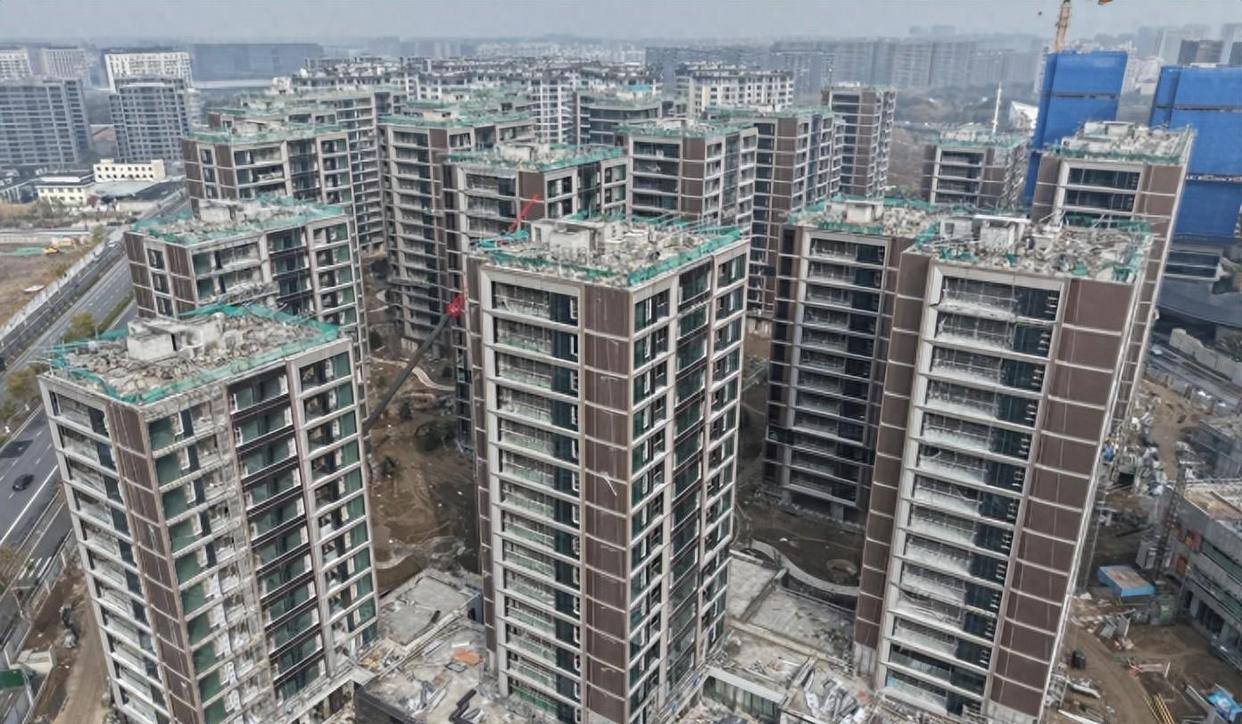
新王加冕,大势已定 曾经呼风唤雨的楼市"霸主",如今的情况真是惨不忍睹啊。烂尾楼的阴影没散去,断供潮的恐慌还在蔓延,房价一路阴跌犹如钝刀割肉,坏消息接连不断, 就像多米诺骨牌一样接踵而至。 那段只要闭着眼睛买房就能实现财富自由的黄金岁月,好像一夜之间已经藏进了泛黄的旧日历里。 最近这几年,房地产行业逐渐式微,中国的主要经济支柱也在发生转变,眼下看来,整个经济结构似乎在悄然改变。 而且,这个在潜移默化中影响人们生活方式的产业,将来很可能会让美国远远落在后面。 这个产业其实就是科技和数字经济,而它跟我们这些普通人关系挺大的。毕竟,从你我日常用的手机、网购,到工作、学习,都离不开它的支撑。 这些新兴的产业正在逐步改变我们的生活方式,有时候感觉像是在悄悄地把日子变得更方便、更智能。 很多国人仍旧陷在房产这片泥潭里,面对每个月的还贷账单,唉声叹气。有的人甚至发出感叹:"要不是靠房地产,又还能靠什么支撑中国这艘大船的经 济?" 可是,就在大家对着满目疮痍的楼市废墟感慨叹息的时候,一组令人震惊的数字却在暗潮中快速上升,不断冲击着人们的心理。 你以为经济引擎停摆了?其实,一位全新的万亿级"隐形巨头"早已经悄悄地接过接力棒了。 ...
改革赋能促发展 乘势而上启新程
Xin Lang Cai Jing· 2026-02-08 22:43
Core Insights - In 2025, Qiannan Prefecture aims to enhance high-quality development by focusing on key areas and implementing deep reform actions, with a projected GDP exceeding 200 billion yuan [1] Group 1: Reform Mechanisms and Implementation - A comprehensive "one chess game" promotion mechanism was established, with six deep reform committee meetings held throughout the year, planning and implementing 45 key reform tasks and approving 26 major reform plans [1] - A "list management, dynamic tracking, and closed-loop implementation" mechanism was created to ensure the execution of 55 tasks from the Party Committee and 45 annual key points [1] Group 2: Resource and Environmental Optimization - The province is advancing mineral resource allocation reforms, with a focus on "rich mines and precise mining," resulting in an additional 500 million tons of phosphate resource reserves and the activation of 34 mining rights [2] - The modern logistics system is being rapidly constructed, with the establishment of a logistics information and network freight platform and the opening of Wengan Port's cloud-based port area [2] Group 3: High-Quality Development and Innovation - The technology innovation system is being continuously improved, with seven new provincial-level technology innovation platforms and 55 projects for technological breakthroughs and results transformation [3] - The agricultural mechanization rate for major crops reached 61%, and the processing and transformation rate of agricultural products reached 66% [3] Group 4: Social Welfare and Employment - The employment support system has been strengthened, with the implementation of six high-quality employment actions, resulting in the addition of 61,200 urban jobs [4] - The healthcare service quality has improved, with 18 tightly-knit county medical communities established, achieving full coverage across counties and cities [4] - The rural revitalization efforts are being advanced, with measures introduced to support families facing housing difficulties due to relocation [4]