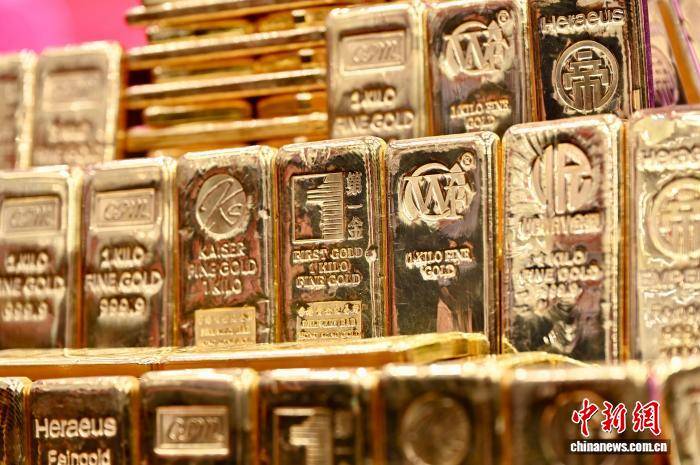
黄金交易

Search documents
香港财库局与上海黄金交易所签订合作协议 推动香港黄金市场高质量发展
智通财经网· 2026-01-26 02:44
Core Viewpoint - The cooperation agreement between the Hong Kong Financial Services and the Shanghai Gold Exchange marks a significant step towards deepening collaboration in the gold markets of both regions, emphasizing the strategic importance of gold in the current geopolitical and economic landscape [1][4]. Group 1: Cooperation Agreement Details - The agreement includes the establishment of a high-level governance framework for the Hong Kong Gold Central Clearing System, with the Hong Kong Financial Secretary as the chair and a representative from the Shanghai Gold Exchange as the vice-chair [2]. - The collaboration aims to enhance physical infrastructure and market connectivity, exploring the use of the Shanghai Gold Exchange's storage management system to provide storage services for gold transactions in Hong Kong and beyond [2]. Group 2: Development Initiatives - The Hong Kong government aims to expand gold storage capacity to exceed 2,000 tons within three years, positioning Hong Kong as a trusted global gold storage hub [3]. - A new gold fund is set to launch in Hong Kong, featuring options for physical gold transactions and storage, as well as plans to connect traditional and digital finance through licensed digital asset trading platforms [3]. - The Hong Kong Financial Services is also working on legislative proposals to include precious metals in tax incentive schemes for funds and family offices [3].
香港金融业如何对接“十五五”?
Xin Lang Cai Jing· 2026-01-24 10:16
Core Viewpoint - The financial industry in Hong Kong will focus on "consolidating advantages, innovation-driven, internal and external linkage, and safety control" over the next five years, with a strategic emphasis on four key areas [6]. Group 1: Integration with National Development - The Hong Kong Legislative Council passed a motion to align the region's development vision with the national "14th Five-Year Plan," emphasizing the need for a long-term development strategy [3]. - A high-level dedicated agency is proposed to coordinate and implement long-term planning, addressing the current lack of comprehensive planning in Hong Kong [3]. Group 2: Financial Industry Development Strategies - The Hong Kong government has outlined four strategic areas for the financial industry to integrate with national development, focusing on market advantages, financial security, internal and external linkages, and innovation [6][7]. - The government aims to enhance Hong Kong's market competitiveness, particularly in the stock market and offshore RMB business, while attracting family offices and optimizing the tax system [6]. Group 3: Financial Security Measures - The government will work closely with regulatory bodies to improve market supervision and prevent systemic risks, as highlighted in the "14th Five-Year Plan" [6]. Group 4: Internal and External Linkages - The Hong Kong government plans to expand connectivity through existing frameworks like Stock Connect and Bond Connect, and will promote new initiatives such as including REITs in connectivity mechanisms [7]. - Hong Kong aims to play a pivotal role in facilitating mainland enterprises' international expansion while attracting foreign businesses and international capital [7]. Group 5: New Growth Opportunities - The financial sector will focus on technology finance, assist mainland tech companies in financing, and explore new opportunities in commodities and green finance [8]. - In 2024, Hong Kong is expected to issue over $84 billion in green and sustainable debt, maintaining its position as the leading market in Asia [8]. Group 6: Gold Market Developments - The Hong Kong Monetary Authority has introduced new policies to promote green finance, including the inclusion of manufacturing and ICT sectors in sustainable finance classifications [9]. - Plans are underway to expand gold storage capacity at Hong Kong International Airport to over 2,000 tons within three years, aiming to establish an international gold trading center [9][10].


香港预计今年发出稳定币牌照
Nan Fang Du Shi Bao· 2026-01-22 23:10
Core Insights - Hong Kong is positioning itself as a global hub for digital finance, artificial intelligence, and blockchain integration, emphasizing its dual role as a "super connector" and "super value creator" in response to changing global economic dynamics [4][5] Group 1: Digital Finance and Technology Integration - Hong Kong is actively developing digital assets under the principle of "same activity, same risk, same regulation," having issued licenses to 11 virtual asset trading platforms and planning to issue stablecoin licenses later this year [5] - The government has issued three batches of tokenized green bonds totaling approximately $2.1 billion and is promoting asset tokenization practices [5] - Hong Kong is leveraging its advantages in the Guangdong-Hong Kong-Macao Greater Bay Area to explore innovations in digital finance and technology [5] Group 2: International Trade and Economic Positioning - Hong Kong is accelerating the establishment of an international gold trading center and plans to sign a memorandum of cooperation with the Shanghai Gold Exchange to enhance its central clearing system [6] - The government is set to unveil a roadmap for CargoX, focusing on optimizing trade financing through digitalization, aiming to strengthen Hong Kong's position as an international trade center [6] Group 3: Support for Free Trade and Multilateralism - Hong Kong's Financial Secretary emphasized the region's commitment to free trade and multilateralism during meetings with officials from various countries, highlighting its role in facilitating investment and financing platforms [7] - The region aims to act as a bridge linking mainland China with global markets, supporting necessary reforms in the World Trade Organization to adapt to new international trade challenges [7] Group 4: Artificial Intelligence and Economic Transformation - The World Economic Forum highlighted the transformative impact of artificial intelligence on industries, with Hong Kong's Financial Secretary stressing the need for economies to embrace these changes for growth and transformation [8][9] - The focus is shifting from the performance of AI models to their profitability and application scenarios, with Hong Kong's financial sector exploring innovations in digital assets driven by AI [9] Group 5: Brand Promotion and Regional Collaboration - Companies are adapting their brand promotion strategies to connect with audiences in the new market environment, utilizing direct communication methods such as video presentations [10] - Hong Kong's development of innovative technology is not isolated but is part of a collaborative effort with other cities in the Greater Bay Area, enhancing the region's technological development [10]
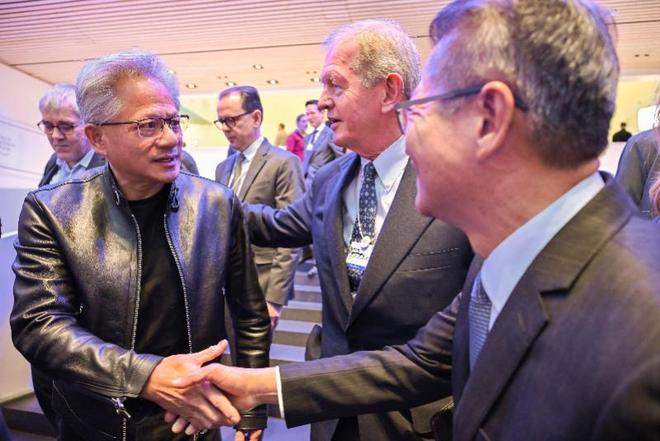
达沃斯论坛:香港勾勒金融科技新路径,力推黄金贸易枢纽建设
Nan Fang Du Shi Bao· 2026-01-22 10:49
Core Insights - Hong Kong is positioning itself as a global financial, trade, and innovation hub by leveraging digital finance, AI, and blockchain technologies, as well as restructuring the international gold trading system [1][3]. Group 1: Digital Finance and Technology Integration - The integration of finance and technology is seen as a key driver for economic transformation, with AI and blockchain leading to significant industry changes [3]. - Hong Kong has adopted a principle of "same activity, same risk, same regulation" to promote responsible and sustainable development in the digital asset market, having issued licenses to 11 virtual asset trading platforms and planning to issue stablecoin licenses later this year [3]. - The government has issued three batches of tokenized green bonds totaling approximately $2.1 billion and established a regulatory sandbox to encourage innovation in asset tokenization [3]. Group 2: International Trade and Gold Trading - In response to rising demand for diversified asset allocation and gold trading platforms in Asia, Hong Kong is accelerating its development as an international gold trading center, with plans to enhance its central clearing system for gold [4]. - The upcoming signing of a memorandum of cooperation with the Shanghai Gold Exchange aims to prepare for future connectivity with the mainland market [4]. Group 3: Trade Ecosystem Upgrade - To address the reshaping of global supply chains, Hong Kong is set to announce a new roadmap for CargoX, focusing on "data, infrastructure, and connectivity" as three strategic pillars to optimize the digital trade financing ecosystem [5]. Group 4: International Cooperation and Market Positioning - During the World Economic Forum, Hong Kong's Financial Secretary engaged in discussions with officials from multiple countries and international organizations, emphasizing Hong Kong's role as a bridge linking mainland China and global markets [7]. - The commitment to free trade and multilateralism was reiterated, with support for necessary reforms in the World Trade Organization to adapt to new international trade challenges [7]. Group 5: AI and Market Dynamics - The transformative impact of AI on various sectors, including technology, media, and telecommunications, was highlighted, with a shift in focus from AI model performance to profitability and application scenarios [9][10]. - The financial sector in Hong Kong is exploring innovations in digital services to enhance transparency, efficiency, inclusivity, and risk management, thereby improving capital allocation to the real economy [10]. Group 6: Regional Collaboration - Hong Kong's development in innovative technology is not isolated but is part of a collaborative effort with the other 10 cities in the Guangdong-Hong Kong-Macao Greater Bay Area, leveraging collective strengths for regional technological advancement [11].
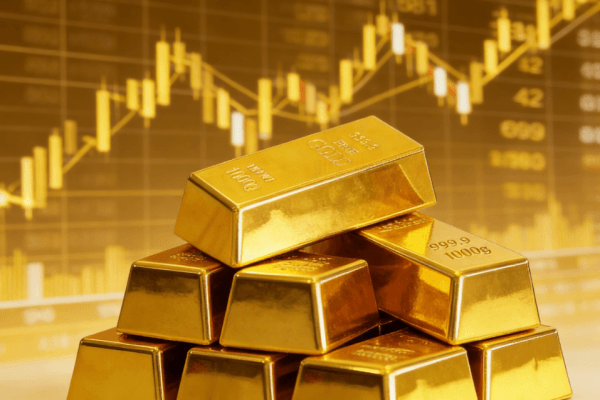
日债崩盘、日元告急!为什么日债收益率飙升,黄金反而涨疯了?
Sou Hu Cai Jing· 2026-01-21 08:18
Group 1 - The recent global market is experiencing extreme conditions with Japan's 40-year bond yield surpassing 4%, leading to a "Japanese bond storm" that impacts global markets [1][3] - The "sell America" trend is emerging due to Trump's tariff threats and geopolitical tensions, causing simultaneous declines in U.S. stocks, bonds, and the dollar [1][5] - Gold has reached a historic high of $4800, reflecting not just a bullish sentiment but a broader market demand for risk aversion and a re-evaluation of sovereign credit systems [1][10] Group 2 - The volatility in Japanese long-term bonds is seen as a precursor to a sovereign credit crisis, with market skepticism about Japan's aggressive fiscal policies and long-term debt sustainability [3] - The spillover effects of Japan's bond market instability are pushing up global risk-free rates and exacerbating simultaneous market shocks [3] - The reduction of long-term investments by pension funds indicates a structural collapse in demand for long-term debt, highlighting a shift in credit confidence [3] Group 3 - Trump's geopolitical policies are causing systemic order anxiety, with the politicization of trade policies leading to significant uncertainty premiums reflected in asset prices [5] - The decision by Danish pension funds to reduce U.S. bond holdings symbolizes a critical reassessment of U.S. credit by sovereign funds, potentially reversing global capital flows [5] - In the context of high valuations and a weakening dollar, capital is moving away from a single currency system in search of safer asset havens [5] Group 4 - The surge in gold prices above $4800 indicates a market-wide demand for risk reduction rather than mere speculation [8] - Gold's unique attribute of independent pricing makes it a valuable hedge against sovereign debt risks, especially in a period of rising correlations between stocks and bonds [8] - Investors are advised to focus on gold's role as an insurance asset in their portfolios rather than chasing high prices, utilizing gold ETFs or physical gold for risk mitigation [8] Group 5 - The current financial landscape is fragile, with the "Japanese bond storm," the "sell America" trend, and rising gold prices indicating systemic risk [10] - Gold serves as a last line of defense when credit assets face collective scrutiny, emphasizing the importance of risk awareness over profit in extreme market conditions [10] - Understanding asset attributes deeply is crucial for investors to preserve wealth amidst changing market dynamics [10]
2025年上海市GDP同比增长5.4%
Guo Ji Jin Rong Bao· 2026-01-21 05:32
Economic Overview - In 2025, Shanghai's GDP reached 56,708.71 billion yuan, a year-on-year increase of 5.4% at constant prices [1] - The primary industry added value was 99.39 billion yuan, growing by 2.0%; the secondary industry added value was 11,650.62 billion yuan, growing by 3.5%; and the tertiary industry added value was 44,958.70 billion yuan, growing by 6.0% [1][3] Industrial Production - Industrial added value in Shanghai grew by 5.0% in 2025, with total industrial output value increasing by 4.6% [4] - Key sectors such as railway, shipbuilding, aerospace, and other transportation equipment manufacturing saw a 15.8% increase in output [4] - The three leading manufacturing industries experienced a 9.6% growth, with integrated circuit manufacturing up by 15.1% and artificial intelligence manufacturing up by 13.6% [4] Service Sector Growth - The tertiary sector's added value increased by 6.0%, with the information transmission, software, and IT services sector growing by 15.3% [5] - Financial services added value reached 8,979.66 billion yuan, a growth of 9.7% [5] Fixed Asset Investment - Fixed asset investment in Shanghai grew by 4.6%, with industrial investment surging by 20.0%, significantly outpacing the overall investment growth [6] - Urban infrastructure investment rose by 11.2% [6] Consumer Market - The total retail sales of consumer goods reached 16,600.93 billion yuan, with a year-on-year growth of 4.6% [8] - Categories such as cultural and office supplies saw a retail growth of 30.4%, while online retail sales increased by 14.1% [8] Financial Market Activity - Major financial markets in Shanghai recorded a transaction volume of 40.5895 trillion yuan, a growth of 11.2% [9] - The balance of deposits in financial institutions reached 24.50 trillion yuan, growing by 11.3% [9] Trade Performance - The total import and export volume reached 4.51 trillion yuan, with exports growing by 10.8% to 2.02 trillion yuan [10] - "New three samples" products, including electric vehicles, saw a notable export growth of 17.4% [10] Consumer Prices and Income - The consumer price index (CPI) rose by 0.1%, while the core CPI increased by 0.7% [11] - The per capita disposable income reached 91,987 yuan, reflecting a growth of 4.1% [11]

2025年上海GDP同比增长5.4%,三大先导产业制造业产值同比增长9.6%
Xin Hua Cai Jing· 2026-01-21 02:51
Economic Overview - In 2025, Shanghai's GDP reached 56,708.71 billion yuan, reflecting a year-on-year growth of 5.4% at constant prices [1] Industrial Production - Shanghai's industrial added value grew by 5.0% year-on-year, with total industrial output value increasing by 4.6% [2] - Key sectors such as railway, shipbuilding, aerospace, and other transportation equipment manufacturing saw a significant increase of 15.8% in output [2] - The three leading manufacturing industries experienced a 9.6% growth, with integrated circuit manufacturing up by 15.1% and artificial intelligence manufacturing up by 13.6% [2] Service Sector Growth - The tertiary sector's added value increased by 6.0%, with the information transmission, software, and IT services sector leading at a growth rate of 15.3% [3] - The financial sector's added value reached 8,979.66 billion yuan, growing by 9.7% [3] Fixed Asset Investment - Fixed asset investment in Shanghai grew by 4.6%, with industrial investment surging by 20.0%, significantly outpacing the overall investment growth [4] - Urban infrastructure investment rose by 11.2% [4] Consumer Market - The total retail sales of consumer goods reached 16,600.93 billion yuan, marking a 4.6% year-on-year increase [5] - Online retail sales from major enterprises grew by 14.1% [5] Financial Market Activity - Major financial markets in Shanghai recorded a transaction volume of 40.5895 trillion yuan, up by 11.2% [6] - The balance of deposits in financial institutions reached 24.50 trillion yuan, growing by 11.3% [6] Trade Performance - Shanghai's total goods import and export volume reached 4.51 trillion yuan, with exports growing by 10.8% [7] - The export of "new three samples" products increased by 17.4%, including a 13.8% rise in electric vehicle exports [7] Price Trends and Income - The consumer price index (CPI) in Shanghai rose by 0.1%, while the core CPI increased by 0.7% [8] - The average disposable income per capita reached 91,987 yuan, reflecting a growth of 4.1% [9]
香港黄金中央结算系统有望年内试运行
Zheng Quan Ri Bao Wang· 2026-01-20 13:06
Core Viewpoint - Hong Kong is accelerating the establishment of a central gold settlement system to enhance the reliability and efficiency of gold trading and physical delivery, aiming for a trial run within the year [1][2]. Group 1: Central Gold Settlement System - The Hong Kong government is working on a central gold settlement system to improve trading efficiency and reduce costs, addressing current inconveniences in the OTC market where parties must clear trades themselves [1][3]. - A memorandum of cooperation will be signed with the Shanghai Gold Exchange to strengthen the construction of the central clearing system and prepare for future connectivity with mainland markets [2][3]. Group 2: Market Demand and Growth - There is a significant demand for gold storage and trading in Hong Kong, with the government aiming to position the city as a regional gold reserve hub, targeting over 2000 tons of gold storage in collaboration with financial institutions [1][2]. - The average daily trading volume of gold in Hong Kong has more than doubled year-on-year, reaching 2.9 billion HKD as of November last year, indicating a more active market [2]. Group 3: Global Gold Market Trends - Global gold demand value increased by 44% year-on-year, reaching 146 billion USD, with a notable rise in gold prices, which have accumulated over a 60% increase since 2025, marking the largest rise since 1979 [2][4]. - The demand for gold as a diversified investment and a hedge against inflation is growing, with expectations for central bank net purchases to reach 950 tons in 2026, up from previous estimates [4]. Group 4: Future Outlook - UBS Wealth Management has raised its gold price targets for 2026, forecasting a price of 5000 USD per ounce, reflecting continued confidence in gold as a valuable asset and risk hedge [4].
亚洲金融论坛下周一开幕 聚焦金融与实体经济融合
Zheng Quan Shi Bao Wang· 2026-01-19 10:48
Group 1 - The 19th Asian Financial Forum will be held on January 26-27 in Hong Kong, featuring executives from companies such as Geely Holdings, LONGi Green Energy, and Tencent [1][2] - The forum aims to strengthen Hong Kong's role as a global financial center and facilitate connections between international and mainland markets [1][4] - A discussion on "gold trading" will take place on the first day, featuring speakers from MKS PAMP and the World Gold Council to explore Hong Kong's position in Asian gold pricing and trading [1][4] Group 2 - The first Global Industry Summit will occur on January 27, focusing on high-growth sectors like AI, robotics, and biomedicine, discussing how financial services can drive innovation and long-term growth [2][3] - Key leaders from various industries will share insights on leveraging Hong Kong as a platform for expanding overseas business and strategies for foreign companies entering the mainland market [2][3] - The summit will include discussions on the latest trends in biomedicine and healthcare, featuring executives from Amgen and Merck, addressing industry challenges and opportunities for innovation [3][4] Group 3 - The forum will have over 140 financial officials, business leaders, and experts as speakers, with participation expected from over 3,600 attendees across 60 countries and regions [4] - Topics covered will include global economic outlook, investment strategies, asset and wealth management, trade financing, and financial technology [4]

陈茂波:香港正加紧推动建立黄金中央结算系统
Sou Hu Cai Jing· 2026-01-18 11:16
Core Viewpoint - The Hong Kong government is accelerating the establishment of a gold central clearing system, aiming for a trial run within the year, and is inviting the Shanghai Gold Exchange to participate [1][3]. Group 1: Market Demand and Trends - There is a growing demand from international investors for diversified asset allocation beyond US dollar assets, with gold's role as a central bank reserve, investment product, and risk hedging tool being reinforced [3]. - Gold prices have increased by over 60% cumulatively in 2025, marking the largest rise since 1979 [3]. - Global gold demand value rose by 44% year-on-year, reaching $146 billion by the third quarter of 2025 [3]. Group 2: Hong Kong Gold Market Activity - The Hong Kong gold spot trading market has become significantly more active, with the average daily trading volume of the Hong Kong Gold Exchange increasing by over twofold year-on-year to HKD 2.9 billion by November 2025 [3]. - Currently, the over-the-counter gold trading in Hong Kong requires both parties to settle transactions independently, which presents inconveniences [3]. Group 3: Infrastructure Development - The Hong Kong government is pushing for the establishment of a gold central clearing system as a crucial financial infrastructure to enhance the reliability and efficiency of gold trading and physical delivery, reduce transaction costs, and increase liquidity [3]. - A memorandum of cooperation will be signed with the Shanghai Gold Exchange at the upcoming 19th Asian Financial Forum to announce the latest plans for strengthening the gold central clearing system and prepare for future connectivity with the mainland Chinese market [3].