
农产品电商

Search documents
祥云县代表性电商合伙人-杨金达
Sou Hu Cai Jing· 2025-06-18 05:08
选入电商合伙人培育项目后,祥云县电子商务公共服务中心积极推荐其入驻根据政策落地建成的滇西电 商云仓(祥云仓),并根据公司需求为其提供了临近仓库的免费办公场所,大大降低了该企业的仓储、 快递、办公成本。同时,授权其使用祥云县区域公用品牌-云山祥品,外包装加"云山祥品"字样,品牌 赋能、品牌背书,提升其产品的溢价能力;多次邀请其参加电商技能培训和直播带货大赛,夯实电商运 营能力;邀请其加入祥云县电子商务协会并兼任副会长,和当地一众电商从业者互相交流取长补短。除 此之外,着重了解该公司对设备的详细需求,通过斟酌校对,根据合伙人要求,进行设备配发,有效降 低其运营成本,也在可行范围内完善了该公司的生产经营链。 自祥云县2021年电子商务进农村综合示范项目开展以来,祥云县电子商务公共服务中心积极培育电商合 伙人,开展乡(镇)电商合伙人调研工作,经层层筛选,从中选取了11名既懂电商经营、又懂三农工作的 本地"电商合伙人",按照"一人一策、按需扶持"进行重点培育。从电商培训、物流资源整合、包装详情 页设计、区域公用品牌授权、按需采购设施设备等多方面着手,对11位电商合伙人按需扶持、培育。其 中,对合伙人杨金达的扶持成效尤为 ...


祥云县代表性电商合伙人-海家芬
Sou Hu Cai Jing· 2025-06-18 05:08
Core Viewpoint - The article highlights the successful implementation of the e-commerce partner cultivation project in Xiangyun County, which has significantly enhanced local e-commerce capabilities and contributed to economic development through targeted support for selected partners [1][5]. Group 1: E-commerce Partner Cultivation - Since the launch of the e-commerce project in 2021, Xiangyun County has actively cultivated e-commerce partners, selecting 11 local individuals who are knowledgeable in both e-commerce and agricultural matters for focused training and support [1][5]. - The e-commerce public service center has provided comprehensive support to the selected partners, including training, logistics integration, product design, brand authorization, and equipment procurement [1][5][7]. Group 2: Case Study of Hai Jiafen - Hai Jiafen, the operator of Dali Plateau Yuhai Trading Co., established in 2021, has achieved annual sales exceeding 1 million yuan through the sale of seasonal agricultural products [3][5]. - The company has successfully formed a live-streaming sales team and has been recognized as an e-commerce demonstration enterprise by the public service center [3][5]. - The center has facilitated training for Hai Jiafen and her team, enhancing their operational capabilities and connecting them with influential local media personalities to boost their marketing efforts [5][6]. Group 3: Future Prospects - The company plans to explore new e-commerce operational methods to increase profit margins and create more job opportunities for local residents, contributing to the local economy [7]. - The e-commerce public service center aims to continue providing comprehensive support to the 11 partners, enhancing their overall e-commerce capabilities and promoting the rural e-commerce initiative [7].
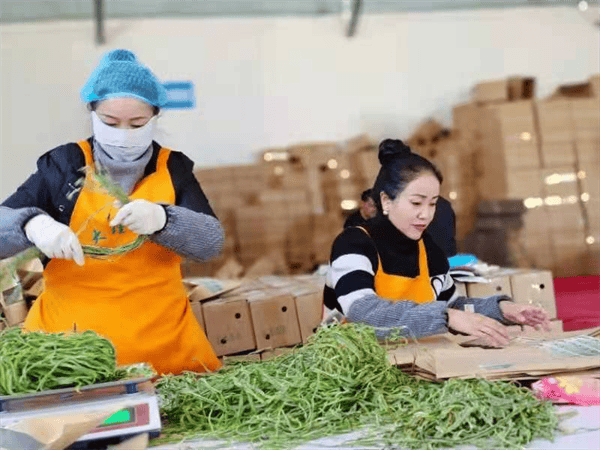
电商小镇“踏云”而起
Sou Hu Cai Jing· 2025-06-17 02:41
Core Insights - The article highlights the successful transformation of the Le Gu E-commerce Town in Nale County, which has integrated digital economy practices into rural development, significantly boosting local employment and agricultural sales [3][4][11]. Group 1: Economic Impact - Le Gu E-commerce Town achieved an online transaction volume of 130 million yuan during the "618" shopping festival, with daily orders exceeding 100,000, benefiting 530 local villagers [3]. - The "village-enterprise integration" model has led to a substantial increase in collective economic income for participating villages, with growth ranging from 57,000 yuan to 192,000 yuan [11]. Group 2: Employment and Training - The initiative has created job opportunities for nearly 100 returnee youths, who have successfully transitioned into roles such as live-streaming salespersons, significantly increasing their monthly incomes [6][9]. - A comprehensive training system has been established, collaborating with universities and professional institutions to provide courses on live-streaming and e-commerce operations [7]. Group 3: Infrastructure and Services - The town has developed a one-stop entrepreneurial service platform that includes support for live-streamer incubation, supply chain integration, and brand promotion, facilitating the growth of local businesses [7][9]. - The integration of logistics and agricultural production allows for a "zero inventory" model, enabling fresh produce to be sold and shipped on the same day, thus reducing logistics costs and enhancing product freshness [11]. Group 4: Future Development - Le Gu E-commerce Town plans to expand its business model beyond agricultural products to include handicrafts and home goods, aiming to create a diverse product matrix [12]. - The initiative aims to establish an agricultural e-commerce incubation center to support 100 small agricultural enterprises, potentially creating over 1,000 jobs [12][14].
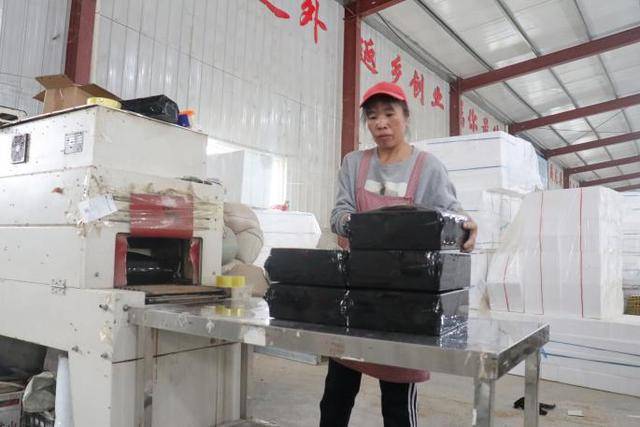
41个项目签约4.5亿元 新疆电商资源对接活动成果丰硕
Sou Hu Cai Jing· 2025-06-13 10:10
Core Viewpoint - The "Digital Business Xinjiang Shining Silk Road" event successfully facilitated 41 signed projects with a total investment of 450 million yuan, significantly boosting the development of the e-commerce industry in Xinjiang [1] Group 1: Project Signings - The signed projects cover a wide range of fields, including deep cooperation between logistics giants and local enterprises, as well as cross-regional supply chain collaboration [2] - A strategic cooperation agreement was signed between JD Logistics and the Xinjiang Investment and Trade Promotion Center, enhancing the market reach of Xinjiang's quality products [2] - Strategic cooperation agreements were also established between Taotian Group and various local business bureaus, aiming to integrate resources for regional e-commerce development [2] Group 2: Logistics and Product Procurement - A logistics cooperation agreement was signed between YTO Express and Xinjiang Fruit Industry Group to improve e-commerce logistics efficiency [3] - Multiple procurement agreements were signed for specialty products, including agreements for pork products, red dates, and local fruits, enhancing sales channels for Xinjiang's agricultural products [4] - The signing of these agreements marks a new starting point for Xinjiang's e-commerce integration into the domestic and international "dual circulation" [4]
特别报道·专访永寿县电商服务中心主任王瑞娟同志
Sou Hu Cai Jing· 2025-06-05 02:45
Group 1 - The core viewpoint emphasizes the commitment to "ecological priority and green development" while enhancing the role of e-commerce in promoting high-quality development in Yongshou County [2] - The establishment of the Yongshou County E-commerce Industry Alliance Party Branch aims to activate the "red engine" of e-commerce development in the county through a "branch + company (cooperative) + base + farmer" construction approach [2][3] Group 2 - The strategy includes guiding e-commerce enterprises to grow and diversify, particularly in live-streaming e-commerce and smart retail, to facilitate the "Internet + agricultural products" model, thereby creating new income pathways [3] - A physical exhibition hall for agricultural products has been set up to provide free promotional space for various e-commerce enterprises, alongside professional training sessions in e-commerce knowledge [3] - The promotion of high-quality agricultural products from Yongshou, such as honey, apples, sea buckthorn vinegar, and asparagus, is being actively pursued through creative content like short videos and reports showcasing local e-commerce success stories [3] Group 3 - Future plans focus on enhancing display, training, promotion, and service to increase public awareness and participation in e-commerce, ultimately driving the sales of Yongshou's quality agricultural products nationwide [3]

新华全媒+|高原产品上“云”端——西藏电商发展一线观察
Xin Hua She· 2025-06-04 09:41
Group 1 - The article highlights the growth of e-commerce in Tibet, particularly in rural areas, enabling local farmers to sell their products online and connect with broader markets [1][2][3] - The integration of a "supply and marketing cooperative + e-commerce + enterprises (cooperatives) + farmers" model in Achang County has addressed the issue of unsold quality products [2] - The online sales of agricultural products in Shannan City are projected to reach 76.9 million yuan in 2024, indicating a shift from "producing to sell" to "planting according to demand" [2] Group 2 - The article discusses the establishment of a community factory model in Lhasa, where local artisans are trained and provided with orders to create traditional handicrafts, thus generating income [3] - E-commerce has significantly expanded the market for Tibetan cultural products, with online retail sales in Tibet reaching 10.84 billion yuan in the first four months of 2025, a year-on-year increase of 36.7% [3] - The director of the e-commerce department in Tibet emphasizes the need to enhance logistics in rural areas, reduce costs, and cultivate e-commerce talent to further promote local products [4]
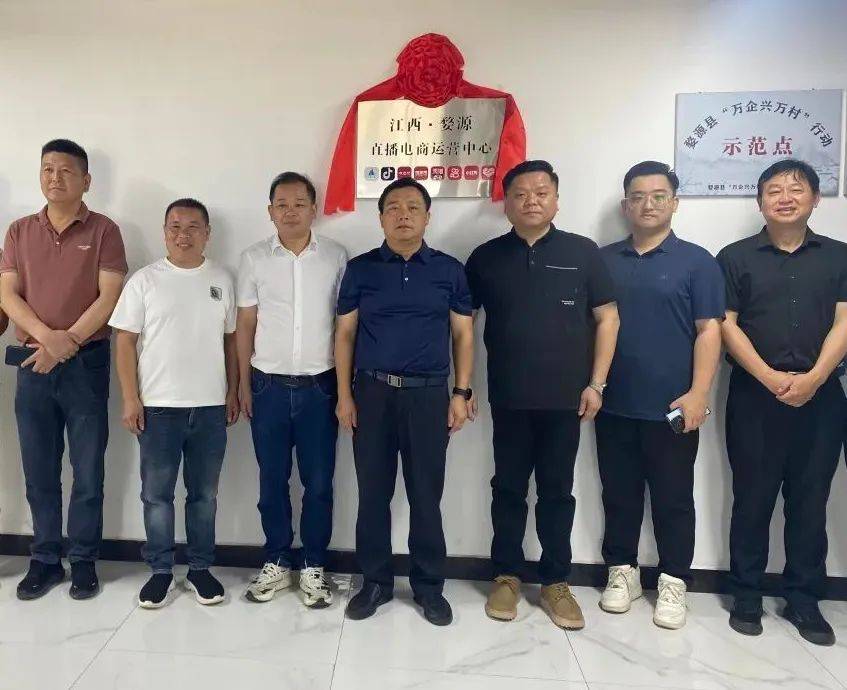
上饶市婺源县直播电商运营中心正式揭牌成立
Sou Hu Cai Jing· 2025-05-27 15:44
Core Insights - The establishment of the live e-commerce operation center in Wuyuan County is a significant step towards the digital transformation of the agricultural industry and the promotion of rural revitalization strategies in Jiangxi Province [2][3] - The center aims to create a comprehensive service system that integrates product selection, host incubation, content planning, live streaming sales, and brand promotion, leveraging Douyin's vast user traffic and advanced algorithms [2][3] Group 1 - The live e-commerce operation center is part of a broader initiative to enhance the digitalization of agriculture and improve the economic benefits of local agricultural products [3] - Wuyuan County is recognized for its unique agricultural products, including green tea, chrysanthemum, camellia oil, and organic rice, which will be showcased through digital technology [3] - The center will also focus on professional e-commerce talent training to cultivate local talents skilled in agriculture, live streaming, and marketing [3] Group 2 - The collaboration involves government guidance, platform empowerment, and enterprise operation to create an efficient channel for agricultural products [2] - The operation center is expected to drive new progress in the online retail of agricultural products in Wuyuan County, positioning live e-commerce as a new engine for rural revitalization [3] - The initiative aims to enhance both brand value and economic benefits for local farmers, contributing to the overall development of the agricultural e-commerce landscape in the region [3]
重庆綦江:“短视频+直播”助农增收
Xin Hua She· 2025-05-27 13:45
Core Viewpoint - The article highlights the successful implementation of e-commerce initiatives in rural areas of Chongqing, specifically in the village of Zhongba, which has significantly improved local farmers' ability to sell their products online and increase their income through live streaming and short video marketing [1][2][3]. Group 1: E-commerce Development - The local government and village officials initiated e-commerce strategies to help farmers sell their products, overcoming geographical barriers that hindered traditional sales methods [1]. - The introduction of live streaming and short video content has transformed the sales landscape, with live streaming sessions attracting an average of 800 to 900 viewers, peaking at over 3,000, and generating sales of 84,000 yuan (approximately 12,000 USD) from five live sessions [2]. - The village has expanded its product offerings beyond local specialties to include items from surrounding areas, thereby increasing the collective economic income of the village [2]. Group 2: Training and Talent Development - Continuous training programs have been established, with over 600 individuals trained in e-commerce skills, and the cultivation of 380 rural e-commerce talents through competitions [3]. - The village has developed a model where each community member contributes unique content, fostering a diverse and engaging online presence [3]. - Future plans include innovating live streaming content to incorporate local cultural elements, enhancing the storytelling aspect of their marketing efforts, and further supporting farmers' income growth [3].
宁夏加强网售枸杞监管,常态化监测20家电商平台
news flash· 2025-05-27 10:21
宁夏是枸杞道地产区。记者从宁夏市场监管厅获悉,宁夏强化电商平台枸杞销售监管,常态化开展网售 枸杞产品专项监测,排查未亮照亮标、假冒伪劣、虚假宣传等行为。2024年对抖音、快手等20家平台共 计监测有关枸杞的违法线索30条。(新华社) ...
云南金平:用好乡村直播“新农具”
Jing Ji Ri Bao· 2025-05-24 07:27
Core Insights - The rise of live-streaming e-commerce is transforming rural economies, particularly in Jinping County, Yunnan Province, where local products are marketed effectively through online platforms [1][2][3] Group 1: Live-Streaming E-commerce Development - The village of Manpeng New Village has adopted a model combining "Party Branch + Live-streaming Base + Agricultural Product Supply Chain + Influencer Marketing" to enhance local economic development [2] - In 2022, the village generated a live-streaming e-commerce revenue of 28.3 million yuan, contributing 3.91 million yuan to farmers' income, showcasing the model's effectiveness in rural revitalization [2] Group 2: Community and Economic Impact - The initiative has led to the cultivation of local talents in live-streaming, with significant training provided to women in skills such as design, embroidery, and e-commerce [2] - The local government aims to continue enhancing e-commerce talent development to further stimulate rural industry and economic growth [3]