冰雪产业

Search documents
这个展览只关冰雪
Mei Ri Shang Bao· 2025-12-18 22:29
Core Viewpoint - The 9th Jilin International Ice and Snow Industry Expo showcases the vibrant growth and diverse consumer prospects of the Jilin ice and snow industry, with an exhibition area exceeding 60,000 square meters [2] Group 1 - The expo is held in Changchun, Jilin Province, highlighting the region's commitment to promoting its ice and snow industry [2] - The event features a wide range of exhibits, including domestically produced snow-making machines, reflecting advancements in technology within the industry [2]


第九届吉林冰雪产业国际博览会长春开幕
Zhong Guo Xin Wen Wang· 2025-12-18 10:07
第九届吉林冰雪产业国际博览会长春开幕 12月18日,第九届吉林冰雪产业国际博览会在长春开幕,汇聚了逾400家中外企业,覆盖冰雪装备、冰 雪体育、冰雪非遗、智能科技等全产业链领域。来自法国、巴基斯坦等32个国家和地区的旅行商代表参 会,就设备采购、技术合作与市场准入等议题进行交流。图为参观者参观滑雪鞋。中新社记者 张瑶 摄 图为小朋友体验旱地滑雪。中新社记者 张瑶 摄 图片参观者参观造雪设备。中新社记者 张瑶 摄 图为参观者体验旱地滑雪。中新社记者 张瑶 摄 12月18日,第九届吉林冰雪产业国际博览会在长春开幕,汇聚了逾400家中外企业,覆盖冰雪装备、冰 雪体育、冰雪非遗、智能科技等全产业链领域。来自法国、巴基斯坦等32个国家和地区的旅行商代表参 会,就设备采购、技术合作与市场准入等议题进行交流。中新社记者 张瑶 摄 图为参观者参观以冰雪为灵感的服饰。中新社记者 张瑶 摄 12月18日,第九届吉林冰雪产业国际博览会在长春开幕,汇聚了逾400家中外企业,覆盖冰雪装备、冰 雪体育、冰雪非遗、智能科技等全产业链领域。来自法国、巴基斯坦等32个国家和地区的旅行商代表参 会,就设备采购、技术合作与市场准入等议题进行交流。 ...

大看台丨撬动万亿,冰雪经济何以滚烫?
Xin Hua Wang· 2025-12-18 07:30
Core Viewpoint - The recent Central Economic Work Conference emphasizes the importance of domestic demand and building a strong domestic market, highlighting the booming ice and snow economy as a driver for new consumption scenarios, regional development, and industrial ecology [1] Industry Overview - According to the "China Ice and Snow Industry Development Research Report (2025)", the scale of China's ice and snow industry is expected to exceed 1 trillion yuan by 2025, with total consumption during the 2024-2025 ice and snow season projected to exceed 187.5 billion yuan, including 78.6 billion yuan from ski resorts [3][17] - The participation in ice and snow sports has reached 290 million people, with a participation rate of 20.61%, an increase of approximately 27.4 million people from the previous season [17] Regional Development - The ice and snow economy is expanding beyond traditional northern regions, creating a diverse regional development pattern across the country, with areas like Harbin and Chongli focusing on year-round tourism and outdoor sports [12][14] - Chongli is transitioning from a winter-only economy to a year-round destination, with summer tourist numbers projected to reach 4.3 million in 2024, surpassing winter visitors for the first time [14] Consumer Trends - The consumer base for ice and snow sports is becoming younger, more fashionable, family-oriented, and professional, leading to a segmented and upscale market for equipment and experiences [19] - The number of indoor ski resorts has increased to 79, with a growth rate of 33.9%, primarily concentrated in East and South China, catering to local demand for skiing experiences [16] Industry Growth - The ice and snow industry is forming a complete industrial chain covering equipment manufacturing, event operation, training services, and cultural tourism integration, providing significant potential for future growth [17] - The number of companies in the ice and snow equipment sector has increased from about 300 in 2015 to around 900 in 2023, with sales revenue rising from less than 5 billion yuan to approximately 22 billion yuan [19][22]

撬动万亿,冰雪经济何以滚烫?
Xin Hua Wang· 2025-12-18 05:51
Core Insights - The article discusses the booming ice and snow economy in China, driven by increased participation in winter sports and significant investments in infrastructure and tourism [1][8]. Industry Overview - The ice and snow industry in China is projected to exceed 1 trillion yuan by 2025, with a total consumption scale of over 187.5 billion yuan during the 2024-2025 winter season, including 78.6 billion yuan from ski resorts [1][8]. - The number of participants in ice and snow sports is expected to reach 292 million, with a participation rate of 20.61%, an increase of approximately 27.44 million from the previous season [8]. Regional Development - The ice and snow economy is expanding beyond traditional northern regions, with significant growth in southern and western areas, creating a diverse regional development landscape [5][6]. - In Harbin, the 2024-2025 winter season is expected to attract 90.35 million visitors, generating 137.22 billion yuan in tourism revenue, showcasing the integration of local culture and winter sports [5]. Individual Impact - Local residents are transitioning into roles such as ski instructors and accommodation providers, benefiting from the increased tourism and interest in winter sports [4][5]. - The story of individuals like Lang Engge, who promotes ice sports in his community, illustrates the grassroots impact of the winter sports boom [2][4]. Market Trends - The demand for ice and snow sports equipment is diversifying, with a trend towards younger, fashionable, and family-oriented consumers, leading to a segmented market from rental to high-end customized products [8][10]. - The number of companies in the ice and snow equipment sector has grown from approximately 300 in 2015 to around 900 in 2023, with sales revenue increasing from under 5 billion yuan to 22 billion yuan [8][10].
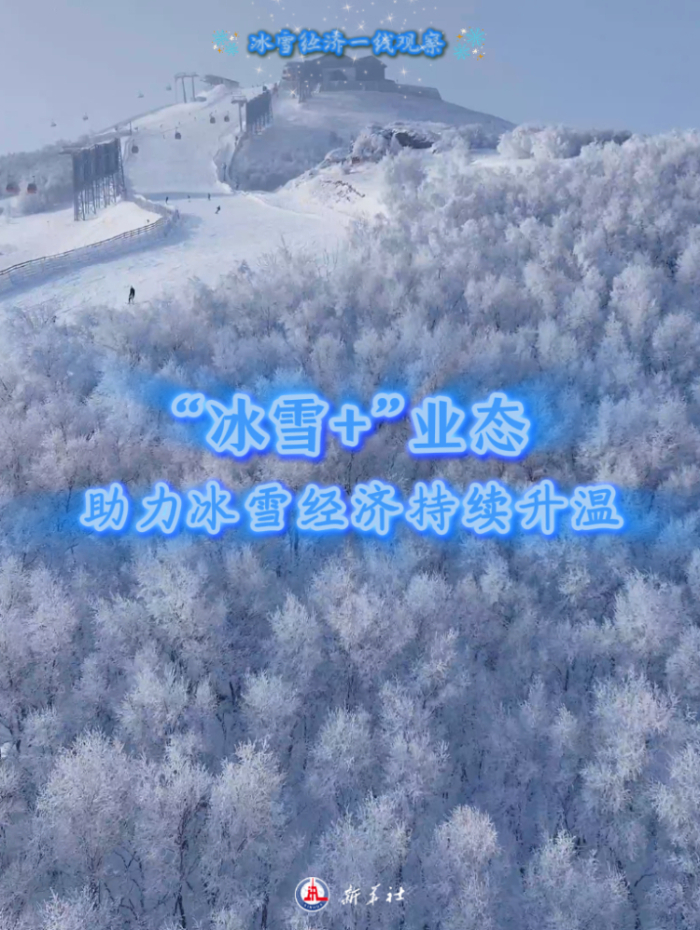
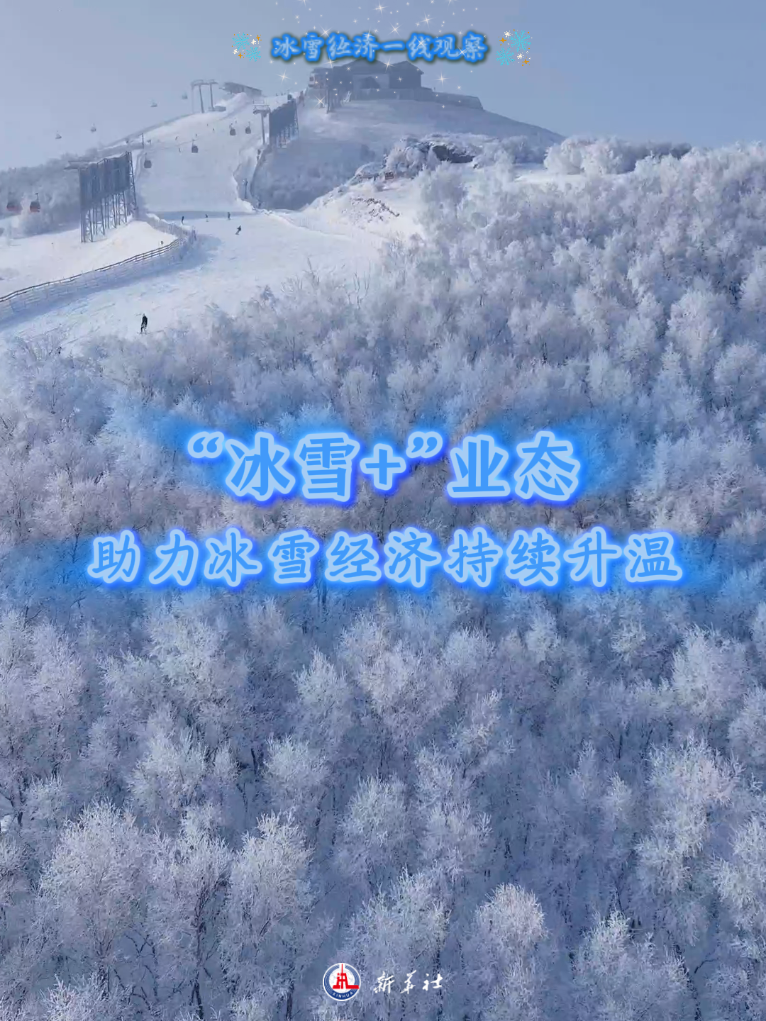
冰雪经济一线观察|“冰雪+”业态助力冰雪经济持续升温
Xin Hua She· 2025-12-18 02:04
Core Insights - The ice and snow economy is becoming a significant driver for consumption and high-quality regional development as the 2025-2026 snow season begins [2] - Various regions are implementing new measures to boost ice and snow consumption, showcasing innovative tourism products and experiences [2] Group 1: Industry Trends - The ice and snow economy is being enhanced through industry upgrades, integration, and supportive policies [2] - Regions like Heilongjiang are leveraging unique ice and snow resources to create diverse tourism offerings, such as "ice and snow + hot springs" and "ice and snow + sports" [2] Group 2: Market Potential - The proportion of "ice and snow" elements in the cultural and tourism market is steadily increasing, indicating a growing consumer interest [2] - Efforts are being made to create engaging ice and snow consumption scenarios and cultivate new consumption formats, maximizing the potential of "cold resources" [2]
冰雪经济一线观察丨“冰雪+”业态助力冰雪经济持续升温
Xin Hua Wang· 2025-12-17 10:14
Core Viewpoint - The ice and snow economy is becoming a significant driver for consumption and high-quality regional development as the 2025-2026 snow season begins, with various ski resorts opening across the country [1]. Group 1: Industry Developments - Various regions are launching new initiatives to boost ice and snow consumption, including unique tourism products that combine ice and snow with hot springs and sports [2]. - The proportion of "ice and snow" elements in the cultural and tourism market is steadily increasing, with efforts to create tailored consumption scenarios and cultivate new ice and snow consumption formats [2]. Group 2: Market Potential - The Chinese ice and snow industry is demonstrating strong market potential through diverse integration and innovation [3].
吉林冰雪经济“热”起来 高校毕业生捧起“雪饭碗”
Zhong Guo Xin Wen Wang· 2025-12-17 08:17
近日吉林省吉林市天气晴好,当地滑雪场迎来大量滑雪爱好者,像于淼一样的滑雪教练员忙个不停。 近些年,中国东北冰雪产业持续升温,人才需求不断扩大。在吉林,与冰雪相关的岗位成为高校毕业生 就业的新方向。 于淼(右一)正在教学员滑雪。 石洪宇 摄 在大学读体育教育专业的于淼虽然年纪不大,但已有5年雪龄,很早就考取了社会体育指导员(滑雪)职 业资格证。他所在的陆地极限俱乐部有很多大学生实习、工作。 吉林冰雪经济"热"起来 高校毕业生捧起"雪饭碗" 中新网吉林12月17日电 (记者 石洪宇)为保障新学员安全,23岁的于淼俯身帮助对方做好每一个细节。 雪鞋上的绑带、雪板上的固定器,甚至是代表新手的罩衫,他都会强调穿脱要领,并认真检查。 李嘉欣(左一)正在给滑雪爱好者处理挫伤。 石洪宇 摄 李嘉欣表示,具有多元专业背景的大学生,在冰雪产业中都能找到用武之地。 近期,吉林省人力资源和社会保障厅也印发措施,为冰雪经济注入"人才活水",其中包括构建人才引 育、就业保障等支持体系。"这里需要更多的人才来工作。"吉林市吉雪滑雪场运营部部长齐昕如是说。 (完) 来源:中国新闻网 编辑:王永乐 广告等商务合作,请点击这里 本文为转载内容, ...

“冷”资源“热”起来
Liao Ning Ri Bao· 2025-12-17 01:37
Core Viewpoint - The "Northeast Asia International Ski Resort" in Shenyang is hosting the "Ninth Nine Consumption Season" and international ice and snow economic cooperation activities, aiming to boost consumption and expand domestic demand in Liaoning Province through over 1,500 promotional events from December 16 to March 14, 2026 [1][2]. Group 1: Economic Initiatives - The "Ninth Nine Consumption Season" is rooted in traditional customs and aims to create a comprehensive activity system to enhance consumption across various sectors, making winter in Liaoning more vibrant [2]. - The central government emphasizes the importance of boosting consumption and expanding domestic demand, as highlighted in the recent economic work conference [1]. Group 2: Ice and Snow Resources - Liaoning is located in the "golden ice and snow belt" and has a rich 400-year ice and snow cultural heritage, which enhances its ice and snow industry [3]. - The core advantages of Liaoning's ice and snow economy include resources, culture, strategy, and market integration, with a focus on building world-class venues and upgrading the industry chain [3]. Group 3: Tourism and Events - The Shenyang Northeast Asia International Ski Resort is the largest in Liaoning, with continuous upgrades to facilities, enhancing the skiing experience [4]. - National-level competitions will be held at the resort, contributing to increased activity and popularity in the region [4]. Group 4: Market Confidence and Investment - The Italian Tianbing Group is optimistic about the Liaoning market and plans to invest in high-standard ice and snow facilities to promote the development of the ice and snow industry [6]. - E-commerce platforms like Kuaishou are actively engaging in the ice and snow economy, utilizing live streaming and short videos to attract consumers [6]. Group 5: Future Plans and Collaborations - The integration of ice and snow experiences with local culture is being emphasized, as seen in the "Winter Storybook" project by the Conrad Hotel in Shenyang [7]. - Liaoning plans to continue its promotional activities with over 4,000 events throughout the year, fostering a vibrant consumption atmosphere [7].
经济政策一线微观察|从“冷资源”到“热经济”:看2025冰雪产业万亿赛道“新热气”
Xin Hua She· 2025-12-16 11:16
Core Insights - The ice and snow economy in China is experiencing significant growth, with the industry expected to surpass 1 trillion yuan, reaching 10,053 billion yuan by 2025 [2] - The demand for snow sports equipment is rising, with Zhejiang Yuanjing Sports Goods Co., Ltd. anticipating a 61.8% increase in ski goggles orders and a 14% increase in ski helmet orders for 2026 [4] - The ice and snow economy is supported by government policies aimed at promoting winter sports and boosting consumption [8] Industry Growth - The 2024-2025 snow season saw ski resorts in China generating a total consumption of 78.613 billion yuan, with a 27.97% increase in spending within a two-kilometer radius of ski resorts, positively impacting surrounding retail, transportation, and dining sectors [6] - The construction of the 27th Harbin Ice and Snow World is in its final stages, indicating ongoing investment in the ice and snow tourism sector [10] Policy Support - The Chinese government has issued several policies to support the development of the ice and snow economy, including the "Opinions on Stimulating the Vitality of the Ice and Snow Economy through High-Quality Development" and initiatives to promote ice and snow consumption [8] - The 2025 Central Economic Work Conference emphasized the importance of domestic demand and the expansion of quality goods and services, providing a framework for the growth of the ice and snow economy [8] Industry Ecosystem - The Chinese ice and snow industry encompasses a complete ecosystem, including upstream resource development, equipment manufacturing, midstream services and operations, and downstream consumption and derivative economies [10] - The current trends of industry upgrading, integration, and policy empowerment are driving the continuous release of vitality in the ice and snow economy, making it a key engine for boosting consumption and promoting high-quality regional development [10]

经济政策一线微观察丨从“冷资源”到“热经济”:看2025冰雪产业万亿赛道“新热气”
Xin Hua Wang· 2025-12-16 09:53
Group 1 - The core viewpoint is that the ice and snow economy in China is experiencing significant growth, with the industry expected to exceed 1 trillion yuan by 2025, reaching 10,053 billion yuan [1] - The new ski season has begun, with companies like Zhejiang Yuanjing Sports Goods Co., Ltd. ramping up production, anticipating a 61.8% year-on-year increase in ski goggles orders and a 14% increase in ski helmet orders for 2026 [3] - The ice and snow economy is supported by government policies, including the State Council's opinions on promoting high-quality development in ice and snow sports and the emphasis on boosting consumption in the 2025 Central Economic Work Conference [6] Group 2 - The ice and snow industry chain in China encompasses various segments, including resource development, equipment production, service and operation, and consumer spending, forming a complete ecosystem [9] - The 2024-2025 ski season saw a total consumption amount of 78.613 billion yuan at ski resorts, with a 27.97% increase in spending within a two-kilometer radius of ski areas, indicating a positive impact on surrounding retail, transportation, and dining sectors [5] - The construction of the 27th Harbin Ice and Snow World is in its final stages, showcasing ongoing investments in the ice and snow tourism sector [8]