医疗AI

Search documents
大模型如何重新“定义”健康管理?
3 6 Ke· 2025-05-21 00:48
进入2025年,行业已形成了一个共识:能否真正融入医疗日常工作场景并持续迭代,是决定大模型竞争 力的关键。作为AI应用探索已久的场景之一,健康管理在大模型时代也迎来了快速发展。 那么,大模型技术如何为健康管理注入新活力?又能掀起怎样的新趋势?动脉网与微医人工智能研究院 首席科学家徐红霞、深睿医疗高级副总裁刘建、南大菲特副总经理张芷韵三位深耕健康管理大模型应用 的医疗企业专家进行了对话,供行业参考。 本文主要观点如下: 01 大模型应用第一步:找到一个优质的健康管理场景 在应用落地与商业价值转化成为产业竞争焦点的背景下,如何精准识别并切入高适配性场景,正成为企 业可持续发展的关键命题。 从深睿医疗高级副总裁刘建的分享来看,深睿医疗选择从体检场景切入健康管理领域,是市场需求、技 术积累与政策导向三方协同的结果。 一方面,公众健康意识提升、国家"早筛早治"战略共同驱动了体检需求的持续增长;另一方面,作为AI 影像领域头部企业,深睿在CT、超声等医学影像的算法研发和临床验证方面已建立深厚壁垒,而体检 场景中的基于CT、MR、DR等各类检查项目,均需依赖影像技术支撑,天然适配其技术强项。 场景是技术的试金石。刘建分享到 ...
医疗影像大模型,还需“闯三关”
3 6 Ke· 2025-05-18 23:14
Core Viewpoint - The integration of AI in medical imaging is advancing rapidly, with large models evolving from mere tools to core drivers of diagnostic ecosystems, enhancing the workflow of radiologists and addressing challenges in pathology diagnostics [1][2]. Group 1: Development of AI in Medical Imaging - Medical imaging AI models have achieved widespread application in the workflow of radiologists, transitioning from auxiliary diagnostic tools to essential components of the diagnostic ecosystem [1]. - The "Shukun Kun Multi-modal Medical Health Large Model" released by Shukun Technology in April signifies this evolution, enhancing the role of AI in diagnostics [1]. Group 2: Challenges and Solutions in Pathology - Pathology models are considered the "crown jewel" of medical models due to their complexity and diversity, with the first clinical-grade pathology model, "Insight," developed by Tuo Che Future, addressing accuracy and efficiency challenges [2]. - The pathology model addresses long-standing challenges in generalization across hospitals, cancer types, and pathology tasks, simplifying processes and improving diagnostic efficiency [3]. Group 3: Enhancing AI Generalization Performance - AI model generalization is crucial for reliability and stability, with key challenges including insufficient data diversity, model limitations, and the long-tail nature of medical data [4][6]. - Strategies to enhance generalization include expanding data sample diversity, optimizing model training, and iterating models in real clinical environments [6][7]. Group 4: Addressing the Hallucination Problem - The hallucination issue in large models is a significant barrier, with RAG (Retrieval-Augmented Generation) technology proposed as a solution to enhance accuracy by integrating external knowledge [8][9]. - A hybrid approach combining generative and discriminative AI is suggested to mitigate risks in critical decision-making scenarios, ensuring reliable outputs [9]. Group 5: Deployment Trends in Healthcare - Local deployment of AI models is becoming the preferred choice for hospitals due to data privacy and compliance advantages, with integrated solutions like one-box systems gaining traction [10][11]. - One-box systems combine the strengths of general and specialized models, addressing diverse medical needs while ensuring data control [10]. Group 6: Future Trends in Medical AI - The performance of medical large models is surpassing traditional small models, with applications expanding from thousands to over ten thousand hospitals [12]. - The future of medical AI is moving towards multi-modal integration and comprehensive diagnostics, akin to a digital "general practitioner" that synthesizes various patient data for holistic treatment recommendations [12][13].
医药行业周报:美股医疗AI龙头股价反弹,关注AI快速落地的企业
Tebon Securities· 2025-05-11 12:23
Investment Rating - The report maintains an "Outperform" rating for the pharmaceutical and biotechnology sector [2]. Core Insights - The report highlights a significant rebound in the stock prices of leading US healthcare AI companies, with Tempus and Grail both experiencing a 65% increase over the past month. This sector is noted for its rapid implementation and growing investor interest [8][10]. - It suggests focusing on domestic companies that are likely to benefit from the overseas AI healthcare performance, specifically mentioning companies like RunDa Medical and YiMaiTong as having strong potential for AI-driven revenue growth [5][10]. Summary by Sections 1. Focus on US AI Leaders and Domestic Opportunities - The report emphasizes the recent stock price rebounds of US healthcare AI leaders, with notable increases of 65% for Tempus and Grail, and suggests that AI in healthcare is one of the fastest-growing fields [8]. - It recommends monitoring companies such as RunDa Medical, YiMaiTong, and others that are expected to achieve rapid AI performance growth [10]. 2. Weekly Market Review and Hotspot Tracking (May 6 - May 9, 2025) - The report notes that the Shenwan Pharmaceutical and Biotechnology Index rose by 1.01% during the week, underperforming the CSI 300 Index by 1.0%. Year-to-date, the index has increased by 1.19%, outperforming the CSI 300 by 3.44% [32]. - The top five performing stocks during this period included Changshan Pharmaceutical (up 23.59%), Xiangxue Pharmaceutical (up 19.64%), and others [44]. 3. Company Highlights - RunDa Medical has established deep collaborations with Huawei for AI applications across various healthcare settings, providing digital solutions to over 80 hospitals by the end of 2024 [12][13]. - YiMaiTong, a leading online professional physician platform, has seen its registered physician count grow from 228,000 in 2018 to 867,000 in 2024, with a compound annual growth rate (CAGR) of 24.9% [17][20]. The company’s revenue increased from 83.46 million yuan to 558.46 million yuan from 2018 to 2024, reflecting a CAGR of 37.3% [20]. 4. Monthly Investment Portfolio - The report lists a monthly investment portfolio that includes companies such as Kangfang Biotech, Zai Lab, and others, indicating a focus on innovative drugs and companies with emerging performance [5]. 5. Market Valuation and Trading Volume - As of May 9, 2025, the overall valuation of the Shenwan Pharmaceutical sector was 32.3, with a slight increase from the previous week [38]. The total trading volume for the sector reached 287.2 billion yuan, accounting for 5.3% of the total A-share trading volume [40].
医药行业周报:美股医疗AI龙头股价反弹,关注AI快速落地的企业-20250511
Tebon Securities· 2025-05-11 10:53
Investment Rating - The report maintains an "Outperform" rating for the pharmaceutical and biotechnology sector [2]. Core Insights - The report highlights a significant rebound in the stock prices of leading US healthcare AI companies, with Tempus and Grail both experiencing a 65% increase over the past month. This sector is noted for its rapid implementation and growing investor interest [8][10]. - It suggests focusing on domestic companies that can mirror the growth of these US AI leaders, particularly those like RunDa Medical and YiMaiTong, which are positioned to leverage AI for substantial performance gains [10][12]. Summary by Sections 1. Focus on US AI Leaders and Domestic Opportunities - The report emphasizes the recent stock price rebounds of US healthcare AI leaders, with notable increases of 65% for Tempus and Grail, and suggests that AI in healthcare is one of the fastest-growing fields [8]. - It recommends monitoring domestic companies such as RunDa Medical and YiMaiTong for potential investment opportunities as they implement AI solutions [10][12]. 2. Weekly Market Review and Hotspot Tracking (May 6 - May 9, 2025) - The report notes that the Shenwan Pharmaceutical and Biotechnology Index rose by 1.01% during the week, underperforming the CSI 300 Index by 1.0%. Year-to-date, the index has increased by 1.19%, outperforming the CSI 300 by 3.44% [32]. - The top-performing stocks during this period included Changshan Pharmaceutical (up 23.59%) and Xiangxue Pharmaceutical (up 19.64%) [44]. 3. Company Highlights - RunDa Medical has established deep collaborations with Huawei to implement AI solutions across over 80 hospitals, enhancing its digital healthcare offerings [12][13]. - YiMaiTong, a leading online professional physician platform in China, has seen its registered physician count grow to over 4 million, with a compound annual growth rate (CAGR) of 24.9% in paid clicks from 2018 to 2024 [17][20]. 4. Monthly Investment Portfolio - The report lists a monthly investment portfolio that includes companies such as Kangfang Biotech, Zai Lab, and Titan Technologies, indicating a focus on firms with strong fundamentals and growth potential [5].


医疗 Agent 最全图谱:AI 如何填补万亿美金“效率黑洞”
海外独角兽· 2025-05-07 11:29
Core Insights - The healthcare industry in the U.S. is a massive sector, accounting for 17% of GDP, with annual spending exceeding $4.5 trillion, of which approximately 25% ($1.1 trillion) is considered wasteful or avoidable [3][7] - AI has the potential to address inefficiencies in healthcare, particularly in non-clinical areas, creating a market opportunity worth hundreds of billions [4][6] - The penetration of Generative AI in healthcare has accelerated, focusing on areas where AI can deliver clear value and ROI [4][5] Group 1: Efficiency Black Hole in Healthcare - The U.S. healthcare system is fragmented, leading to high administrative costs and inefficiencies, which creates a clear opportunity for AI to reduce waste and improve processes [7][8] - AI is particularly suited for non-clinical tasks such as revenue cycle management, claims automation, and administrative workflows, which are currently labor-intensive [8][10] - The current AI penetration in healthcare is estimated at 0.3% to 0.4%, with a potential long-term market size of $225 billion to $450 billion if AI can penetrate 5% to 10% of healthcare spending [8][14] Group 2: Market Segmentation and Key Companies - Key market segments for AI in healthcare include patient-facing applications (e.g., doctor co-pilots) and healthcare infrastructure (e.g., billing and claims processing) [12][22] - Companies like Abridge, Ambience, and Nabla are focusing on enhancing doctor-patient communication and administrative efficiency through AI tools [19][22] - The healthcare billing and insurance sector represents a significant opportunity for AI, with potential market sizes estimated between $80 billion to $120 billion [14][21] Group 3: AI Applications in Healthcare - AI applications are categorized into patient-facing tasks (e.g., chatbots, diagnosis support) and backend infrastructure tasks (e.g., claims processing, data structuring) [10][11] - The AI nurse concept is emerging as a solution to address the nursing shortage, automating repetitive tasks and improving patient interaction [40][41] - Companies like Infinitus and Alaffia are developing AI-driven platforms to streamline claims processing and enhance operational efficiency in healthcare [50][53] Group 4: Case Studies of Key Companies - Abridge offers a clinical conversation recording solution that integrates seamlessly with EHR systems, enhancing documentation efficiency for doctors [24] - Infinitus provides a voice AI platform for communication between patients, hospitals, and insurers, significantly improving claims processing efficiency [52] - Rad AI focuses on automating radiology reporting, allowing radiologists to concentrate on patient care rather than documentation [36][37]


清华大学成立人工智能医院,医工交叉领域布局加速。港股创新药ETF(159567)今日低开,或迎再布局时机
Sou Hu Cai Jing· 2025-04-28 02:40
Group 1 - The core viewpoint of the articles highlights the establishment of Tsinghua AI Agent Hospital, marking a significant development in the intersection of artificial intelligence and healthcare, aiming to enhance the efficiency and accessibility of high-quality medical services [1] - The AI hospital will initially focus on general medicine and specialized fields such as ophthalmology, radiology, and respiratory medicine, with plans to create an "AI + healthcare + education + research" ecosystem [1] - The application of AI in healthcare is gaining policy support, seen as an effective means to improve diagnostic efficiency and hospital management, with expectations that companies in this sector will benefit from the widespread adoption of AI technology [1] Group 2 - According to Zhongyin Securities, the integration of AI technology in the healthcare sector is accelerating, with multiple hospitals completing relevant deployments [2] - AI optimizes resource allocation in hierarchical diagnosis and treatment, alleviates pressure on large hospitals, enhances health management precision in physical examinations, and reduces costs while improving efficiency in early disease screening [2] - Although medical AI has not yet been widely implemented, its vast application prospects are expected to profoundly change the operational model of the healthcare industry and promote high-quality development [2]
AI技术引擎×医疗产业创新!北电数智落地AI+医疗行业解决方案标杆案例
Jiang Nan Shi Bao· 2025-04-27 15:33
Core Insights - Artificial Intelligence (AI) is becoming a core engine driving global industrial transformation, but faces significant challenges in the medical field, including difficulties in commercializing domestic computing power, applying AI in real-world scenarios, and releasing data value [1][2] Group 1: AI in Healthcare - The collaboration between Beidian Zhizhi and the Japan-China Friendship Hospital offers a new approach to overcoming challenges in AI healthcare development, serving as a successful example of how AI can empower traditional industries [1] - The Chinese government has emphasized the integration of AI in healthcare, issuing policies to promote the use of AI technologies to innovate medical service models and improve efficiency and quality [1] Group 2: Challenges in AI Implementation - The commercialization of domestic computing power is hindered by high infrastructure costs, fragmented market demand, and immature business models, making it difficult for medical institutions to leverage advanced computing power [2] - The medical industry's professional and regulatory nature requires extensive clinical trials for AI technologies, which often fail to meet strict regulatory standards, complicating their clinical application [2] - The release of data value is challenged by the fragmentation and lack of standardization in medical data, as well as legal and technical issues surrounding patient privacy and data sharing [2] Group 3: Solutions and Innovations - Beidian Zhizhi's "Spark Medical Base" is a key solution for addressing these challenges, providing a one-stop empowerment system for medical institutions from foundational technology to application development [4] - The "Zhongri Sakura Agent Development Platform" developed in collaboration with the Japan-China Friendship Hospital integrates DeepSeek-R1, enabling customized development that aligns with hospital workflows and enhances clinical efficiency [5] - The establishment of a trusted data application platform allows for the integration and cleaning of hospital data, ensuring security and privacy, which facilitates the release of medical data value [6] Group 4: Impact and Future Directions - The AI solutions implemented at the Japan-China Friendship Hospital have shown significant results, including a 20% reduction in diagnosis time, a 15% decrease in misdiagnosis rates, and a 75% increase in medical record writing efficiency [6] - The AI pharmaceutical market is projected to reach $2.994 billion by 2026, with AI technologies reshaping drug innovation processes and expanding into personalized medicine and rare disease drug development [7] - Future collaborations aim to explore more applications in clinical decision support, patient services, and resource management, contributing to the intelligent transformation of the healthcare industry [9]
用AI给孩子看病,这届家长很「敢」
36氪· 2025-04-26 12:24
解宝妈之急,补医生之缺。 文 | 海若镜 封面来源 | AI生成 今春,AI儿科医生是AI医疗圈的热门议题之一。 3月,北京儿童医院牵手百川智能,发布了国内首个儿科医学大模型,推出基层和专家两个版本"AI儿科医生";4月,重医儿童医院联合左手医生,推 出"儿科AI家庭医生",以及适配大模型应用的儿科循证知识库。 这两家顶级儿童医院迅速下场之外,还有多家医院正在应用AI儿科产品的路上。 现实中,儿科医生荒、儿童就医难等困境存在已久。因为儿童难以准确诉说病情,儿科又被称为"哑巴儿科",医生仅能凭借有限沟通、查体等诊断病 情;儿童用药的品种有限,剂量也多靠医生酌情使用;再加上儿科又是"小全科",培养一位优秀的儿科医生至少要八到十年。 借助AI大模型的"聪明大脑",能否弥补儿医需求的巨大缺口? 除了让AI服务医生、提高诊疗效率,医生调教后的AI能否直接服务患者? AI儿科医生,有可能成为"医疗AI杀手级应用"吗? AI儿科家医:解宝妈之急 一位健康的年轻女性成为妈妈后,往往要面对很多突如其来的医疗护理问题,如新生儿黄疸、肠胀气、湿疹、过敏等。 左手医生创始人兼CEO张超也表达了相似的看法,他归纳认为: "AI医生的竞 ...
通过大模型预测疾病风险,医疗AI公司「每因智能」获千万元级种子轮融资|早起看早期
36氪· 2025-04-22 00:08
Core Insights - The article discusses the recent seed round financing of Meiyin Intelligent Technology Co., Ltd., which raised tens of millions of yuan to develop AI-driven disease risk prediction and health management solutions [4][5]. Company Overview - Meiyin Intelligent focuses on utilizing AI technology for disease risk prediction and health management, with its core product being a disease risk prediction platform based on its self-developed large model [4]. - The company was incubated at Peking University Science Park and aims to provide AI-driven insurance and disease risk management solutions for individuals at risk of severe and chronic diseases [4]. Technology and Innovation - The company's self-developed DP-LLM model supports multimodal medical data and quantifies individual future disease risks, covering hundreds of diseases and thousands of risk factors [4]. - The CEO, Guo Xiaoyu, emphasizes the shift from traditional medical AI to generative models that can predict future health conditions based on historical health data [5]. - The model allows for more precise segmentation of insurance products, enabling coverage for individuals with early disease risks who were previously excluded [5]. Market Strategy - Meiyin Intelligent is currently focusing on commercial insurance as a payment channel, collaborating with government departments and large insurance companies to enhance health insurance products [6]. - The company plans to monetize through B2B technology service fees, C2C subscriptions, and risk-sharing models, aiming to reach more end-users [6]. Team and Expertise - The founding team possesses a strong academic background and practical experience in the medical AI field, with Guo Xiaoyu having over 10 years of experience in R&D and commercialization [7]. - The team includes experts from prestigious institutions and companies, enhancing the company's capabilities in AI model development and deployment [7]. Investor Perspectives - Investors highlight the team's combination of academic excellence and practical experience, noting the significant advantages of the disease prediction model in lightweight deployment and multimodal integration [8]. - The company's approach aligns well with the development plans for the digital health industry in Hangzhou, focusing on efficient iterations of health insurance products [8].
数坤科技发布“数字人体4.0”打造医疗大模型全能生态
Huan Qiu Wang· 2025-04-11 09:55
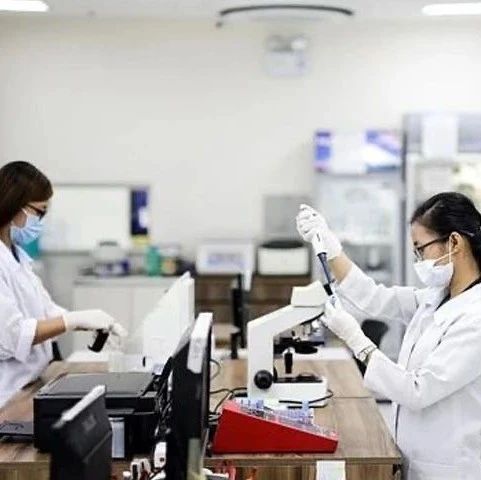
Core Insights - The company, known for its pioneering work in medical AI, has launched the "ShuKunkun" multimodal healthcare model and Digital Human 4.0 technology platform, aiming to transform the entire medical ecosystem from imaging diagnosis to hierarchical treatment [1][3]. Company Development - Since the introduction of the world's first coronary CTA product in 2017, the company has developed over 100 digital doctor products and obtained 17 Class III NMPA certifications, significantly innovating the diagnostic paradigm in radiology [3]. - The "ShuKunkun" model, which can analyze images, understand text, and apply clinical logic, is a key component of the company's strategy to evolve AI from a supportive tool to a core driver of the diagnostic ecosystem [3][4]. Technological Capabilities - The "ShuKunkun" model has demonstrated superior diagnostic accuracy, outperforming human doctors in complex liver disease diagnoses during an industry competition [3][4]. - The model integrates knowledge, reasoning, and experience, enabling it to assist doctors in making informed clinical decisions by processing various types of medical data [4]. Application Scenarios - The Digital Human 4.0 platform supports 12 core workflows in imaging, enhancing efficiency in hospitals by reducing report writing time by 50% and accelerating research data processing [4][5]. - The company has introduced an AI solution for ultrasound that supports comprehensive body examinations and has improved computational power by 50% [5]. Collaborative Initiatives - The company is collaborating with hospitals to implement the model across various departments, providing comprehensive patient management and operational support [5]. - A "Digital Doctor Intelligent Team" has been established to enhance the efficiency of chronic disease management and integrate medical prevention at the grassroots level [5]. Hardware Innovations - The company has developed AI-native hardware that allows seamless deployment across different healthcare settings, from top-tier hospitals to community clinics [6]. - A partnership with Huawei has led to the creation of a medical model computing machine that optimizes computational resources for AI applications [6]. Future Directions - The company has initiated the "ShuKunkun Model Open Co-construction Plan," inviting industry partners to collaboratively build a medical AI ecosystem [6]. - The Digital Human 4.0 platform is envisioned as an open platform that integrates AI across the entire healthcare chain, contributing to the Healthy China strategy [6].