Games

Search documents
从《原神》到《黑神话:悟空》,中国游戏出海进阶之路
2 1 Shi Ji Jing Ji Bao Dao· 2025-12-24 05:40
Core Insights - The Chinese gaming industry has experienced significant growth, with annual revenue increasing from 140.7 billion RMB to 325.7 billion RMB from 2015 to 2025, marking a doubling in revenue over the decade [1] - The focus has shifted from single product overseas distribution to a comprehensive global strategy encompassing investment, development, testing, publishing, and operation [2] - By 2025, the actual sales revenue of self-developed games in overseas markets is projected to reach 20.455 billion USD (approximately 144.03 billion RMB), reflecting a year-on-year growth of 10.23% [2] Industry Trends - The Chinese gaming industry has seen a comprehensive upgrade from government support to institutional backing and team enhancements, with initiatives like the "Game Shanghai Ten Articles" and the establishment of overseas service centers [3] - Major companies like Tencent and Century Huatong have reported substantial overseas revenues, with Tencent's overseas income reaching 20.8 billion RMB, accounting for about one-third of its total gaming revenue, and a year-on-year growth of 43% [4] - The diversification of game genres and gameplay has been crucial, with successful titles across various categories, including action, simulation, and RPGs, indicating a broadening of market appeal [4][5] Globalization Strategies - Chinese gaming companies are increasingly adopting global strategies from the outset, moving from localized adaptations to deep localization that considers cultural preferences and gameplay mechanics [8] - The shift in publishing strategies includes simultaneous global launches and prioritizing overseas versions, enhancing the relevance of products in international markets [8] - The use of interactive advertising and market testing has become common, allowing developers to gather real-time feedback and adjust their products accordingly [9] Technological Advancements - The integration of advanced technologies such as AI, VR, and cloud computing has become essential for Chinese gaming companies to enhance operational efficiency and market responsiveness [12][14] - AI technologies are being leveraged to streamline creative processes, allowing for rapid development and iteration of game concepts, thus reducing costs and time [15][16] - The 2025 report indicates that the growth in gaming revenue and user base is attributed to improved mobile game quality, successful long-standing titles, and the strong performance of mini-program games [16]



三七互娱朱怀敏:从“技术赋能”到“文化破圈”:AI重塑游戏新质生产力生态
Xin Lang Cai Jing· 2025-12-23 12:14
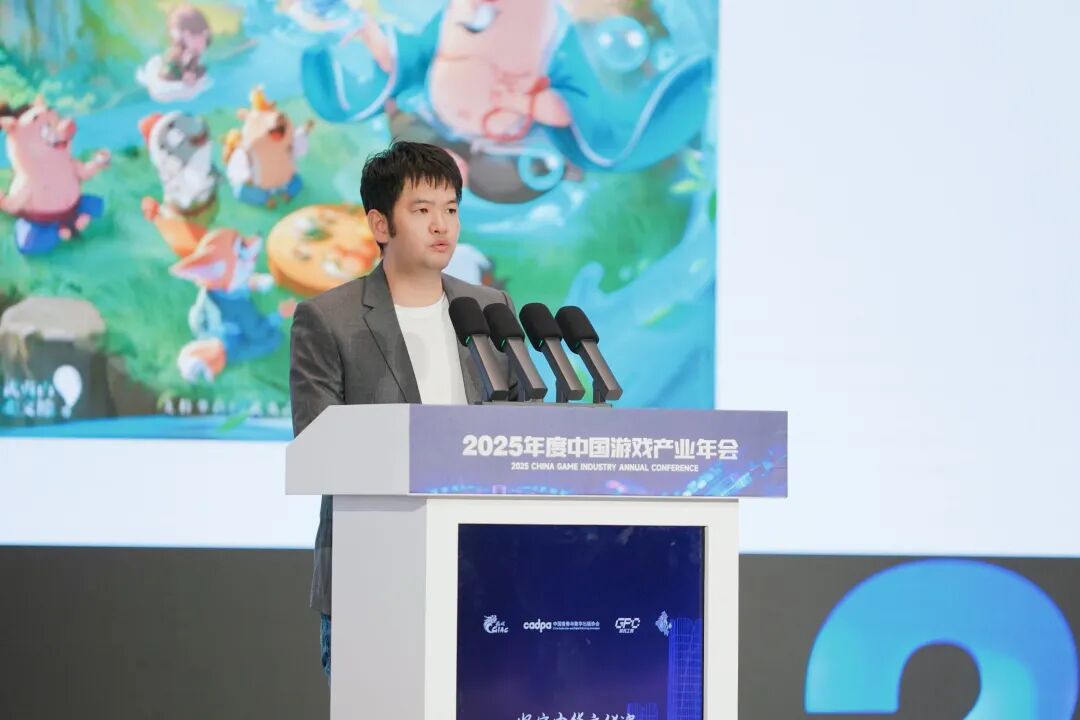
Core Viewpoint - The gaming industry is leveraging artificial intelligence (AI) to enhance operational efficiency, innovate cultural dissemination, and enable cross-industry collaboration, with a focus on creating a new ecosystem of productivity through technology [1][10]. Group 1: AI in Game Development and Operations - AI has permeated the gaming industry, enhancing the entire process from project initiation to operation, driving a revolution in production efficiency [4][14]. - The company has developed a proprietary AI model, "Xiao Qi Model," which serves as the foundation for AI capabilities across various business applications, significantly improving the industrialization level of game development and operations [4][14]. - AI customer service has been implemented across all games, achieving over 80% accuracy in responses and saving approximately 30 personnel [5][14]. Group 2: Cultural Innovation and Dissemination - The company integrates intangible cultural heritage projects into games, utilizing digital and AI technologies to enhance cultural content and reach younger audiences [6][15]. - A virtual ambassador, "Cong Mei," has been created to promote local culture through AI-generated promotional materials, bridging the gap between gaming and cultural tourism [6][15]. - The combination of online gaming experiences and offline activities fosters a richer cultural exchange, enhancing both gaming content and tourism development [6][15]. Group 3: AI Applications Beyond Gaming - The company has developed an AI copyright protection system named "Ling Cha Cha," which utilizes AI algorithms and big data to monitor and respond to copyright issues effectively [7][16]. - An intelligent assistant for the city of Guangzhou has been created, providing real-time responses to citizen inquiries and enhancing the city's digital transformation [8][17]. - The company aims to collaborate with various government entities to further showcase the benefits of AI technology in urban development [9][18]. Group 4: Future Outlook - Embracing the AI wave is seen as essential for the future of the gaming industry, with a focus on technological empowerment and innovative growth to create a more imaginative digital gaming ecosystem [10][19].

2025年度中国游戏产业年会“游戏营销与出海论坛”圆满举办,共探游戏新征程
Xin Lang Cai Jing· 2025-12-22 11:25
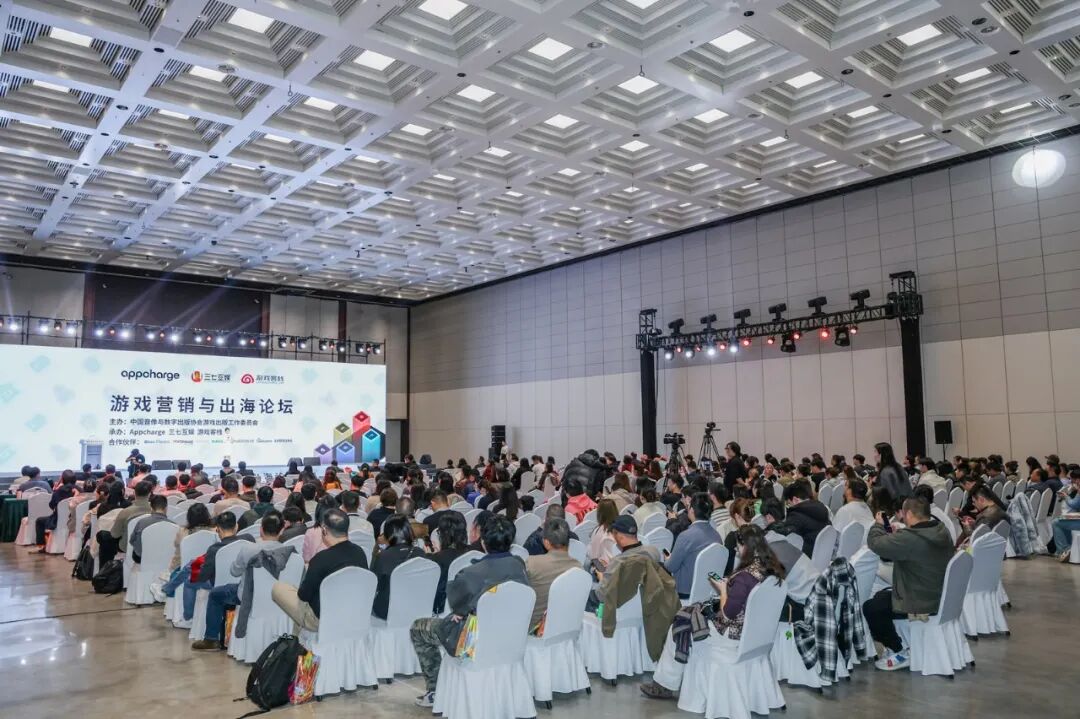
Core Insights - The 2025 China Game Industry Annual Conference's "Game Marketing and Overseas Expansion Forum" attracted over 400 global game publishers and 65 development companies, facilitating effective communication and collaboration in the gaming industry [1][23]. Group 1: Market Trends and Insights - The "2025 China Game Overseas Research Report" indicates that the actual sales revenue of Chinese self-developed games in overseas markets will reach $20.455 billion (approximately 146.4 billion RMB), reflecting a year-on-year growth of 10.23% [3][26]. - The report highlights four major trends in the Chinese game export market: the core role of game technology in driving efficiency and innovation, the importance of cross-industry integration, the shift towards building cross-platform community ecosystems, and the evolution of market competition from single traffic to a comprehensive strength in technology, culture, ecology, and brand [4][26]. Group 2: Payment and Monetization Strategies - Andrew Wong from Appcharge discussed the changing payment rules in global markets and introduced practical solutions for enhancing payment success rates for Chinese mobile game developers, emphasizing the platform's advantages such as global tax compliance and low fees [6][28]. Group 3: Globalization Practices - Zhou Zhihao from 37 Interactive Entertainment shared insights on the characteristics and trends of the current Chinese game export market, focusing on the "SLG+X" category fusion innovation path and the company's collaborative approach to empower development partners [7][29]. - Cassie Zhang from Madhouse provided strategies for successfully entering the South Korean market, leveraging local media partnerships and operational experience to help game companies navigate initial entry barriers [9][31]. Group 4: Marketing and User Engagement - Yoonwon Kim from Kakao discussed the importance of establishing deep connections with Korean users through comprehensive advertising solutions, showcasing successful case studies to enhance brand recognition and user retention [11][33]. - Jeiheon Noh from NAVER outlined strategies for Chinese game companies to effectively penetrate the South Korean market, leveraging NAVER's search engine dominance and diverse advertising products [13][35]. Group 5: New Opportunities in Gaming - DH Shon from Samsung analyzed the saturation of the mobile gaming market and identified television as a new growth opportunity for casual gaming, proposing targeted solutions for game developers to adapt to TV platforms [15][37]. - Jae Kyun Ahn from Moloco shared practical methods for achieving low-cost user acquisition and high conversion rates in the Korean market through AI-driven advertising technology [19][39]. Group 6: Product Showcase and Networking - The "Game Guesthouse - Global New Game Matching Conference" featured 65 game development companies showcasing 91 products across various genres, facilitating connections with over 400 global game publishers [21][43]. - The event aimed to create a "three-in-one" industry ecosystem, focusing on media, overseas traffic forums, and game matching to foster collaboration and opportunities for the global gaming community [21][43].
华源证券:小游戏向精品化转型 建议把握生态的成熟放量
智通财经网· 2025-12-22 06:18
Core Insights - The mini-game market in China is transitioning from casual to mid-core and premium games, with total revenue expected to reach 39.836 billion yuan in 2024, a year-on-year increase of 99.18% [1] - The market is projected to exceed 60 billion yuan in total revenue by 2025, indicating significant growth potential [1] Group 1: Market Growth and Trends - The mini-game market has evolved significantly over the past decade, starting with "Flappy Bird" and now seeing a rise in high-quality mini-games due to enhanced commercialization efforts [1] - WeChat mini-games have become the most time-consuming application type, with 5.55 billion monthly active users in October 2024, reflecting a 5.9% year-on-year growth [2] - The revenue model for WeChat mini-games is becoming more flexible and lucrative, with potential earnings increasing by 50% to over 100% due to various incentive policies [2] Group 2: Development and User Engagement - The trend towards mid-core games is expected to enhance user retention and average revenue per user (ARPU), combining light gameplay to attract users with deeper content to keep them engaged [3] - The mixed monetization model is gaining traction, with over 100% growth in mixed monetization game products and advertising consumption in 2023, continuing into 2024 [3] - Mini-games are increasingly being developed for international markets, focusing on low-cost, short-cycle games, with platforms like YouTube and TikTok expanding their mini-game offerings [3]
游戏产业多项数据创历史新高 游戏ETF(159869)午盘跌幅持续收窄
Mei Ri Jing Ji Xin Wen· 2025-12-22 06:18
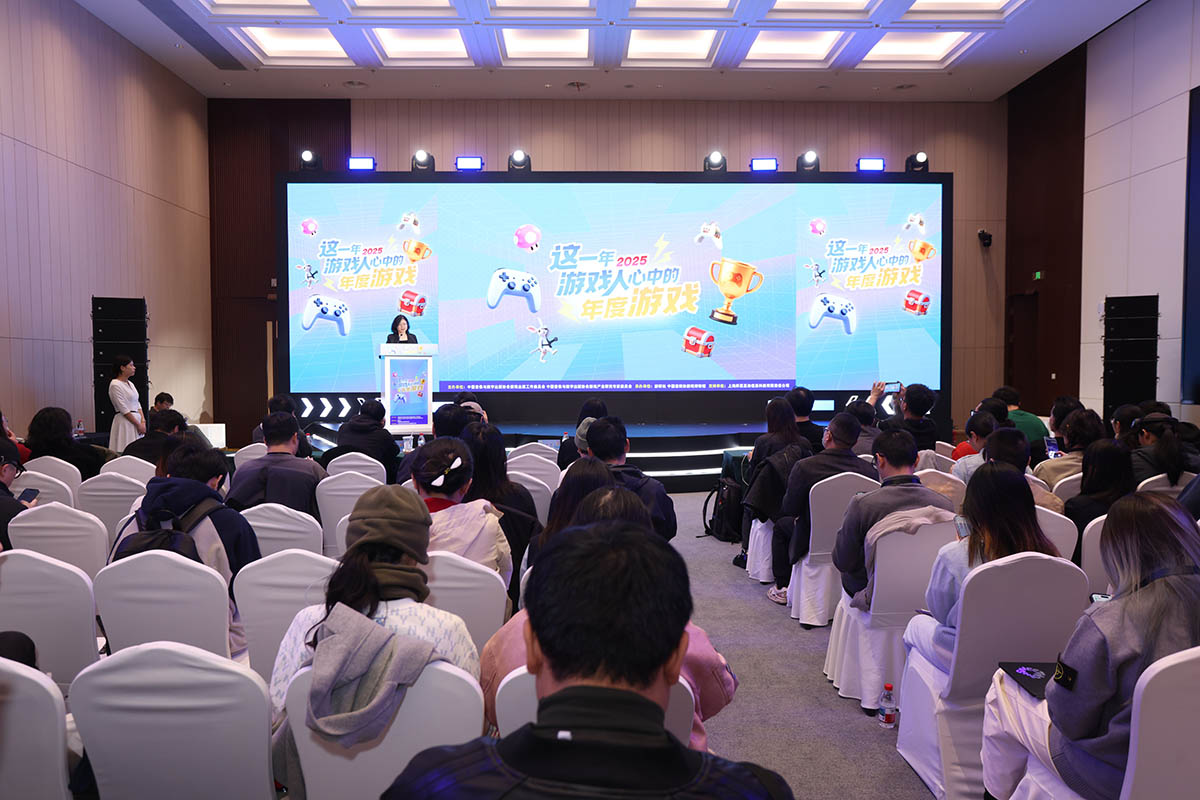
12月22日,游戏板块午盘窄幅震荡,游戏ETF(159869)跌幅持续收窄,现跌至0.5%附近。持仓股涨跌 互现,宝通科技、迅游科技、北纬科技、游族网络、浙数文化等涨幅居前,吉比特、奥飞娱乐、富春股 份、华立科技、恺英网络等跌幅居前。截至12月19日,产品规模达113.27亿元,助力投资者一键布局A 股游戏龙头。 游戏板块具备AI、内容、商业化模式变革多点催化,游戏ETF(159869)跟踪中证动漫游戏指数,反映 动漫游戏产业A股上市公司股票的整体表现,关注游戏ETF(159869)布局机会。 (文章来源:每日经济新闻) 细分市场呈现"强者恒强、新兴崛起"的分化格局。主机游戏市场延续高速增长态势,实销收入83.62亿 元,同比激增86.33%,连续三年保持爆发式增长。小程序游戏成为最大亮点,收入达535.35亿元,同比 增长34.39%,内购与广告变现双轨并行推动规模扩容。 出海业务同样表现亮眼,自研游戏海外市场实际销售收入达204.55亿美元,同比增长10.23%,规模已连 续6年超1000亿元人民币。在全球经济波动、竞争加剧的背景下,中国游戏企业凭借创新实力与应变能 力,展现出强劲发展韧性。 作为年会核心 ...
伽马数据:1-6月中国主要上市游戏企业平均销售费用率为21.8% 系近5年首次明显下降
智通财经网· 2025-12-22 05:55
Group 1 - The core viewpoint of the report indicates that the average sales expense ratio of major listed gaming companies in China decreased to 21.8% in the first half of 2025, marking a significant decline of 2.9 percentage points compared to the same period last year, which is the first notable decrease in five years [1][2] - The report highlights that 77.8% of the companies that reduced their sales expense ratio saw an increase in net profit, and 63% of these companies also experienced revenue growth, indicating that the decline in sales expense ratio did not negatively impact performance [4] - The report emphasizes that 60% of users prefer to receive game information through short video advertisements, with content marketing focusing on user acquisition and retention [6] Group 2 - The report notes that mobile game marketing is shifting from quantity to quality, with content marketing emerging as a significant pillar alongside traditional user acquisition marketing [12] - The number of advertisements for app games has decreased significantly in 2025 compared to 2024, but the advertising expenditure has continued to grow, indicating a focus on higher-quality advertising materials [14][16] - The gaming industry is facing intensified competition from other industries, with the share of advertising expenditure for the gaming sector dropping to 12.8%, a decrease of 7 percentage points year-on-year [17] Group 3 - MMORPGs and fishing games remain the most advertised categories, accounting for 40% of product quantity and 42.3% of advertising expenditure, with MMORPGs still leading due to nostalgia and the success of classic IPs [24] - The report indicates that casual games, particularly idle and simulation games, are showing significant growth potential, with increased advertising expenditure as more high-profile new products are released [27] - The report states that mini-program games are continuously developing, with Tencent's ecosystem being the most preferred platform for users, capturing 87.6% of the user base [29][30] Group 4 - IAA games dominate the mini-program game market, accounting for 81.9% of the total number of games, while IAP and mixed monetization models account for over 80% of advertising expenditure [30] - The report identifies casual games as a key focus within mini-program games, with a high user penetration rate of 56.9% and a strong willingness to accept in-game advertisements [34][37] - The report highlights that effective advertising strategies for casual games should focus on performance ads, as 62.6% of users discover new products through this channel [41]

沪指收复20日均线 短线情绪有所回暖
Sou Hu Cai Jing· 2025-12-22 05:17
Market Overview - The three major indices opened higher, with the Shanghai Composite Index up 0.26%, the Shenzhen Component Index up 0.65%, and the ChiNext Index up 1.01% [1] - Trading volume exceeded 630 billion, an increase of over 90 billion compared to the same time the previous day, with an estimated total trading amount of approximately 1.95 trillion for the day [1] - Sectors such as metals, semiconductors, and communication equipment saw significant gains, while hotel and restaurant, and media and entertainment sectors experienced declines [1] Economic Insights - The U.S. stock market indices collectively rose last Friday, indicating a positive sentiment [1] - A recent meeting of the Ministry of Commerce emphasized the need to boost consumption and expand the supply of quality goods and services [1] - Researchers at Shanghai Jiao Tong University achieved a breakthrough in all-optical computing chips, supporting large-scale semantic media generation models, with results published in the journal "Science" [1] Currency and Investment Strategy - CITIC Securities suggests that factors driving the appreciation of the RMB are increasing, and investors should adapt their asset allocation strategies accordingly [2] - Historical data indicates that while the exchange rate is not the decisive factor in industry allocation, certain industries may perform better during the initial stages of appreciation [2] - Approximately 19% of industries may see profit margin improvements due to RMB appreciation, which will attract investor attention [2] - Investment strategies should focus on sectors driven by short-term memory effects (e.g., aviation, gas, paper), profit margin changes (e.g., upstream resources, consumer goods), and policy changes (e.g., duty-free, real estate developers, brokers, insurance) [2] Gaming Industry Outlook - The 2025 China Game Industry Conference reported that the domestic game market's actual sales revenue is expected to reach 350.79 billion, a year-on-year increase of 7.68%, with a user base of 683 million, up 1.35% [3] - The console gaming market continues to grow rapidly, with sales revenue of 8.36 billion, a staggering increase of 86.33% year-on-year [3] - Mini-program games emerged as a highlight, generating 53.54 billion in revenue, a 34.39% increase, driven by both in-app purchases and advertising [3] - First Capital Securities anticipates that the gaming industry will maintain a high level of prosperity, with new products and cross-platform connectivity contributing to growth [3] Market Sentiment and Technical Analysis - The market showed signs of recovery last Friday, with all three major indices posting slight gains, indicating a potential improvement in short-term sentiment [4] - Positive changes in macroeconomic factors that previously suppressed market risk appetite have been observed, including validated expectations of U.S. interest rate cuts [4] - The Shanghai Composite Index demonstrated resilience after testing previous lows, with a focus on whether it can regain the 30-day moving average [4]
数娱工场 | 告别“人力堆砌”,游戏产业全面转向“AI驱动”
Xin Hua Cai Jing· 2025-12-21 03:01
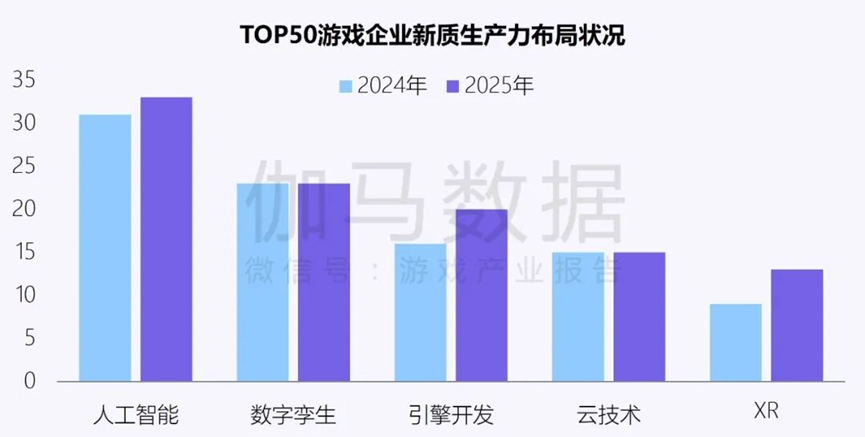
Core Insights - The 2025 China Game Industry Annual Conference highlighted AI, engine development, and mixed reality (XR) as key investment areas for companies in the gaming sector [1][2] - AI technology is deeply integrated into game design, user behavior analysis, and operational strategy optimization, becoming a focal point for future capital investments [1][2] Group 1: AI Integration in Game Development - Multiple game companies are actively incorporating AI across the entire game development and operation process, significantly enhancing efficiency and reducing creative barriers [3] - Century Huatong reported that AI is integrated into approximately 80% of its game development processes, improving creative efficiency and reducing costs [3] - 37 Interactive Entertainment's AI model "Xiao Qi" has improved the digital efficiency and quality of content by integrating over 40 AI capabilities, with AI-generated 2D art assets exceeding 80% [3] Group 2: AI's Impact on Operational Efficiency - Youzu Network has developed an internal platform "YOOZOO.AI" that enhances efficiency across research, publishing, and localization, achieving a 3-5 times increase in production efficiency [4] - Tencent has established a comprehensive AI capability system, with its latest AI-driven 3D character animation pipeline achieving up to 8 times efficiency improvement in certain production stages [4] Group 3: AI Applications in Game Marketing and User Engagement - AI is transforming game marketing and operations by generating advertising materials and analyzing user data, leading to a 20%-40% reduction in customer acquisition costs [7] - AI-driven content generation allows for personalized gaming experiences, significantly expanding game content boundaries and reducing user churn rates [7] Group 4: AI's Role in Global Market Expansion - China's self-developed games achieved overseas sales of $20.455 billion in 2025, with AI technology becoming a critical factor in enhancing operational efficiency for international competition [9] - Companies like Chuangmeng Tiandi are leveraging AI to capture real-time feedback from global social media, aiding in content iteration and localization for long-term operational products [9] Group 5: Future Trends in AI and Game Development - The integration of AI across the game development pipeline is expected to shift focus towards creativity, with the potential for AI to autonomously generate games based on a single theme or idea [8] - The deep integration of AI in game development and operations is seen as essential for achieving high-quality growth in the global gaming market [11]

2025抖音小游戏生态大会圆满落幕:以“内容×社交”双核驱动,解码行业增长新范式
Xin Lang Cai Jing· 2025-12-20 10:54
Core Insights - The mobile gaming industry is facing unprecedented competition, but the mini-game sector, particularly Douyin mini-games, is experiencing significant growth, becoming a key variable in the future trillion-yuan market [1] - The "content + social" dual-engine model is emerging as a crucial strategy for industry breakthroughs, with companies needing to adapt to this new paradigm for survival and growth [1][3] Strategic Significance - Douyin's social network has over 300 million daily users, creating new opportunities for social interaction among young people, which in turn drives the growth of mini-games [3] - User demand for mini-games has shifted from short-term engagement to long-term companionship, necessitating a change in business models that focus on content conversion and social integration [4] Product Capabilities - Douyin mini-games have seen a 120% increase in daily active users (DAU) and a 100% increase in revenue, driven by high-quality content and innovative gameplay [5] - The platform is implementing comprehensive support and customized solutions for developers to foster growth and enhance content quality [6][7] Industry Insights - Successful long-term operation of cultural IPs, such as "Three Kingdoms Kill," has been achieved through optimization of mini-game functionalities and deepening content ecology on Douyin [8] - Innovation in content is identified as the primary driver for creating hit games, with companies like Yuanzi Power leveraging creative content to achieve significant user engagement [9] - Social interaction and innovative gameplay are critical for driving user growth, as demonstrated by the success of "Sniper Alien," which achieved over 500,000 daily active users through social engagement [10] Future Directions - The next six months to a year are seen as a golden opportunity for exploring and defining new strategies in the gaming industry [11] - Douyin mini-games will continue to deepen their "content + social" strategy, inviting more quality developers to join the ecosystem and explore the trillion-yuan market [11]


如何创作更高质量的游戏作品?这些中国游戏人这样说
Xin Lang Cai Jing· 2025-12-20 03:36
Core Insights - The gaming industry is recognized as a crucial pillar of the digital economy, serving not only as entertainment but also as a platform for technological innovation and transformation [1] - Chinese game developers are increasingly gaining international recognition, with discussions focusing on the challenges faced by small teams and the differences between AAA and indie game development [2][3] Group 1: Industry Trends - The quality of Chinese games has improved significantly, leading to heightened enthusiasm among domestic players and notable progress in international markets [2] - The independent game sector is experiencing rapid growth, with many new titles being released annually, indicating a doubling trend in the number of indie games [3][5] Group 2: Development Strategies - Small to medium-sized teams are encouraged to leverage existing resources and skills rather than seeking external solutions, emphasizing that completion is more important than perfection [3][6] - Developers are advised to focus on team unity and collective creativity to enhance the chances of success in a highly competitive environment [5][6] Group 3: Long-term Project Insights - Long-term game projects require careful consideration of design choices, with an emphasis on maintaining challenge and depth to enhance player experience [6][8] - Developers should be prepared for the emotional and practical challenges of long-term projects, ensuring that their creative direction aligns with their values and goals [8][9] Group 4: Unique Advantages of Chinese Developers - Chinese developers possess unique advantages in the buyout game market, including a growing base of Chinese-speaking users on platforms like Steam, which is projected to exceed 240 million by 2026 [16][17] - The experience gained from the online gaming era is now being applied to the buyout game sector, with established companies like Tencent and NetEase investing in high-quality projects [17][18] Group 5: Team Dynamics and Innovation - In small teams, members often wear multiple hats, making versatility more critical than specialization, which contrasts with larger studios [10][12] - Continuous innovation and self-iteration are essential for small teams to remain competitive, balancing creativity with resource constraints [15]